Originally published 8 September 2025. Updated November 2026.
When people talk about Japan, they love to mention the four seasons. Cherry blossoms in spring, fireworks in summer, red leaves in autumn, snow in winter. It’s true, as far as it goes.
The old calendar never stopped at four. It counted 24 solar terms, and inside them 72 small seasons, each named for something you could see or hear if you were paying attention: the first frost, the swallows coming back, the wind that takes the last leaves from the trees.
So Japan doesn’t have four seasons. It has 72, and after decades of working here, we’ve learned to plan by them.
Four seasons is how a year looks from a distance. Seventy-two is how it looks when you’re standing in it.
What Are Japan’s 72 Seasons?
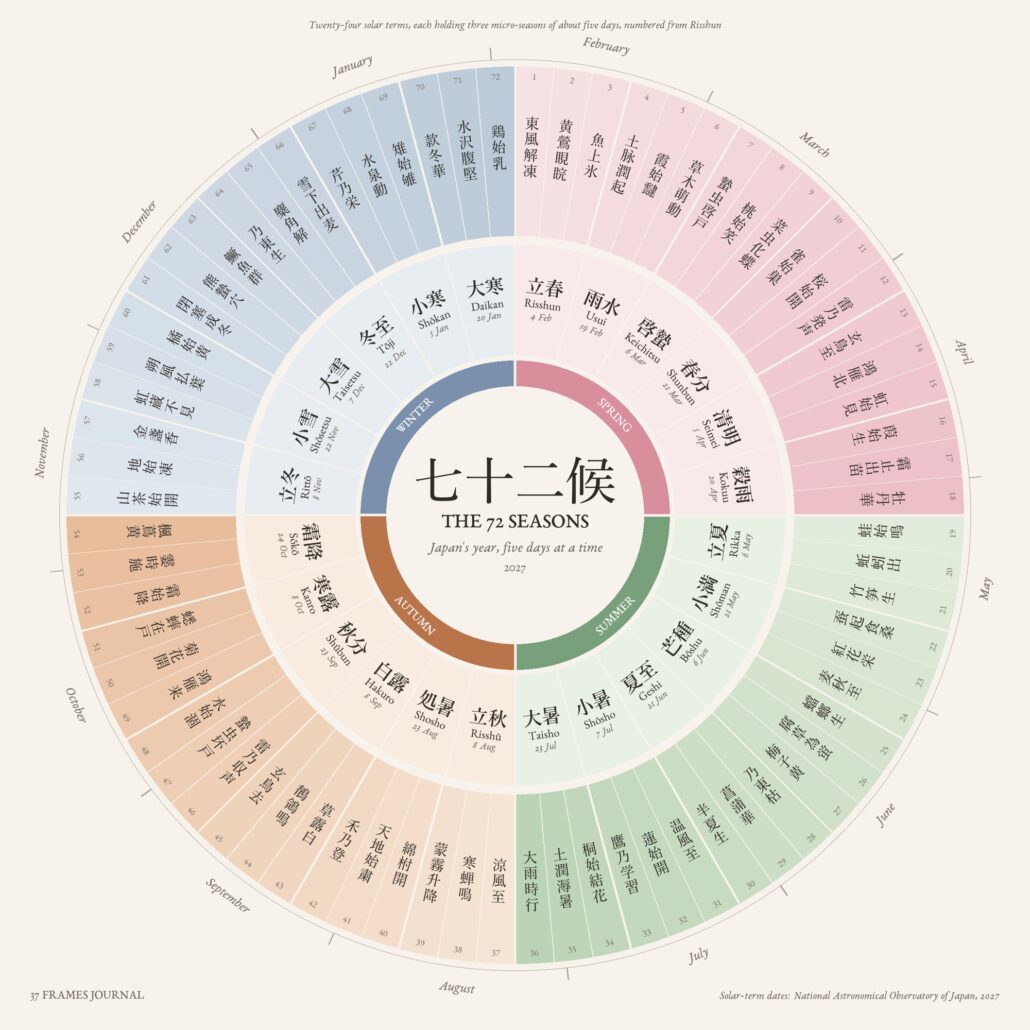
The sun’s yearly path across the sky is divided into 24 equal steps of 15 degrees, and each step begins a solar term, a sekki (節気), of about fifteen days. Their names are plain and practical: Risshun, the start of spring, in early February; Shunbun, the spring equinox; Kanro, cold dew; Shōsetsu, a little snow. Each sekki is divided again into three kō (候), the micro-seasons, of about five days each.
The 24 Solar Terms in English
春 Spring
- 立春 Risshun
the start of spring
4 Feb - 雨水 Usui
rain water
19 Feb - 啓蟄 Keichitsu
insects awaken
6 Mar - 春分 Shunbun
the spring equinox
21 Mar - 清明 Seimei
pure and clear
5 Apr - 穀雨 Kokuu
grain rain
20 Apr
夏 Summer
- 立夏 Rikka
the start of summer
6 May - 小満 Shōman
the grain fills
21 May - 芒種 Bōshu
grain in ear
6 Jun - 夏至 Geshi
the summer solstice
21 Jun - 小暑 Shōsho
lesser heat
7 Jul - 大暑 Taisho
greater heat
23 Jul
秋 Autumn
- 立秋 Risshū
the start of autumn
8 Aug - 処暑 Shosho
the heat ends
23 Aug - 白露 Hakuro
white dew
8 Sep - 秋分 Shūbun
the autumn equinox
23 Sep - 寒露 Kanro
cold dew
8 Oct - 霜降 Sōkō
frost descends
24 Oct
冬 Winter
- 立冬 Rittō
the start of winter
8 Nov - 小雪 Shōsetsu
a little snow
22 Nov - 大雪 Taisetsu
great snow
7 Dec - 冬至 Tōji
the winter solstice
22 Dec - 小寒 Shōkan
lesser cold
5 Jan - 大寒 Daikan
greater cold
20 Jan
The calendar doesn’t always agree with the weather. Autumn begins on 8 August, in the thick of the summer heat, and spring in the first week of February, when most of the country is still in its winter coat. Japan has a phrase for this, koyomi no ue de wa (暦の上では), “according to the calendar”, and every August the weather presenters use it in the same breath as a heatstroke warning.
Because the sekki follow the sun rather than the moon, their dates barely move. Japan’s National Astronomical Observatory publishes them every February for the year ahead, and they shift by a day or so from one year to the next.
The idea came from China, and its first names described a Chinese landscape. In the 1680s the astronomer Shibukawa Harumi rewrote them for Japan’s own birds, plants and weather when he made the country’s first homegrown calendar. The calendar makers revised them again in 1755, and those, with a few small changes, are the names Japan uses today. It was a farmer’s clock as much as a poet’s: grain rain, Kokuu, arrives as the rice seedbeds are sown.
Japanese Season Names: Small Things, Noticed
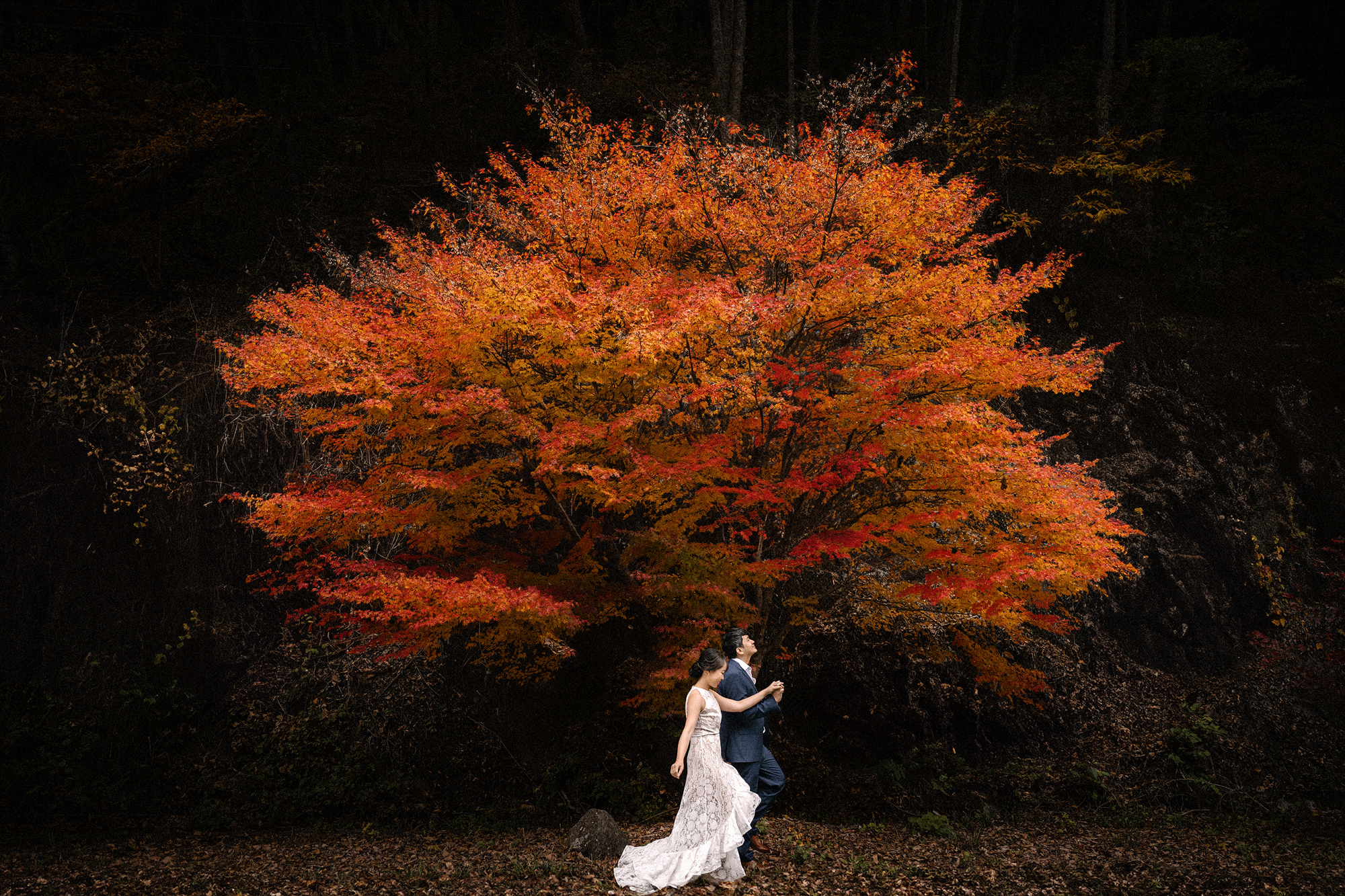
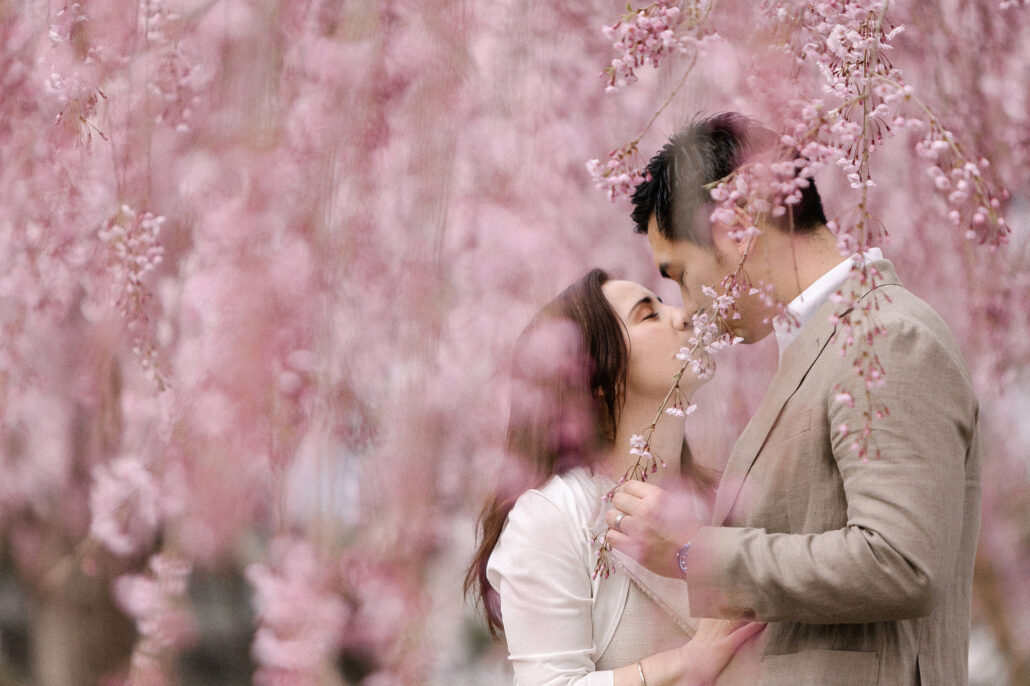
Read the kō in order and they become a story. In late March, sparrows start to nest, then the cherries begin to open (sakura hajimete hiraku, 桜始開), then thunder raises its voice for the first time in the year (kaminari sunawachi koe o hassu, 雷乃発声). In April the swallows return and the first rainbows appear. By late October the first frost falls, light rains come and go, and the maples and ivy turn yellow (momiji tsuta kibamu, 楓蔦黄).
None of it is grand. The calendar asks you to notice small things, a bird, a frost, a change in the air, and to accept that each will be gone within the week. It’s the same feeling Japan calls mono no aware: the beauty of things because they pass.
Poets have leaned on it for centuries. A haiku still carries a season word, a kigo, and the almanacs that collect them, the saijiki, run to thousands of entries. Kitchens keep the same clock: a kaiseki menu follows the season onto the plate, and a letter in Japanese still opens with a line about the weather of the week. Nobody calls it tradition. It’s simply how people here pay attention.
Do you know what’s flowering on your street this week?
The 72 Seasons Through a Lens
Five days doesn’t sound like much until you watch the light change across them. Between the first week of October and the end of November, Tokyo loses three quarters of an hour of evening light, and a ceremony set for the same hour in Kanro and in Shōsetsu happens in two different lights.
So we plan the week as carefully as the place. Much of what the photographs will hold is decided long before anyone lifts a camera: where the light falls at the hour of the ceremony, which way the two of you face, whether the portraits come before the dinner or after it, when the candles are lit.
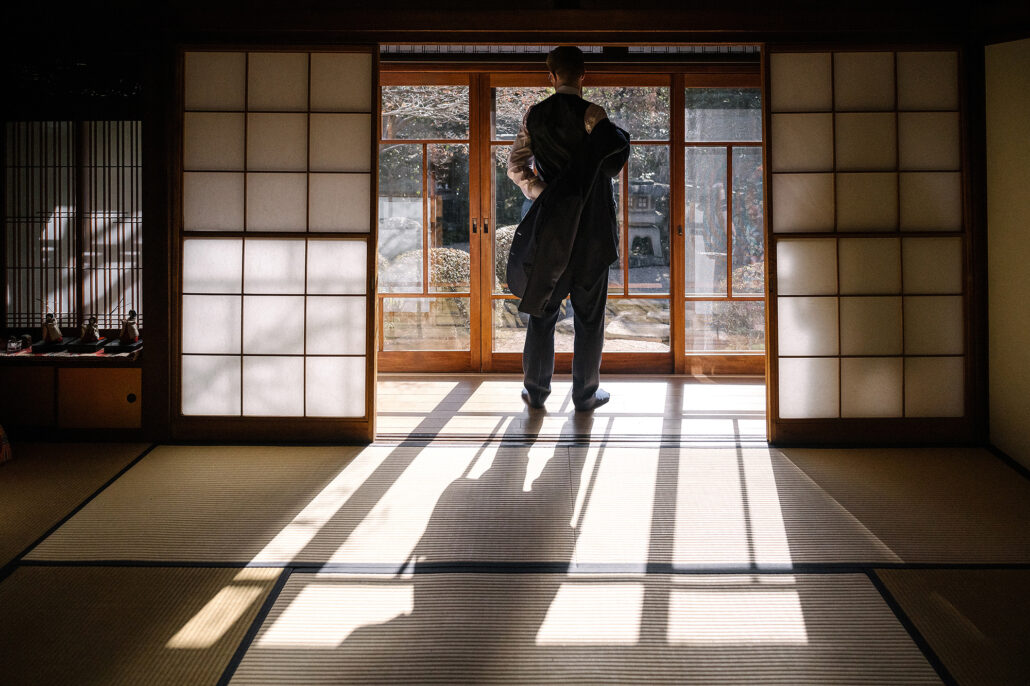
When we plan a wedding in Japan, we’re planning for a particular week, in a particular light, as much as for a place.
In Kyoto’s maple forests, the week matters more than the month. In Hakuba, one night of snow can turn a green valley white.
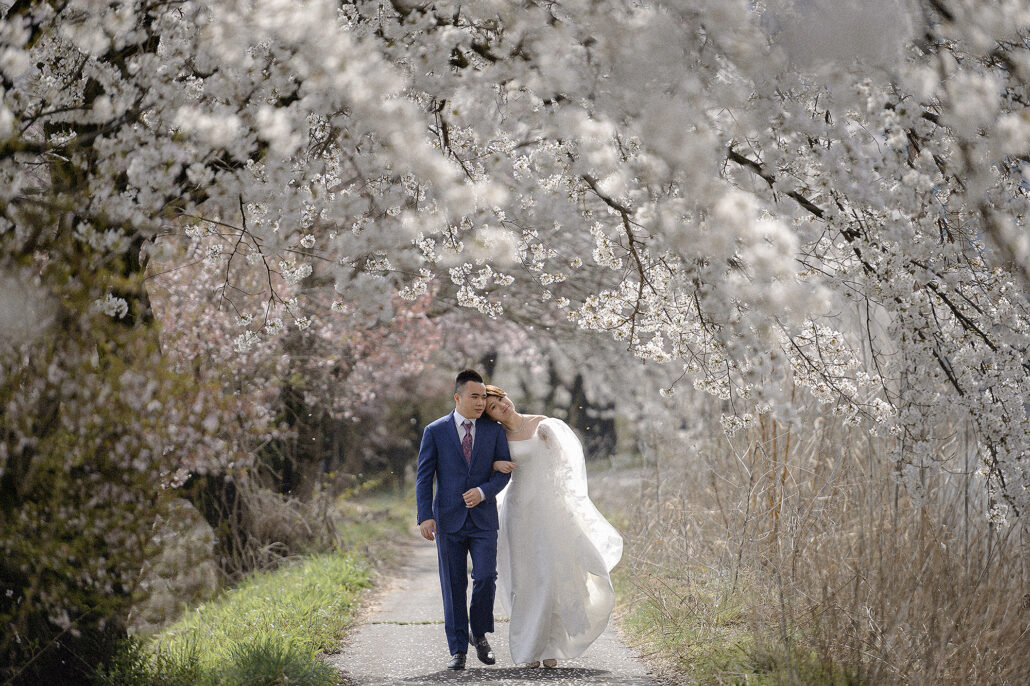
The kō were written for the climate of central Japan, and the rest of the country runs on its own dates. The cherry kō says late March. In Nagano the trees open more than two weeks after Tokyo’s, in Sapporo, around the start of May, and in Okinawa the first blossoms come in January. In any year the forecast has the final word, which is why our cherry blossom guide plans in weeks, not dates.
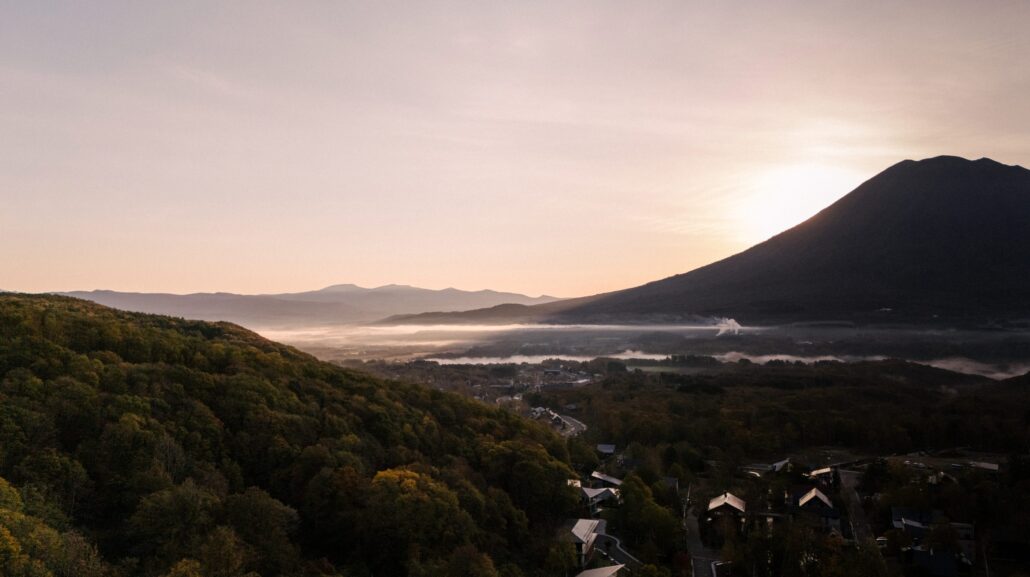
What Season Were You Married In?
Couples tell us about their spring wedding or their autumn elopement. We like to ask which week.
Some of ours already know. A small wedding at Jinya fell inside sakura hajimete hiraku, the cherries begin to open. An elopement there, in another spring, landed on the very first day of the next season, when thunder raises its voice. In Yamanashi, a June elopement began on the first day of ume no mi kibamu, the plums turn yellow.
Imagine saying you married when the first rainbows appeared, or when the pheasants started to call. It’s a more exact kind of memory. We’ve worked through everything from “Thunder ceases” to “Great rains sometimes fall”, the rains often on cue, and we’ve photographed vows under cherry blossom, fireflies and typhoon skies. No two of those weeks looked alike, and neither did the couples in them.

A few couples hold on to theirs tightly. Two of ours made their micro-season the words of the whole day, on the welcome sign, the napkins and everything printed in between. Another went home and had theirs tattooed, matching: the north wind takes the leaves.
Not every kō was made for a napkin. “The cherries begin to open” looks beautiful in calligraphy; “worms surface” asks a little more of a couple. And spare a thought for anyone married in the week when rotten grass becomes fireflies, which, to be fair, is lovelier than it sounds.
So, when did you get married?
Find Your Micro-Season
Choose the day you married, or the day you will.
Why Japan’s Micro-Seasons Matter to Us
Our work depends on presence, and nothing teaches it like these small seasons. They’re why we notice the camellias opening outside a coffee shop in November, the sudden chorus of cicadas in July, the rainbow that turns up after far too much rain. It’s a way of seeing. In our work, seeing is everything.
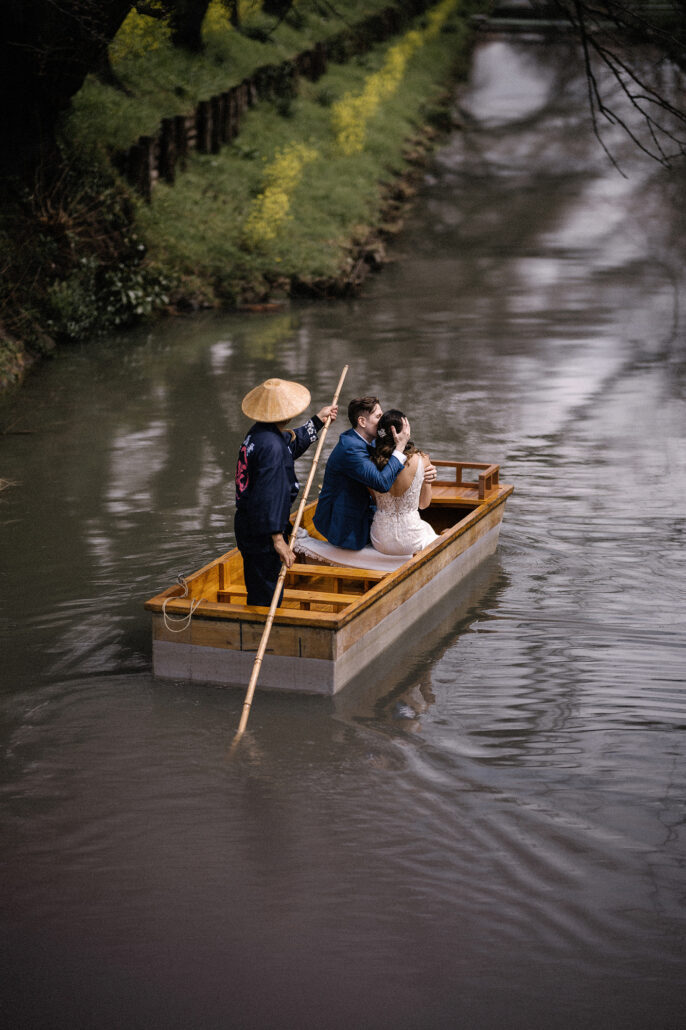
Four seasons will tell you roughly when you were married. Seventy-two will tell you what it felt like.
All 72 Micro-Seasons: Japan’s Calendar for 2027
Here is the whole year, from the first week of January, with each micro-season’s 2027 dates, its Japanese name and reading, and what it means. The wheel shows the same year at a glance, starting where the old calendar starts, at Risshun in February.
| 小寒 Shōkan, lesser cold from 5 Jan | |
|---|---|
| 5 Jan to 9 Jan | 芹乃栄 seri sunawachi sakau 67. Water parsley flourishes |
| 10 Jan to 14 Jan | 水泉動 shimizu atataka o fukumu 68. Springs begin to thaw |
| 15 Jan to 19 Jan | 雉始雊 kiji hajimete naku 69. Pheasants start to call |
| 大寒 Daikan, greater cold from 20 Jan | |
| 20 Jan to 24 Jan | 款冬華 fuki no hana saku 70. Butterburs bud |
| 25 Jan to 29 Jan | 水沢腹堅 sawamizu kōri tsumeru 71. Ice thickens on the streams |
| 30 Jan to 3 Feb | 鶏始乳 niwatori hajimete toya ni tsuku 72. Hens start to lay |
| 立春 Risshun, the start of spring from 4 Feb | |
| 4 Feb to 8 Feb | 東風解凍 harukaze kōri o toku 1. The east wind melts the ice |
| 9 Feb to 13 Feb | 黄鶯睍睆 uguisu naku 2. Bush warblers sing in the mountains |
| 14 Feb to 18 Feb | 魚上氷 uo kōri o izuru 3. Fish rise up through the ice |
| 雨水 Usui, rain water from 19 Feb | |
| 19 Feb to 23 Feb | 土脉潤起 tsuchi no shō uruoi okoru 4. Rain moistens the soil |
| 24 Feb to 28 Feb | 霞始靆 kasumi hajimete tanabiku 5. Mist begins to linger |
| 1 Mar to 5 Mar | 草木萌動 sōmoku mebae izuru 6. Grass sprouts and trees bud |
| 啓蟄 Keichitsu, insects awaken from 6 Mar | |
| 6 Mar to 10 Mar | 蟄虫啓戸 sugomori mushi to o hiraku 7. Hibernating insects come out |
| 11 Mar to 15 Mar | 桃始笑 momo hajimete saku 8. The first peach blossoms |
| 16 Mar to 20 Mar | 菜虫化蝶 namushi chō to naru 9. Caterpillars become butterflies |
| 春分 Shunbun, the spring equinox from 21 Mar | |
| 21 Mar to 25 Mar | 雀始巣 suzume hajimete sukuu 10. Sparrows start to nest |
| 26 Mar to 30 Mar | 桜始開 sakura hajimete hiraku 11. The cherries begin to open |
| 31 Mar to 4 Apr | 雷乃発声 kaminari sunawachi koe o hassu 12. Thunder raises its voice |
| 清明 Seimei, pure and clear from 5 Apr | |
| 5 Apr to 9 Apr | 玄鳥至 tsubame kitaru 13. Swallows return |
| 10 Apr to 14 Apr | 鴻雁北 kōgan kaeru 14. Wild geese fly north |
| 15 Apr to 19 Apr | 虹始見 niji hajimete arawaru 15. The first rainbows |
| 穀雨 Kokuu, grain rain from 20 Apr | |
| 20 Apr to 24 Apr | 葭始生 ashi hajimete shōzu 16. Reeds begin to sprout |
| 25 Apr to 30 Apr | 霜止出苗 shimo yande nae izuru 17. The frosts end and the rice seedlings grow |
| 1 May to 5 May | 牡丹華 botan hana saku 18. Peonies bloom |
| 立夏 Rikka, the start of summer from 6 May | |
| 6 May to 10 May | 蛙始鳴 kawazu hajimete naku 19. Frogs start to sing |
| 11 May to 15 May | 蚯蚓出 mimizu izuru 20. Worms surface |
| 16 May to 20 May | 竹笋生 takenoko shōzu 21. Bamboo shoots appear |
| 小満 Shōman, the grain fills from 21 May | |
| 21 May to 25 May | 蚕起食桑 kaiko okite kuwa o hamu 22. Silkworms start feasting on mulberry leaves |
| 26 May to 31 May | 紅花栄 benibana sakau 23. Safflowers flourish |
| 1 Jun to 5 Jun | 麦秋至 mugi no toki itaru 24. The wheat ripens |
| 芒種 Bōshu, grain in ear from 6 Jun | |
| 6 Jun to 10 Jun | 蟷螂生 kamakiri shōzu 25. Praying mantises hatch |
| 11 Jun to 15 Jun | 腐草為蛍 kusaretaru kusa hotaru to naru 26. Rotten grass becomes fireflies |
| 16 Jun to 20 Jun | 梅子黄 ume no mi kibamu 27. The plums turn yellow |
| 夏至 Geshi, the summer solstice from 21 Jun | |
| 21 Jun to 25 Jun | 乃東枯 natsukarekusa karuru 28. Self-heal withers |
| 26 Jun to 1 Jul | 菖蒲華 ayame hana saku 29. Irises bloom |
| 2 Jul to 6 Jul | 半夏生 hange shōzu 30. Crow-dipper sprouts |
| 小暑 Shōsho, lesser heat from 7 Jul | |
| 7 Jul to 11 Jul | 温風至 atsukaze itaru 31. Warm winds blow |
| 12 Jul to 17 Jul | 蓮始開 hasu hajimete hiraku 32. The first lotus blossoms |
| 18 Jul to 22 Jul | 鷹乃学習 taka sunawachi waza o narau 33. Young hawks learn to fly |
| 大暑 Taisho, greater heat from 23 Jul | |
| 23 Jul to 27 Jul | 桐始結花 kiri hajimete hana o musubu 34. Paulownia trees set their seeds |
| 28 Jul to 2 Aug | 土潤溽暑 tsuchi uruōte mushi atsushi 35. The earth is damp and the air humid |
| 3 Aug to 7 Aug | 大雨時行 taiu tokidoki ni furu 36. Great rains sometimes fall |
| 立秋 Risshū, the start of autumn from 8 Aug | |
| 8 Aug to 12 Aug | 涼風至 suzukaze itaru 37. Cool winds blow |
| 13 Aug to 17 Aug | 寒蝉鳴 higurashi naku 38. Evening cicadas sing |
| 18 Aug to 22 Aug | 蒙霧升降 fukaki kiri matō 39. Thick fog descends |
| 処暑 Shosho, the heat ends from 23 Aug | |
| 23 Aug to 27 Aug | 綿柎開 wata no hanashibe hiraku 40. Cotton bolls open |
| 28 Aug to 2 Sep | 天地始粛 tenchi hajimete samushi 41. The heat begins to fade |
| 3 Sep to 7 Sep | 禾乃登 kokumono sunawachi minoru 42. The rice ripens |
| 白露 Hakuro, white dew from 8 Sep | |
| 8 Sep to 12 Sep | 草露白 kusa no tsuyu shiroshi 43. Dew glistens white on the grass |
| 13 Sep to 17 Sep | 鶺鴒鳴 sekirei naku 44. Wagtails sing |
| 18 Sep to 22 Sep | 玄鳥去 tsubame saru 45. Swallows leave |
| 秋分 Shūbun, the autumn equinox from 23 Sep | |
| 23 Sep to 27 Sep | 雷乃収声 kaminari sunawachi koe o osamu 46. Thunder ceases |
| 28 Sep to 2 Oct | 蟄虫坏戸 mushi kakurete to o fusagu 47. Insects close their burrows |
| 3 Oct to 7 Oct | 水始涸 mizu hajimete karuru 48. Farmers drain the fields |
| 寒露 Kanro, cold dew from 8 Oct | |
| 8 Oct to 12 Oct | 鴻雁来 kōgan kitaru 49. Wild geese return |
| 13 Oct to 18 Oct | 菊花開 kiku no hana hiraku 50. Chrysanthemums bloom |
| 19 Oct to 23 Oct | 蟋蟀在戸 kirigirisu to ni ari 51. Crickets sing at the door |
| 霜降 Sōkō, frost descends from 24 Oct | |
| 24 Oct to 28 Oct | 霜始降 shimo hajimete furu 52. The first frost |
| 29 Oct to 2 Nov | 霎時施 kosame tokidoki furu 53. Light rains, now and then |
| 3 Nov to 7 Nov | 楓蔦黄 momiji tsuta kibamu 54. Maples and ivy turn yellow |
| 立冬 Rittō, the start of winter from 8 Nov | |
| 8 Nov to 12 Nov | 山茶始開 tsubaki hajimete hiraku 55. Camellias bloom |
| 13 Nov to 16 Nov | 地始凍 chi hajimete kōru 56. The land starts to freeze |
| 17 Nov to 21 Nov | 金盞香 kinsenka saku 57. Daffodils bloom |
| 小雪 Shōsetsu, a little snow from 22 Nov | |
| 22 Nov to 26 Nov | 虹蔵不見 niji kakurete miezu 58. Rainbows hide |
| 27 Nov to 1 Dec | 朔風払葉 kitakaze konoha o harau 59. The north wind takes the leaves |
| 2 Dec to 6 Dec | 橘始黄 tachibana hajimete kibamu 60. Tachibana citrus turn yellow |
| 大雪 Taisetsu, great snow from 7 Dec | |
| 7 Dec to 11 Dec | 閉塞成冬 sora samuku fuyu to naru 61. Cold skies, and winter sets in |
| 12 Dec to 16 Dec | 熊蟄穴 kuma ana ni komoru 62. Bears settle into their dens |
| 17 Dec to 21 Dec | 鱖魚群 sake no uo muragaru 63. Salmon gather to swim upstream |
| 冬至 Tōji, the winter solstice from 22 Dec | |
| 22 Dec to 26 Dec | 乃東生 natsukarekusa shōzu 64. Self-heal sprouts |
| 27 Dec to 30 Dec | 麋角解 sawashika no tsuno otsuru 65. Deer shed their antlers |
| 31 Dec to 4 Jan | 雪下出麦 yuki kudarite mugi nobiru 66. Wheat sprouts under the snow |
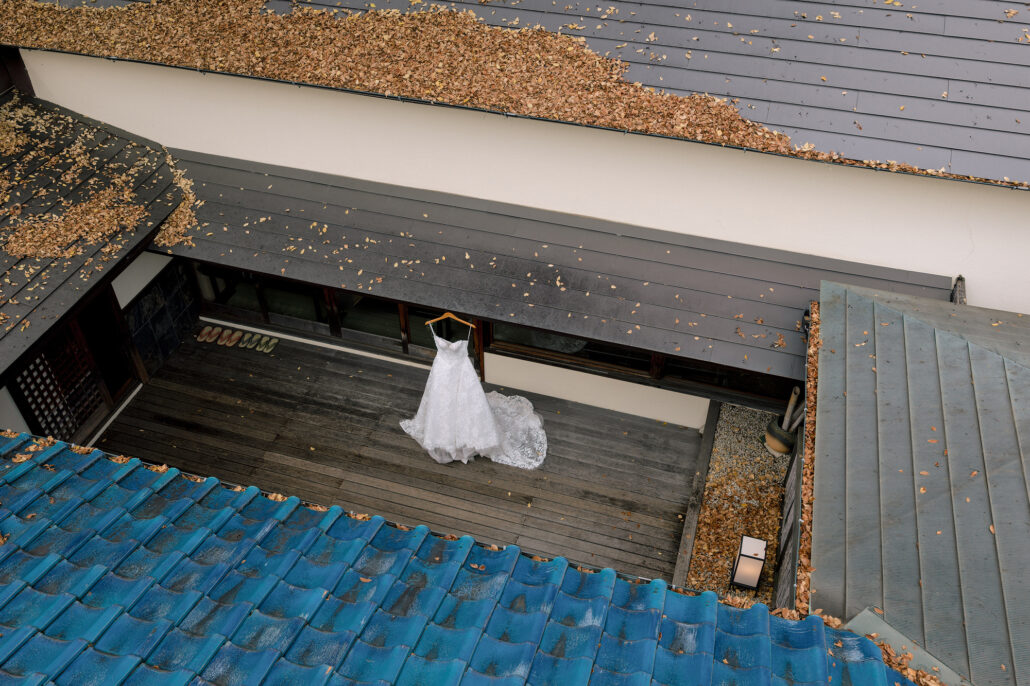
If you’re choosing between them, our guide to the best time of year for a wedding in Japan weighs the seasons against each other, and how to choose the date itself takes it from there. When we plan a wedding in Japan, this is where the conversation starts.
Japan’s 72 Seasons: Quick Answers
What are the seasons in Japan, and how many are there?
In everyday speech, four: spring from March, summer from June, autumn from September and winter from December. The traditional calendar goes much further, with 24 solar terms, the sekki, each divided into three micro-seasons, the kō. That makes 72 seasons of about five days, every one named for a small change in nature.
What is the difference between sekki and kō?
A sekki is one of 24 solar terms of about fifteen days, set by the sun’s position at every 15 degrees along its yearly path. A kō is a third of a sekki, about five days. The sekki carry plain names, such as cold dew or a little snow; the kō describe what’s happening in nature that week.
When do Japan’s 72 seasons begin?
With Risshun, the start of spring, which falls on 4 February in both 2026 and 2027. Its first kō is harukaze kōri o toku, the east wind melts the ice. Japan’s National Astronomical Observatory publishes the solar-term dates each February for the year ahead, and they move by a day or so from year to year.
What season is it in Japan now?
Choose today’s date in the finder in this post, or look it up in the list of all 72. In 2027, for example, the days from 8 to 11 November sit in Rittō’s first kō, when the camellias bloom.
Are the micro-seasons still used in Japan today?
Quietly, yes. Haiku still carry season words, kaiseki menus and seasonal sweets change with the weeks, and letters in Japanese often open with a line about the season. Most people know the 24 sekki names from calendars and weather forecasts, and the kō live on in the names of sweets, menus and the occasional wedding.
Which micro-season is best for a wedding?
For clear air and colour, the kō of Rittō and Shōsetsu in November, when the maples reach the cities. For blossom, the last week of March into early April, held loosely, because the forecast decides. Our guide to the best time of year for a wedding in Japan sets every season side by side.
Updated November 2026. Sources: National Astronomical Observatory of Japan, 2027 calendar: the 24 solar terms and Tokyo sunrise and sunset; Koyomi Wiki, the 72 micro-seasons; Ministry of Economy, Trade and Industry, monthly statistics for wedding ceremony services.


2 comments
Comments are closed.