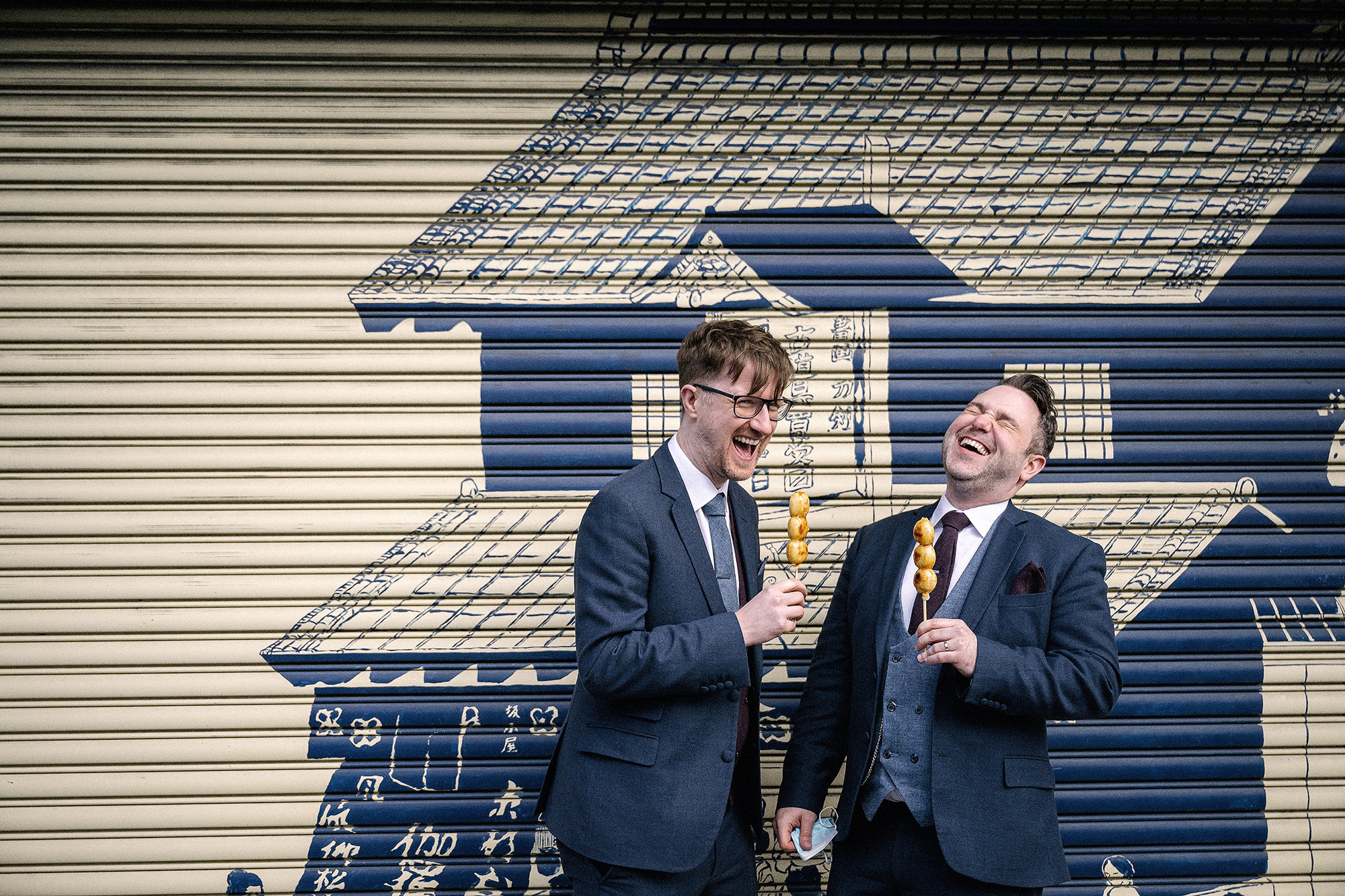
In a Kabuki play from 1779, a character announces that he cares more for food than for romance, then adds that his mouth seems to have gone lonely. It’s the earliest example one of Japan’s great dictionaries gives for kuchisabishii, 口寂しい, a word still in everyday use.
Kuchi is mouth. Sabishii is usually translated as lonely. So the word reaches English as “lonely mouth”, and it travels well under that name, because it sounds like a small, sad poem.
The dictionaries are less sentimental. The Daijisen defines it as the feeling of wanting something to put in your mouth, and the example sentence it chooses is about a cigarette: my mouth feels the lack, so I smoke. English comes close with peckish.
It’s an ordinary word, ordinary enough to turn up in surveys. In a company survey of nearly eleven thousand people in Japan in June 2026, around four in ten of those who snack gave a vague kuchisabishii as a reason, about as many as said they were hungry. Boredom does it too, and habit, and what Japanese calls temochi busata: hands with nothing to do.
Lonely Mouth, Lonely Pocket
The sabishii inside the word is worth a second look. The same dictionary gives the first meaning of sabishii not as missing people but as a heart that isn’t filled, a feeling that something is lacking. It lists the mouth beside another example: futokoro ga sabishii, a lonely pocket, which means you’re carrying very little money.
So the loneliness in a lonely mouth is closer to emptiness than to sadness.
A lonely pocket isn’t grieving. It’s light.
The character goes back further still. 寂, the sabi in sabishii, was defined in China’s first great dictionary of characters, nearly two thousand years ago, as the absence of human voices. A lonely mouth has nothing in it. A lonely room has nobody talking.
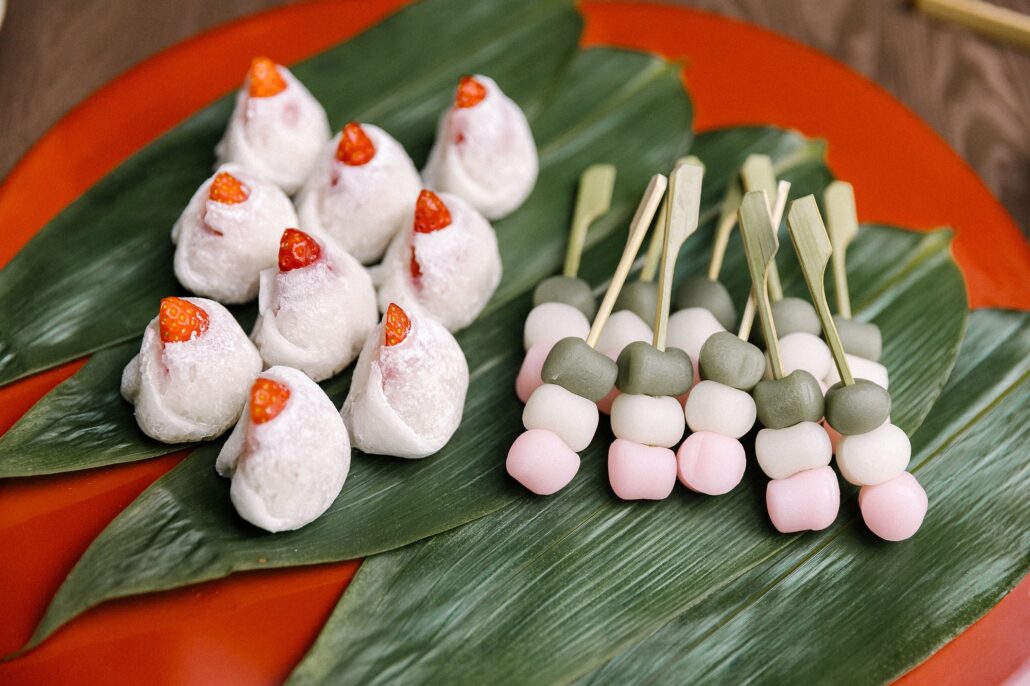
There’s a second, smaller meaning, too, and it’s the one we like best. Kuchisabishii can describe a portion that’s a little too small. One serving, a dictionary example says, is a bit kuchisabishii: the meal that leaves you looking round the table for more.
Kaiseki, Named for a Warm Stone
At the other end of the Japanese table sits kaiseki. In the tea ceremony, kaiseki, 懐石, is the light meal served to guests before tea, often one soup and three dishes. The Daijisen explains the name with a warm stone: the meal warms the stomach the way a heated stone tucked into the robe once did. Zen monks, who weren’t to eat after noon, gave the same name to their light evening meal. The 懐 in it is the fold of a robe at the chest, the same character that sits inside natsukashii, the word for a past you want to hold close.
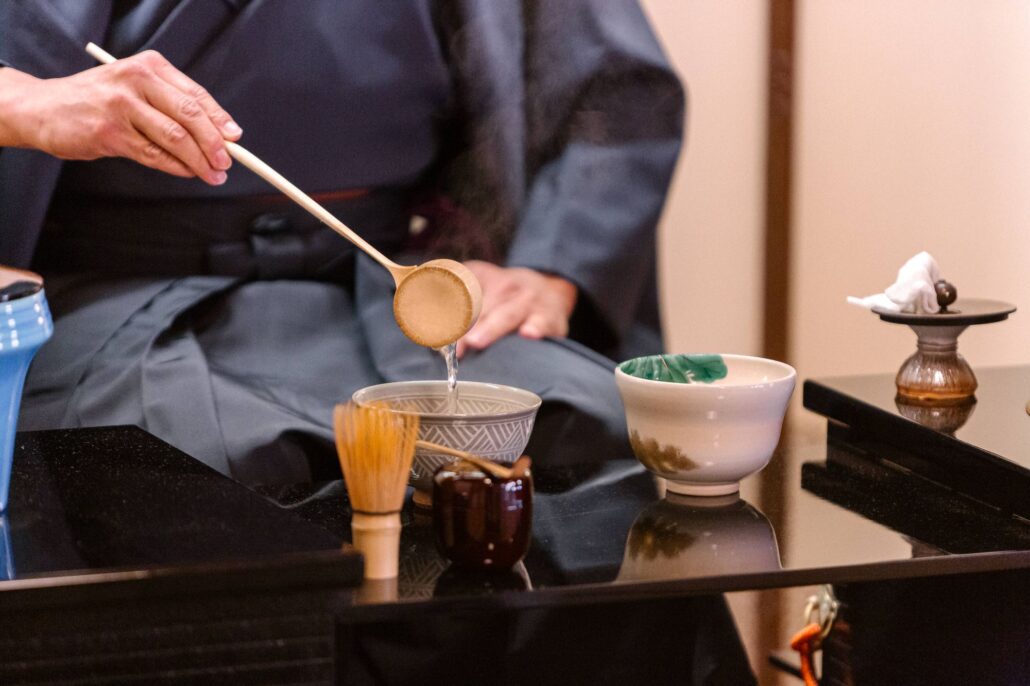
The long seasonal dinner at a ryokan is a second kaiseki, written 会席, the banquet meal that grew partly out of the tea meal. Its courses arrive one at a time.
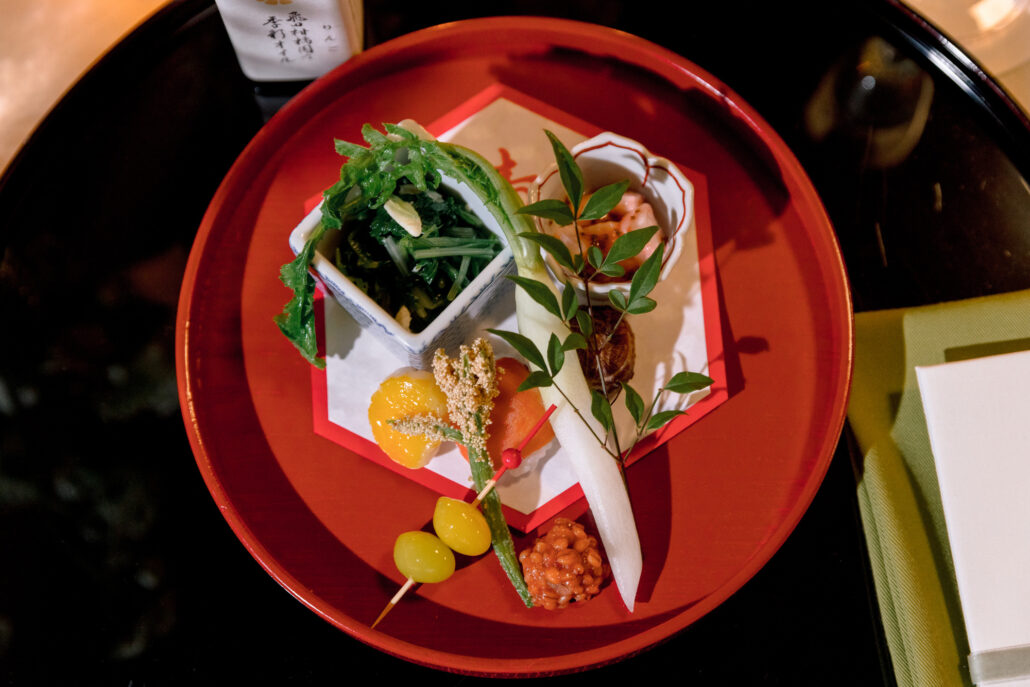
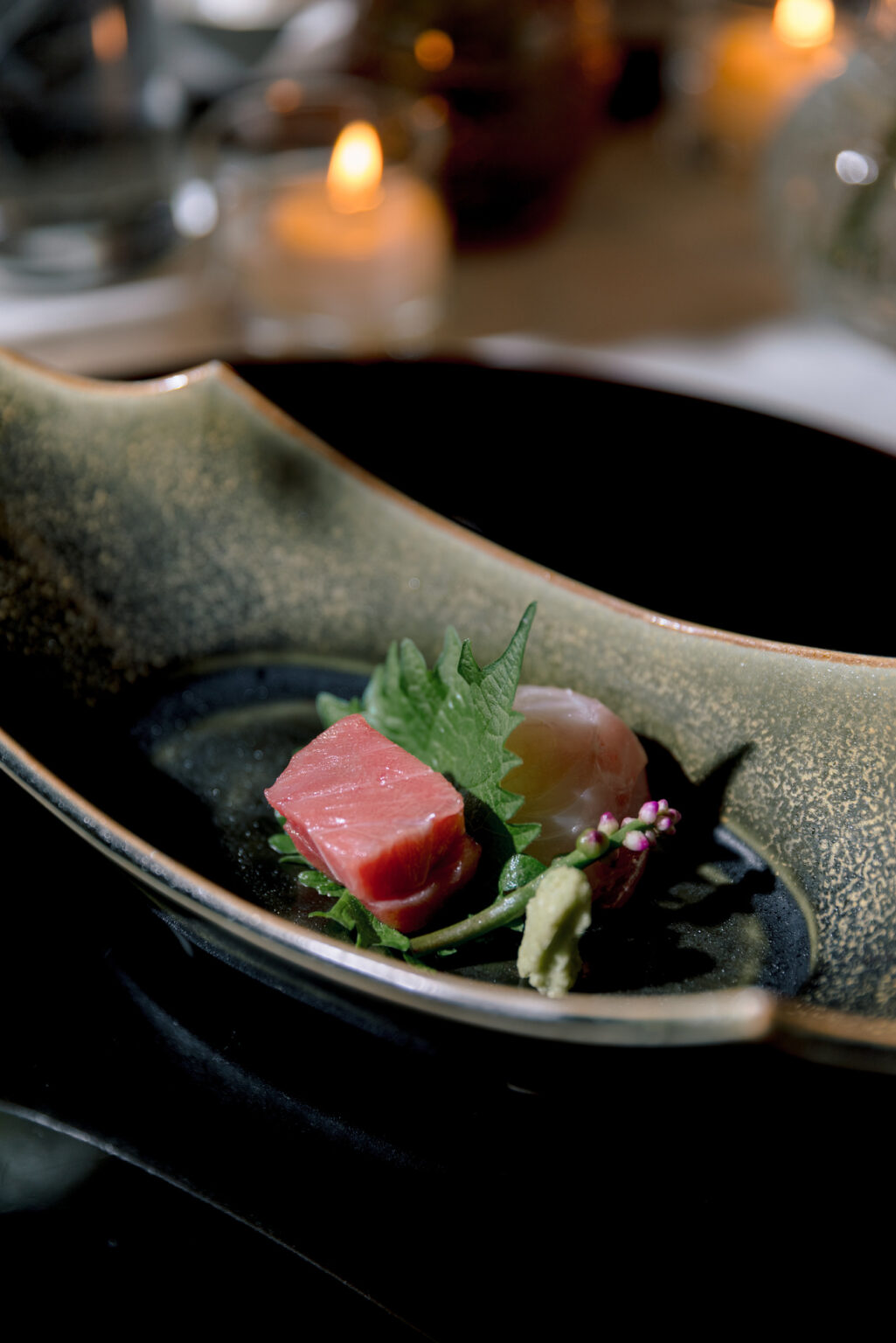
Any one of them, on its own, would be kuchisabishii. Together, they’re a dinner nobody leaves wanting.
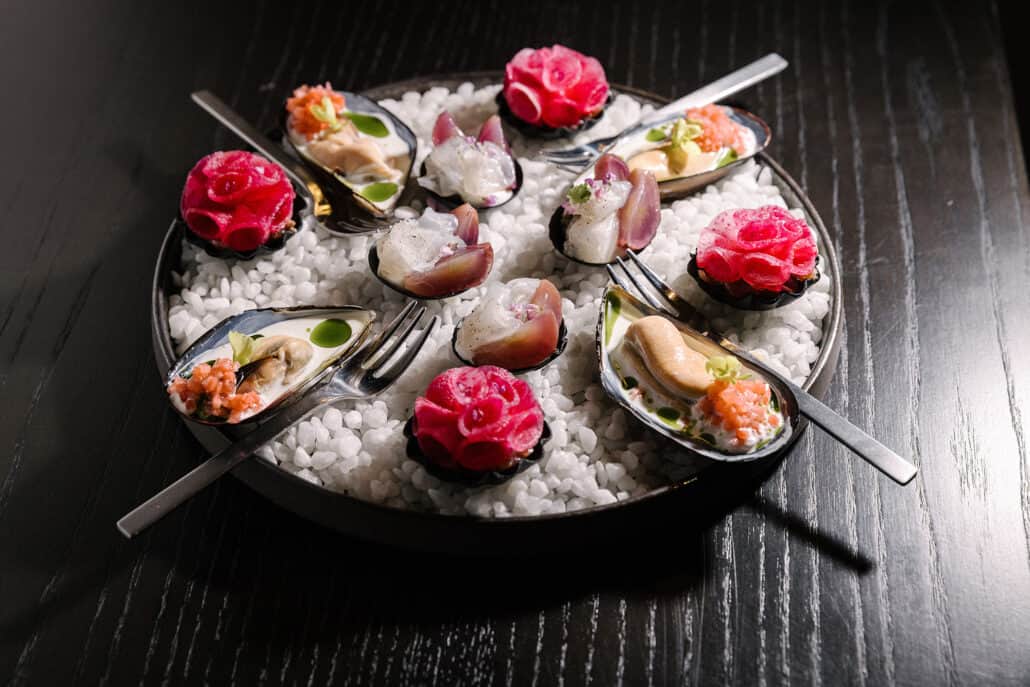
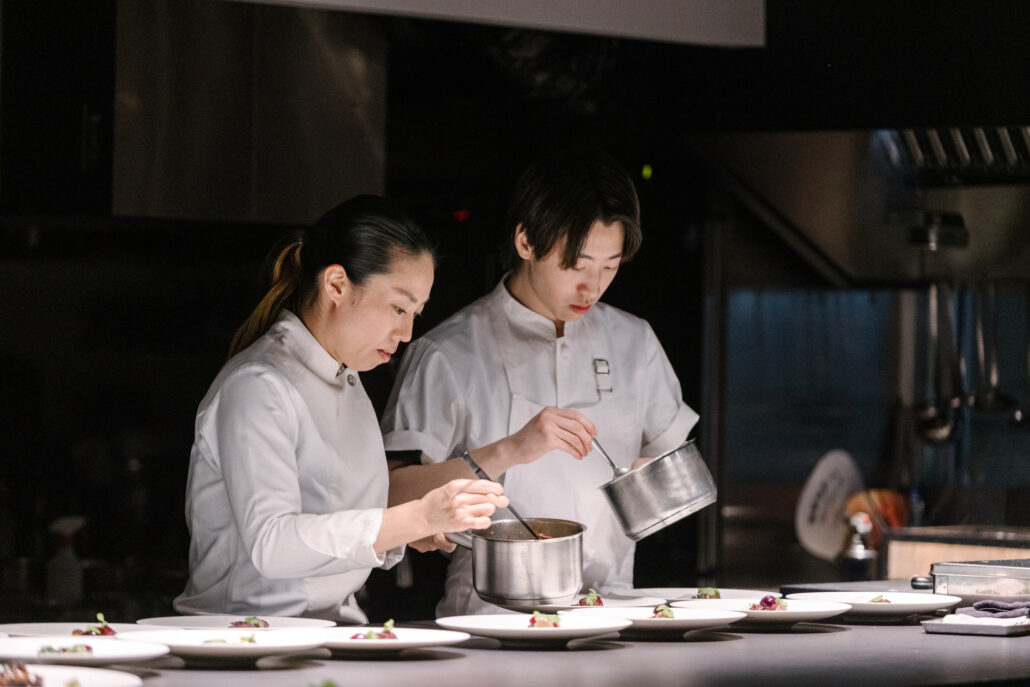
It isn’t only kaiseki. The bride and groom at one of our weddings in a Yamanashi village were both chefs, and the night after it they sat at the chef’s table at JULIA in Tokyo. For once the two of them were on the other side of the counter, watching small courses take shape, and letting another kitchen take care of the evening.
No Head Table
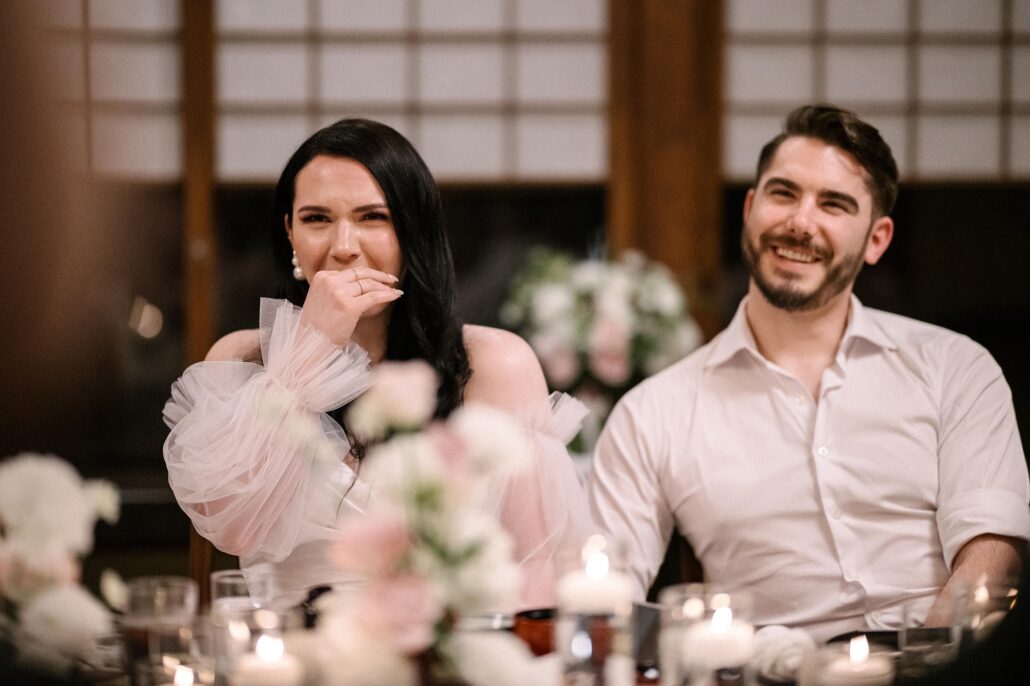
At one of our weddings at Jinya, there was no head table. Four long tables ran the length of the room, and the couple moved to sit at a different one every course or two. No single table had them all evening. A kaiseki kitchen would recognise the idea.
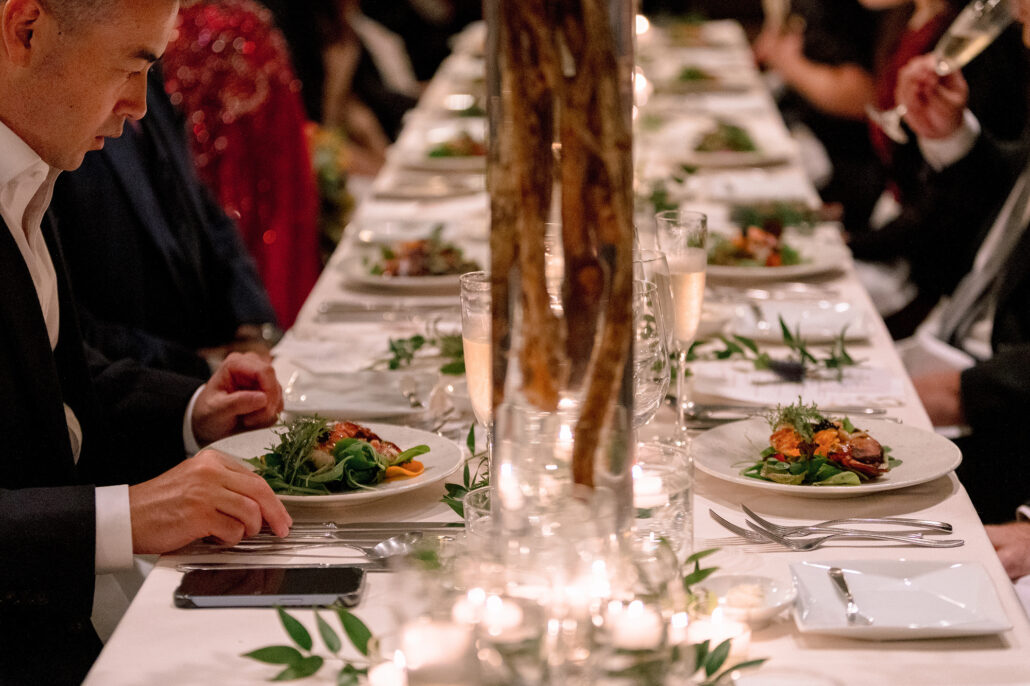
It’s the kind of decision we make with a couple long before anyone sits down. Think about your own guest list for a moment. Who at that table will know only the two of you?

A lonely mouth is a small lack, and a word that admits it. The man in that 1779 play put food before romance. At a wedding table, nobody has to choose.
More from our Japanese word series: ma, the space between things; omotenashi, looking after a guest; and tsundoku, the books we buy and never read. Every word in the series is gathered in Beautiful Japanese Words.