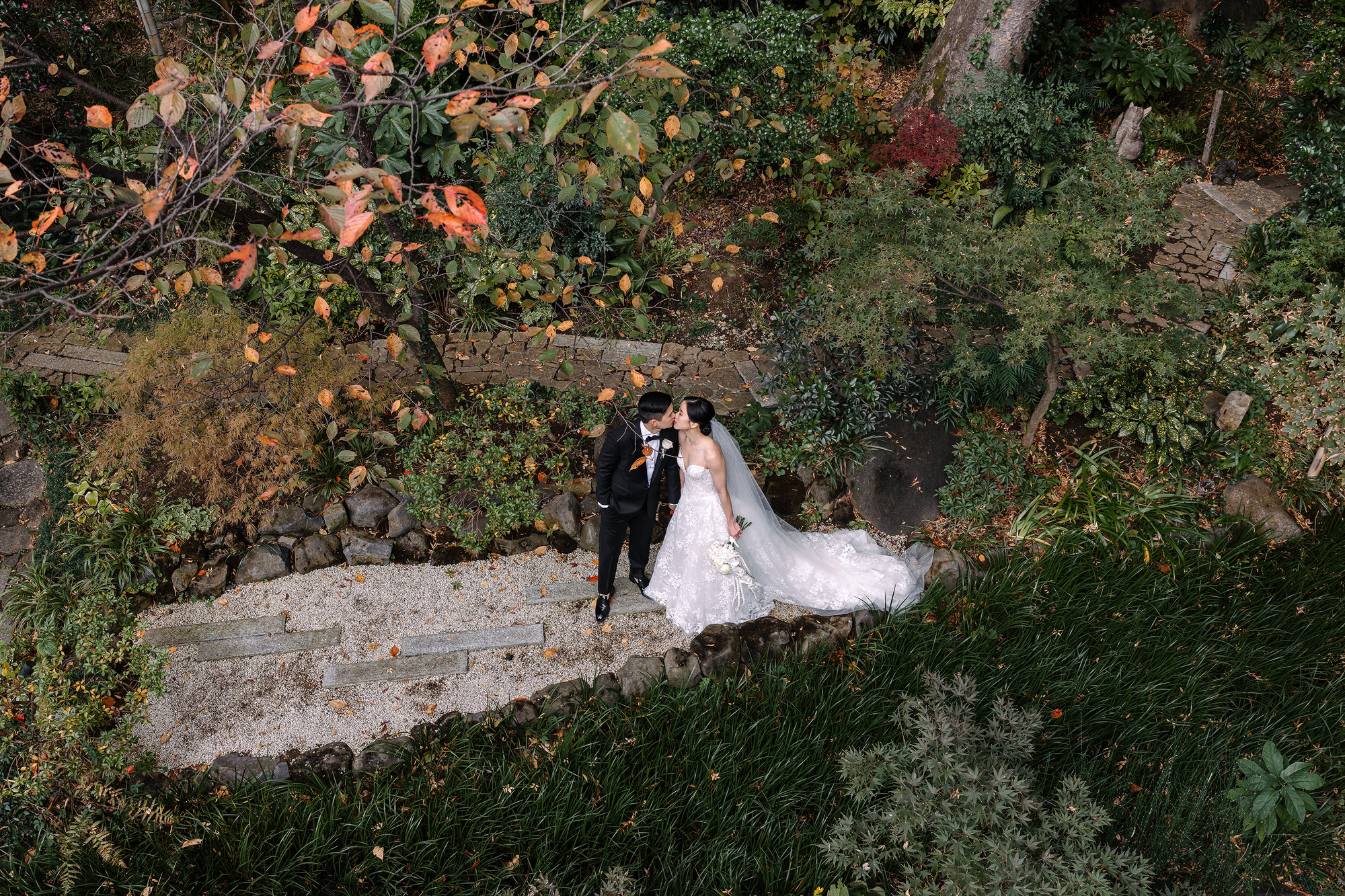
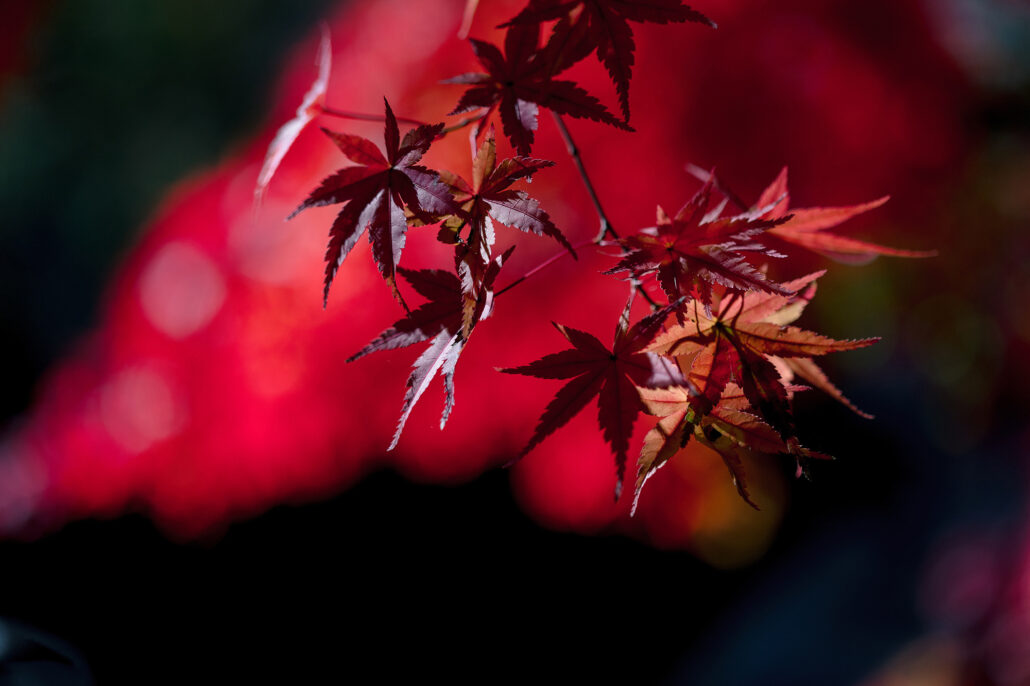
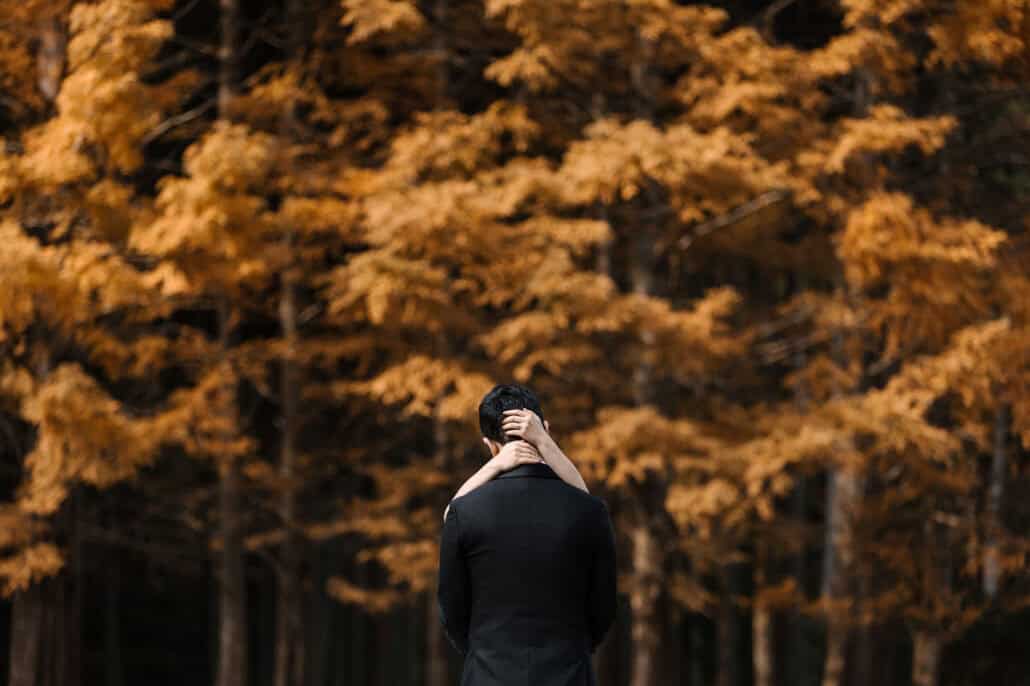
Every autumn, a Japanese maple does something that looks like a mistake. The yellow in its leaves was there all summer, hidden under the green, and it shows through once the chlorophyll breaks down. The red is different. In the last weeks before the leaves fall, the tree makes red pigment from scratch, spending energy on leaves it is about to let go.
For a long time botanists couldn’t see the point. The leading answer now is protection: the red seems to work like sunscreen, shielding the leaf in the cold bright days of autumn while the tree draws its nutrients back into the branches for winter. The colour that brings so many people into the mountains every November is a tree looking after what it is about to lose.
Japan has a word for what you feel standing underneath it. Mono no aware.
What Mono no Aware Means
The phrase is usually translated as “the pathos of things,” which makes it sound sadder than it is. Aware began as an exclamation, a sigh of feeling, something close to “ah.” Mono no aware is that sigh, drawn out of you by the world: the feeling of being moved by something precisely because it won’t stay.
The idea is old, but it was the scholar Motoori Norinaga who gave it its place in Japanese thought. In the late eighteenth century he argued that the heart of The Tale of Genji, written nearly eight hundred years earlier, was mono no aware, and that to know it was to be a person capable of being touched. For Norinaga it wasn’t only sorrow. Joy counted. Delight counted. What mattered was that you let the world reach you.
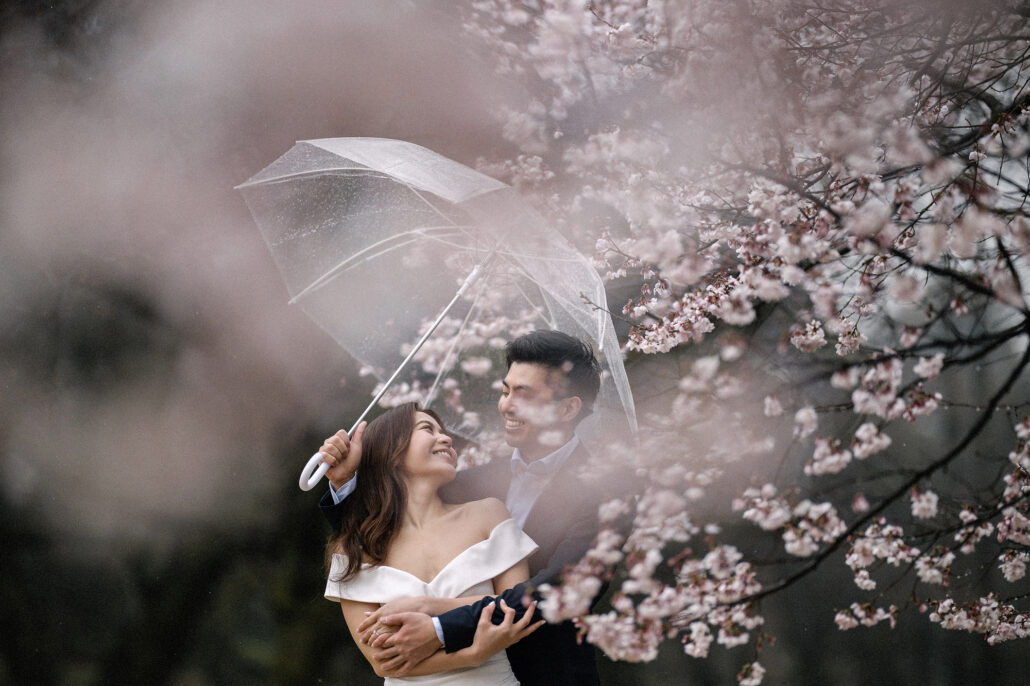
You can see the idea at work across the Japanese year. Crowds sit beneath cherry trees knowing the blossom will be gone within a week, and that knowledge is part of the picnic. Families drive into the mountains in autumn to look at leaves that will be on the ground within weeks. The old almanac divides the year into seventy-two seasons of about five days each, which is what a calendar looks like when a culture has decided that change is worth noticing in detail.
The Season You Are Standing In
Nobody thinks to apply mono no aware to their twenties. It belongs there more than almost anywhere.
There is a first flat, with a shower that never quite gets hot and a radiator that sounds like something small is trapped in the wall. One day you will miss it with an intensity that embarrasses you. What you’ll miss is the feeling of a place that was entirely yours for the first time, where your good taste and your bad taste lived together without anyone else’s opinion. Right now the landlord isn’t answering messages, so it’s hard to see.
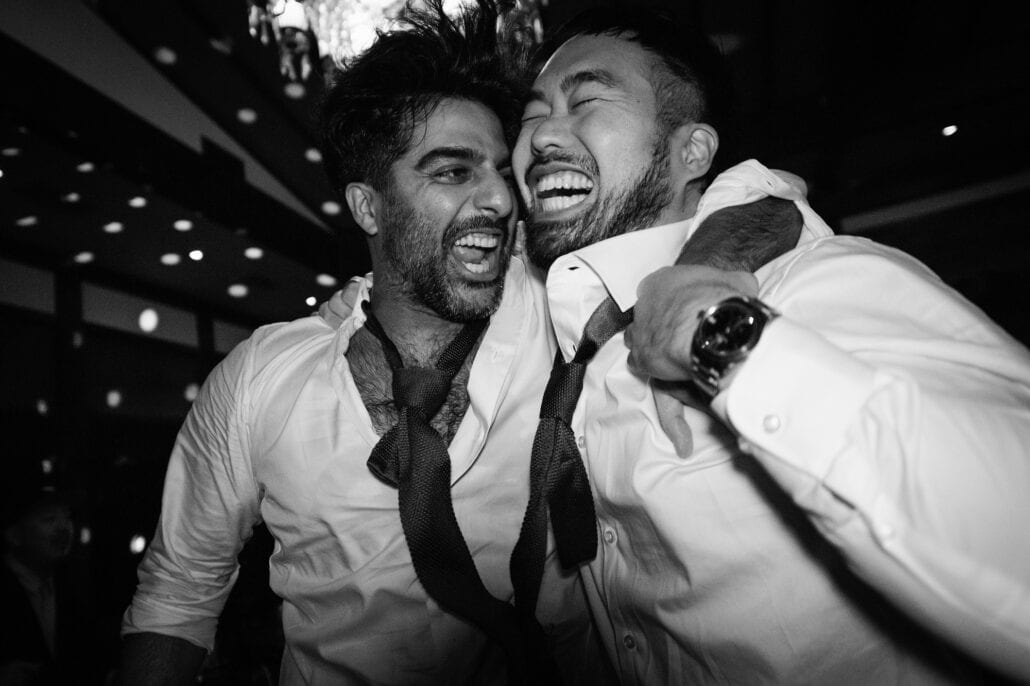
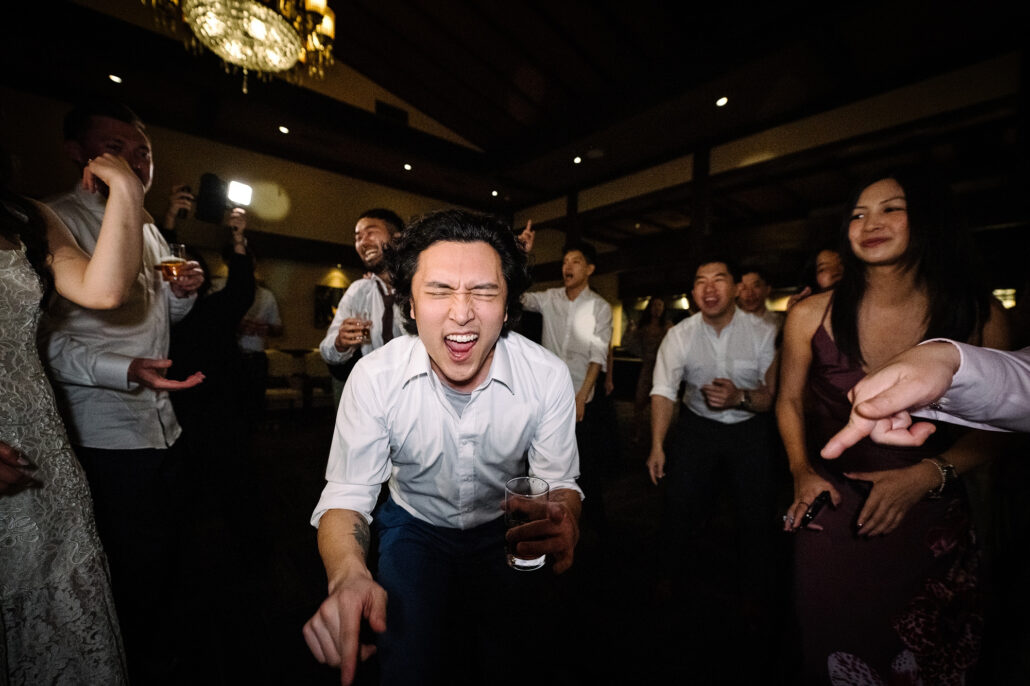
There is a group of friends you see four times a week without arranging it, because everyone lives close enough that turning up takes no effort. That ease belongs to a particular decade. Jobs move to other cities. Partners shift the centre of gravity. Children rearrange everything. The friendships last, mostly, but the version where everyone simply appears on a Tuesday quietly becomes something you remember.
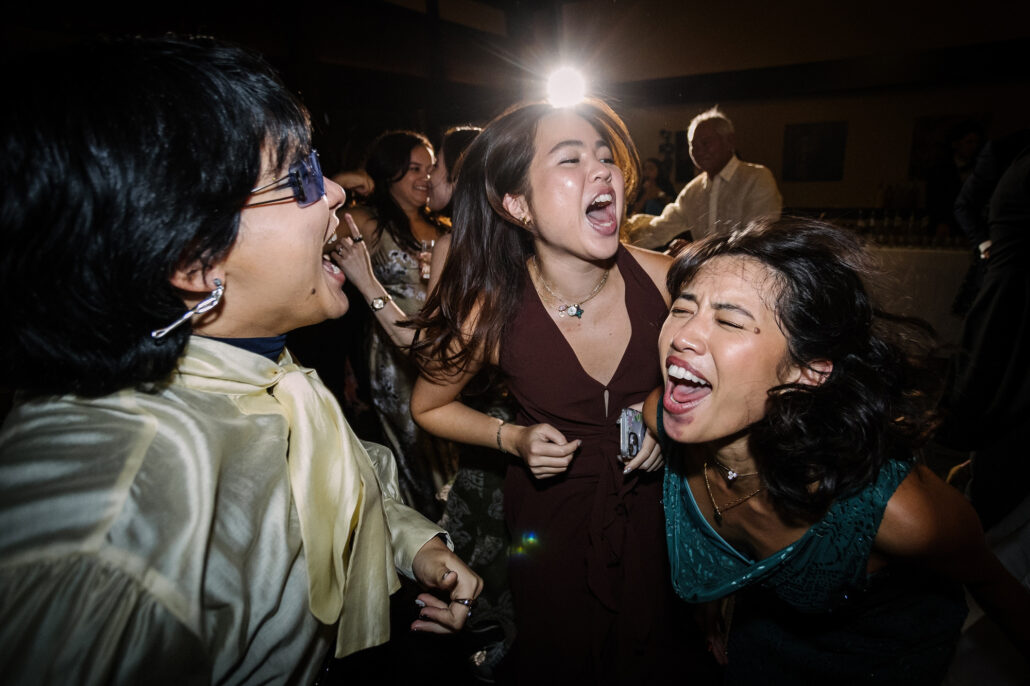
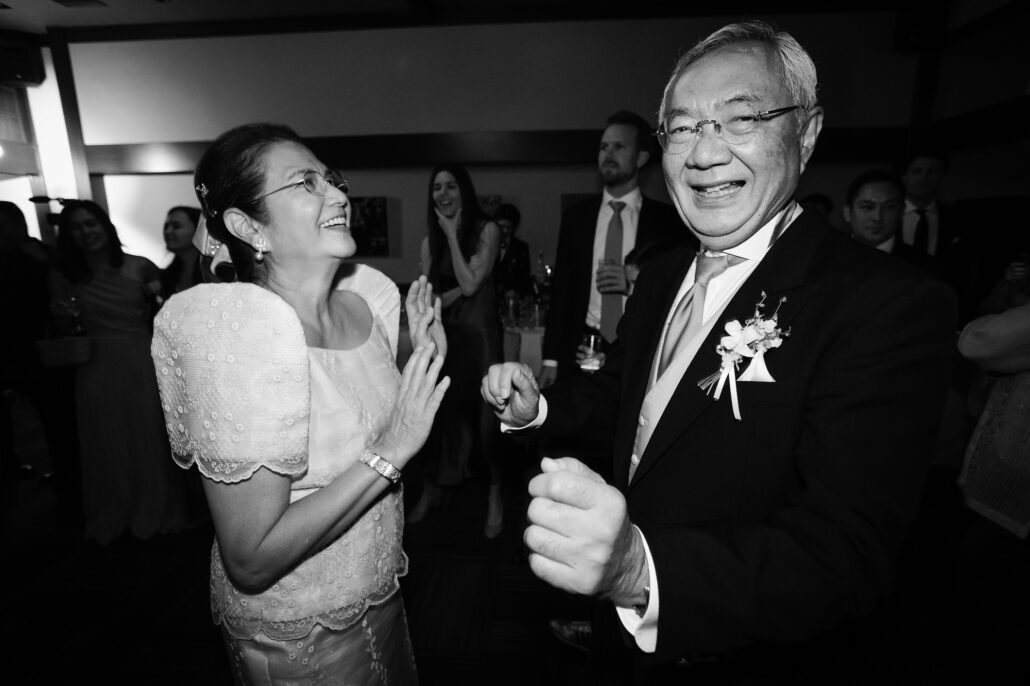
And there is a body that recovers from anything: four hours of sleep, a terrible dinner, a night that ends after the trains have stopped. The twenties body is a loan. The thirties body is the repayment.
None of this is a reason to be anxious. It’s a reason to look. The blossom falls either way. Knowing it will is what makes you look up.
The blossom falls either way. Knowing it will is what makes you look up.
Marking the Season
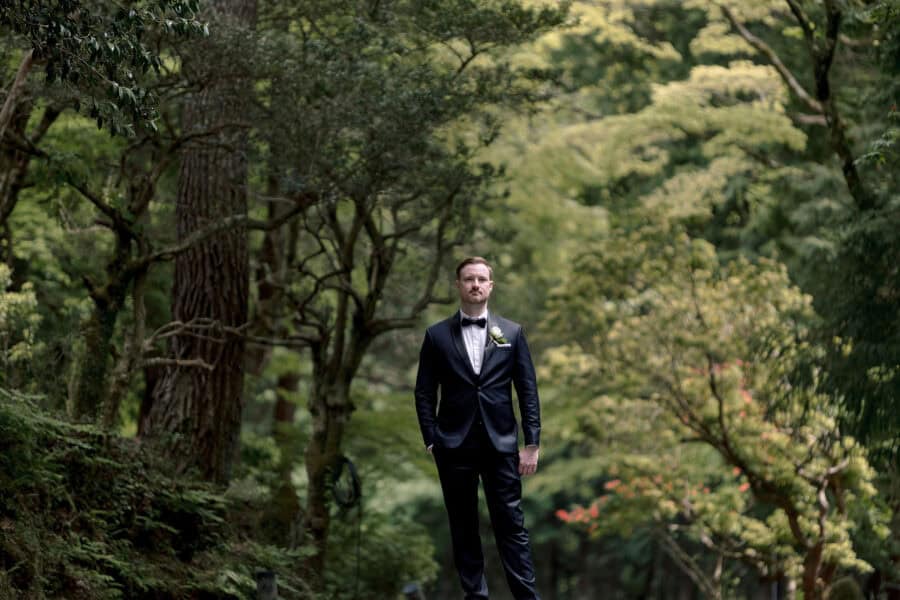
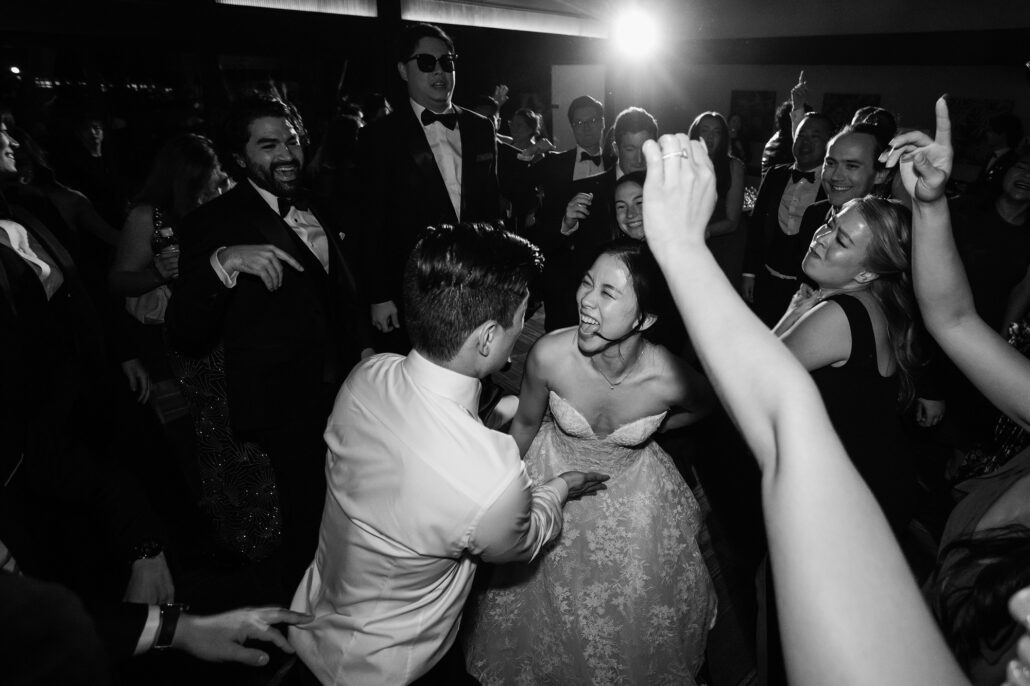
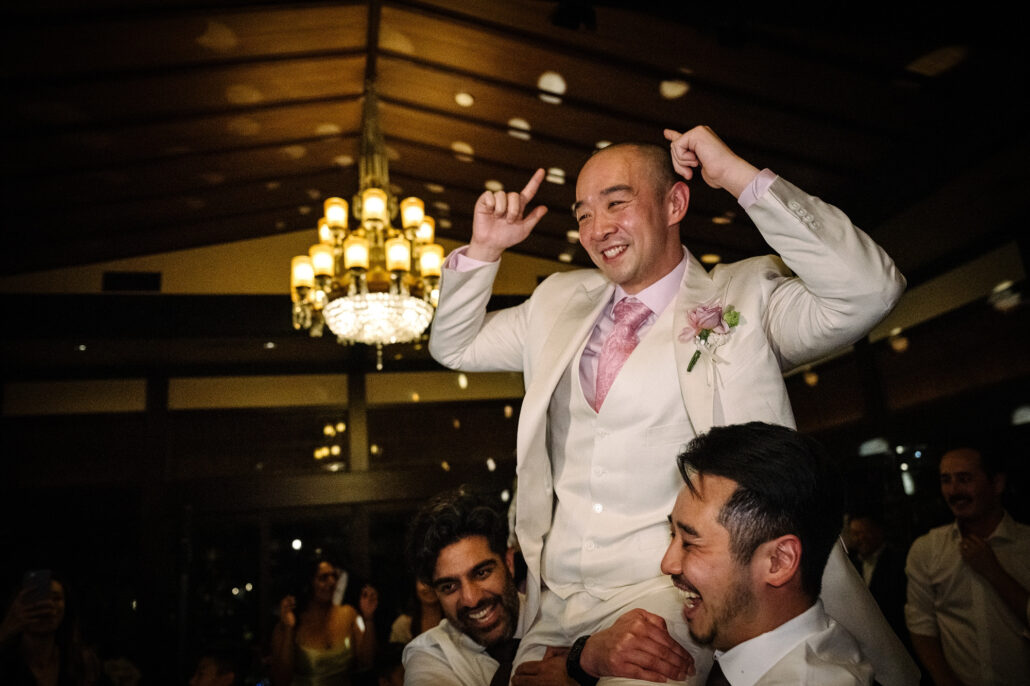
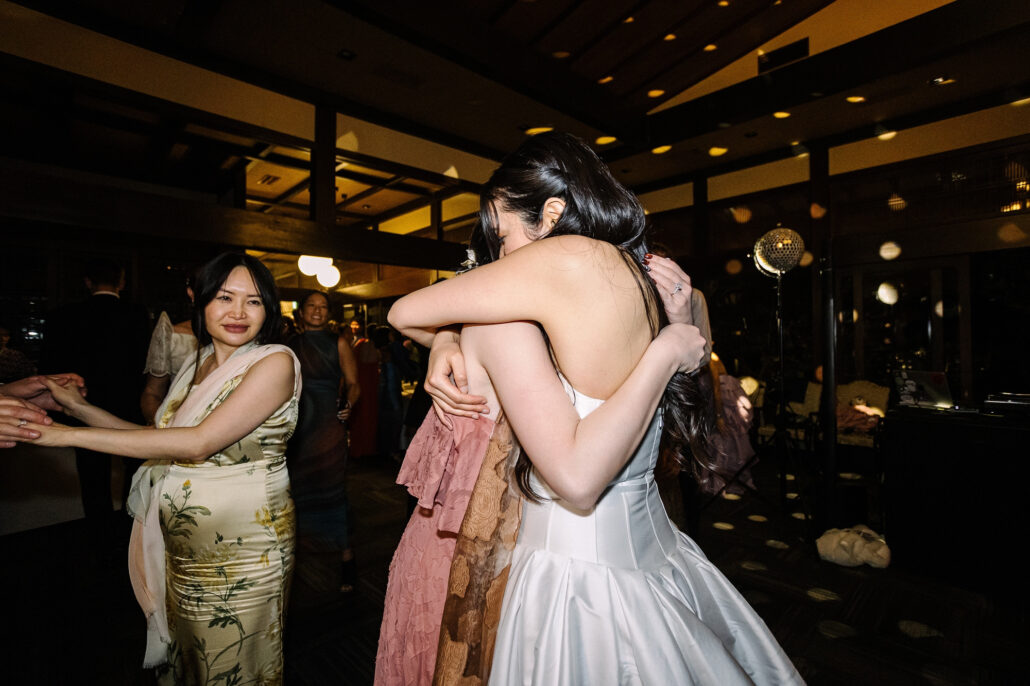
Mono no aware is also the best argument we know for celebrating. A wedding is one of the very few moments in a life when people stop, deliberately, to mark where they are. This version of you, with these friends, this energy and this willingness to fly to the other side of the world for something that matters, is happening now. The people in the room have never been gathered in quite this way before. By the next celebration the gathering will look different, and some of the friendships will have moved on to their next season. The day doesn’t stop any of that. It simply says, out loud and in front of everyone, that you noticed.
The day doesn’t stop any of that. It simply says, out loud and in front of everyone, that you noticed.
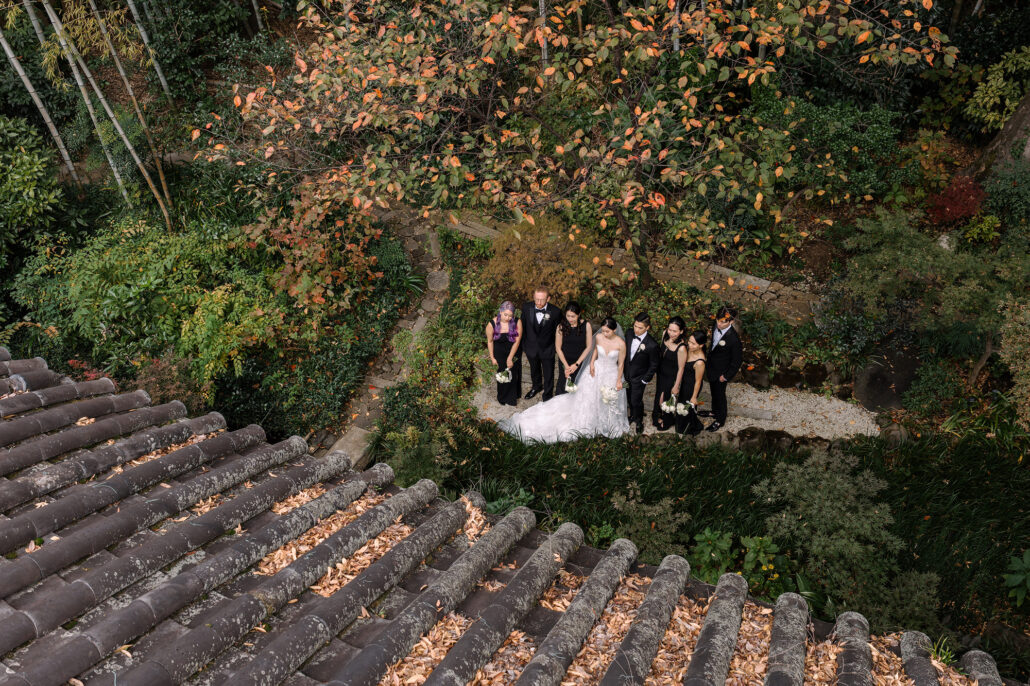
That’s what we keep when we photograph and film a wedding: the season, as much as the event. The grandmother’s hand on her grandson’s sleeve. The friend group that will never again all live within walking distance of each other, dancing badly in the same room. The light on a particular week in a particular year, which won’t come round again.
The Last Weeks
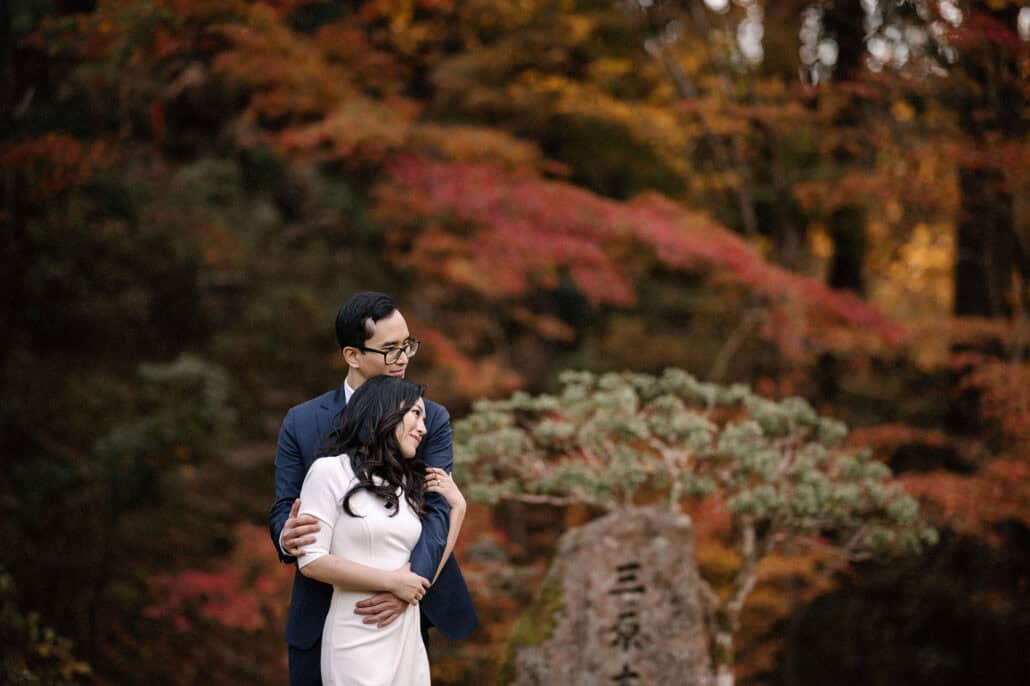
Before the maple lets go, it spends what it has on the last weeks, making the most of the leaves it is about to lose. Then the wind takes them, and the tree carries what it saved into winter.
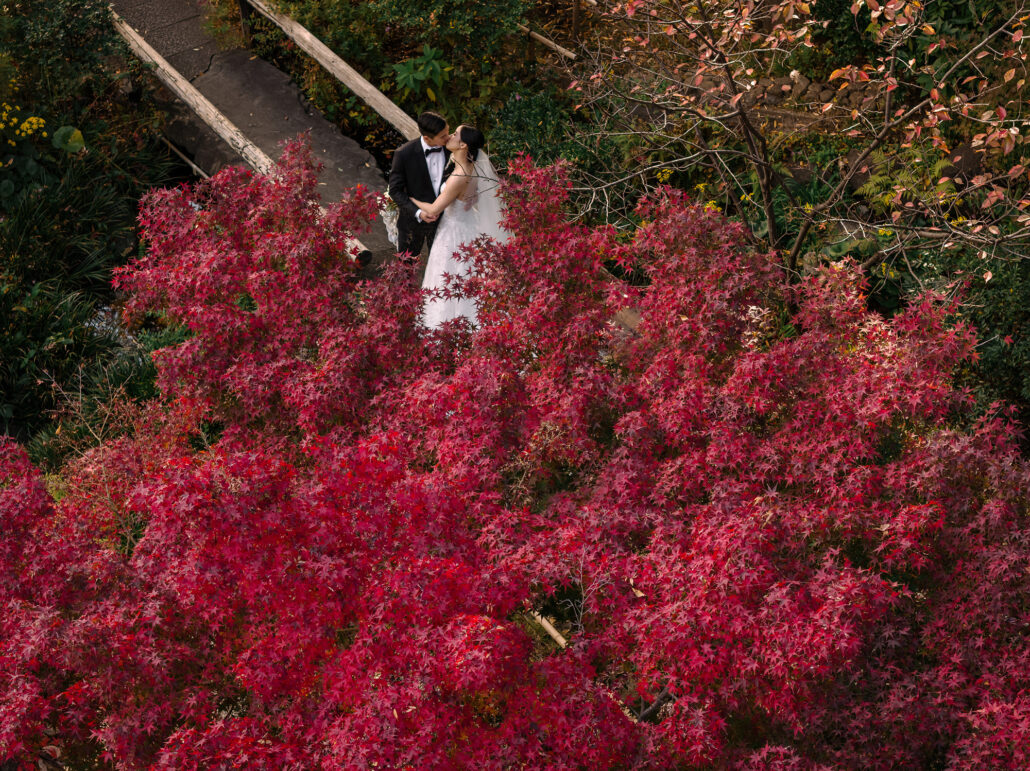
Mono no aware asks something similar of us. Notice it fully while it’s here: the flat, the friends, the decade, the day you gathered everyone you love into one place. Then carry it with you.
More from our Japanese word series: wabi-sabi, beauty in imperfection; ichi-go ichi-e, the unrepeatable moment; and yūgen, the feeling beneath the feeling.