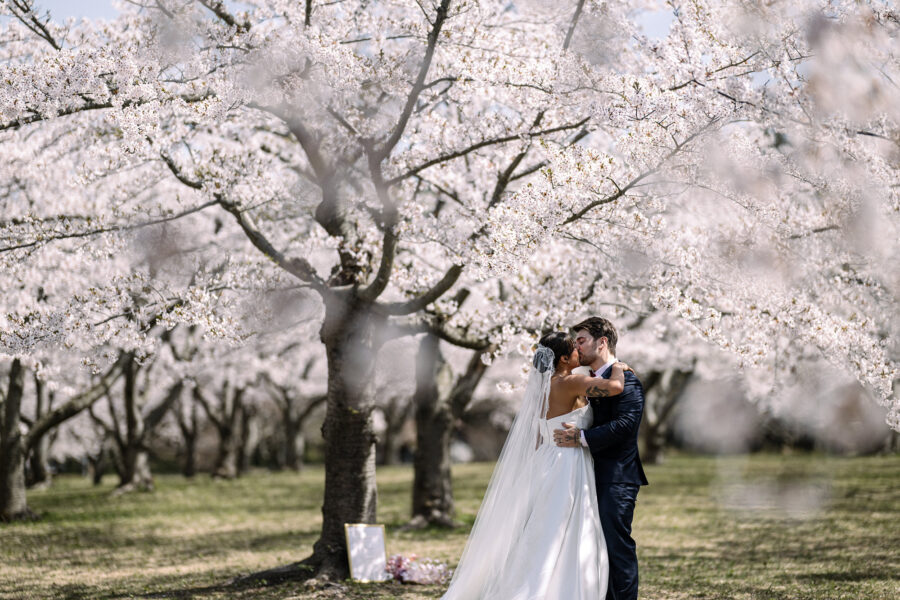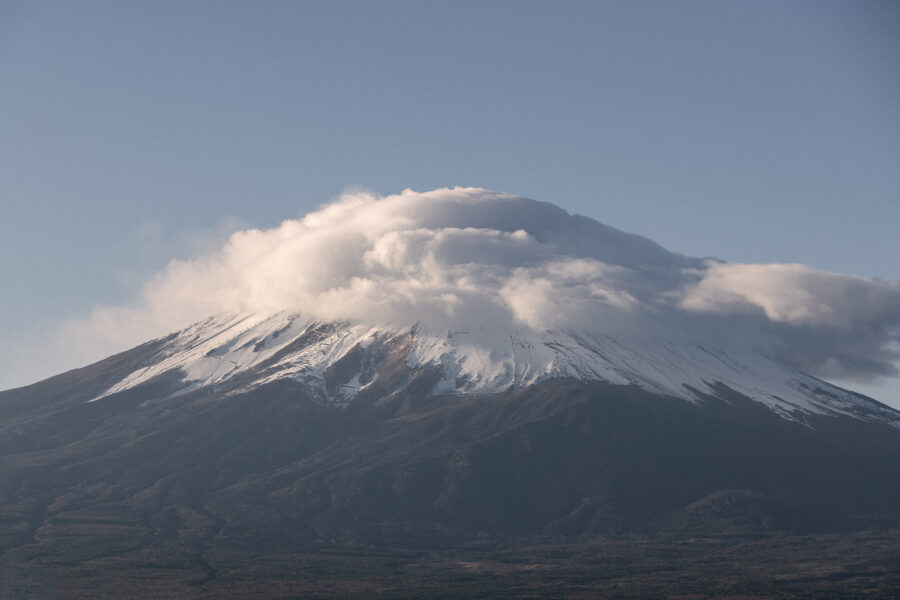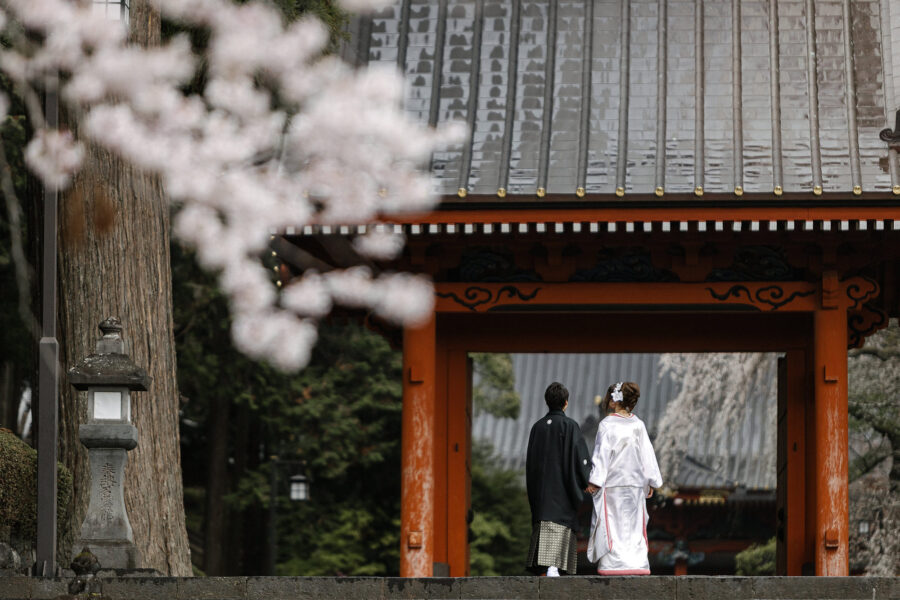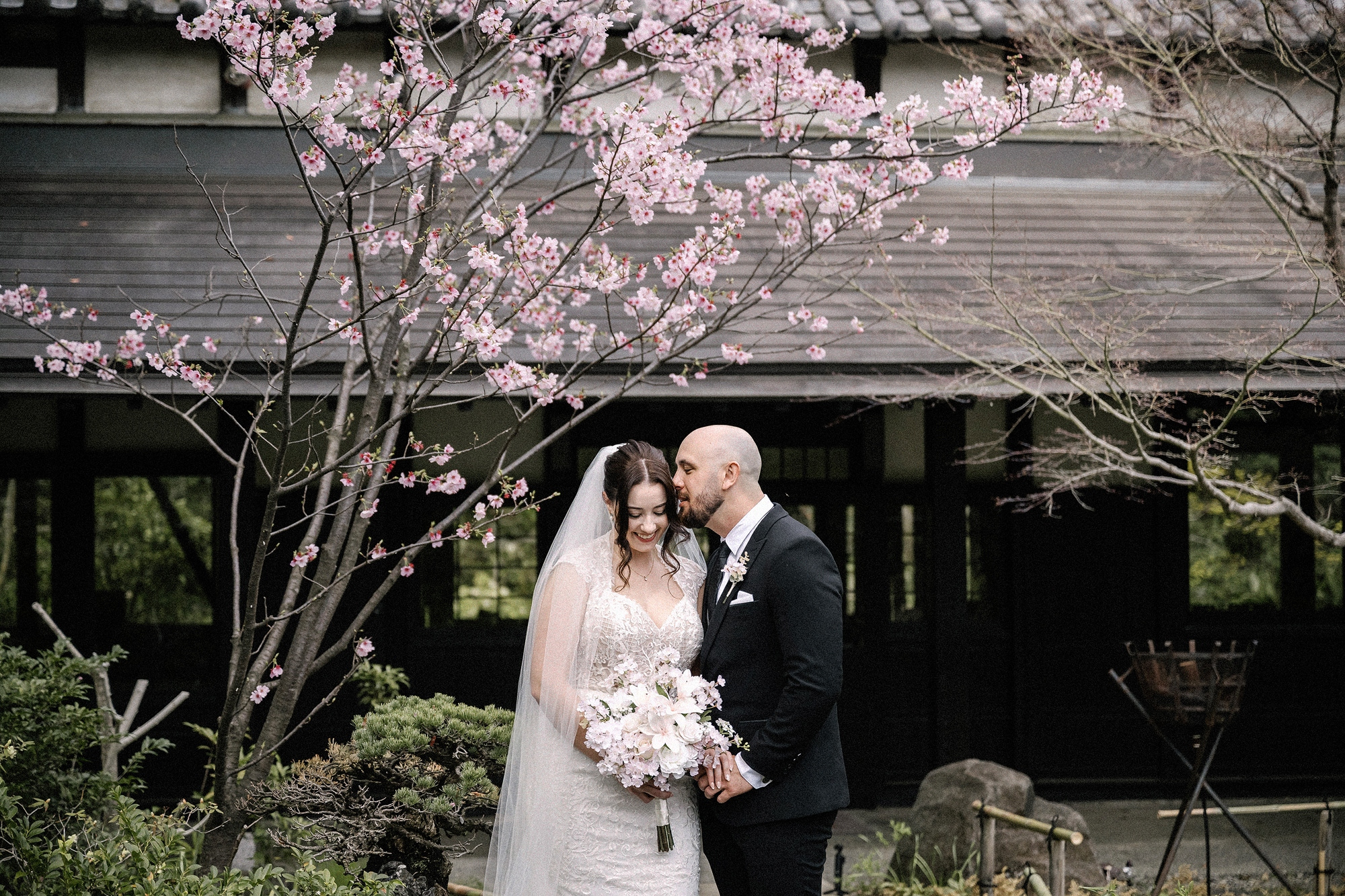
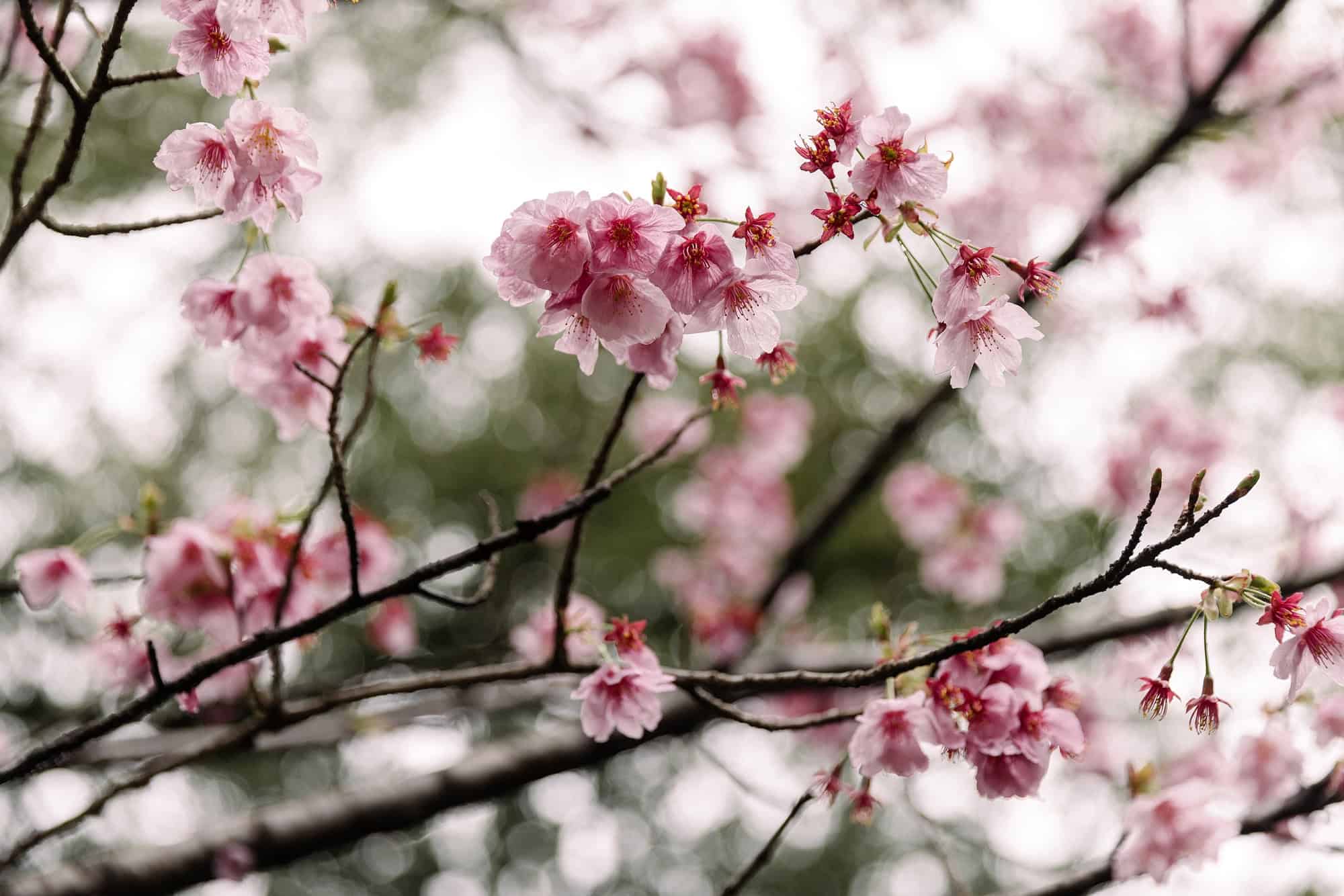
Tokyo’s cherry trees open, on average, on the 24th of March. That’s the Japan Meteorological Agency’s thirty-year normal, and full bloom follows about a week later. In 2023 they opened on the 14th. In 2024 they opened on the 29th.
Fifteen days. That’s the swing between two springs in one city.
It’s also the first lesson in how far in advance to plan a wedding in Japan. A couple who asks us for blossom is asking for a handful of days that nobody can name a year ahead, including the people whose job it is to measure them.
So here’s our answer. For a wedding with guests, secure your date up to eighteen months out, especially for peak blossom or peak autumn colour, and plan across the twelve months before the wedding. An elopement can come together in less. Japan sets the season, its best places host one celebration a day, and its right doors open through relationships built over years. The year before the wedding is the first part of the trip, and this guide is where that year goes. If you’re still at the stage before dates and venues, start with the things couples wish they knew before planning a wedding in Japan.
How Far in Advance Should You Plan a Wedding in Japan?
The couples we plan for in spring and autumn usually write to us a year or more ahead, often before they’ve contacted a single venue. That’s the right order. A Japan wedding planner should know which gardens keep their light longest, which inns give the whole house to one party, and which hillside will be crowded the week you want it. Our guide to wedding venues in Japan goes deeper.
Shorter runways do work, more often outside the peaks and at places built for scale. One couple got engaged in Vancouver in February, and their Tokyo hotel wedding for seventy-three guests from three continents came together in about eight months. A great hotel is built for certainty. A ryokan that gives itself to one party a day, or a lakeshore that needs a permit, keeps a different clock, and that’s where the months go.
We book far in advance on purpose, and we plan inside a set window. The places we work host one celebration a day, and so do we. We’re a small team. Each spring we take on one or two large productions and a handful of smaller celebrations around them, and autumn is much the same. Those peak dates go quickly. We’d rather tell a couple plainly that a date has gone than say yes to a day we can’t give everything to.
So couples can book us up to eighteen months ahead. That holds the date, and it holds us. Planning begins a year out, because most wedding venues in Japan won’t take a booking any earlier than that. A few will. Over the years we’ve built close relationships with some of the best Japanese wedding venues, and they’ll open a date to our couples sooner. It’s one more reason to come to us before you approach a venue yourself. Until the planning year begins, the date is yours to share, and it’s a good time to tell your guests.
Why Japan’s Calendar Decides More Than You Do
Japan doesn’t negotiate its seasons. The old almanac divides the year into seventy-two seasons of about five days each, and wedding planning in Japan still feels a lot like that. You choose the week. You never choose the bloom.
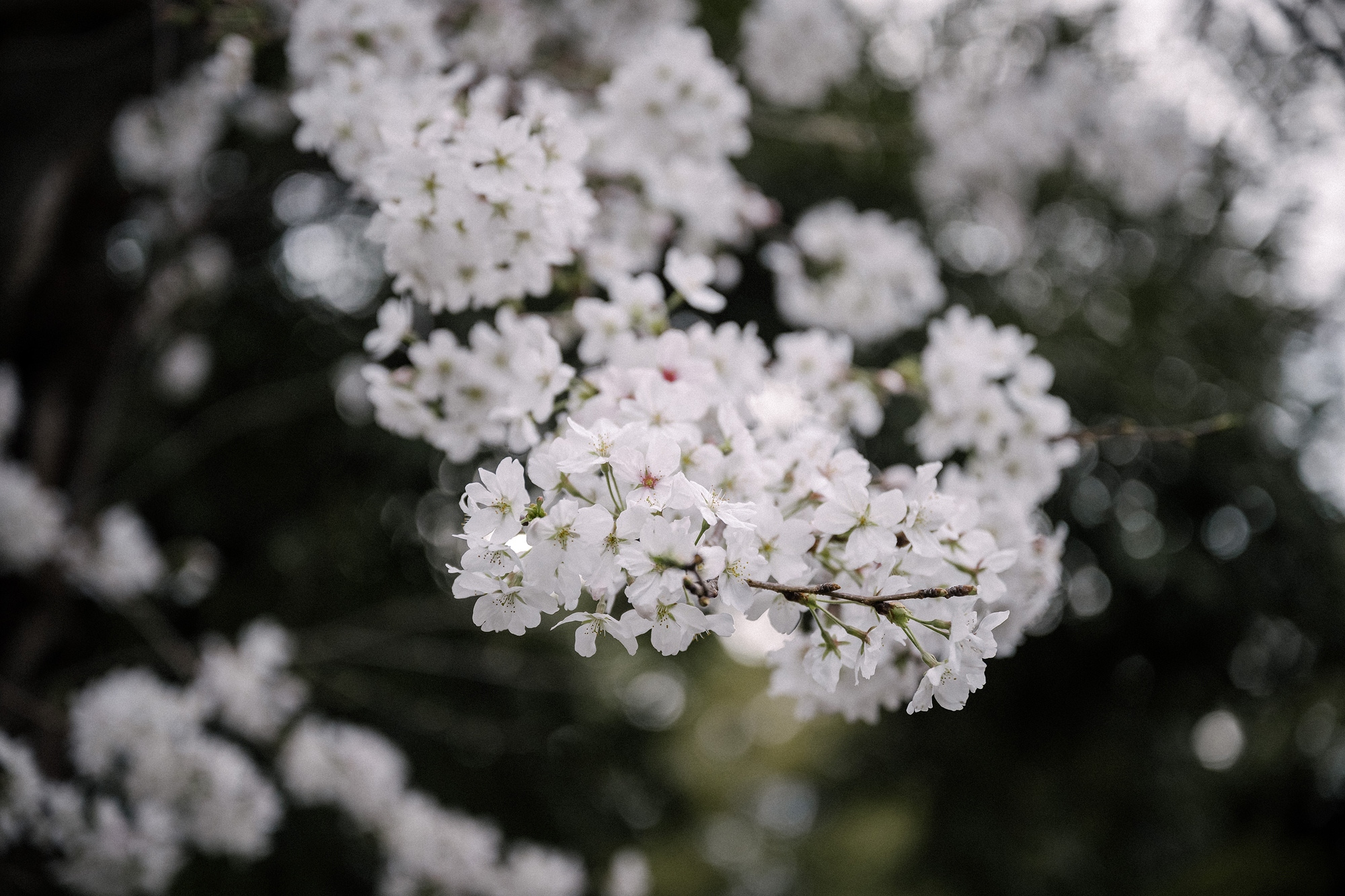
The weather agency stopped publishing cherry blossom forecasts in 2010, and private forecasters took over. The first private forecast for spring 2025 came out in January, long after most spring weddings were dated. So we plan the week around the season and the light, and give the day somewhere good to go whether the trees are early, late or on time.
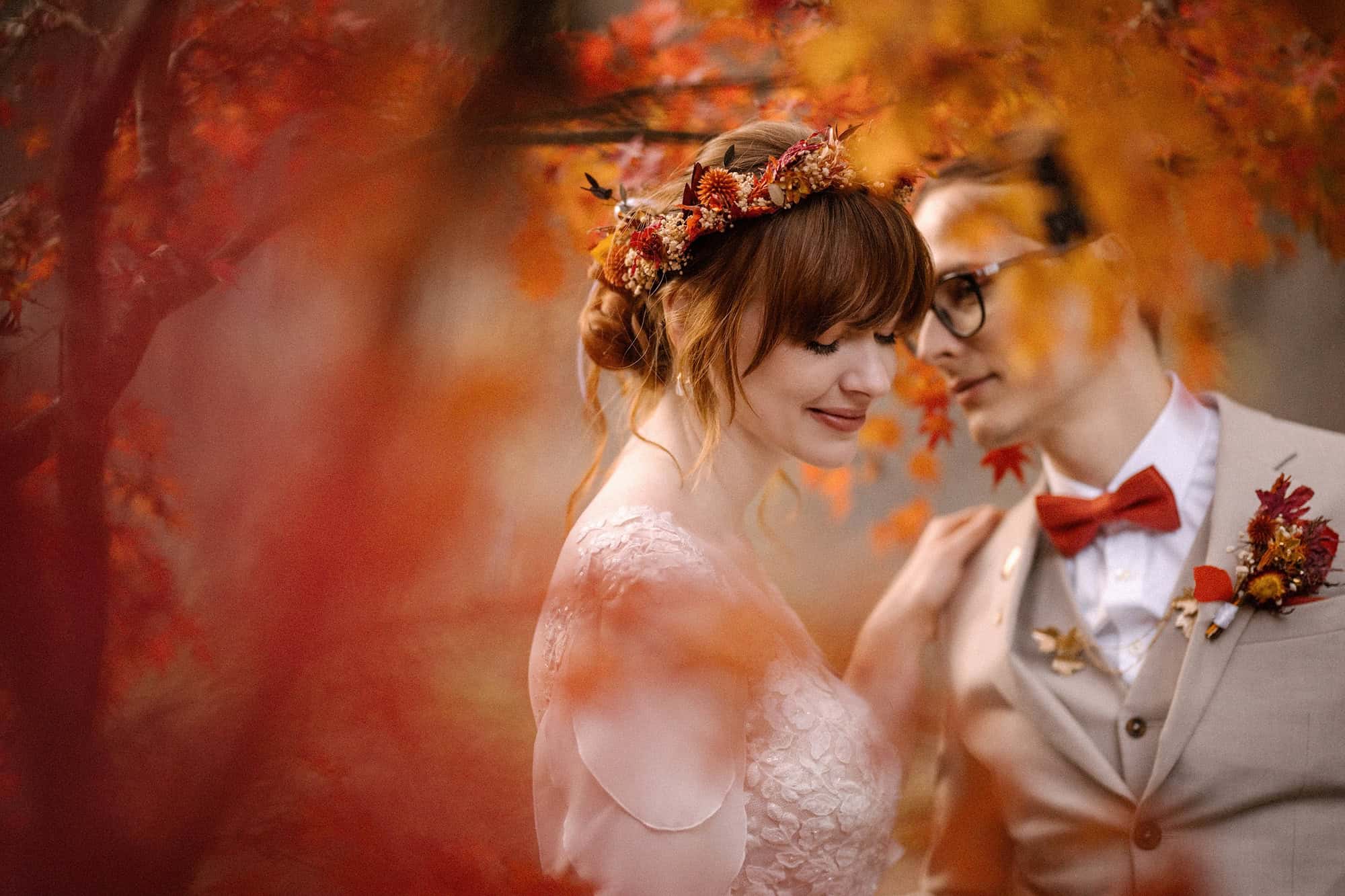
Blossom also moves north. The agency’s normal for full bloom is the 31st of March in Tokyo, the 4th of April in Kyoto and the 26th of April in Aomori. Autumn runs the other way, from the mountains down. Tokyo’s maples normally colour around the 28th of November and Kyoto’s in the first week of December, and Kyoto’s peak, from late November into early December, fills the city. Start early, and those differences become real choices.
Then there are the weeks Japan keeps for itself. Around Tokyo, the rainy season normally runs from about the 7th of June to the 19th of July. Golden Week, the national holidays at the turn of April and May, is the busiest travel period after New Year, and Japan’s tourism board advises booking rooms well ahead. None of this rules a season out. It shapes who needs to book what, and when.
Venues That Hold One Celebration a Day
The places our couples fall for were never built for volume. A ryokan given whole to one wedding, a garden house that seats twenty, a villa that hosts one party a day: each has exactly as many dates as the calendar does, and the peak weeks go first. That scarcity is the point. A couple from Wales wrote to us wanting to elope in spring, “just us two”. That spring was already full, so they came back a year later and asked for the next one. For another couple, spring was already spoken for, and the middle of June became theirs, in the rainy season’s deep green.
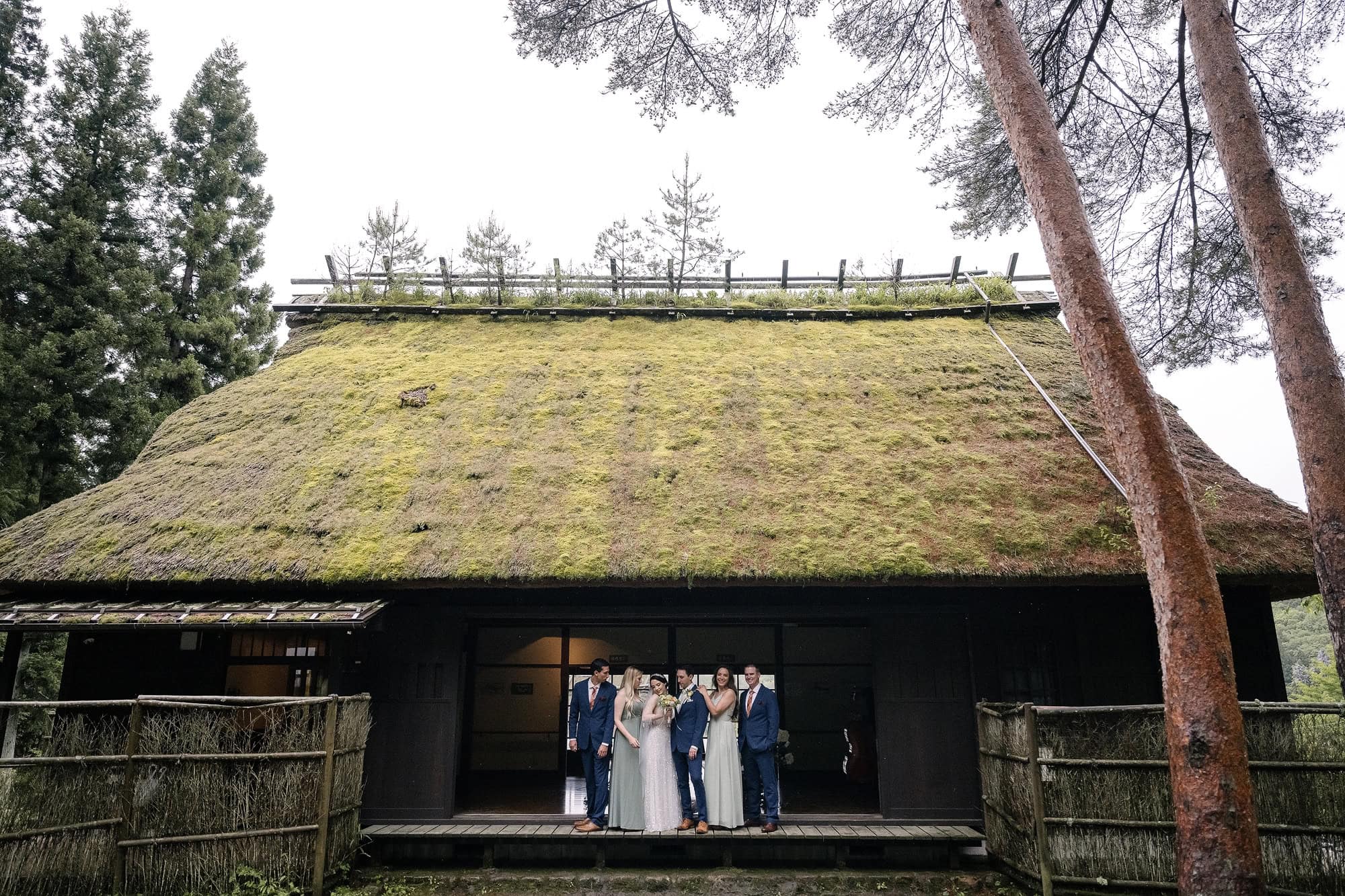
Some of the most beautiful ground in Japan isn’t a venue at all. A public shore, a city park, a hillside that belongs to a shrine: each answers to someone, and permission is counted in months, not days. Japan is generous with these places, on its own terms. Time is what lets us meet those terms quietly, so that on the day a couple meets the place and nothing else.
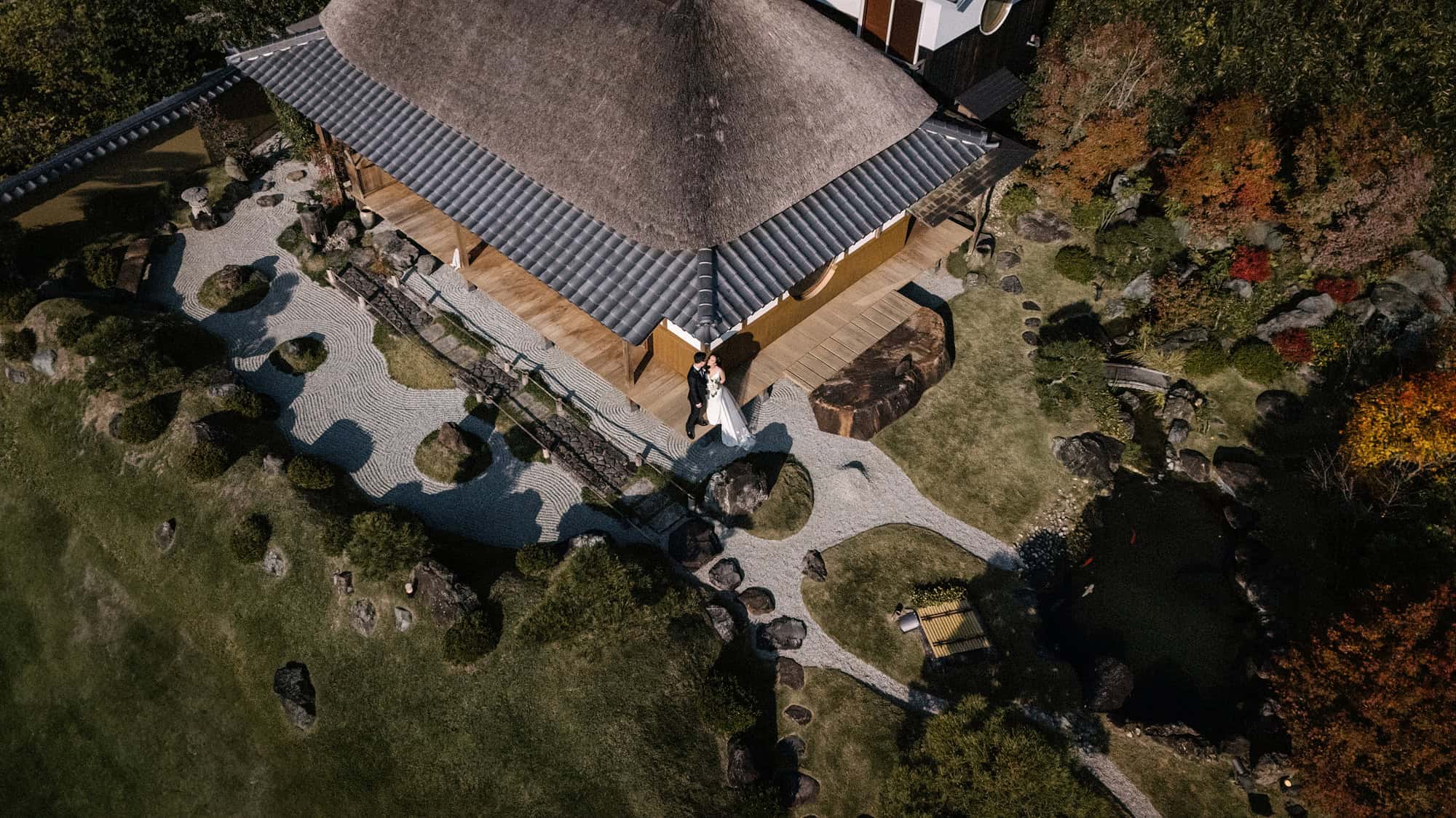
And some doors don’t appear in any search. They open through people who have known us for years, at the pace those relationships keep. We start those conversations early.
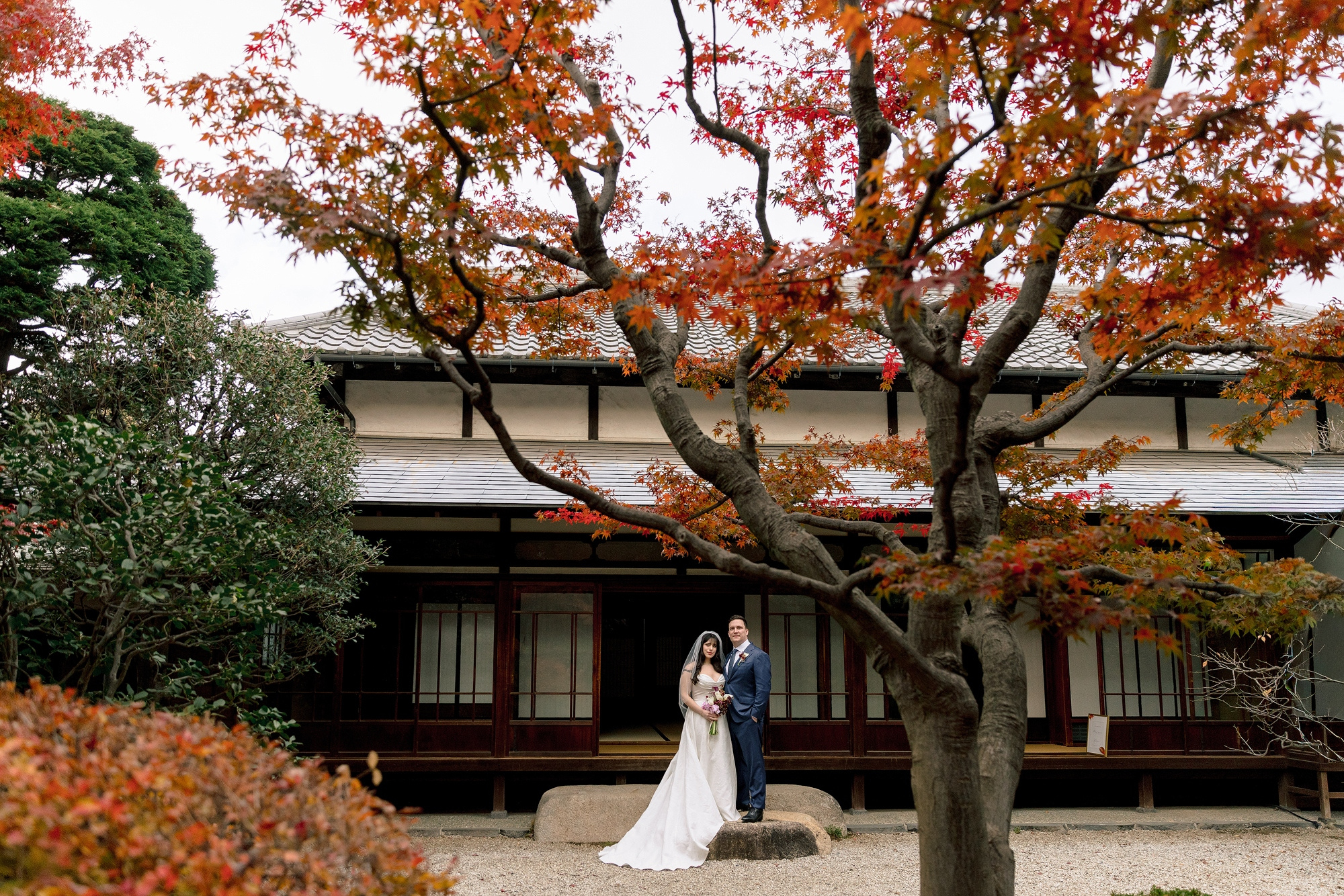
What the Lead Times Looked Like for Our Couples
A couple from New Zealand first wrote to us more than a year before the wedding. Within two months the ground was chosen: an old ryokan at the foot of the Tanzawa mountains, for the last days of March. That left most of a year for everything that made the day theirs. They gave Japan time afterwards, too: three weeks after the wedding, the bride wrote to us from the road, on the way to Kanazawa.
A couple who crossed the Pacific with four friends found us in the autumn of 2021, asking for the spring of 2023. That was nineteen months for one date, much of it with the borders closed. In the final month the shrine hillside they’d chosen above Lake Kawaguchiko became unavailable, and in the week of the wedding the forecast turned to rain. The ceremony moved twice. The date never did. They didn’t carry a single one of those decisions, and they spent the days before it travelling Japan with their friends.
That’s what a long runway buys. The plan can change underneath a couple without the day changing for them.
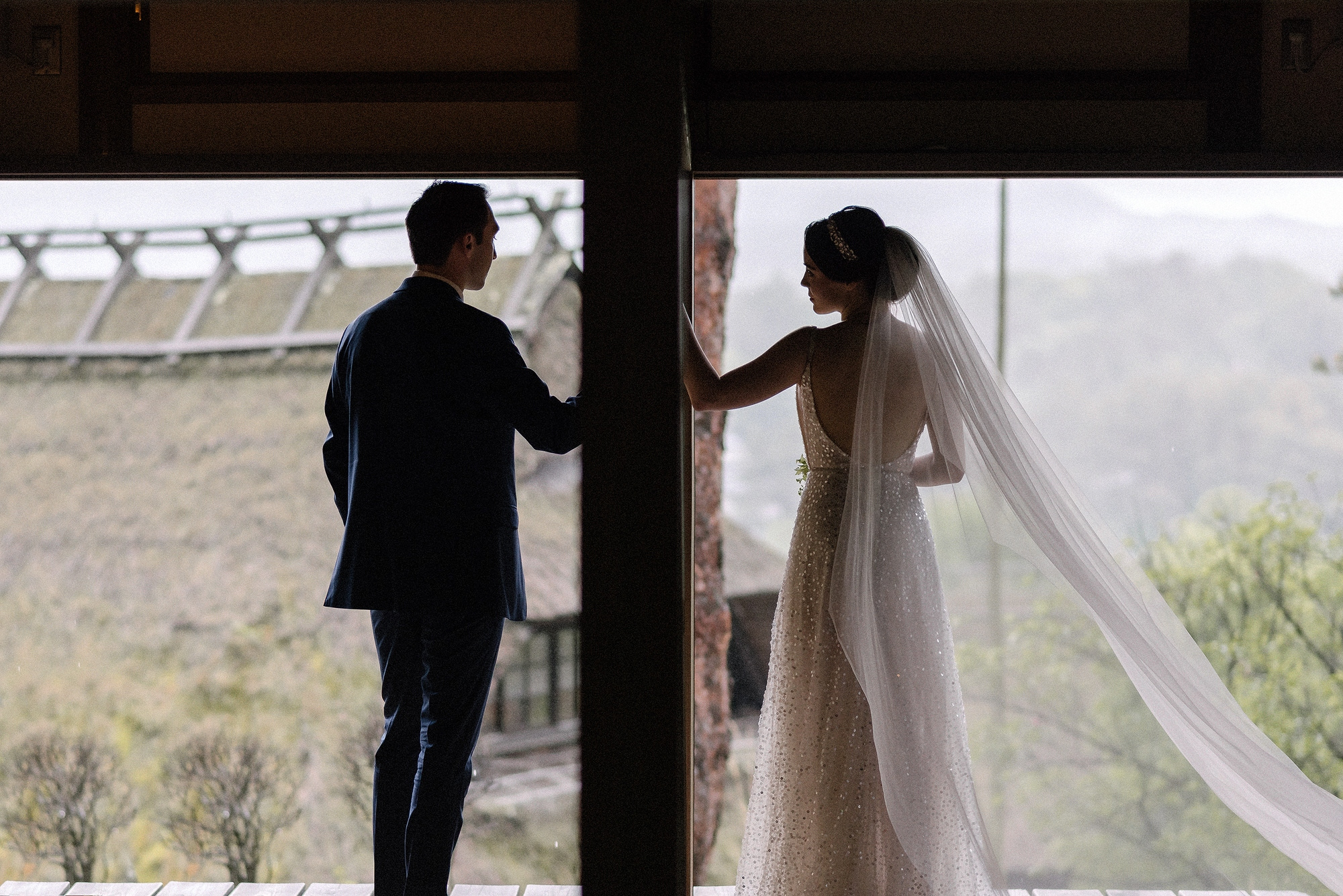
A Wedding Planning Timeline for Japan, Phase by Phase
Every wedding we plan follows the same structure. The date can be secured up to eighteen months ahead. The planning runs across the twelve months before the wedding, and each stage settles a few decisions well, so the next has less to carry.
Eighteen to twelve months: the date, the season, the size
This is when to book your destination wedding planner in Japan, before a single venue is approached. Booking us holds your date and our team. The planning itself starts at twelve months, so this stage is light by design.
Three decisions come first. The season. The size. And who is in the room, which we ask couples to settle before almost anything else, because every later choice follows from it. Six people and sixty need different ground, and a different budget.
Our wedding planning in Japan begins with how the day should feel, and that decides where the ceremony goes. Our photography and film are in the conversation from the start, too. Share the date with your guests now, so they can start planning their own year.
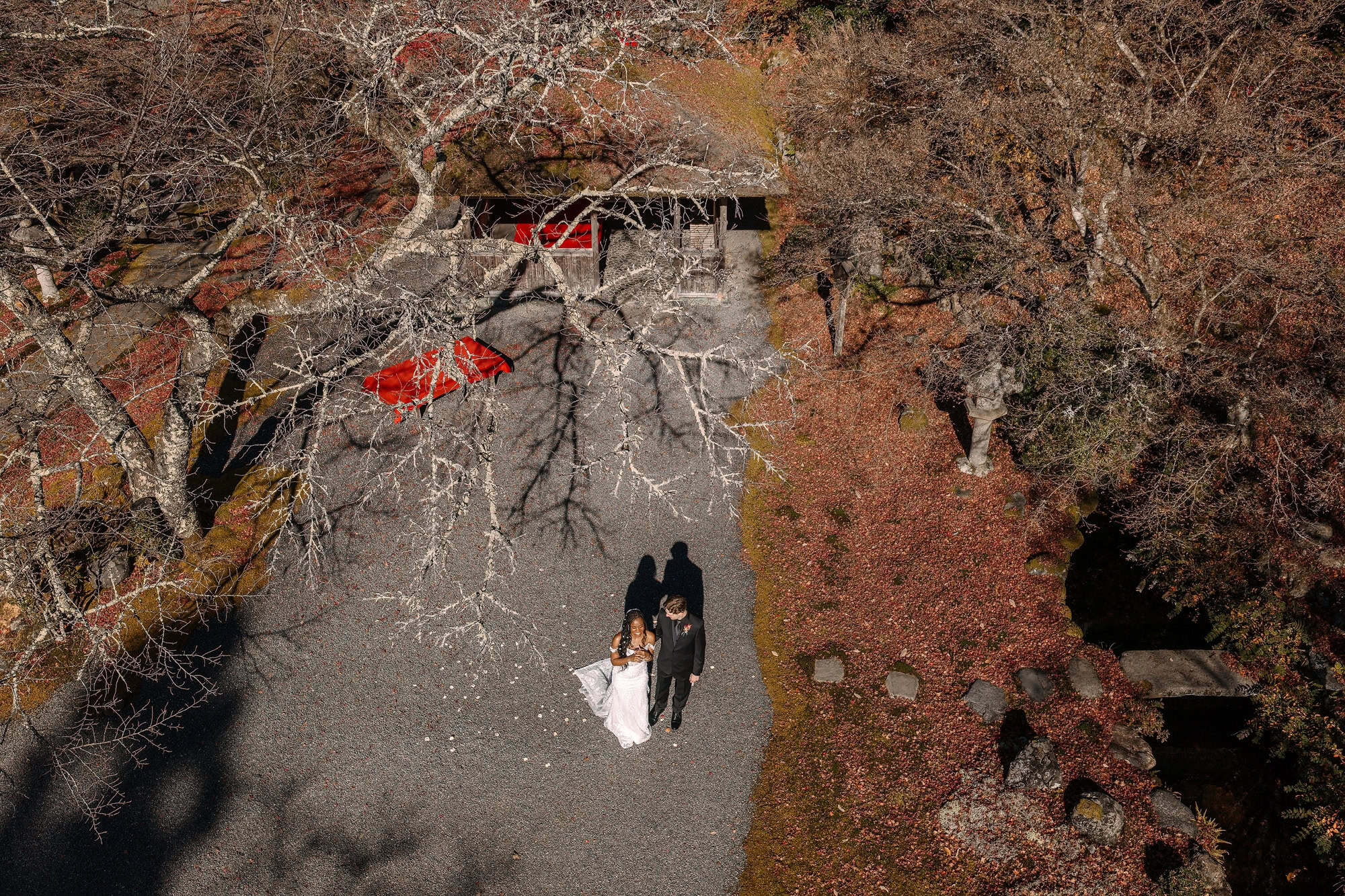
Twelve to six months: the ground, the guests, the shape
This is where the planning begins. Venues open their calendars, the ground is chosen and confirmed, and the details go to your guests straight away. People crossing oceans need time for leave, for flights and, on some passports, for a visa. Permissions for public or sacred places are under way. The shape of the celebration settles: one day or two, a welcome dinner or not, how families who’ve never met will get to know each other before the vows. Our guide to a destination wedding weekend in Japan shows what a second day makes possible.
Design starts here too, because some of it takes months to make. One autumn bride made her veil with the people closest to her, leaves running down the tulle in the colours of the mountain village where she married. A promise to a season nobody can guarantee. The maples kept their side of it.
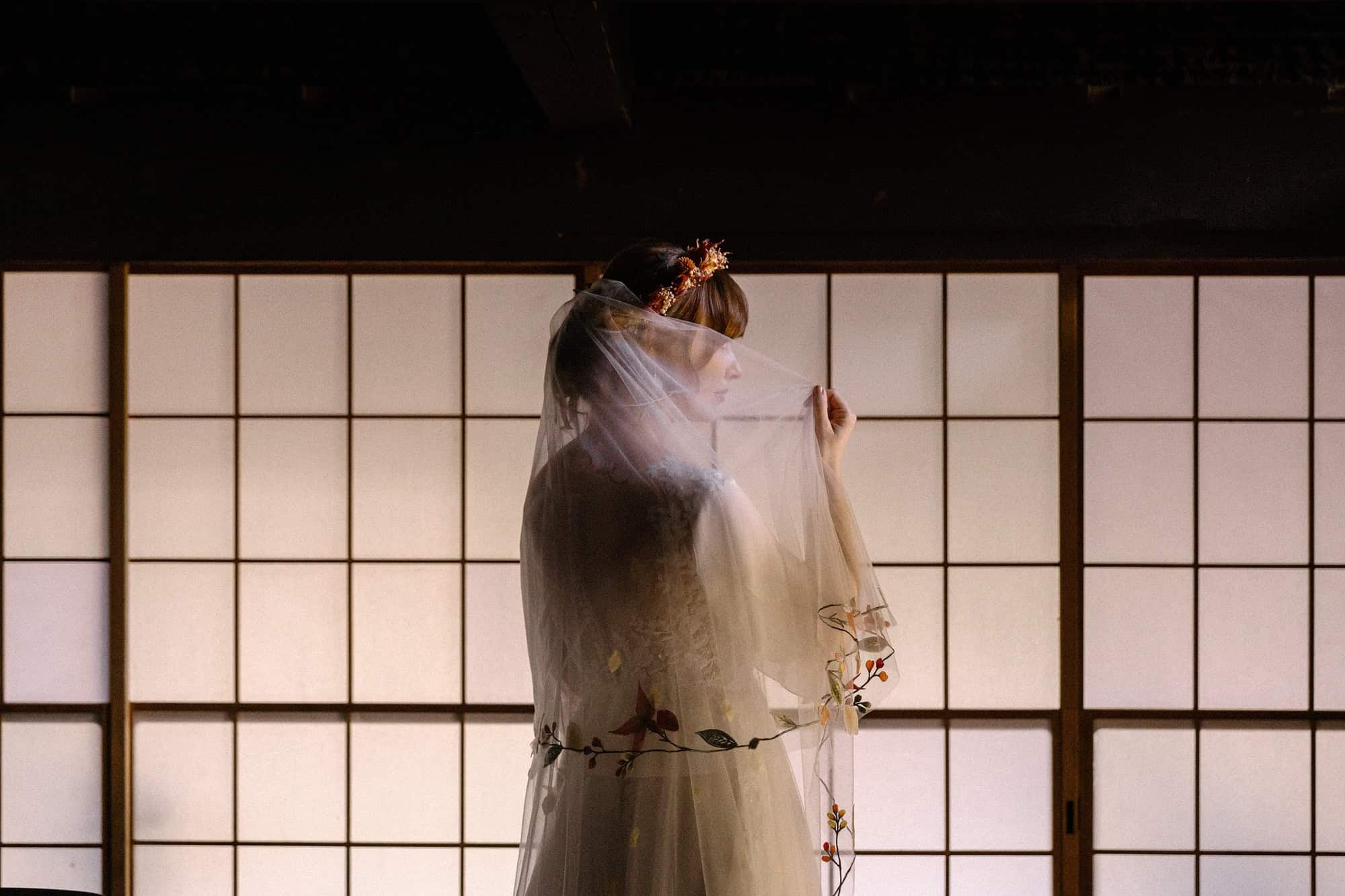
Six to three months: the details people feel
Menus, flowers and stationery. The music for the ceremony. Whether there’s a sake cask to open, and who holds the mallet. If kimono is part of the plan, it belongs here or earlier; our Japanese bridal kimono guide explains why. Vows, too, which usually take longer to write than anyone expects. That’s fine.
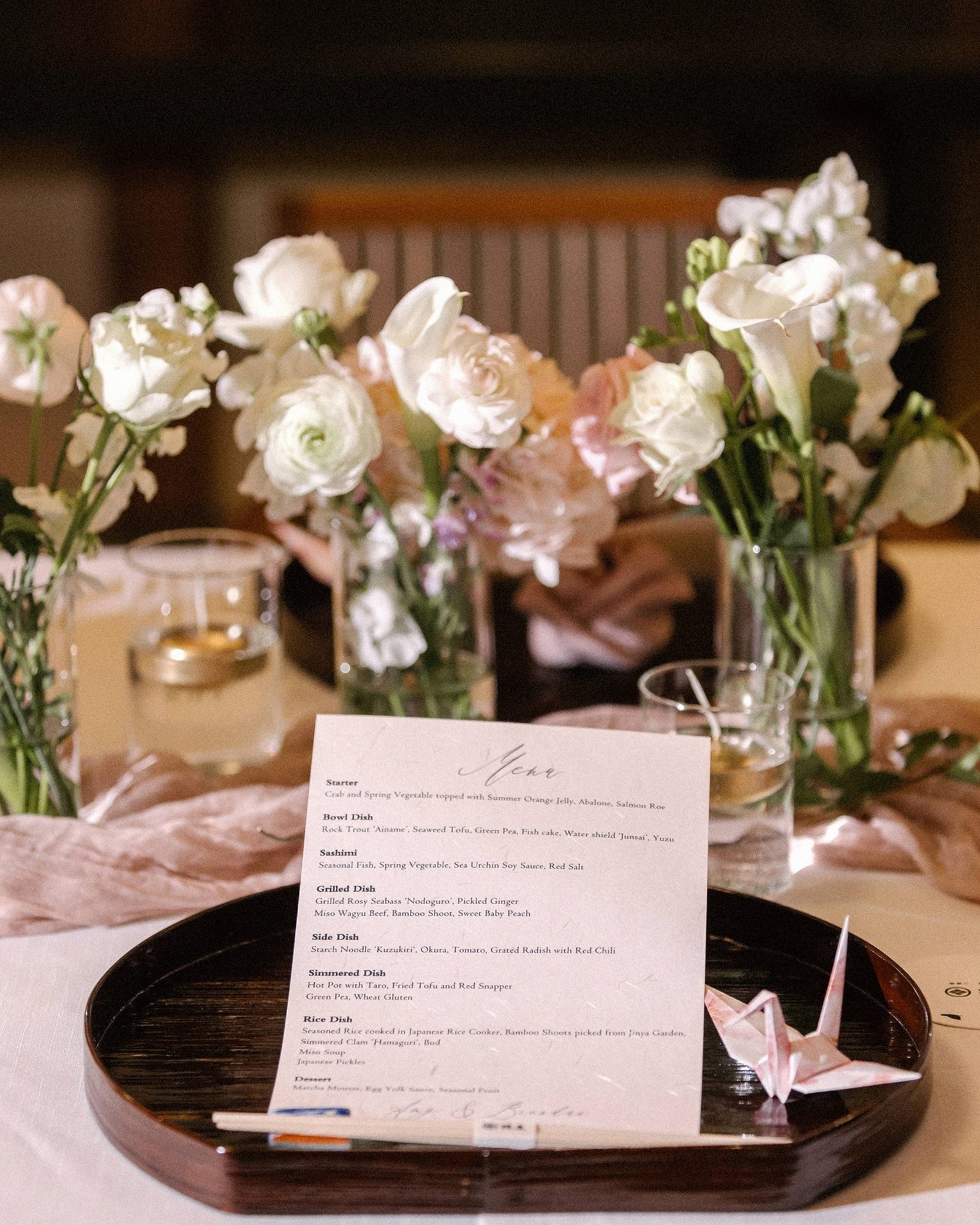
The final weeks: weather and calm
By now most decisions are made, and the ones left belong to us. Rain plans. Whether the mountain is likely to show itself that week, and a second day held in reserve in case Fuji stays hidden. A musician briefed to follow the ceremony wherever the weather sends it. We limit decisions in these weeks so you’re not carrying this alone, and we hold the structure while you arrive and see your people.
How Guests Are Looked After at a Wedding in Japan
Japan’s hospitality deserves its reputation, and it has its own grammar. A ryokan kitchen cooks from the sea and the season. Most of the conversations that matter happen in Japanese. The inn you fall for may be an hour or more out of Tokyo, and mountain weather doesn’t check anyone’s itinerary. That’s simply how the country works. Our part is the bridge between it and the people you love.
So every wedding and every elopement we plan gets its own detailed timeline and its own plan for the people in it, written for that place, that season and those guests. You’ll never see most of it. You’ll notice what it allows.
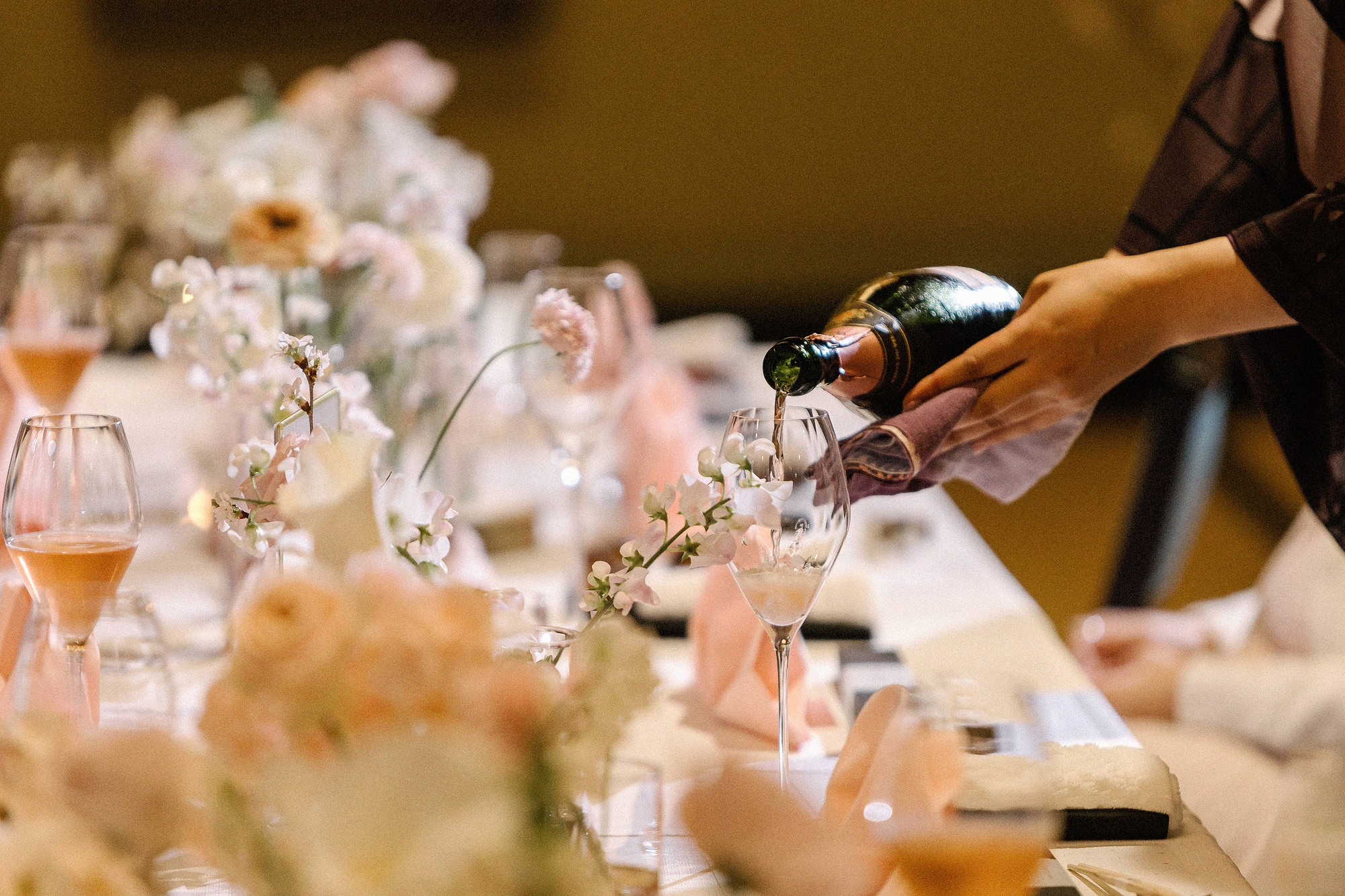
At that Tokyo hotel wedding for seventy-three guests, the bride had a song written for her vows and kept it from the groom for months. It stayed so secret that the hotel asked us not to share the day’s running order with the couple at all. He heard it for the first time at the ceremony, surrounded by everyone who had travelled to be there.
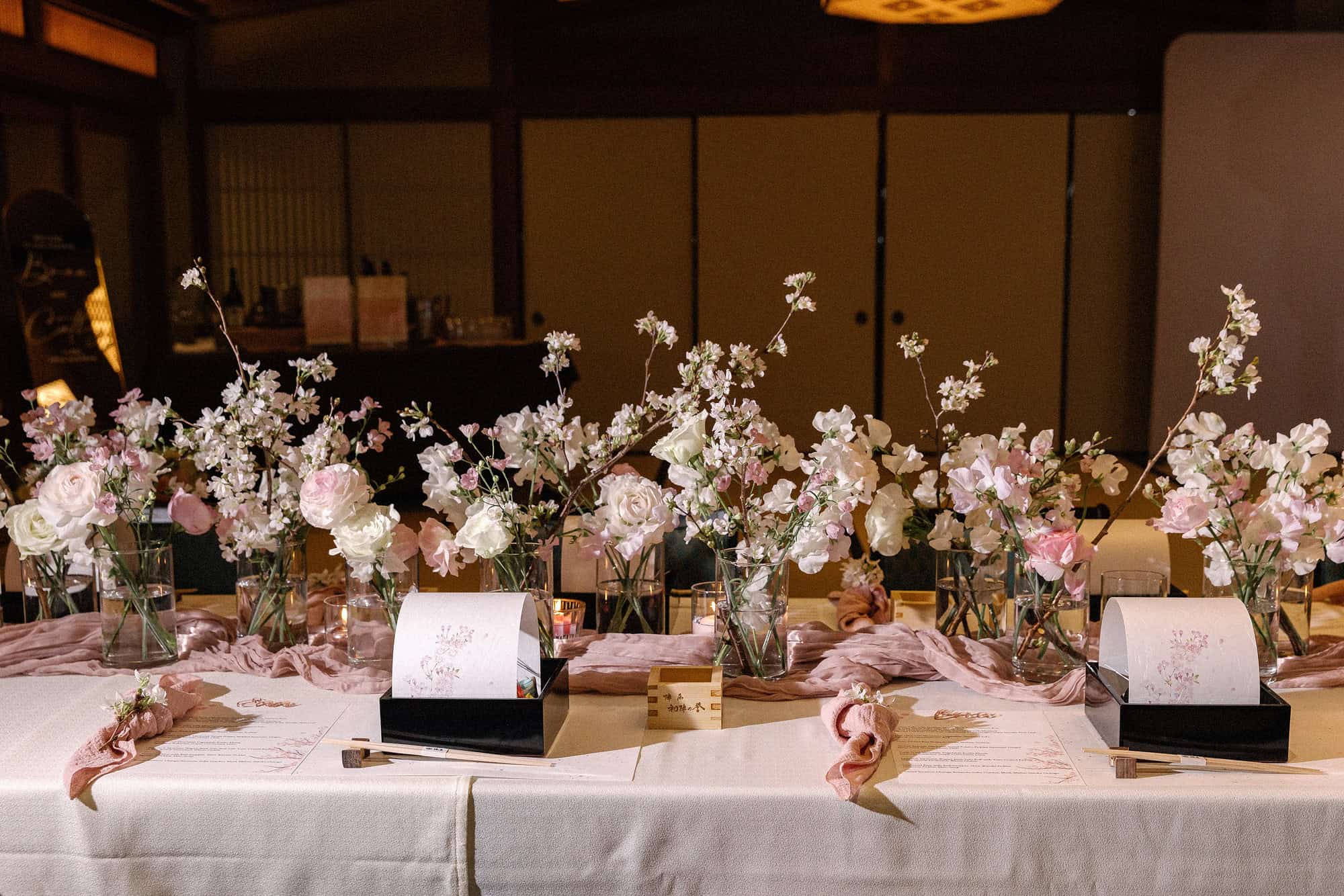
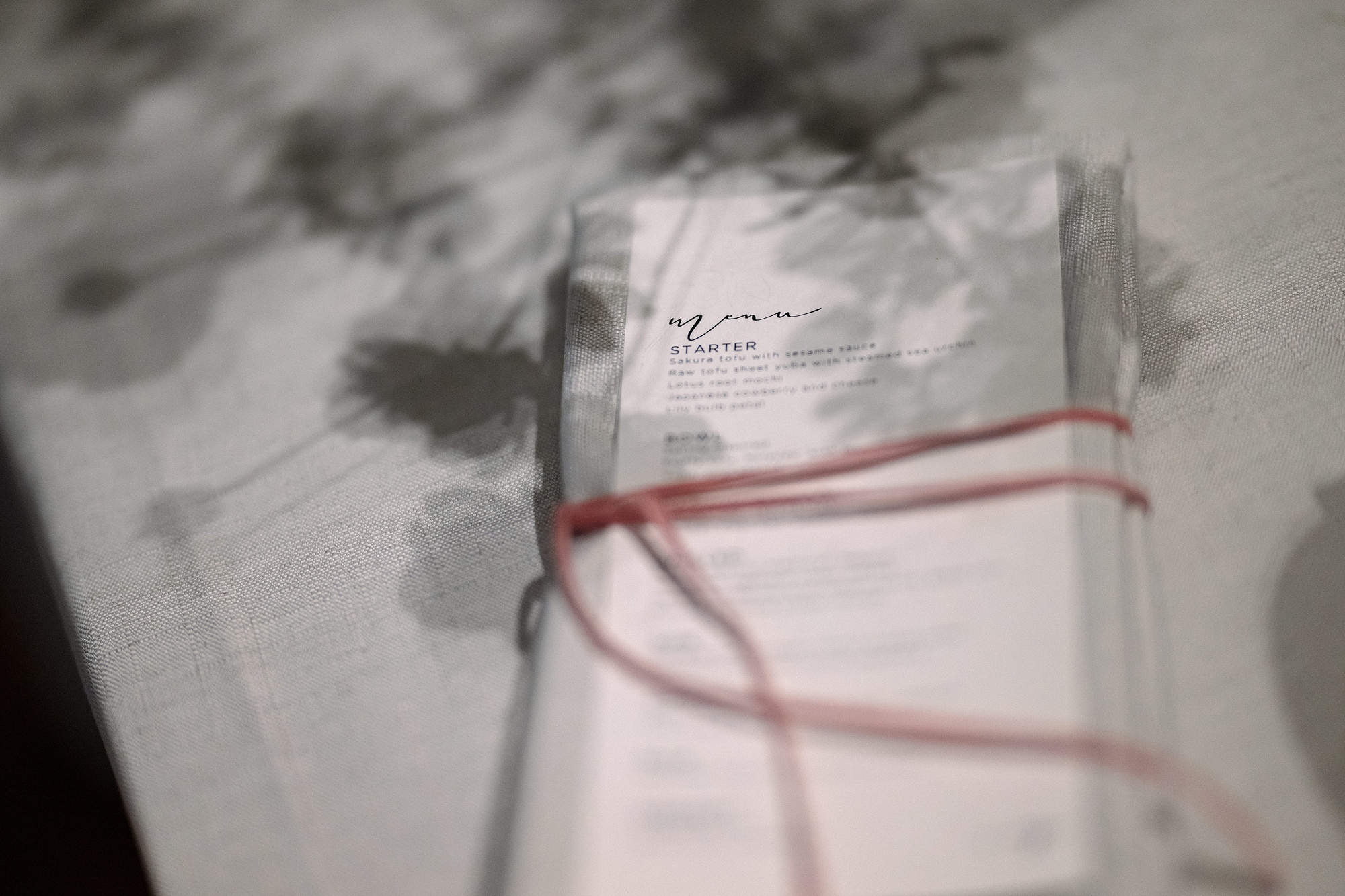
Weather gets the same attention. Before one wedding at Hakone Retreat, we watched the forecast for weeks, and it looked fine right up until the morning, when everyone woke to rain. The couple decided not to wait for it to stop. They said their vows in the open air, under umbrellas among the trees, and shared the three cups of sake with the rain falling around them.
Then there are the quiet hours. We build the formal parts of a day carefully so the hours after them can stay loose. After one winter ceremony in Kawagoe, that meant an afternoon with no schedule at all, and an old town to wander in the clothes they’d married in.
Can Foreigners Legally Get Married in Japan?
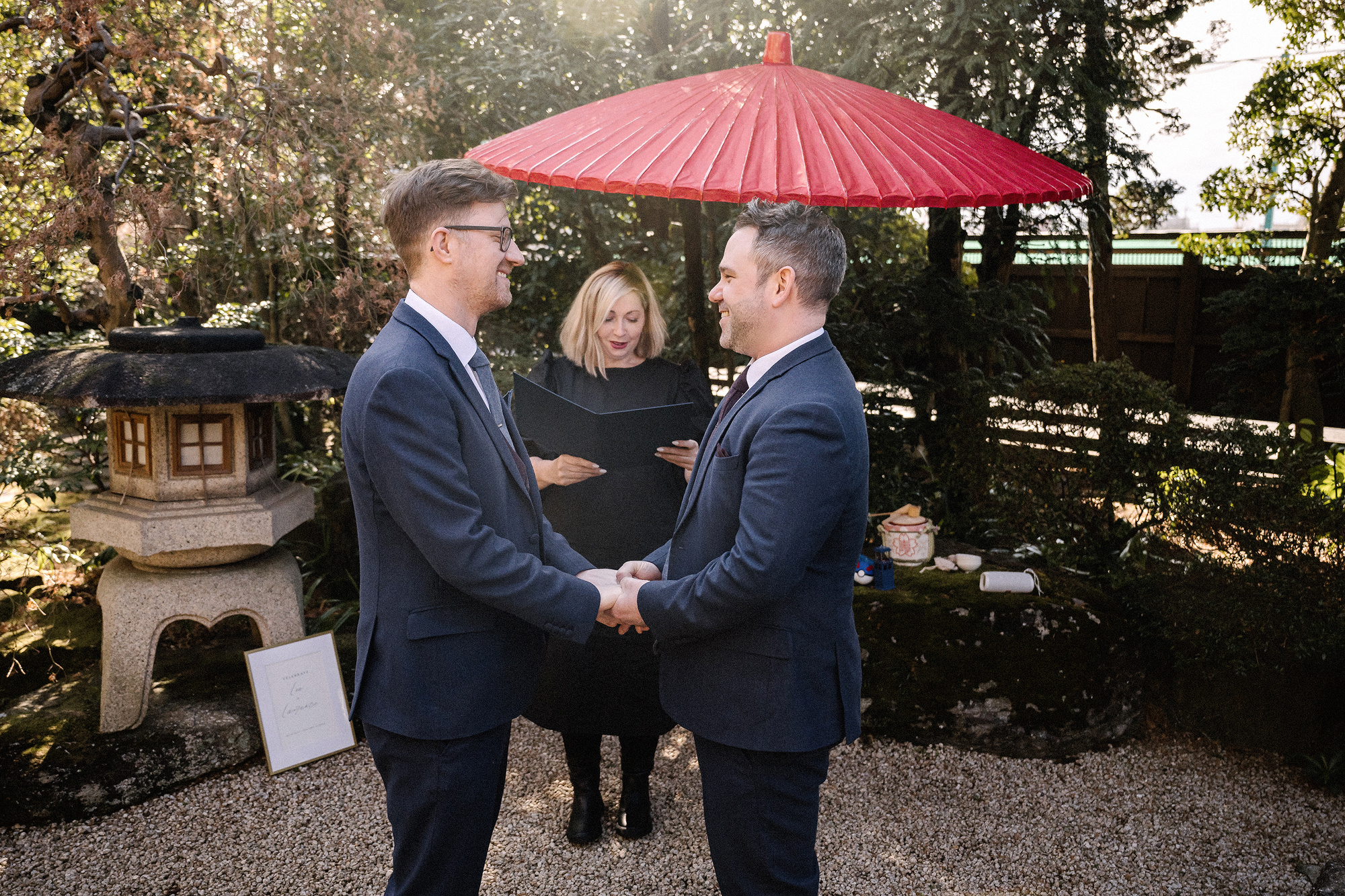
Yes. In Japan, a marriage becomes legal when it’s registered at a city or ward office, and no ceremony, at a shrine, a temple or a garden, carries legal weight on its own. Registering here means embassy documents, translations into Japanese and a visit to the local office, usually a few days of the trip.
Most of our couples marry legally at home and come to Japan for the wedding that means something to them. That frees the ceremony to be whatever they want, and many are married by a friend or someone from their family. If you’d like the legal side done here, we can help. Decide it early, so the paperwork never crowds the final weeks.
Japan Elopement Planning Timeline: Faster, With Honest Limits
An elopement, to us, is the two of you and nobody else. Add family or friends and it becomes an intimate wedding, with a timeline closer to the one above. Without guests there are no flights to coordinate and no rooms to hold, so an elopement can move faster. It still needs the same scarce things: the right week and the right ground.
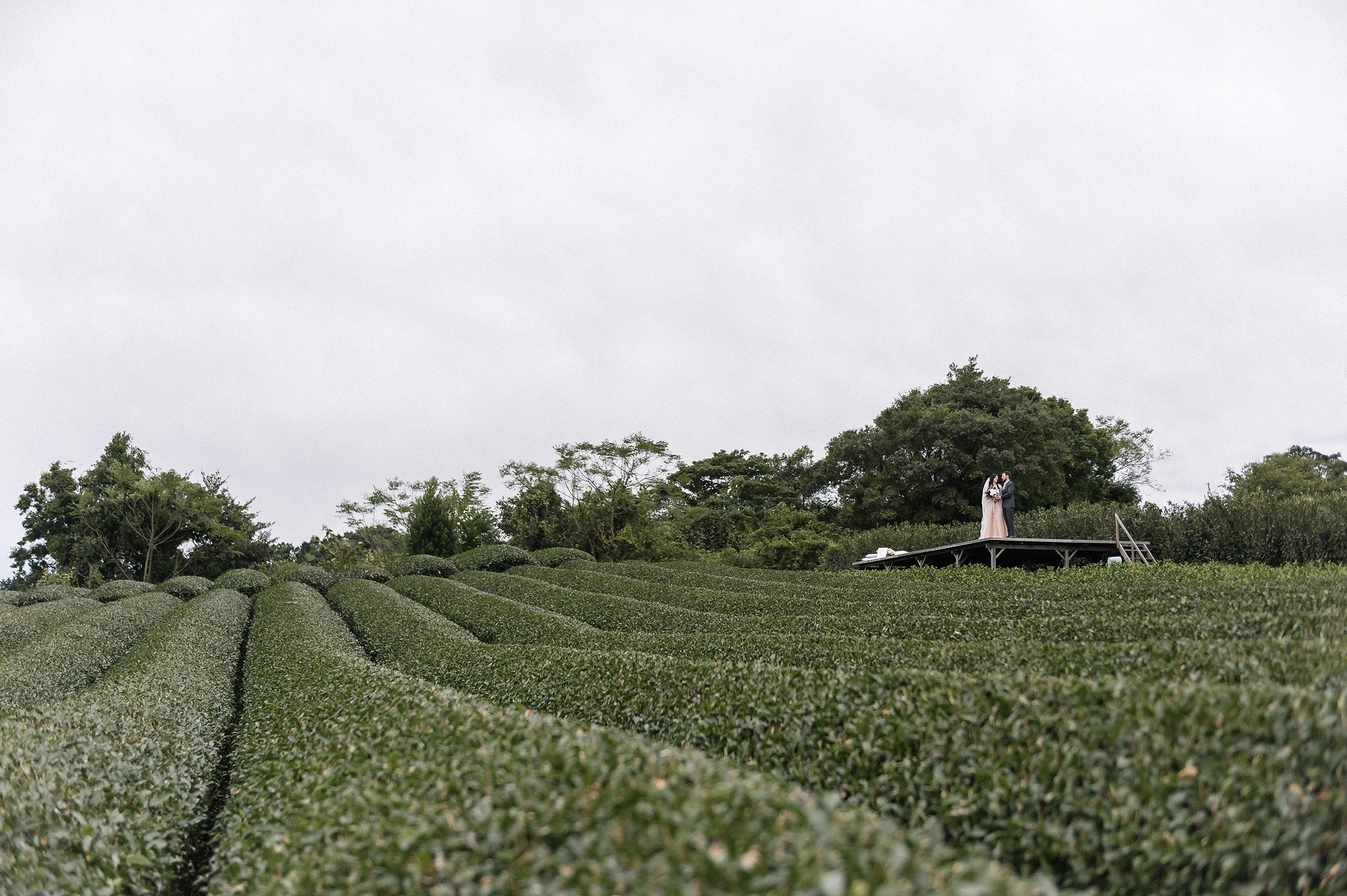
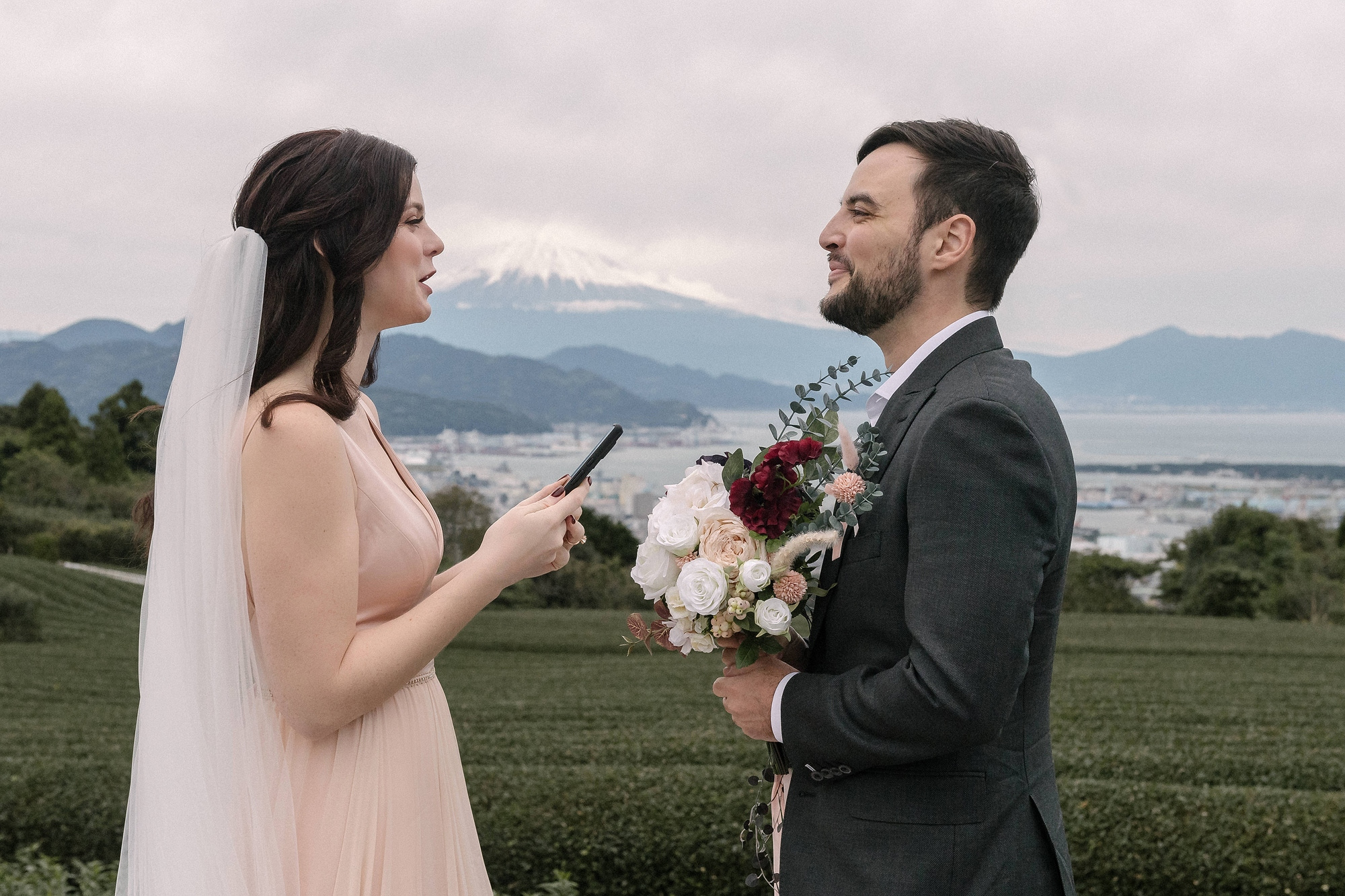
An Atlanta couple first wrote to us in the autumn of 2021 and signed in February 2022 for a late-October elopement on a tea deck above Shizuoka, with Japan still closed. We held a second date for them the following spring, so the wedding would happen in one season or the other. Every booking had a twin. Then, in the week Japan announced its reopening, a typhoon damaged the deck they’d chosen. We booked a different deck on the same tea company’s land, with Fuji across the bay, that same week.
An elopement gets the same detailed planning as a wedding, just for two. In Kyoto in early December, the sun drops behind the mountains well before it sets, so for one couple the vows came first and the rest of the day followed the light down into the city. On the Miura Peninsula, the park and the shoreline at Arasaki answer to different authorities, so one elopement there needed two separate permissions. The couple only had to bring each other.
If an elopement has to be peak blossom at one particular place, plan it as you would a wedding.
Quick Answers
How far in advance should you plan a destination wedding in Japan?
Secure the date up to eighteen months ahead, especially for peak cherry blossom or autumn colour, when the places that host one celebration a day are spoken for first. The planning runs across the final twelve months, because most wedding venues in Japan only take bookings a year ahead. A few we’ve worked with for many years will open a date to our couples sooner. That year lets the venue, the permissions and your guests’ travel settle without a rush.
Can you plan a wedding in Japan in less than a year?
Sometimes, and more often outside the peaks. A hotel built for scale can move faster: one Tokyo hotel wedding for seventy-three guests came together in about eight months. A ryokan, a private garden or a public lakeshore usually needs longer, so the shorter the runway, the more the date and place need to flex.
When should guests hear the date?
As soon as the date is held, which can be as early as eighteen months out. Sooner is kinder. Guests crossing oceans need time for leave, flights and any visa their passport requires. Anyone travelling near Golden Week, at the turn of April and May, should book especially early.
How far in advance should you plan an elopement in Japan?
Less than a wedding, because there are no guests to fly in. If your date has some flexibility, a shorter runway can work well. If it has to be one particular place at peak blossom or peak colour, plan it like a wedding, because the right ground and the right week are just as scarce for two.
Start With the Season, Then the People
The question we hear most is how far in advance to plan a wedding in Japan. The better question is what the time is for.
A year doesn’t make a wedding bigger. It makes it quieter. It gives the venue time to be the right one, the permissions time to come through, the menu time to fit everyone at the table, and the plan time to change without anyone at the wedding noticing. The couples who start early aren’t more anxious than anyone else. They simply get to arrive on the day with nothing left to decide.
Japan will keep its own calendar. The blossom will come when it comes. Start early enough, and you’ll be standing in it.