There’s a piece of advice that turns up in every wedding forum and planning chat, usually with a wink. Don’t tell them it’s a wedding. Book the florist for a party, the makeup artist for a shoot, the DJ for a birthday, and watch the prices fall. Is the wedding tax real, and does this beat it?
The quote may well come down. The bill often doesn’t. A wedding quote is a quote for a wedding: a date that can’t move, a ceremony that won’t start late, a room that has to be ready before anyone walks into it and empty again by the time the venue wants it back. Leave out the wedding and you’re quoted for a different job, by someone getting ready for a different day.
We’ve worked beside wedding vendors for decades, in Japan and a long way beyond it. Once the whole bill is in, they often cost no more at all. They’re more experienced, and on a wedding day, experience is most of what you’re paying for.
The quote may well come down. The bill often doesn’t.
Is the Wedding Tax Real?
Sometimes, a little, and usually because the job is different. The best-known test of the “wedding tax”, or wedding markup, is ten years old and American. In 2016, Consumer Reports had shoppers ask the same vendors to quote for a wedding and, separately, for a 50th anniversary party, for the same services. In more than a quarter of the quotes it could compare, the wedding came out higher, photographers and limousine companies among them. Florists, bakeries and photo booths quoted the same either way. Consumer Reports was careful to say that a few dozen quotes couldn’t convict a whole industry. We’d point to the hours: the planning beforehand, the editing afterwards, a different level of service.
That matches what we see. A wedding quote carries work a party quote doesn’t: a trial, a date that can’t be moved or repeated, an early start, the hours before the first guest arrives and after the last one leaves. In Japan, much of the difference sits with the venue rather than the vendor. Many hotels and wedding halls charge a fee when couples bring in their own suppliers, price their rooms by the day of the week and the lucky days of the traditional calendar, and hold them for weddings more than a year ahead. One Japanese study gives the example of a reunion asking a year out for a lucky Sunday in November: it can be refused, because the hall is keeping that day for a wedding. Here, saying it’s a wedding can be what gets you the room.
What a Wedding Vendor Carries
A few things on a wedding day don’t move. The ceremony starts when it starts, with the officiant ready, the musicians playing and the guests in their seats. The reception starts when the kitchen says it does. In a hotel or wedding hall that hosts several weddings a day, the next couple may already be on their way. Everything else is built around those fixed points, and the people who work weddings know exactly where they are.
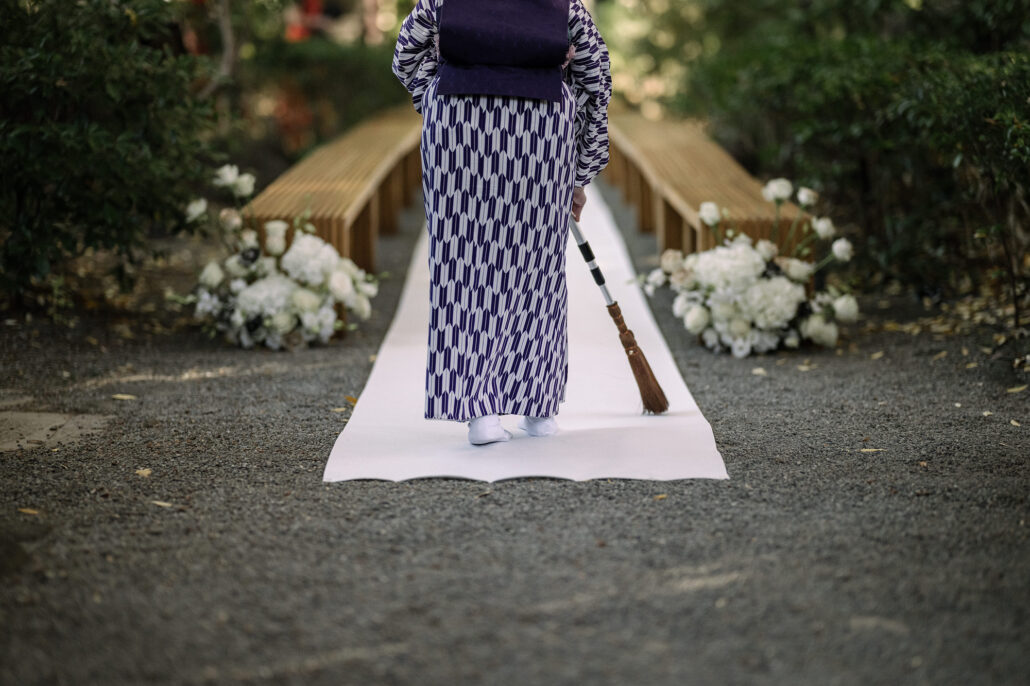
We’ve had brides bring in a friend to do their makeup, and we’ve had fashion hair and makeup artists, some of them very talented. Wedding hair and makeup is its own discipline, and the difference is the clock. Unless an artist is impeccably on time, the minutes have to come from somewhere. The ceremony won’t wait. Nor will the reception. So the time comes out of the one part of the day that can bend, and that’s usually the portraits. In autumn the light goes early, and it doesn’t wait for anyone’s eyeliner.
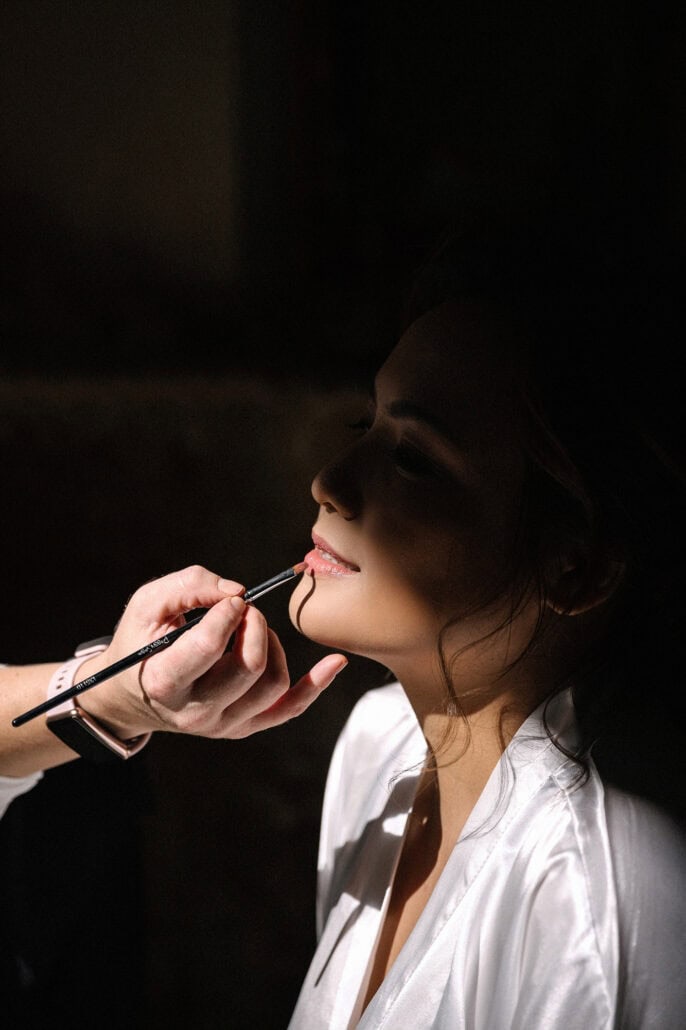
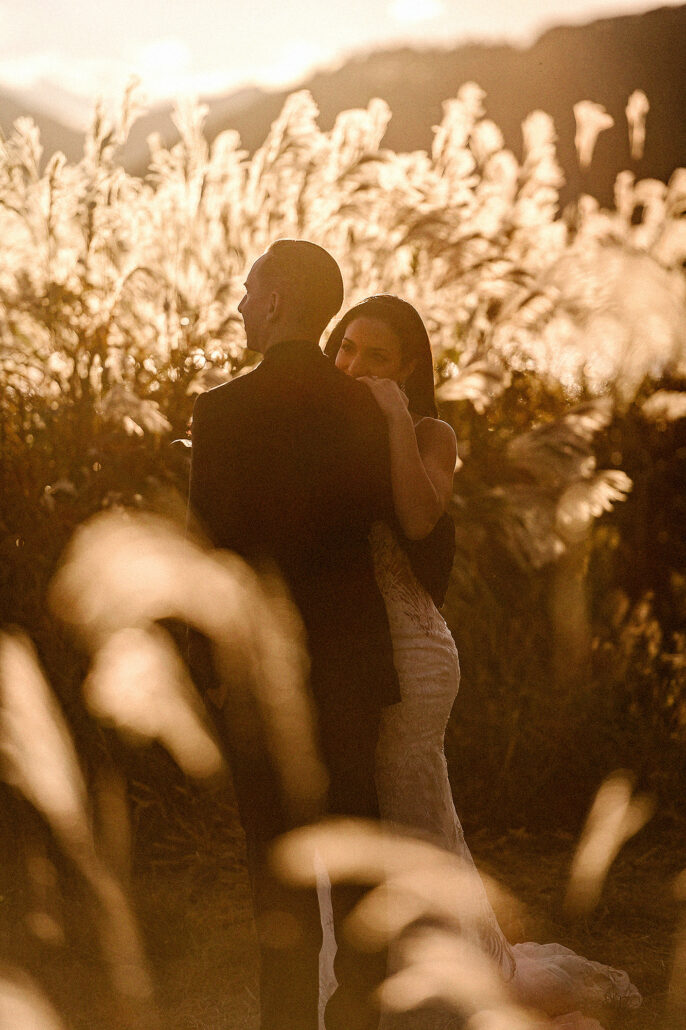
A wedding hair and makeup team works the other way round. They ask what time the couple needs to leave, plan the morning back from it with time in hand, and stay for the touch-up before the portraits. You’d never notice them doing it. That’s rather the point.
Photography asks the same of its people. Over a single day, a wedding photographer moves through work that usually belongs to several specialists: the stillness of a portrait, the eye of fashion, the reflexes of sport as the bouquet leaves her hand, and the calm to gather a whole family before the light goes. None of it can be asked for twice, and the last frame of the night has to be as alive as the first. It’s some of the most demanding work in photography. A party photographer may well cost less. They’re simply trained for a different room.
The Quote That Grew
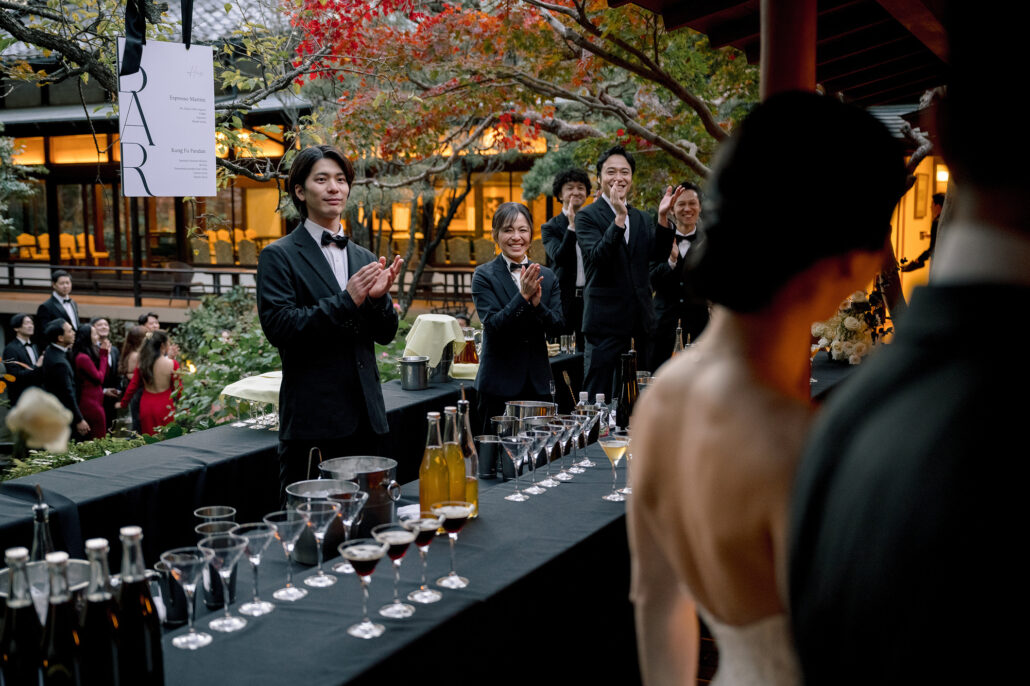
One of our couples had found a small restaurant in Tokyo and fallen for the food. By all accounts the flavours were incredible. When they asked the restaurant to cater their wedding, the quote was good and everything about it seemed reasonable. It was a restaurant, though, not a caterer, and it had never done a wedding.
The questions came afterwards. Who would build their kitchen on site? How many staff would they be given to serve? A wedding caterer brings both, and that’s a large part of what their quote covers. There were a few other gaps as well, and by the time the full cost was clear, it was too late to cancel.
The wedding was outdoors, for about forty guests, and we wanted it to run without a ripple. So we brought in the caterers we work with regularly, with their mobile kitchen and their own staff on the day, to support the restaurant. The couple ended up paying a good deal more than if they’d booked the wedding caterer in the first place. Afterwards, they told us they’d loved the wedding caterer’s food too. They’d only thought it cost too much.

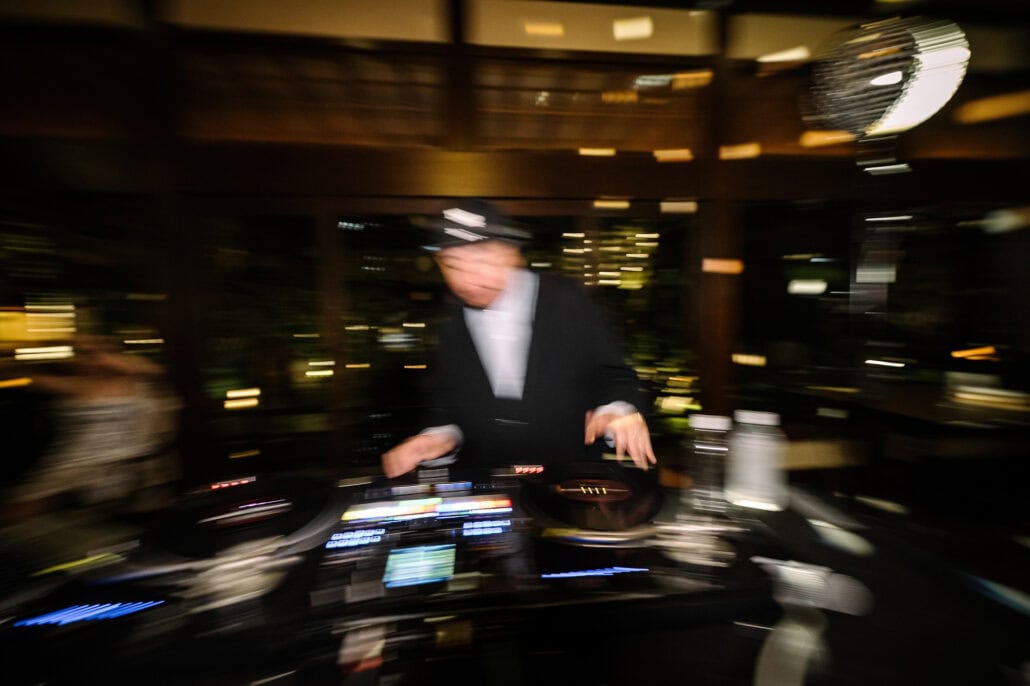
It happens with DJs too. One who plays clubs every weekend can quote far below a wedding DJ, then reach the real figure in instalments: speakers he doesn’t own, lights he doesn’t bring, travel and transport on top. If he’s rarely been asked to price a wedding, he finds out what it costs as it comes, and so do you. By the end, he can cost more than the wedding DJ would have. He may be a brilliant DJ. He just doesn’t play weddings.
A wedding DJ turns up with the speakers. It sounds like a low bar. It turns out to be a useful one, along with knowing when to dim the room for the speeches, when to bring the first song in, and that the banquet team needs to hear from him days ahead so someone is there to let him in.
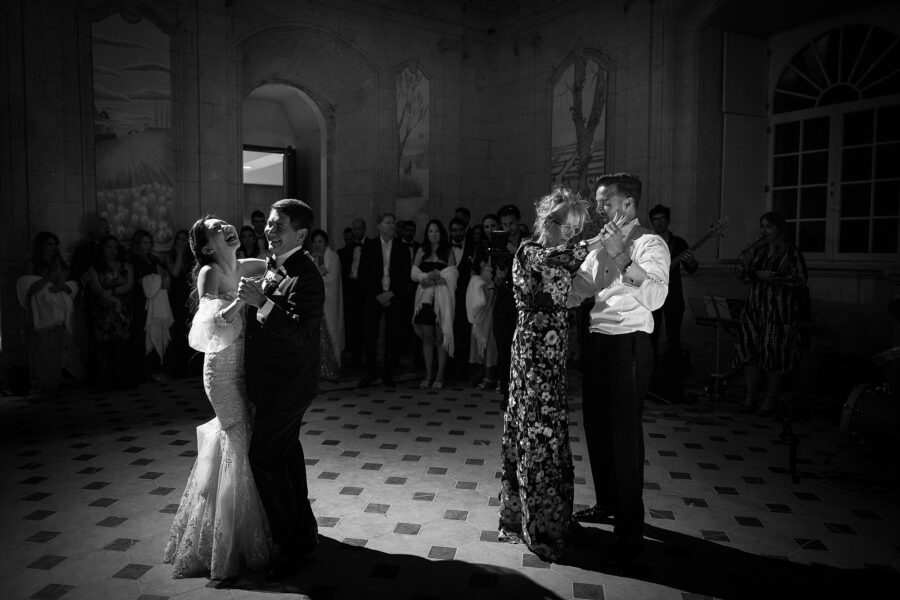
A wedding DJ also plays for every generation at once, and knows how to build a room. Here in Japan the party often has about two hours. Taking it from the first dance and the parent dance to a full-blown end of the night is a skill the good ones have in abundance.
After the Last Guest Leaves
The part of a wedding nobody sees begins when it ends. The flowers come down, the stage comes apart, the lights and cables are packed, and the kitchen is put back the way it was found. Some vendors are still working in the small hours. Some work all night.
The part of a wedding nobody sees begins when it ends.

Venues keep a clock for this too. If the venue needs the room back within two hours, vendors who work weddings know it and plan for it from the start, so there’s no overtime for the venue to charge you.
Caterers can have one of the longest days of anyone. They start preparing in the morning, serve all evening, then clean up and set the kitchen to rights long after the last guest has gone, sometimes finishing the next morning. Twenty hours isn’t unusual. And most wedding vendors give up their weekends, nearly all of them, year after year: the days the rest of us keep for family and friends. The vendors we work with work weekdays too, and none of them add a weekend surcharge. Where you do see a weekend rate, that’s where it comes from.
Bringing In Your Own People
Some couples have someone in mind already: a friend who’s brilliant with a brush, a florist whose work they’ve followed for years, a musician they love. We understand why. For weddings we plan, we’d like to meet them first and see their work. If they’re right for the day, they join our team. We talk them through the day, share the timings and make sure they have everything they need, and they work to the same plan as everyone else.
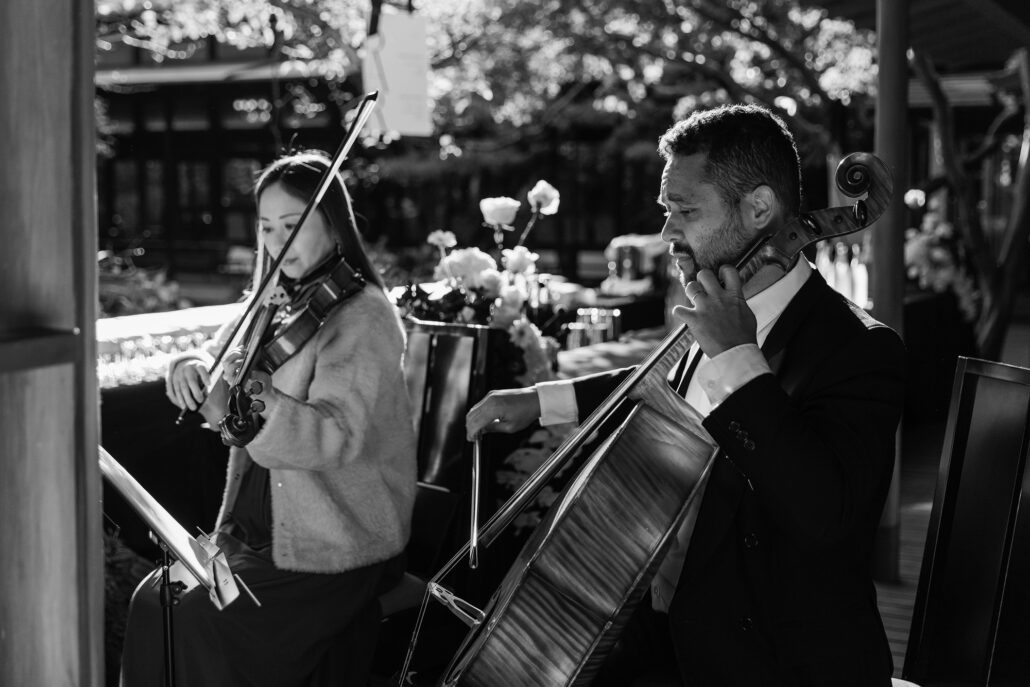
It’s a small step, and it makes a real difference. A wedding team works a little like choreography, and it runs best when everyone knows the steps. When someone is new to weddings, the people around them quietly cover the gaps, and that attention is better spent on the couple and their guests.
It’s worth knowing what you’re choosing, too. A saving can come back as an extra hour at the venue or equipment hired at the last minute. Experience pays you back in ways no quote shows: the room handed back on time, the equipment already in the van, the portraits with all their light still in them.
Where a Budget Can Bend
If the budget needs to come down, there are better places to find it. Fewer guests changes almost every line. Flowers can be designed beautifully to a smaller budget. A shorter list of things, each one done well, often makes a better day than a long one, and our guide to what a wedding in Japan costs shows where the rest of the money goes. We’ll help you find where the savings are. We just wouldn’t look for them in the people who keep the day running.
Quick Answers About the Wedding Tax
Is the wedding tax real?
Sometimes, in some categories. When Consumer Reports tested it in the US in 2016, more than a quarter of the quotes it could compare came out higher for a wedding than for an anniversary party, among them photographers and limousine companies, while florists and bakeries quoted the same. Most of the difference is work a wedding asks for: hair and makeup trials, planning, a date that can’t move, longer hours and, in photography, a whole set of skills a party never needs.
Should I tell vendors it’s a wedding?
Yes. A vendor who doesn’t know it’s a wedding prepares for a different day: a different timeline, different equipment and a different idea of what “on time” means. Tell them early, and anything that needs to change can be agreed long before the day.
Can I bring my own vendors to a wedding venue in Japan?
Often, depending on the venue and the item. Many hotels and wedding halls charge a bring-in fee, mochikomiryō, for outside suppliers, and some limit what can come in at all. Bringing in a dress alone averages about ¥43K (US$270), according to Zexy. Ask before you sign what the fee covers, and it can go into the plan.
The Opposite Advice
The forums say don’t tell them it’s a wedding. We’d say the opposite: say it in the first line of the first email. The good ones already know exactly what that means.
Written October 2026. Sources: Consumer Reports, Get More Wedding for Your Money (2016); Zexy on bring-in fees (Japanese, 2026); Yasuhiro Sugiura, Mejiro University College, pricing strategy for wedding products (Japanese, 2024).