In April 2026, the Destination Wedding Planners Congress met in Macao. For three days, more than 350 planners, hoteliers, designers and creative partners from over seventy countries gathered to look at some of the most beautiful weddings in the world.
We’d been asked to speak. We said we’d love to, but we couldn’t. April is the height of our spring wedding season, and those weeks belong to the couples who booked them.
They’d asked us to talk about experience-led celebrations. It would have been a chance to show a room of the world’s planners what a luxury wedding in Japan can be. This is what we’d have said.
What a luxury wedding used to mean
For a long time, a luxury wedding meant the biggest version of everything. The tallest flowers, the longest tables, structures built overnight and taken down by morning, cranes in the car park and what feels like a million people arriving to do the flowers. Some of those weddings are remarkable. We see them everywhere: on Pinterest, on Instagram, in the feeds of every couple planning a wedding. We’ve even been a part of a few overseas in the Middle East and Asia.
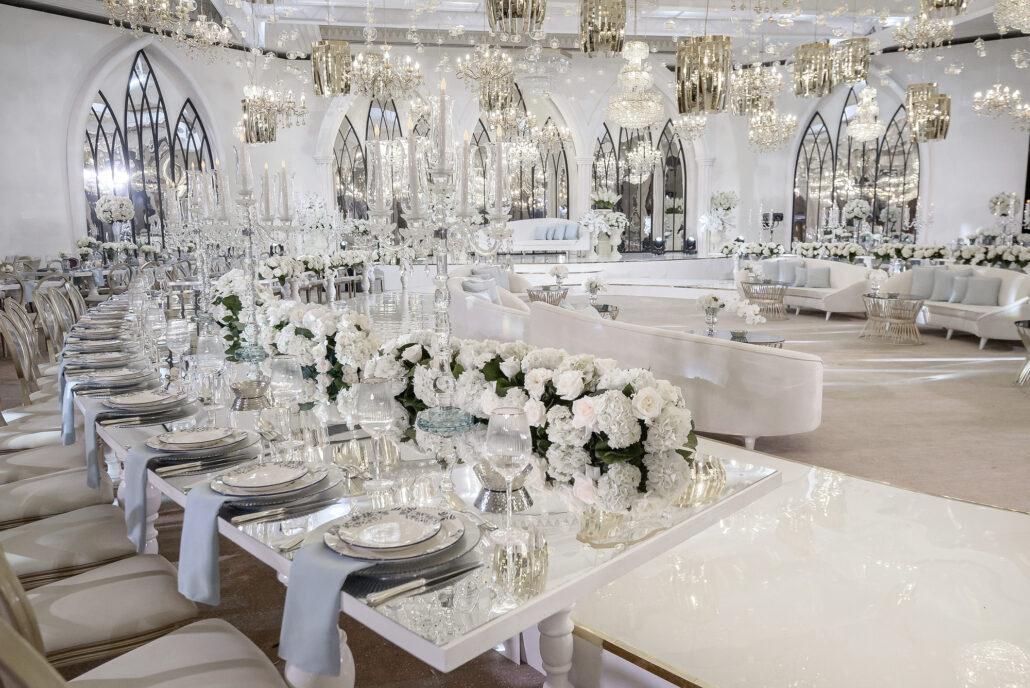
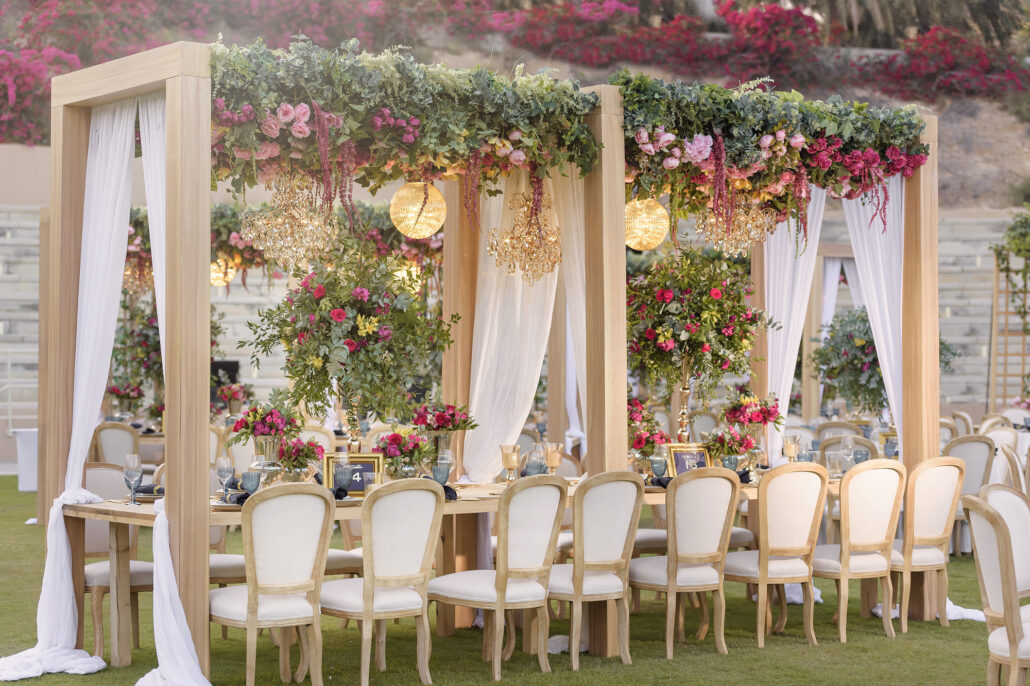
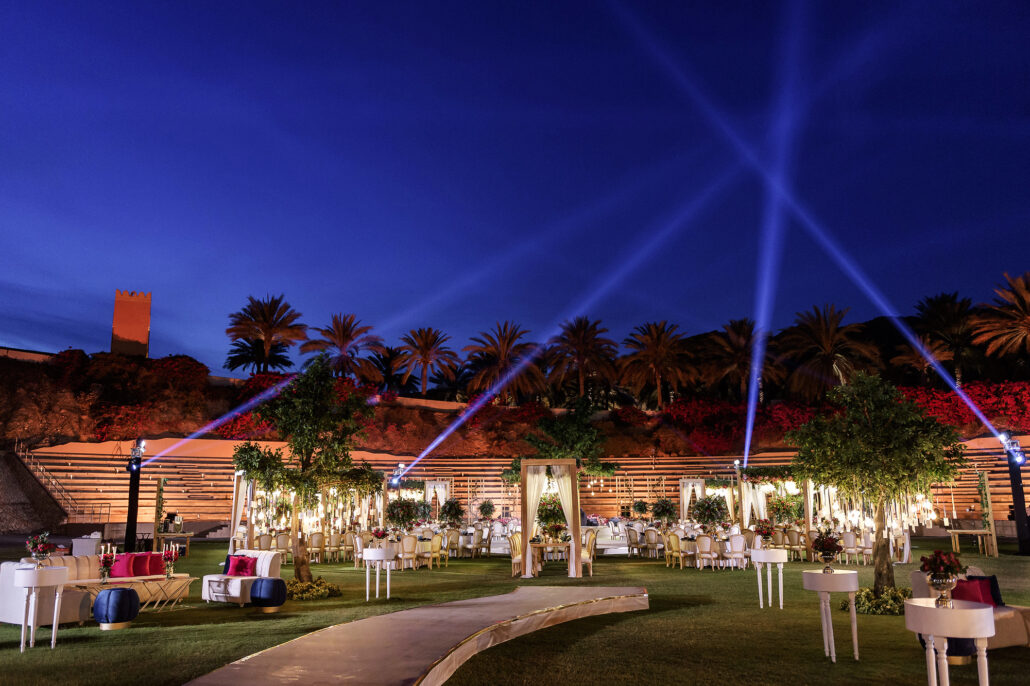
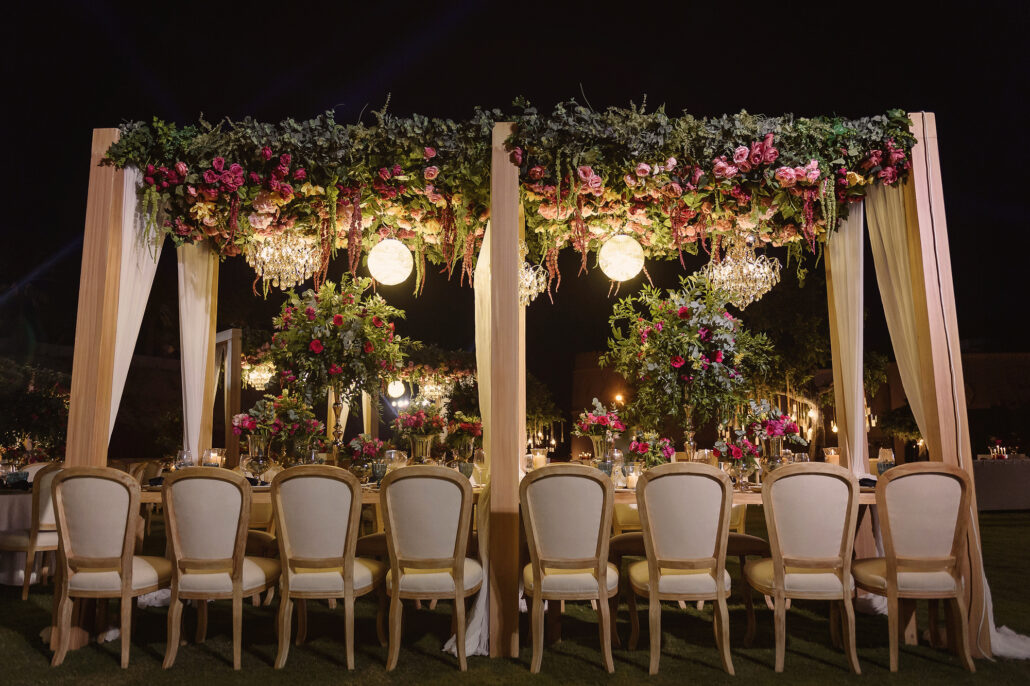
What’s changed is how people feel about them. Young couples scrolling through those weddings tend to go one of two ways. Either they’re completely taken with them, or they’re completely put off. Look back through the weddings you’ve saved. Which way do you lean?
Many of the couples who come to us are in the second group. One couple put it more simply than we could: “A great meal in a beautiful place with the people we love is probably the core of it.” Anything elaborate, any performance, could go if it added stress. They wanted to enjoy their own wedding, and they wanted everyone they’d invited to feel the same.
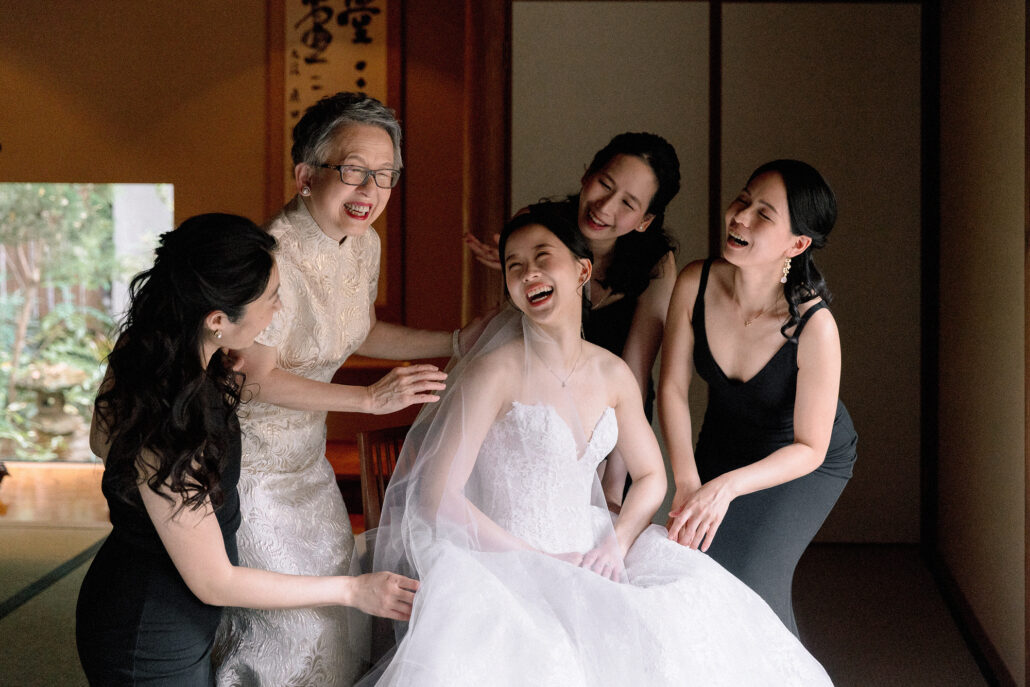
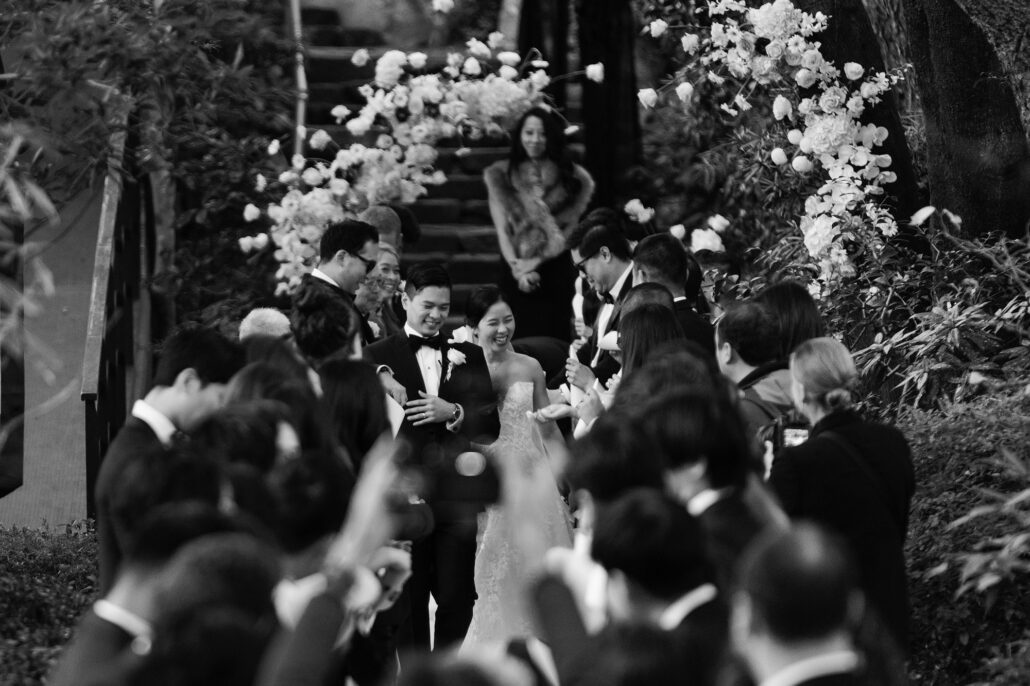
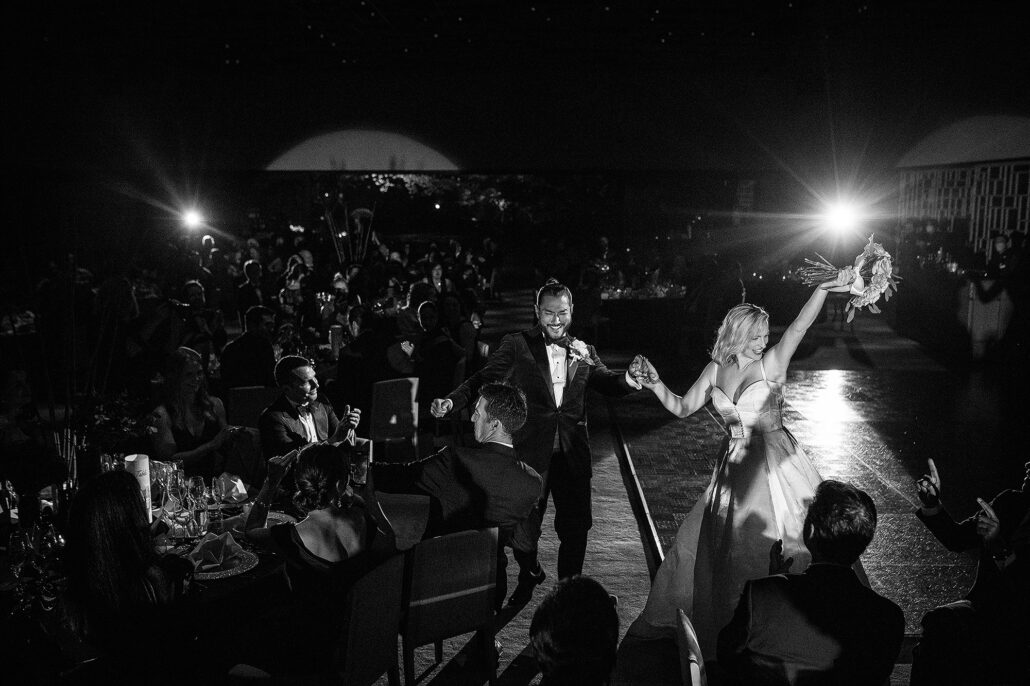
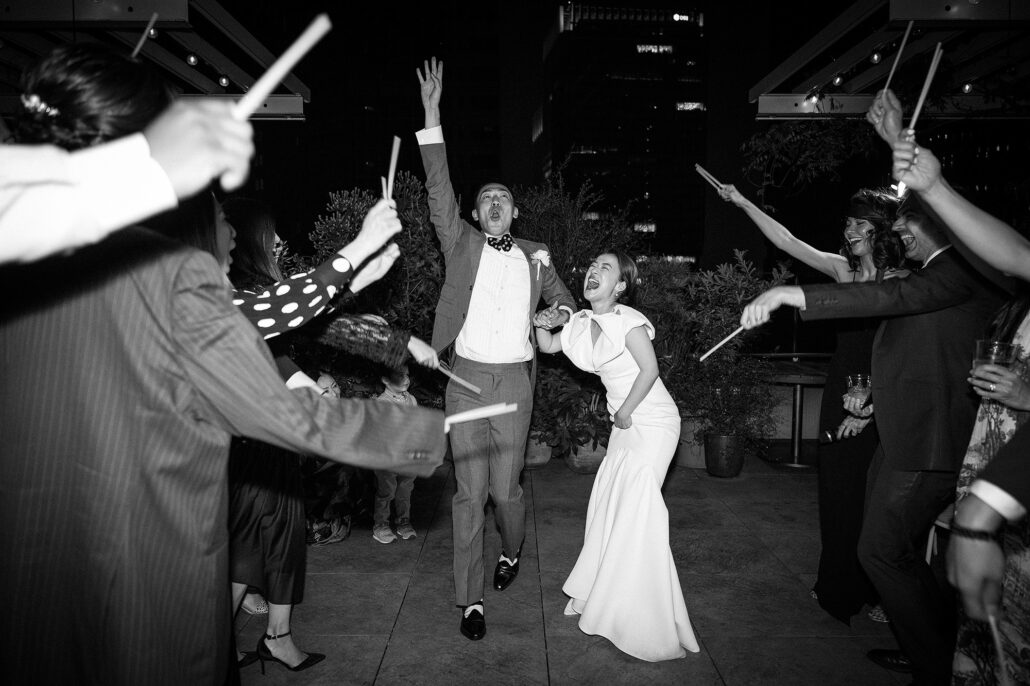
The industry has noticed. Even in Macao, luxury was talked about as personalisation and memorable moments, and as a word whose meaning is shifting. It’s moving away from the biggest, the grandest, the most, and towards something you feel rather than count.
Japan never needed the other option
Every country’s luxury looks like the country. In October the congress went on to Udaipur, its first edition in India, to celebrate what its organisers call India’s big, fat weddings: days of colour, music and family, and glorious for exactly that reason. Japan’s has gone the other way.
Japan had its own season of excess. In the 1980s, celebrity weddings were broadcast on television, and some wedding cakes stood more than five metres tall. There’s even a word for it, hade-kon, the flashy wedding, and another for what came after the bubble burst: jimi-kon, the plain one. The places international couples now cross the world for were never part of either.
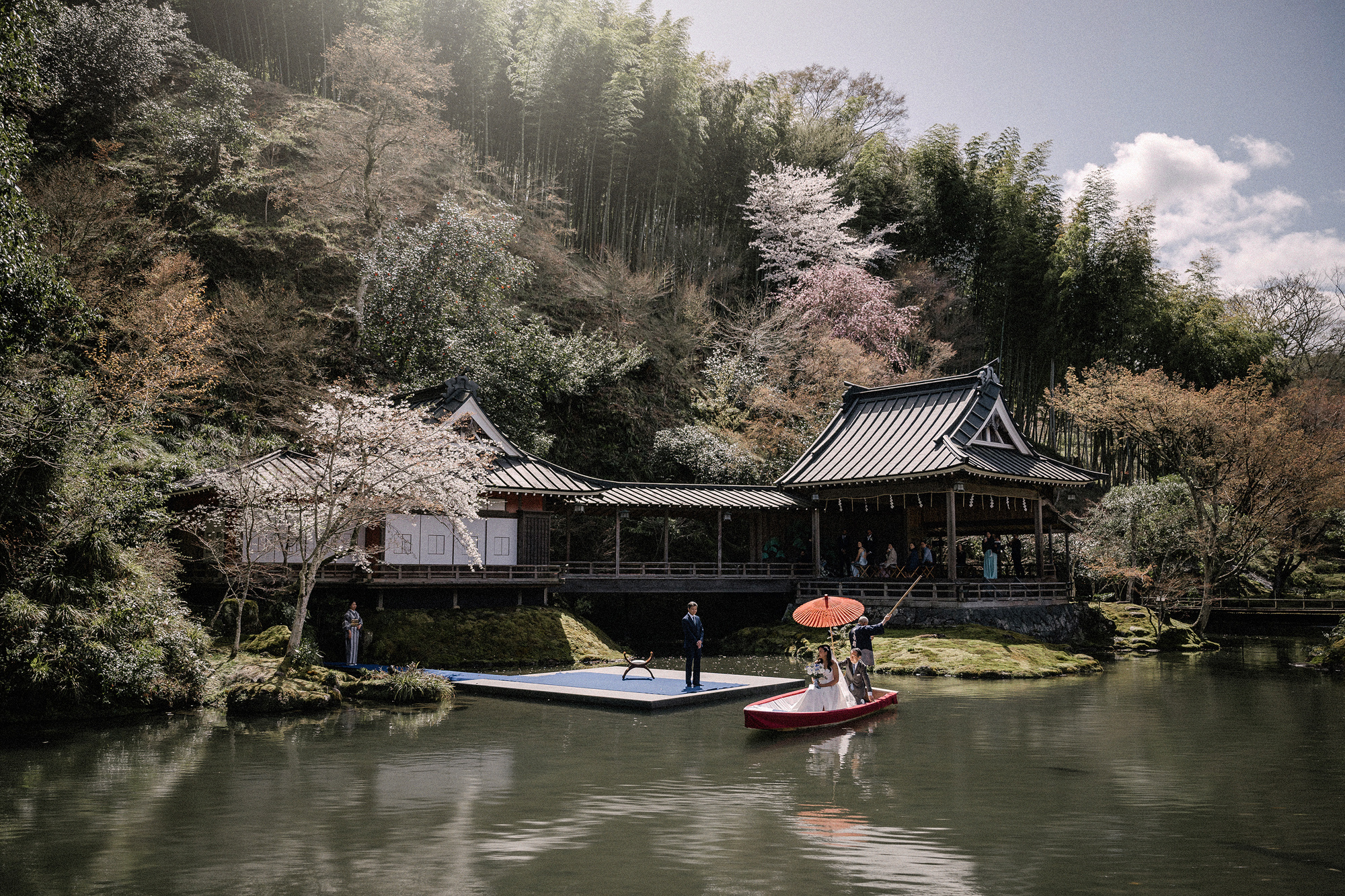
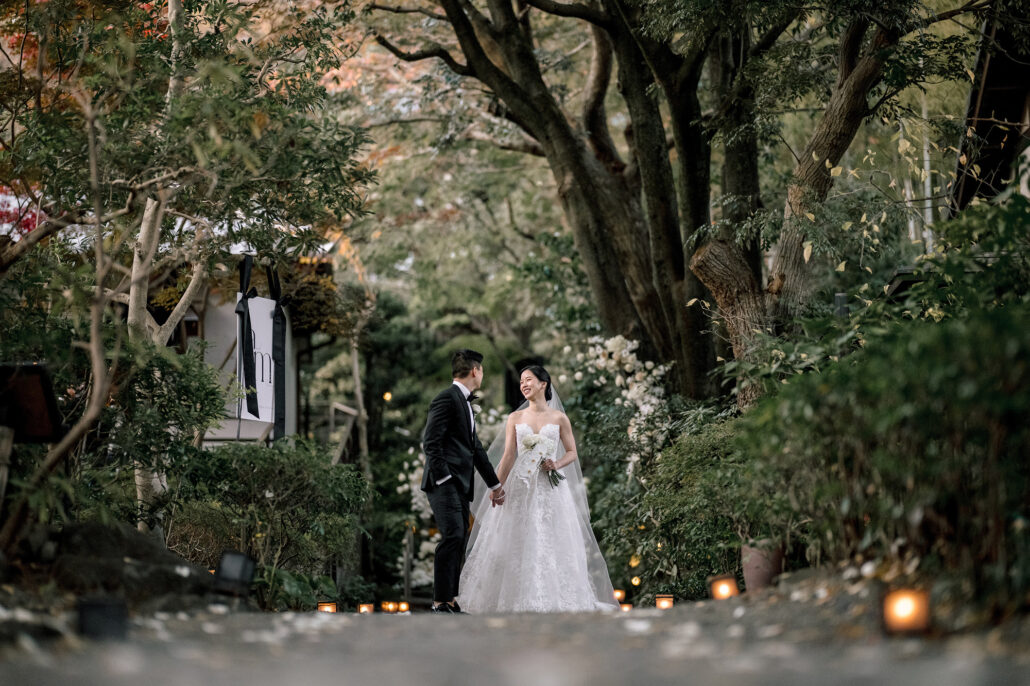
Those places are a garden, an old inn, a shrine on a hillside, a temple, a wooden house that’s stood for a century. They’re small, they’re old, and they belong to someone. You can’t get a crane into a moss garden, and nobody would let you try.
So luxury in Japan grew in a different direction long before anyone called it a trend. It grew towards hospitality, omotenashi, the care that anticipates what you need before you’ve thought to ask for it. At Jinya, a drum still sounds at the door for the guests it welcomes. It grew towards ikebana, where a few stems and the space around them do the work a wall of flowers does elsewhere. Towards a dinner that follows what’s at its best that week. Towards quiet, which in this country is a kind of attention.
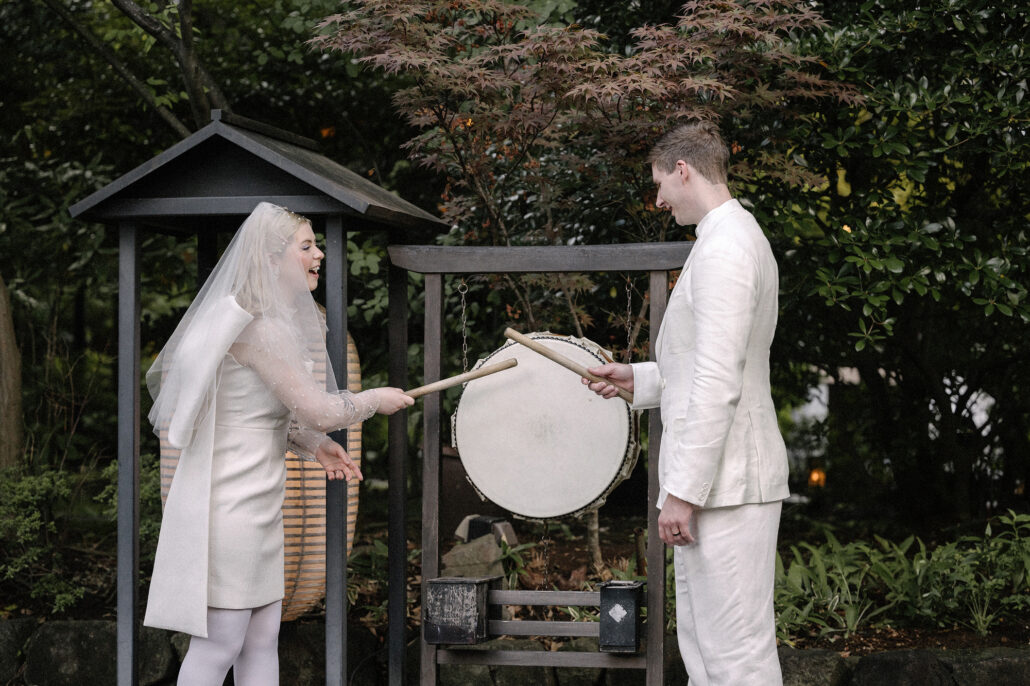
Japan is an understated country. Its luxury comes in smaller things.
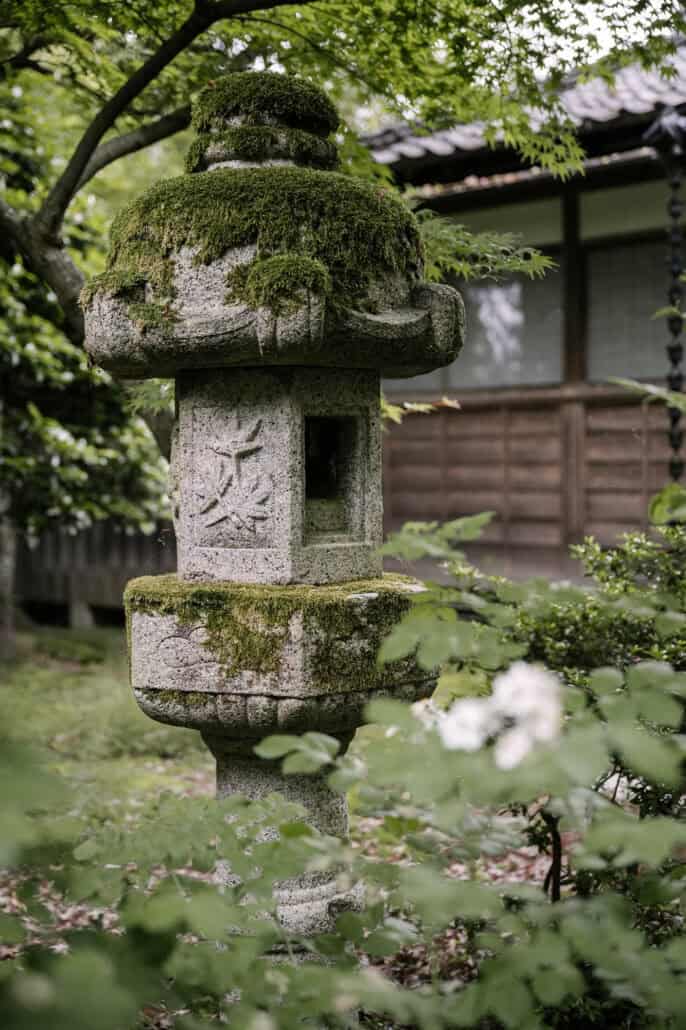
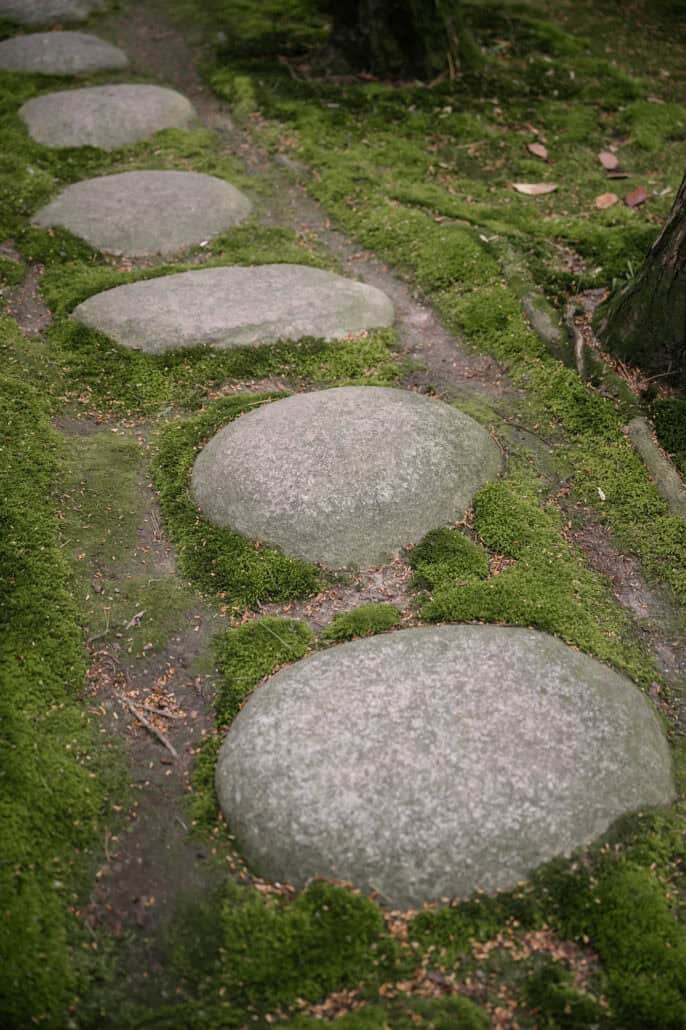
You can’t get a crane into a moss garden, and nobody would let you try.
Simple is the hard part
This is the misunderstanding we’d most have liked to clear up.
A wedding in Japan often looks simple. It looks calm, unhurried, almost effortless, the way a good ikebana arrangement looks as though the branch simply fell that way. Making it is the complete opposite.
It takes more work to make something look spectacularly simple than to make it big. When there are only a few elements, every one of them has to be right: the one branch, the one bowl, the light at the moment the couple walks in, the pause before anyone speaks. Every detail is in plain sight. A giant production can lose a great deal in the noise. A quiet one shows everything, so everything has to be cared for.

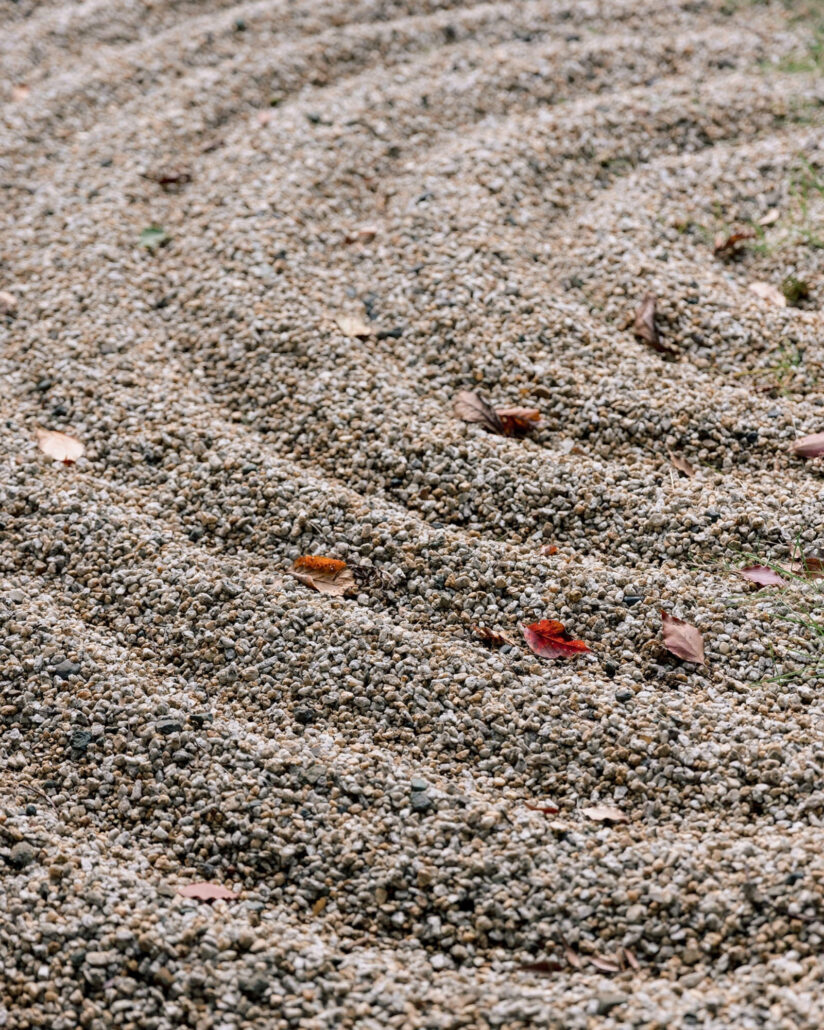
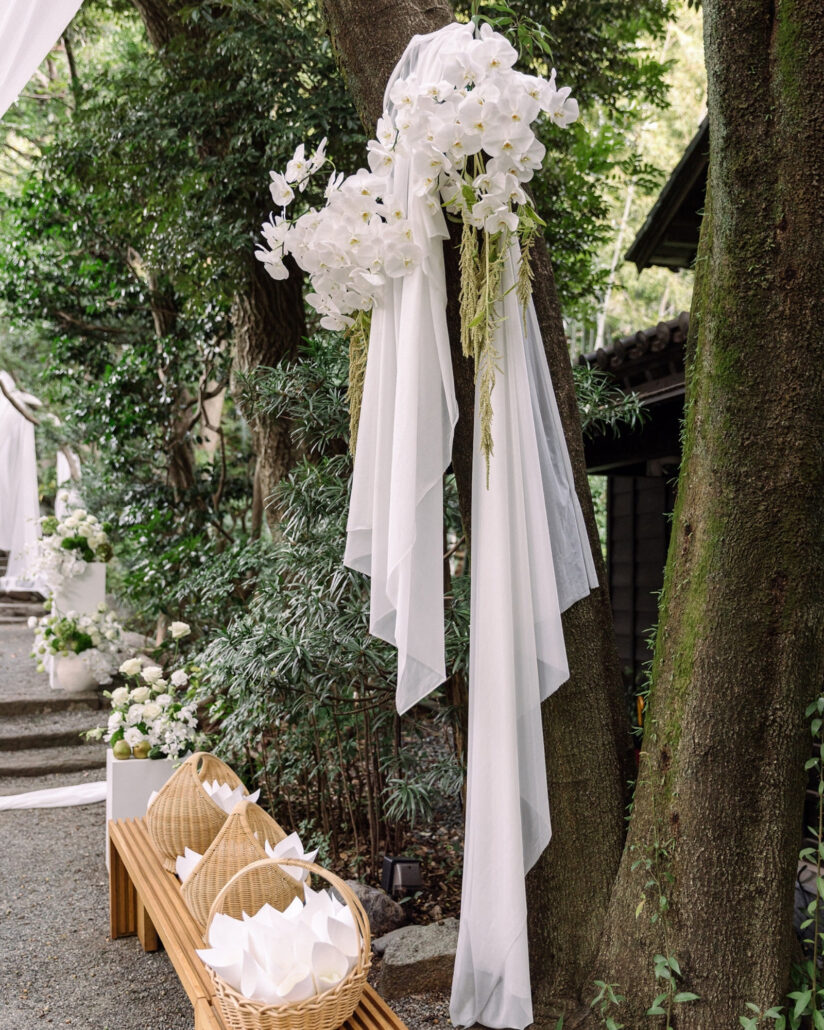


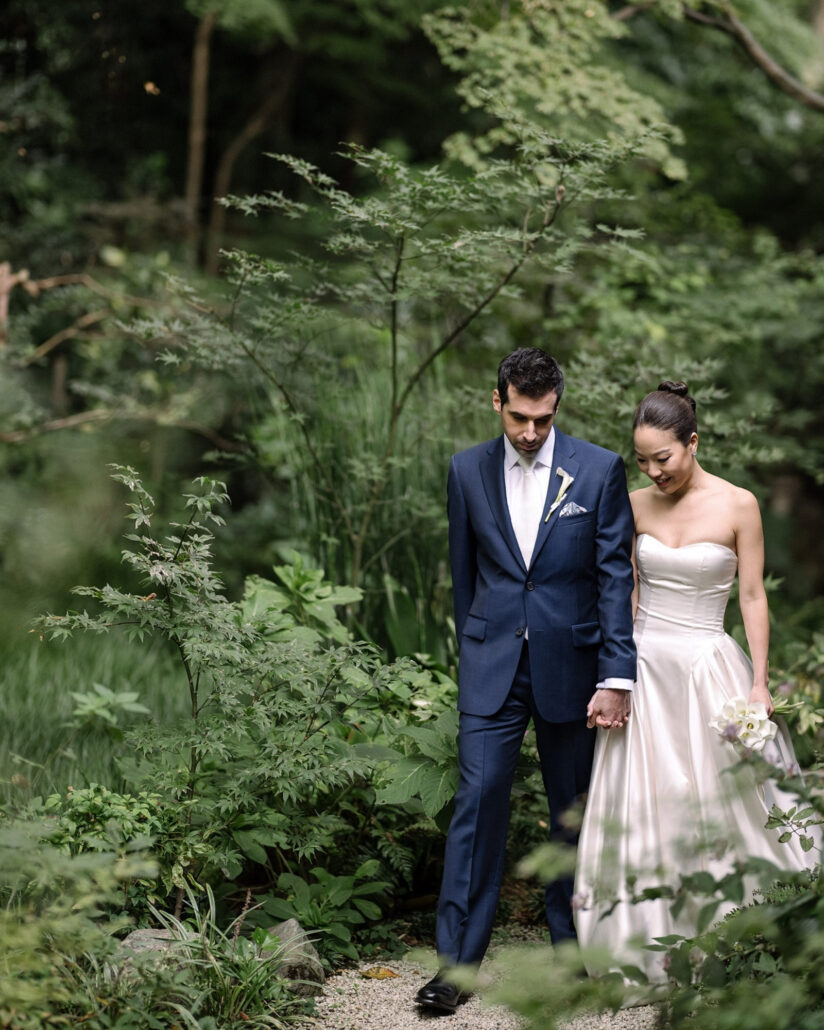


And underneath the calm is everything a guest never sees. The conversations in Japanese with the people who own the place and the people who look after it. The season, which decides the flowers, the food and the light whether you agree with it or not. The rules an old house keeps, which are there because the neighbours will still be there long after the wedding goes home. The rain plan that’s as good as the plan it replaces.
Before a wedding in a bamboo grove, we worked through how one of the mothers would get from the car park into the grounds. The walk would have been hard for her. So there were arrangements with the driver, access to coordinate, and extra time built into the day. It was one line in the transport brief, and it shaped how she would experience her child’s wedding. So much of the care behind a beautiful day begins there.
It takes more work to make something look spectacularly simple than to make it big.
Why luxury weddings are turning to Japan
As the meaning of luxury has shifted, in fashion, in travel, in hotels and now in weddings, the world has turned towards Japan. The honeymoon numbers show it. Honeyfund’s 2026 report, drawn from more than ten thousand of its couples, puts Japan third among honeymoon destinations, behind only Hawaii and Italy. Fora Travel found honeymoon bookings to Japan up 178%, and the busiest months weren’t blossom season but October to December, when the maples turn. Couples who once might have chosen a palace or a vineyard are asking about a ryokan, a garden, a forest shrine. They want the kind of luxury Japan’s old inns and gardens have long practised. And Japan’s own wedding industry is opening its doors to them.
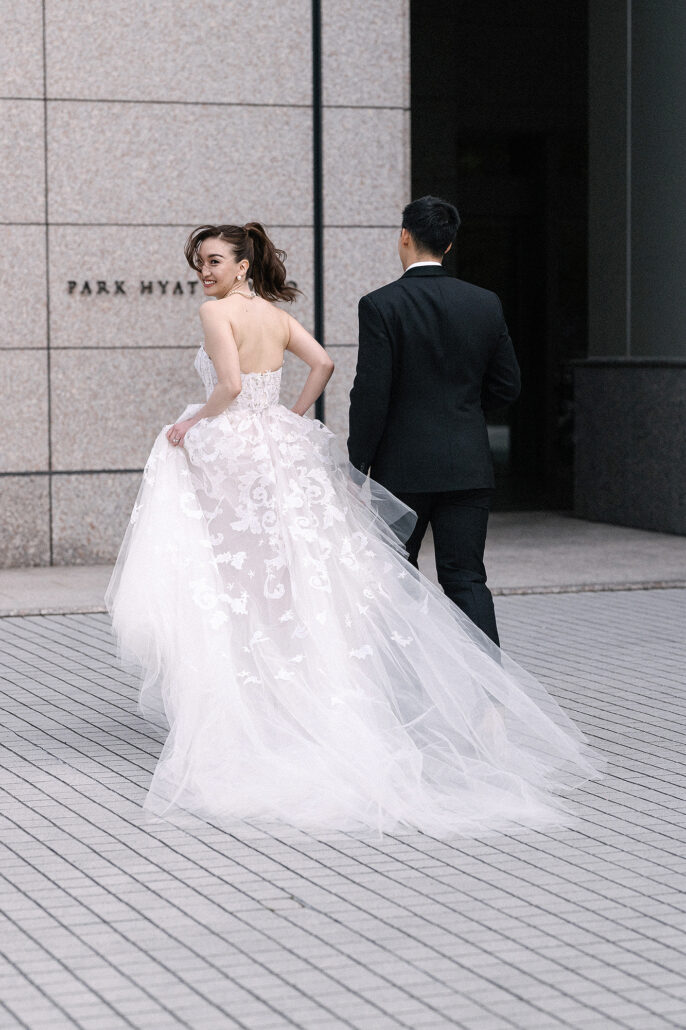
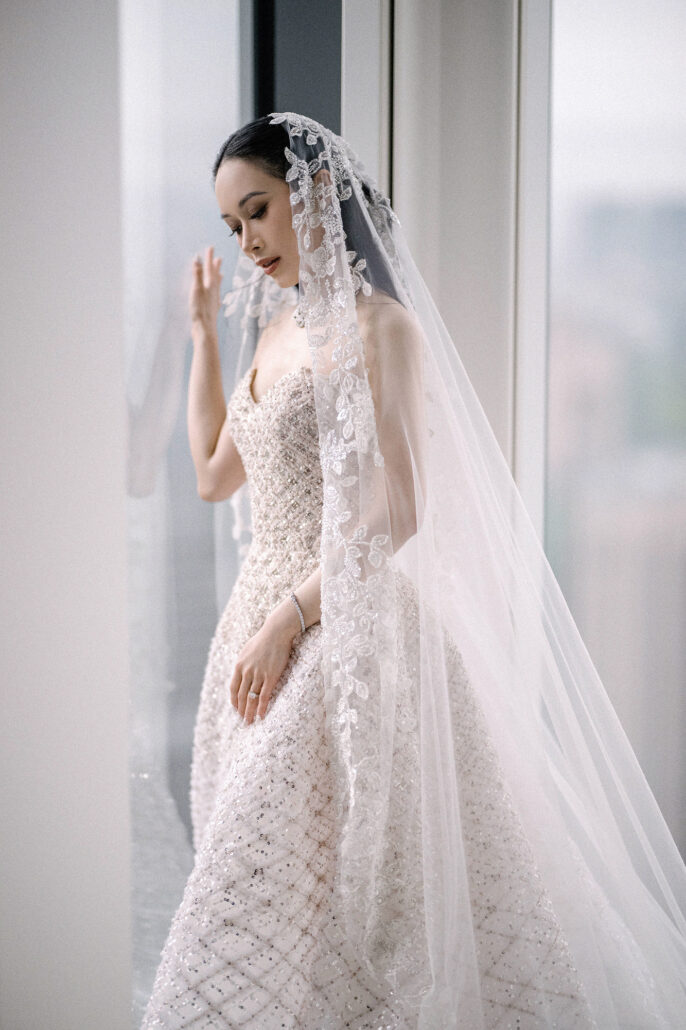
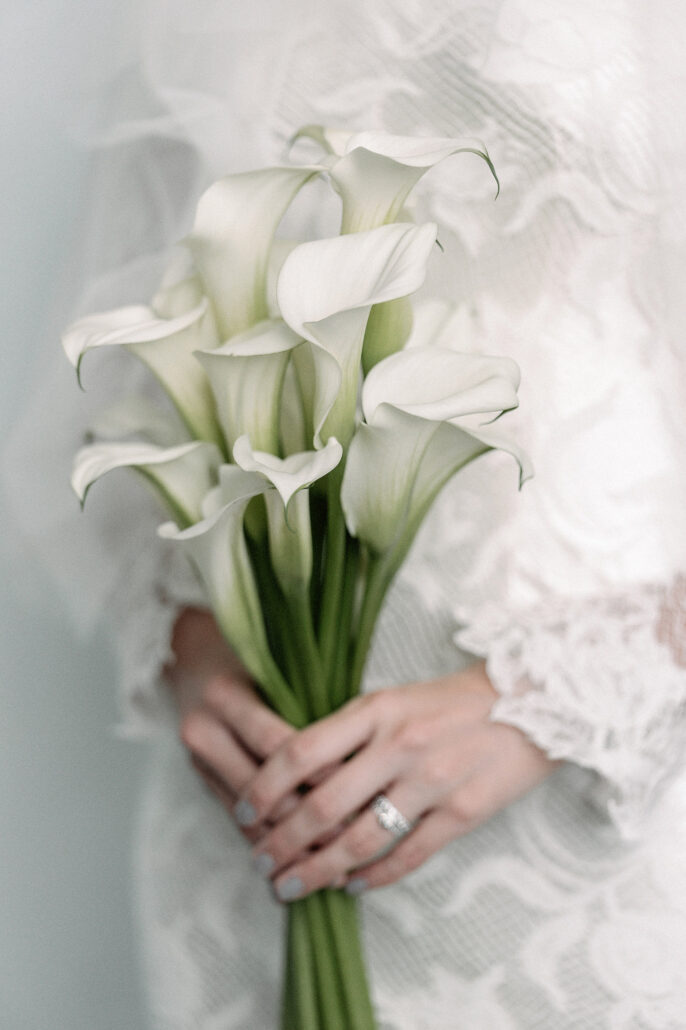
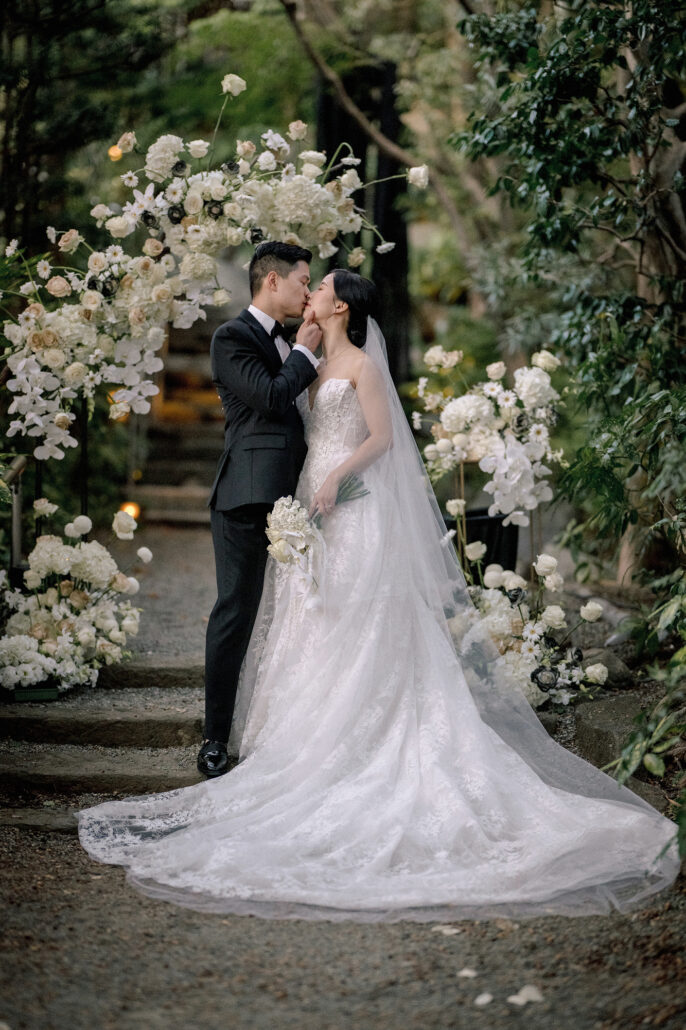
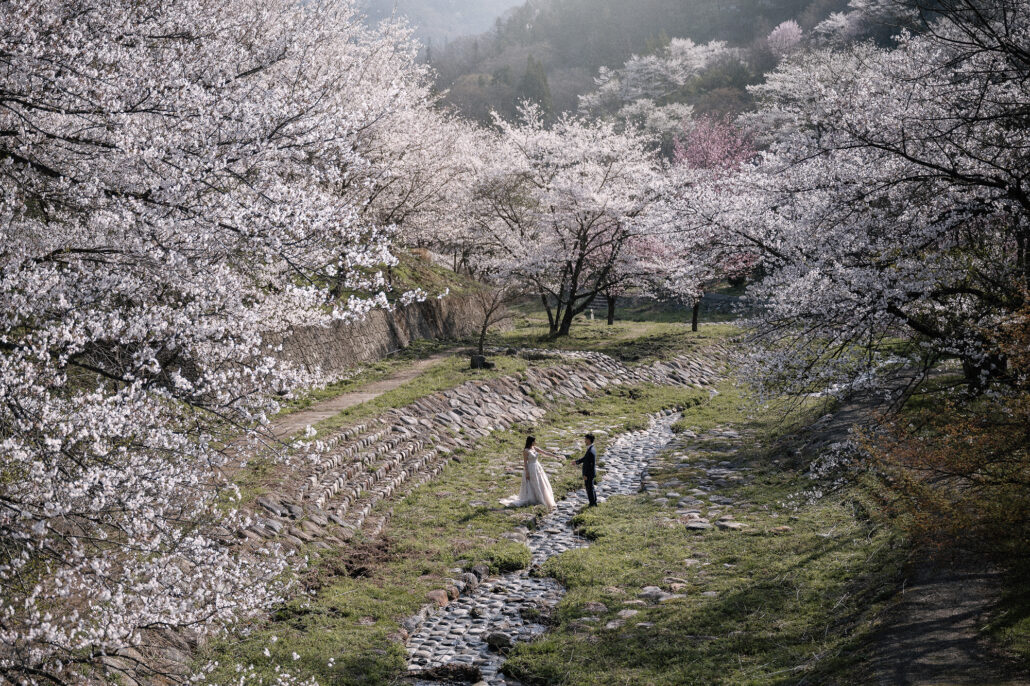
Those of us who’ve been planning weddings here for a long time were already working this way. We didn’t see the trend coming. Japan simply never offered us another way to work. A wedding here needs to be cared for, in every detail, by people who know the place well enough to know what to leave out.
Japan taught us to leave out the urge to fill every moment. When you’ve brought people this far, give them time to be there: a drink on the terrace, a conversation over dinner, a few quiet minutes in the garden. We think carefully about the rhythm of a wedding, including where to leave it alone. Sometimes another activity would take something away from the day.
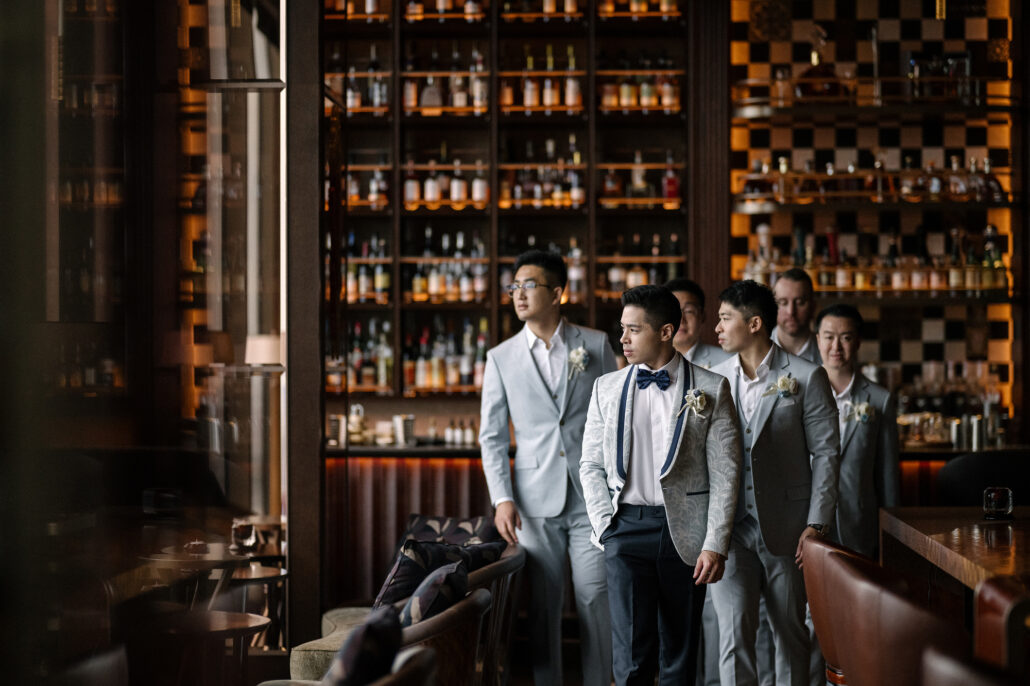
That, more or less, would have been the talk.
What we’d have left them with
Our last slide would have said this.
Scale is not the same thing as care. Let the place lead, rather than bringing a set to cover it. Ask before you build, because the most beautiful places in the world belong to someone. And remember that the couples who are put off by the biggest weddings aren’t asking for less. They’re asking for something truer.
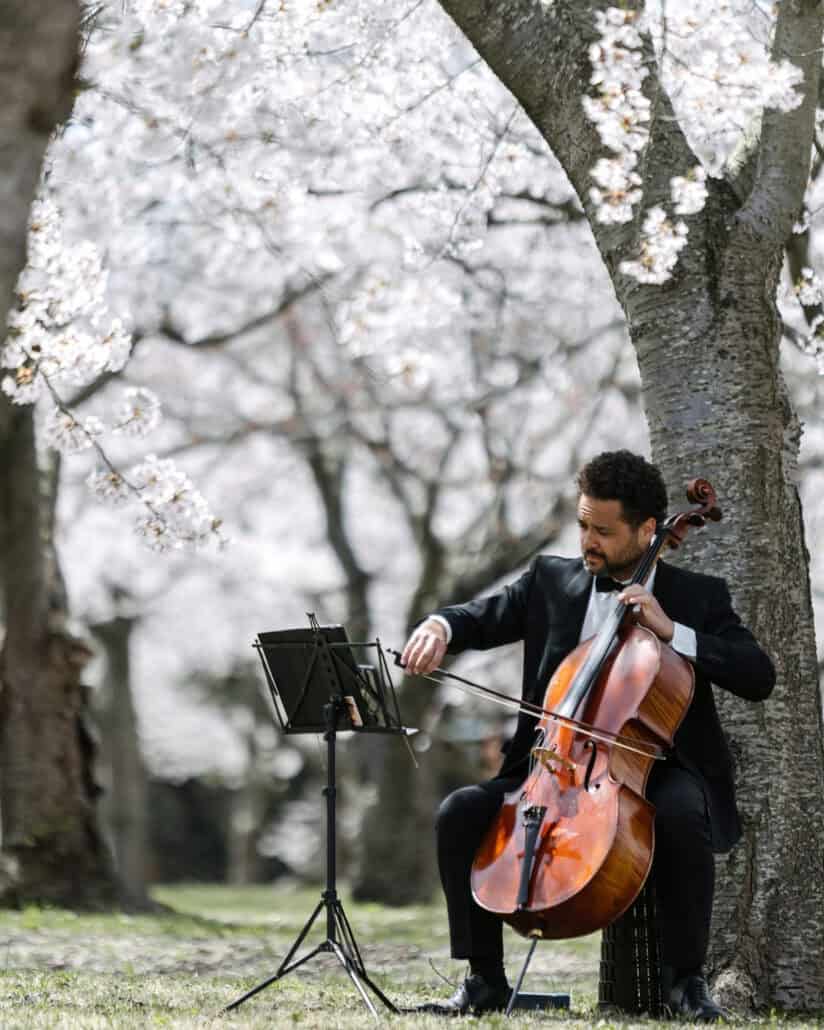
The congress went on without us, as it should. The week it opened, we were in Aomori, at the northern tip of Honshu, where the blossom arrives last on the main island, at one of the most beautiful cherry blossom places we know. It was the last day of full bloom, and the grove was white overhead. Two friends, a cellist under the trees, and a groom who explained, just before his vows, that it wasn’t tears, it was allergies. It was an elopement, and there was no way we were leaving it.
If DWP ever brings the congress to Japan, we’d be glad to show rather than tell. Any month but April.
Written in November 2026. Sources: Destination Wedding Planners Congress; Honeyfund, 2026 travel trends report; Fora’s 2026 wedding report, in Luxury Travel Advisor; National Diet Library, weddings of the bubble years (Japanese).