In 1981, a Japanese designer most of the West had never heard of brought her clothes to Paris. They were black, asymmetric and full of holes, and they didn’t flatter anyone in the way fashion expected. Some of the French press called the look “Hiroshima chic”, and they didn’t mean it kindly.
Rei Kawakubo showed again the next season. And the one after that. In 2017, the Metropolitan Museum of Art gave her a solo exhibition, only the second living designer ever to have one there. The first was Yves Saint Laurent, in 1983.
She didn’t win them over by adjusting. She won by staying.
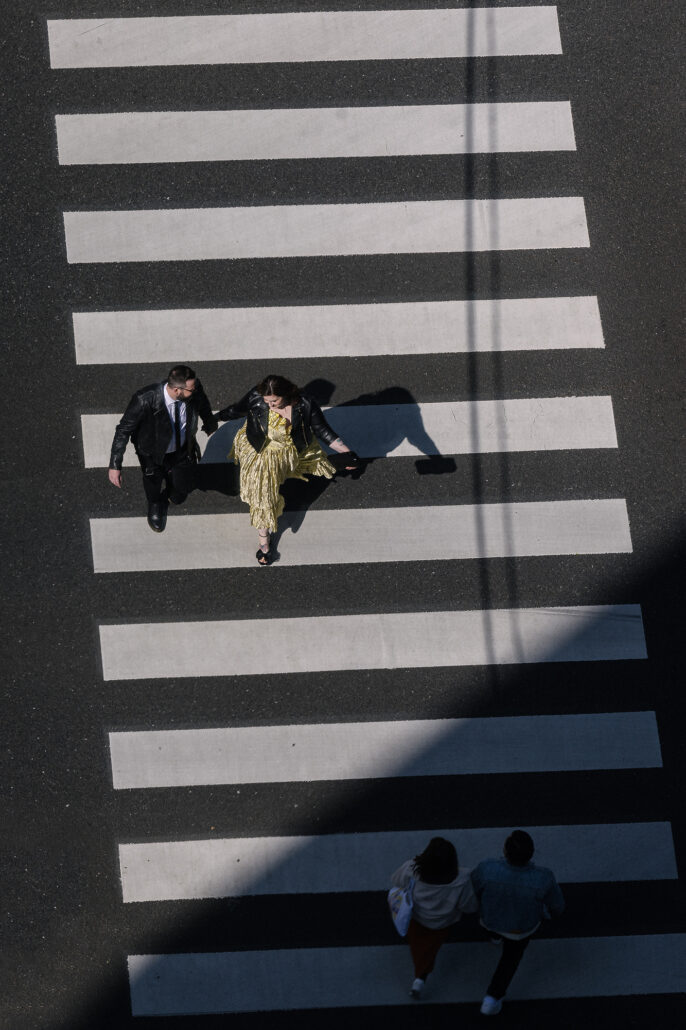
Good Is the Starting Line
We hear regularly from photographers and planners who’d like to work with us, and most of them open with a portfolio. Most of those portfolios are good. Clean edits, lovely light, technically sound.
That’s the difficulty. Presets, tutorials and a shared pool of reference images have raised the floor so far that good is where everyone now begins. Good work gets you a reply. It rarely gets you remembered.
Good work gets you a reply. It rarely gets you remembered.
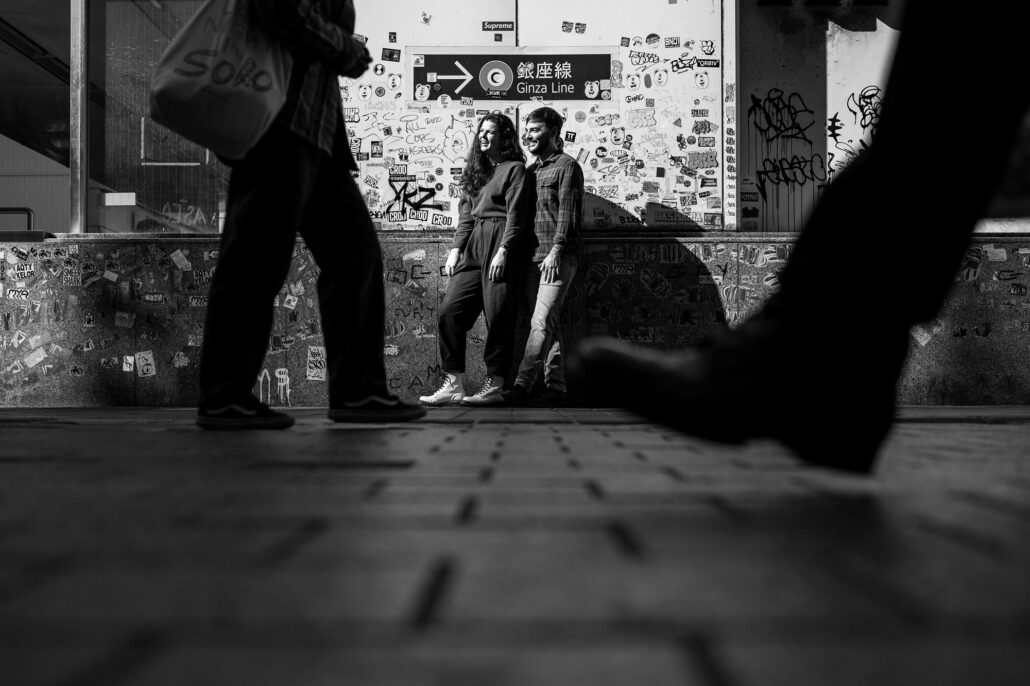
Style Isn’t a Point of View
When people talk about finding their photography style, they usually mean a look. Dark and moody. Light and airy. Film tones, flash, black and white. Those are treatments, and a treatment can be bought for the price of a preset, which is why so much wedding work now looks as if one person made it.
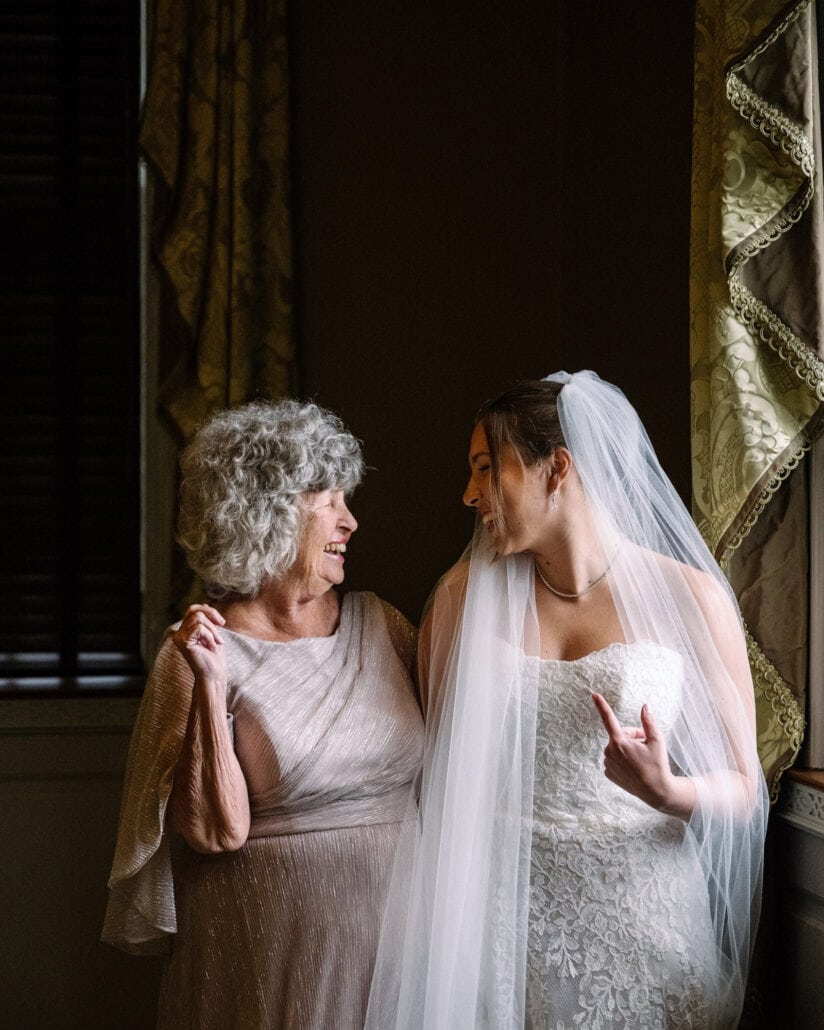
A point of view sits underneath the look. It’s what you notice and what you leave out, because of what you believe a wedding is for. Two photographers can stand in the same room at the same moment and come away with different weddings. One photographed the dress. The other photographed the grandmother watching it go on.
One photographed the dress. The other photographed the grandmother watching it go on.
Kawakubo’s clothes were never just a look. They were an argument about what beauty could be. The look could be mocked. The argument survived, because it was hers.
Where Ours Came From
We didn’t find ours in a workshop. Japan gave it to us slowly, by living here. The space between things doing as much work as the things themselves. Silence treated as part of a room rather than a gap in it. The moment before the moment, which is so often better than the moment. We didn’t realise any of this was unusual until we worked abroad and found that what felt ordinary to us looked distinctive to everyone else.
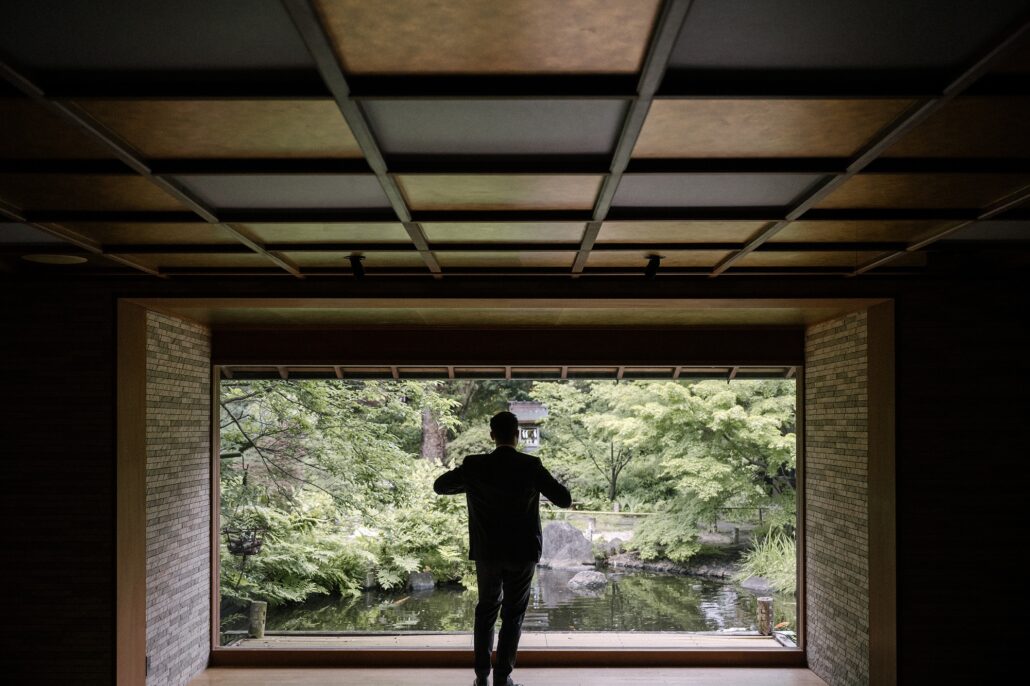
Yours will come from somewhere else. Your upbringing, your first job, the thing you can’t stop noticing at every wedding you work. That recurring attention is your point of view, trying to get your attention.
How to Find It
Start by looking at less wedding work. A month without scrolling other photographers’ portfolios feels uncomfortable, and that’s the point. A constant diet of the same frames trains every eye towards the same frame. A month away won’t make you less skilled. It will make you more yourself.
Then feed your eye from outside the industry. Documentary, architecture, theatre, woodblock prints, cinema, whatever genuinely stops you. The industry is very good at echoes. The world is where the source material is.
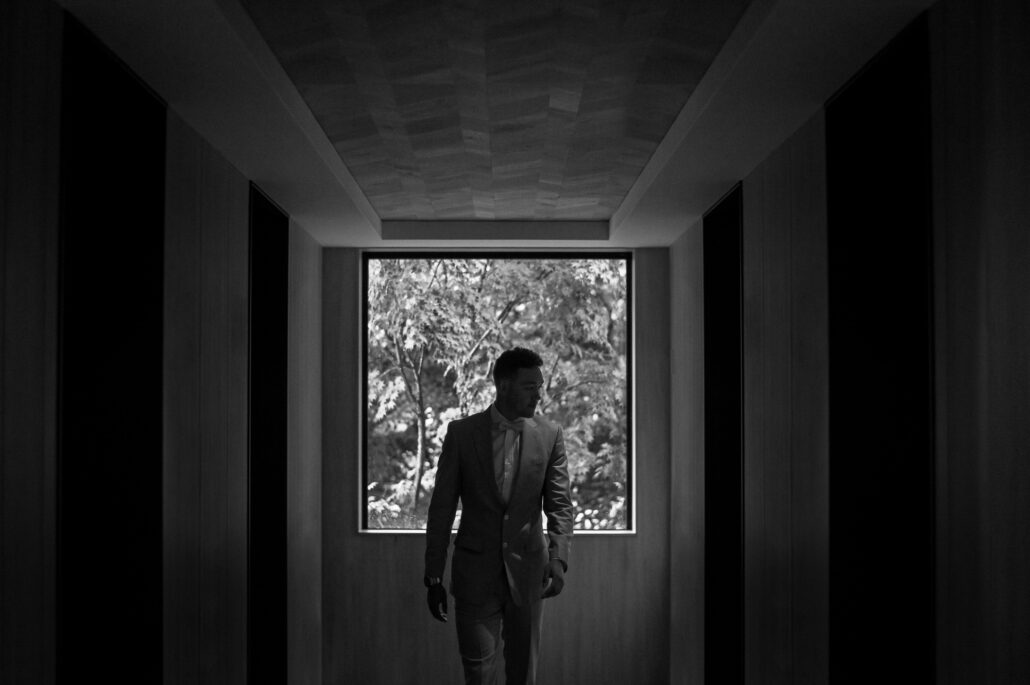
Finally, write down what you believe a wedding is for. Not what it looks like. What’s actually happening in that room, what’s sacred and what’s overrated. Your answer won’t match anyone else’s, because your life doesn’t. Let the work answer to it.
The Long Way Round
A point of view costs something. It loses you the couples who wanted the other thing, and early on that can feel like losing work. It helps to remember the detail in Kawakubo’s story that’s easy to skip: she refused to soften when she was unknown, not after she was famous. The couples who find you because of what you believe are the ones who’ll trust you on the day, and they tend to send you the next couple who believes it too.
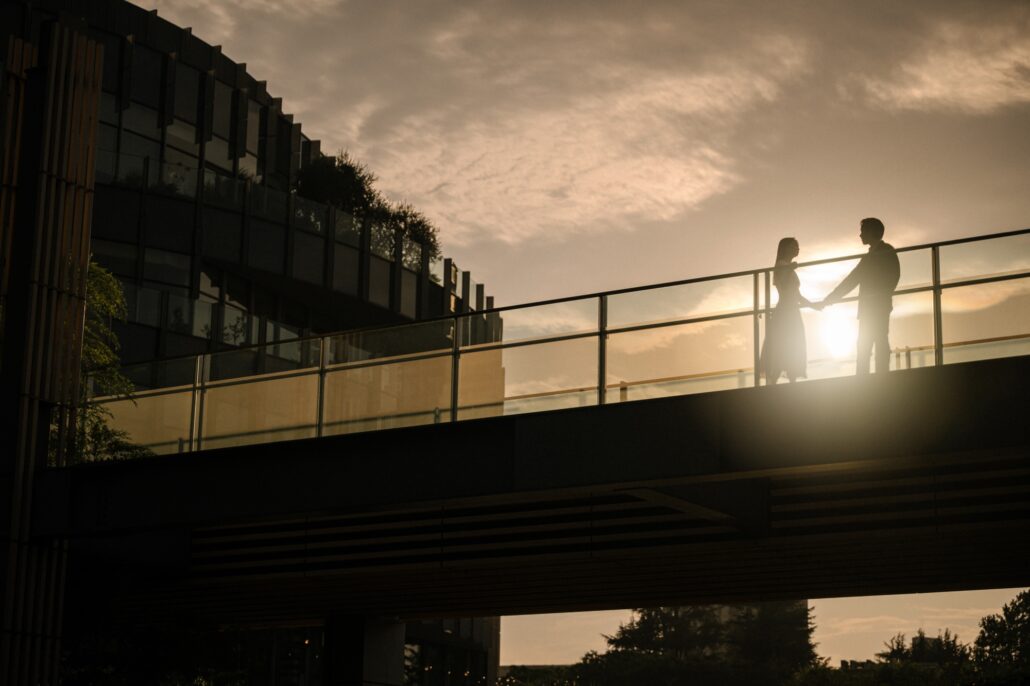
Paris called it an insult. She showed it again. That’s most of the method: know what you believe, and keep showing it.