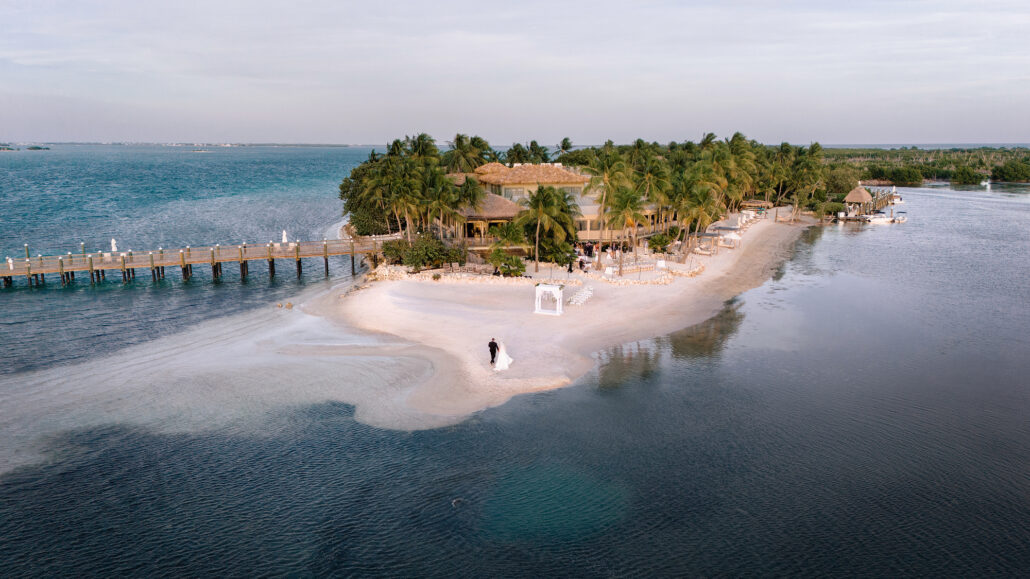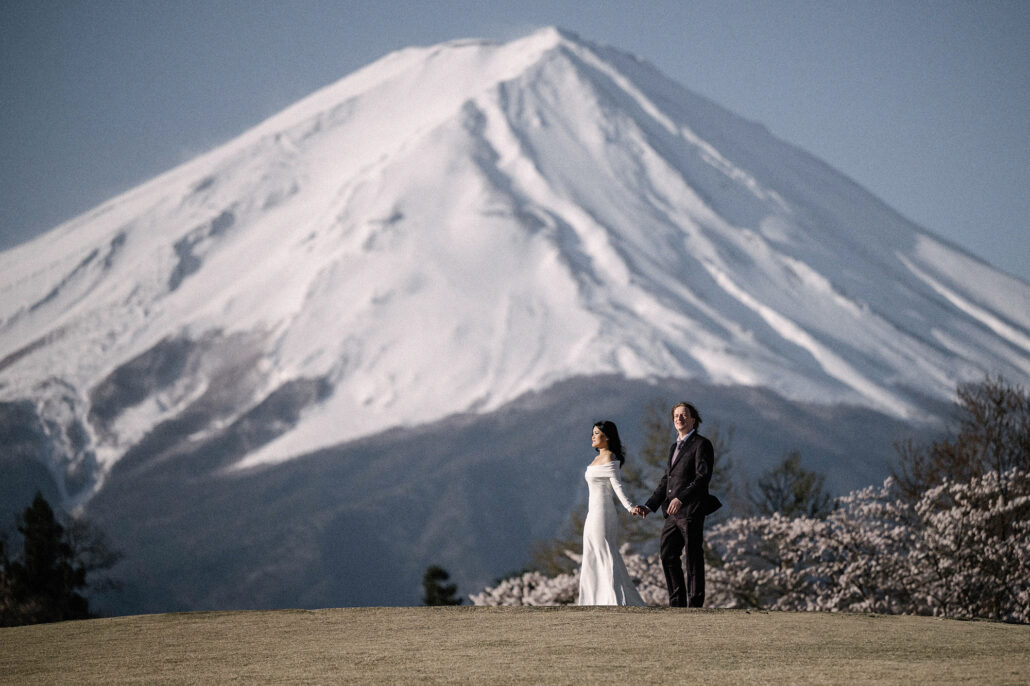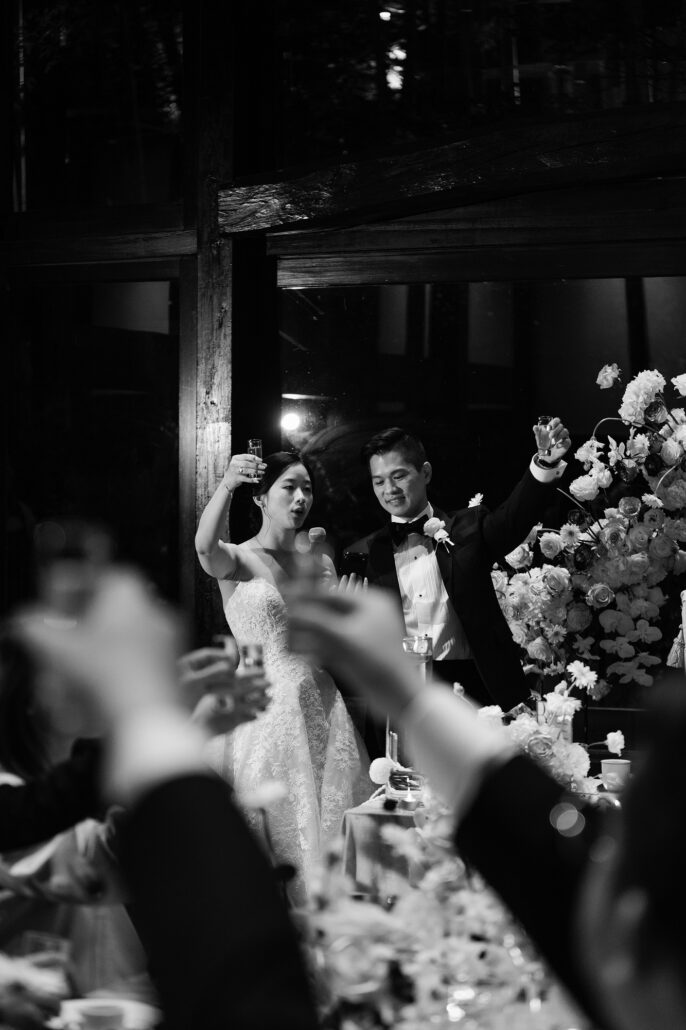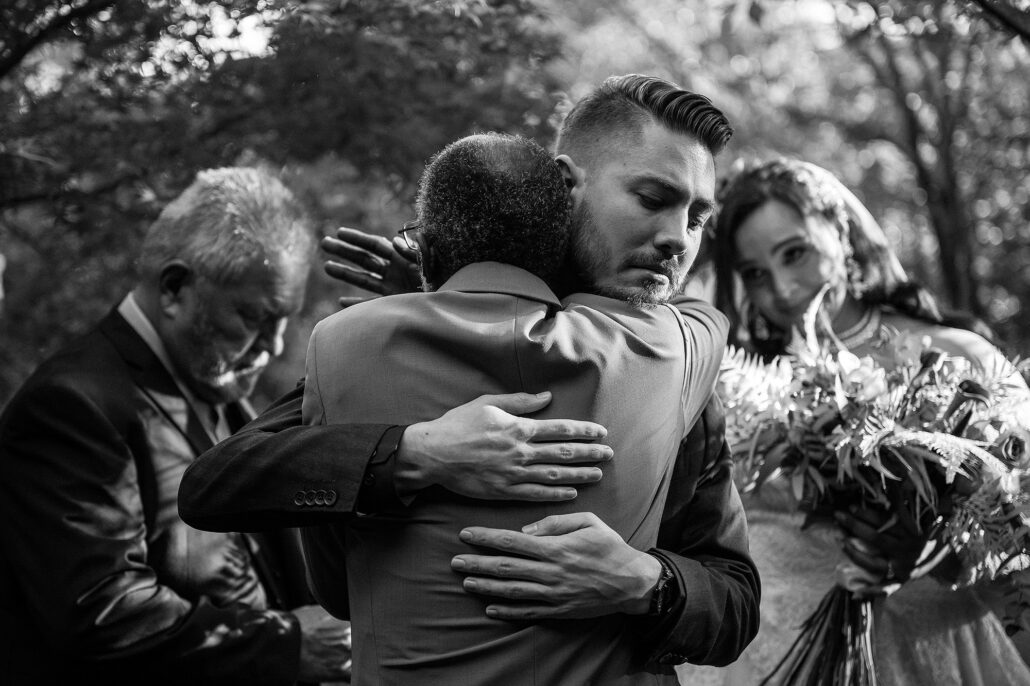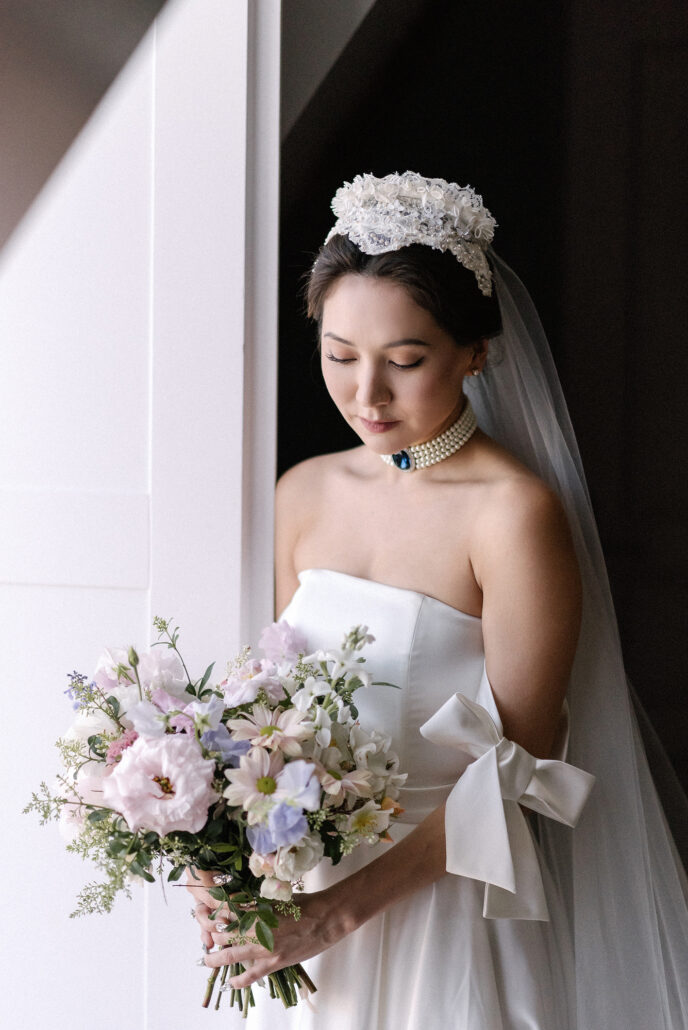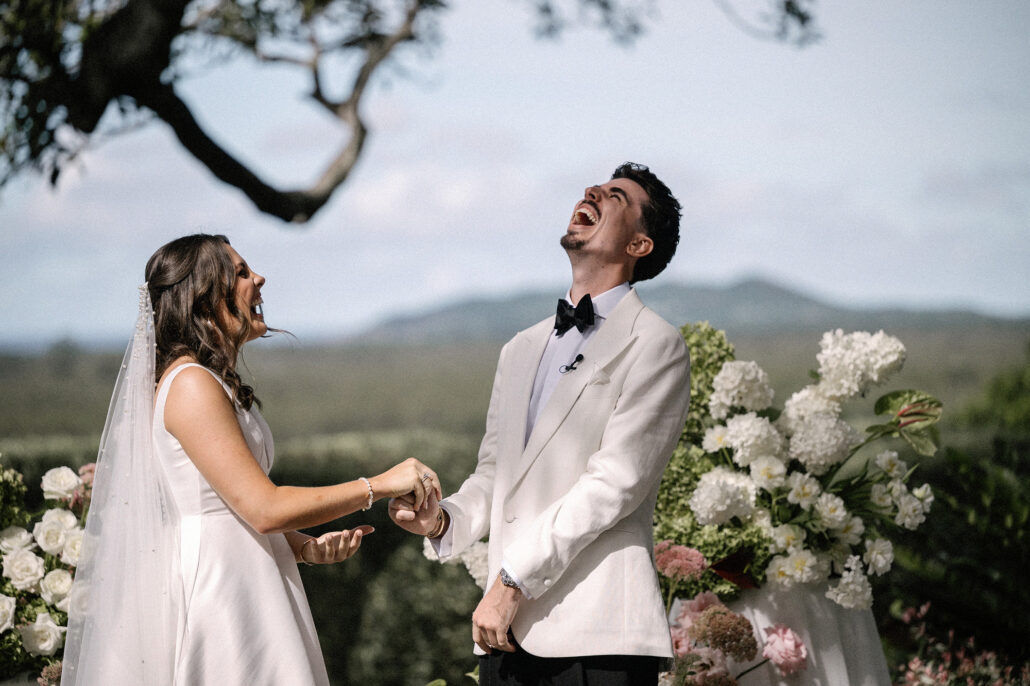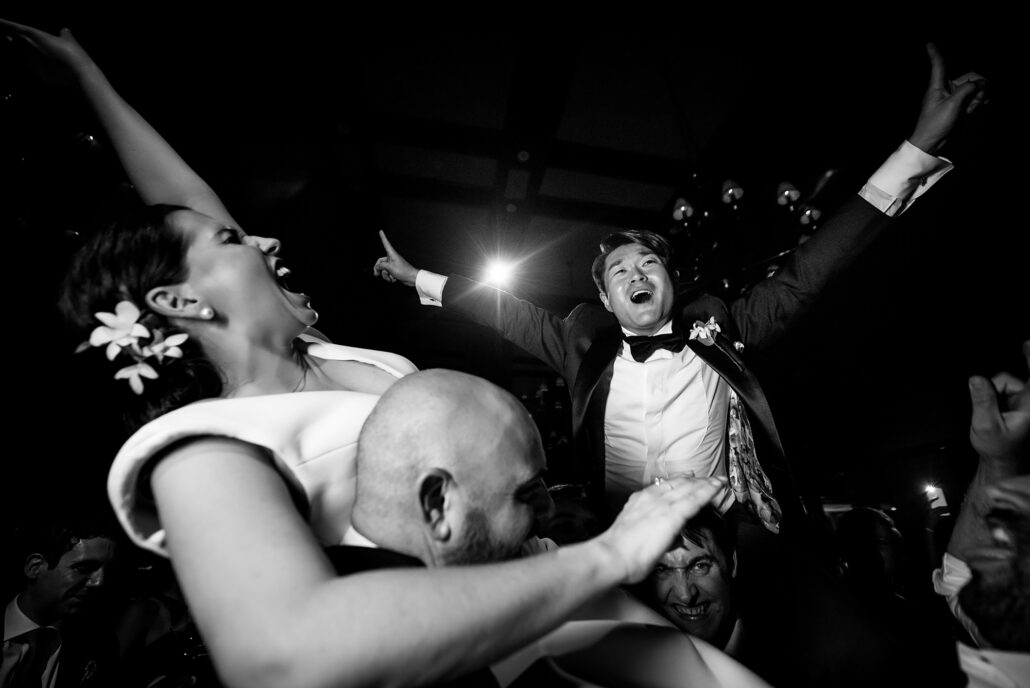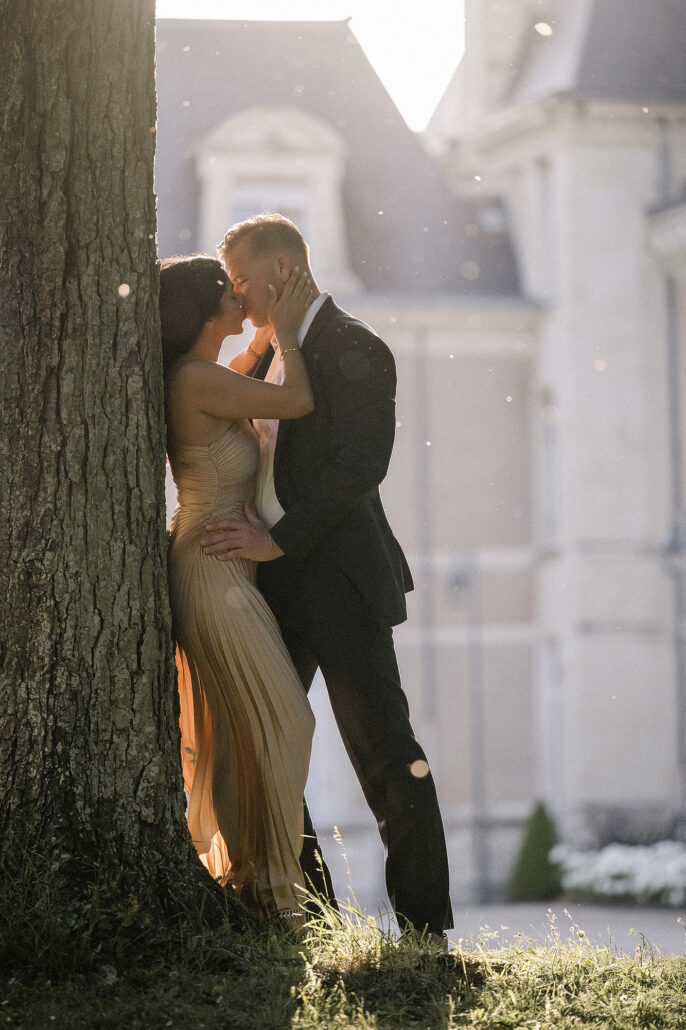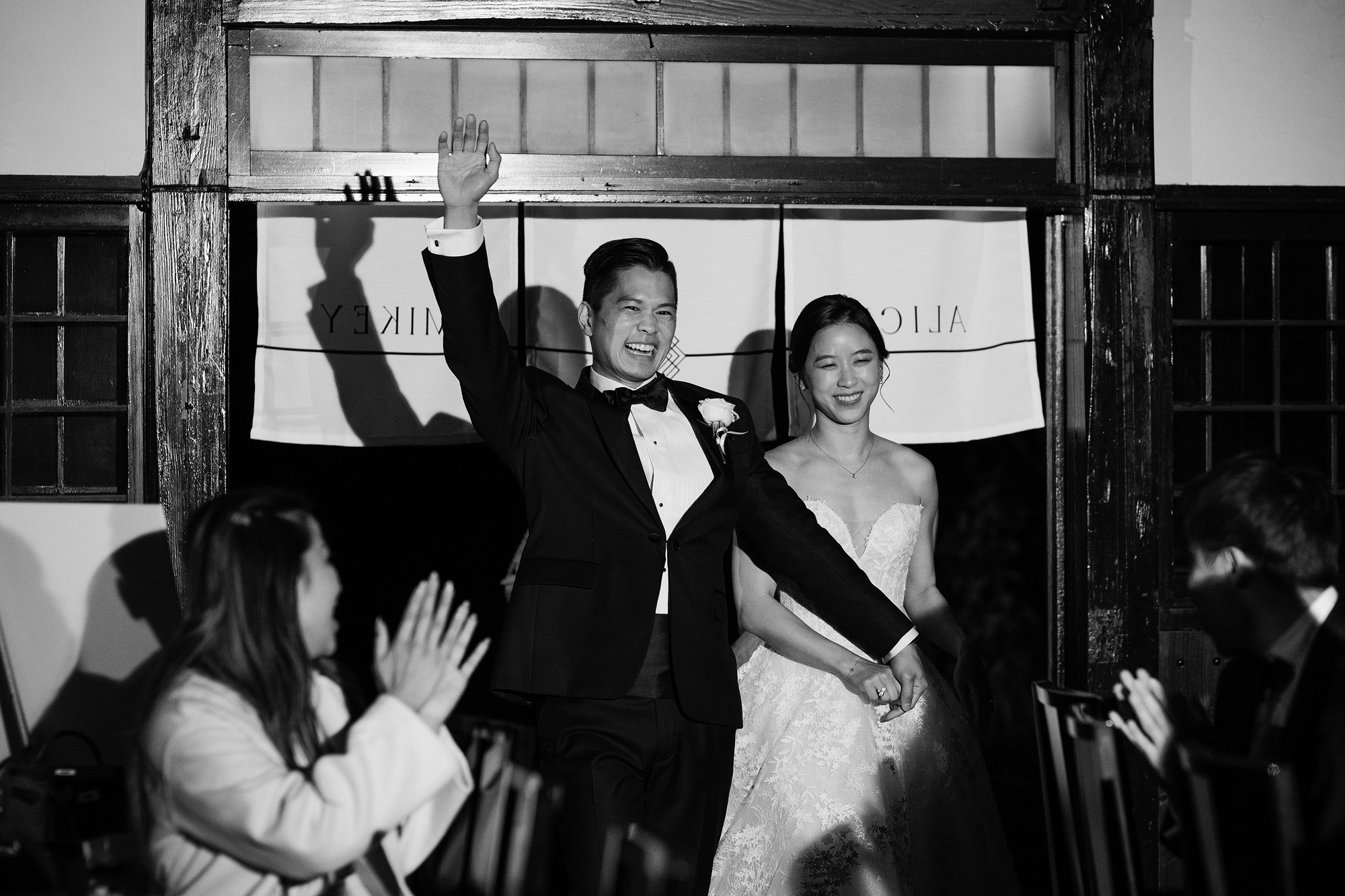
For several summers in the mid-2010s, Asuka Book, the album company, took us around Japan to speak to the country’s wedding professionals: Tokyo and Fukuoka in 2014, Sapporo and Osaka in 2015, Nagoya in 2016. Rooms of several hundred people, a translator beside us. One of the last talks we gave in those years, in 2016, was about nothing but destination weddings: why couples from overseas were falling in love with this country, and what it would take to marry them here. This was years before Japan had destination wedding companies of its own.
We pitched it high. These were experienced professionals, and the last thing we wanted was to talk down to them. We showed them our weddings in Italy and Bali. We talked about the psychology of international couples. About how a couple from India, a couple from China and a couple from Australia arrive with completely different lives behind them, and can’t all be fitted into one mould. About the internet, and how couples were starting to choose a country before they chose a venue. We thought it went well.
Then we asked for questions.
Usually the hands went up quickly, often about pricing. This time the room was silent, for long enough that everyone noticed. Finally a man at the back raised his hand. He’d listened carefully, he said.
But what is a destination wedding?
What Is a Destination Wedding?
It was a fair question, and the honest answer is that we’d started in the middle. It also deserved a better answer than one line, because there isn’t just one kind.
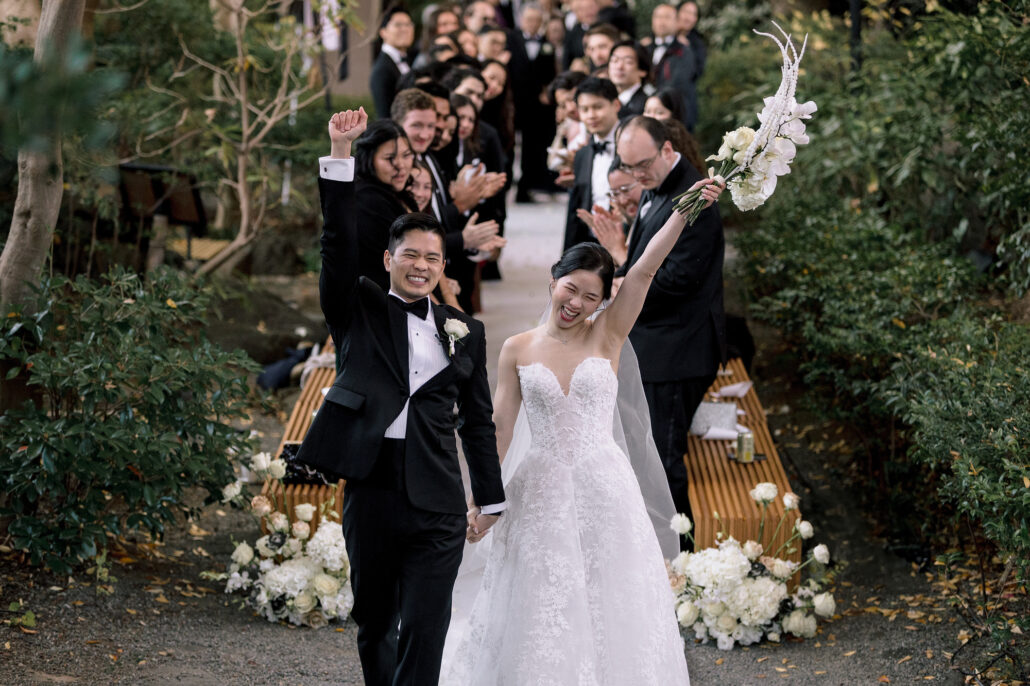
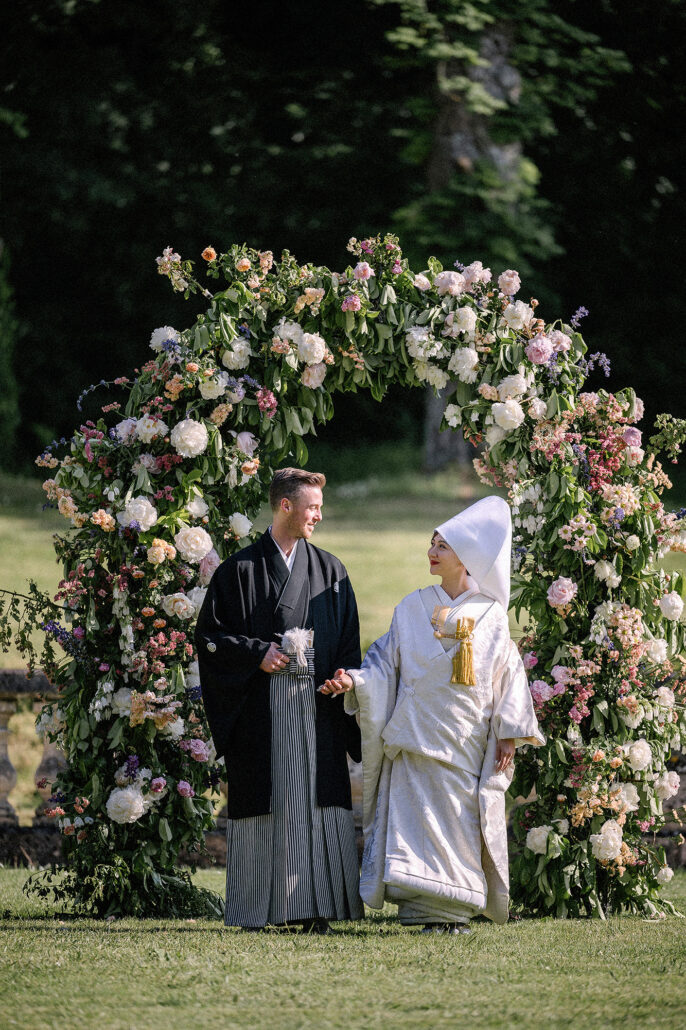
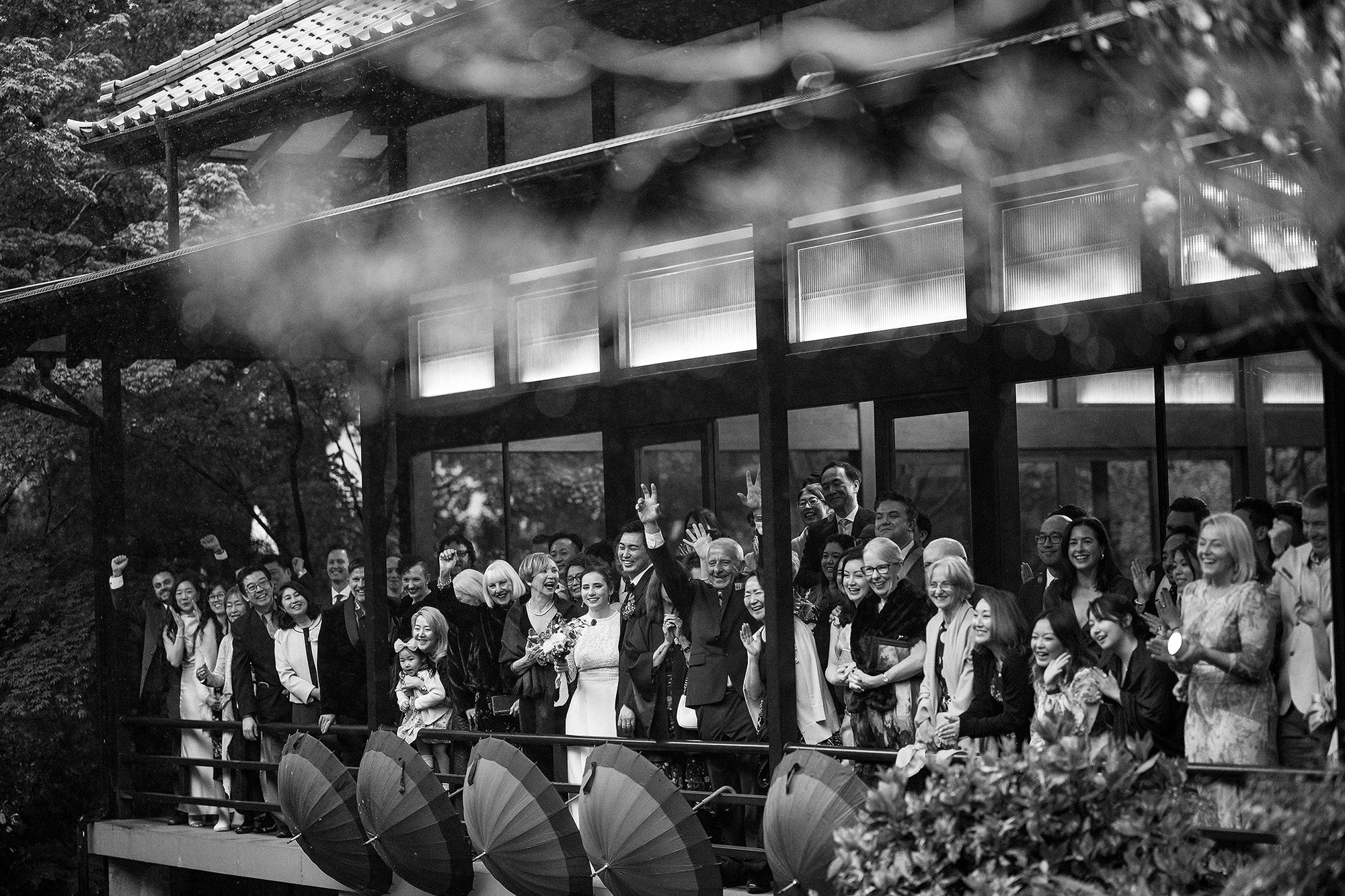
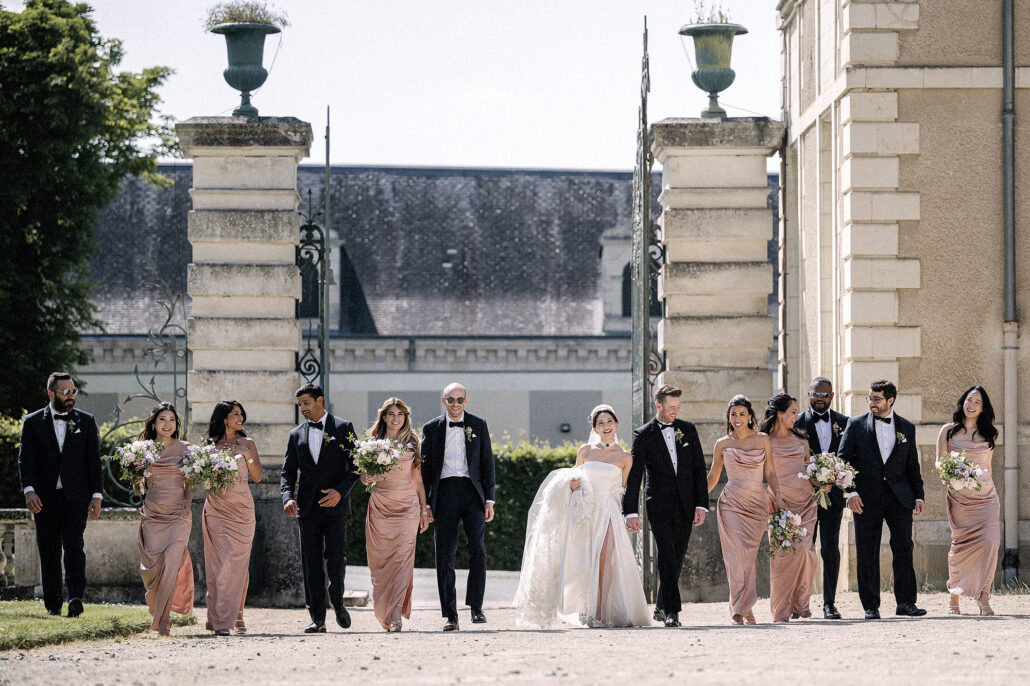
Sometimes it’s a couple and everyone they love travelling to a country none of them has shared before. Sometimes it’s a couple who came on holiday, fell for a place, and want their people to see why. Sometimes the couple already live there. One couple of ours, from Europe, live and work in Japan, and they brought their families and friends across the world to see the place where they fell in love and built their life together.
What they have in common is that the place is part of the reason. The couple and the people they love travel, usually for several days, and the place becomes part of the celebration rather than a backdrop to it. And there’s one thing a destination wedding isn’t: a wedding format that already exists, with guests flown in to follow it.
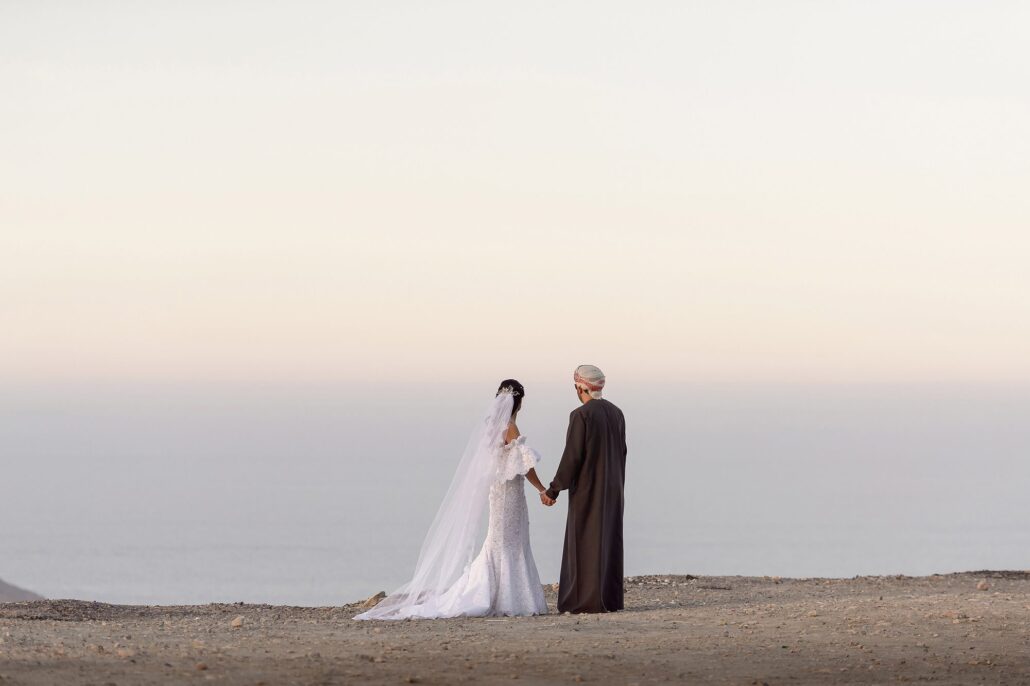
In much of the world destination weddings have been ordinary for generations. Couples marry in Italy, Bali, Mexico and the Caribbean. As travel opened up, they went further, and we found ourselves marrying couples in Iceland and other places nobody they knew had married before. They began looking for exotic. Different. And somewhere incredibly memorable. Most of the couples we work with grew up going to weddings like this. They know what a welcome dinner is for before anyone explains it.
For the man at the back, none of that was part of his working life, and he wasn’t alone. In our experience, ten years ago almost nobody in Japan’s wedding industry had a word for what we were describing. Japanese couples have also married abroad for decades: in 2005 alone, by one industry count, nearly 45,000 of them, more than half in Hawaii. But those weddings were usually sold by Japanese travel companies and run by Japanese-speaking teams, often in hotel chapels built for exactly that. A Japanese wedding held overseas is still a Japanese wedding. Japan even has its own destination weddings. Before the pandemic, Okinawa hosted around 17,000 resort weddings a year, and nearly nine in ten of those couples came from elsewhere in Japan. What we were describing ran the other way: couples from everywhere else, flying in to experience Japan itself.
We’ve always said you can’t explain the colour red to someone who has never seen red. We’d spent two hours describing shades of it. (Don’t worry!! We got better at it. Thank you all for your patience!!)
Why We Wanted Japan to Know
By 2016, destination weddings were taking us all over the world. In the few years around those talks, weddings took us to San Francisco and Napa, to Sayulita on Mexico’s Pacific coast, to a lakeside Ritz-Carlton in Georgia, to Guam, Noosa and Brisbane, to Bali and Venice, Las Vegas and Houston, the mountains of Montana, Norway, Iceland and Hong Kong, and twice to Vietnam, for a wedding in the Prime Minister’s family. We loved every one of those trips. We loved every one of those destination weddings. But Japan is our adopted home, the place we love more than anywhere, and we didn’t want to keep leaving it to do the work we loved most. We wanted the couples to come here.
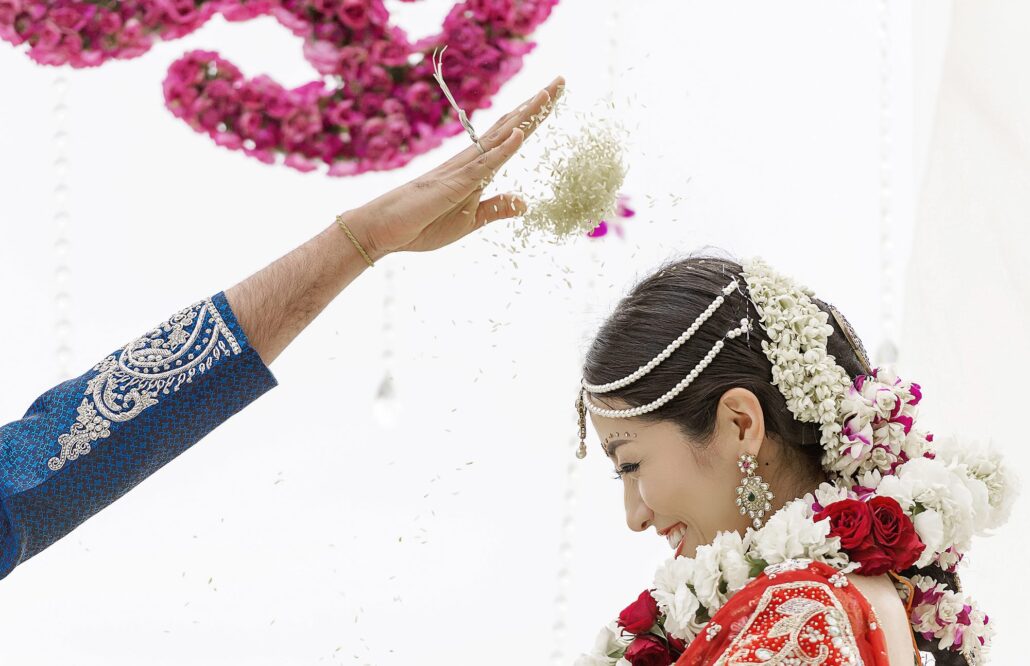
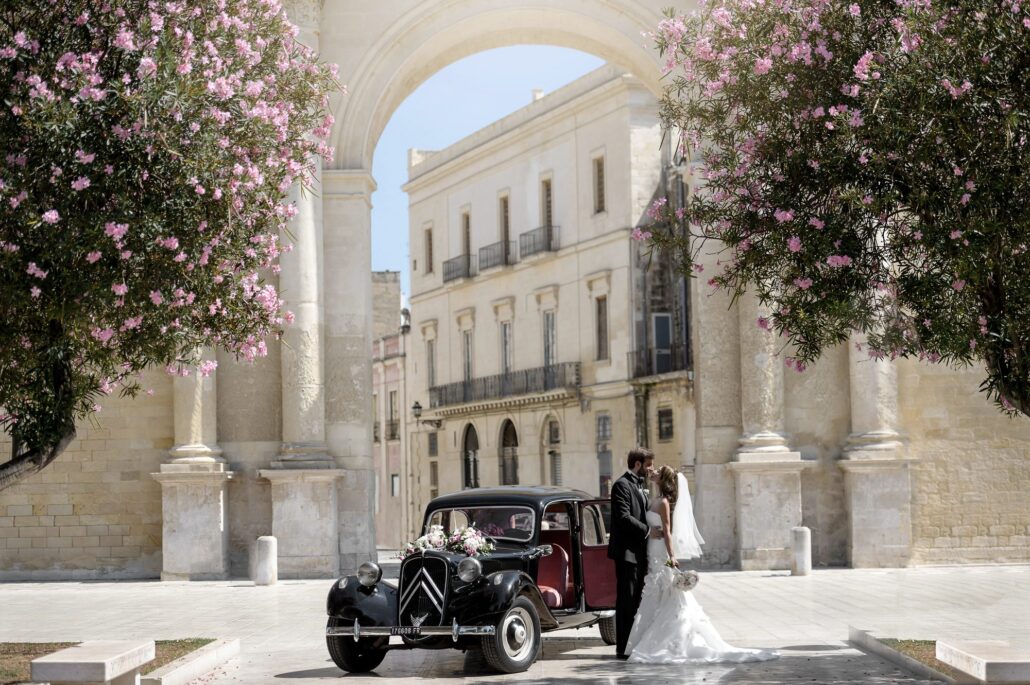
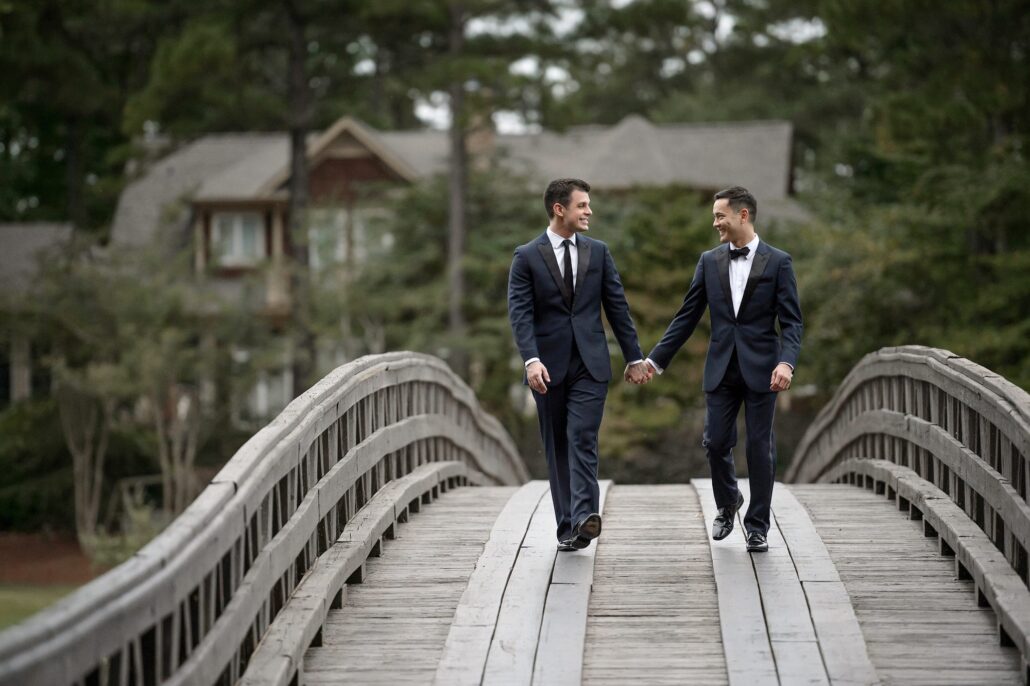
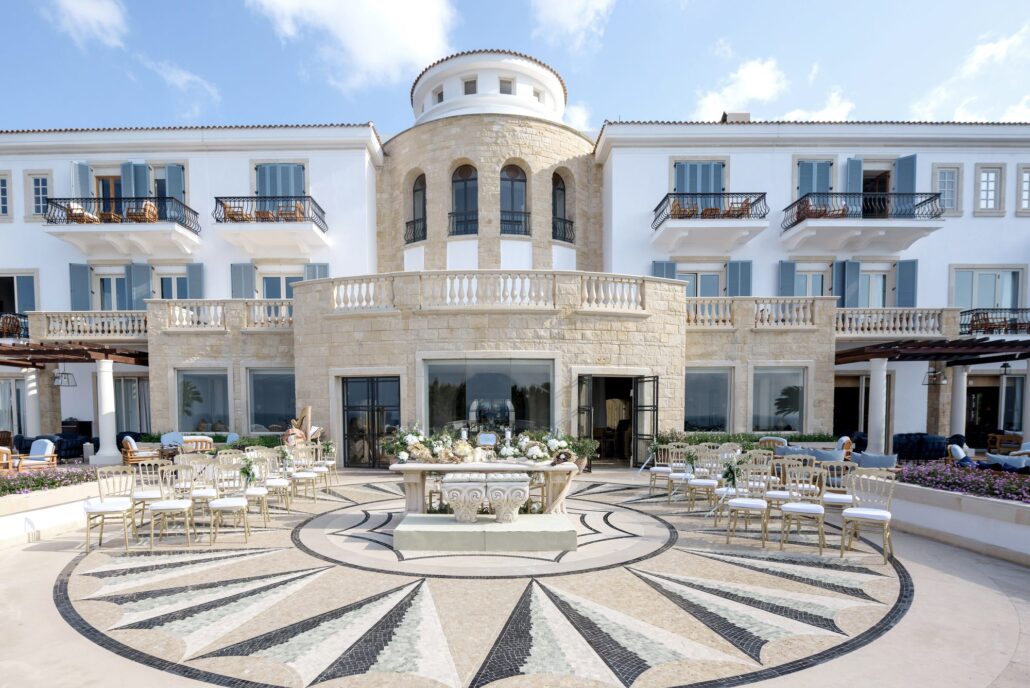
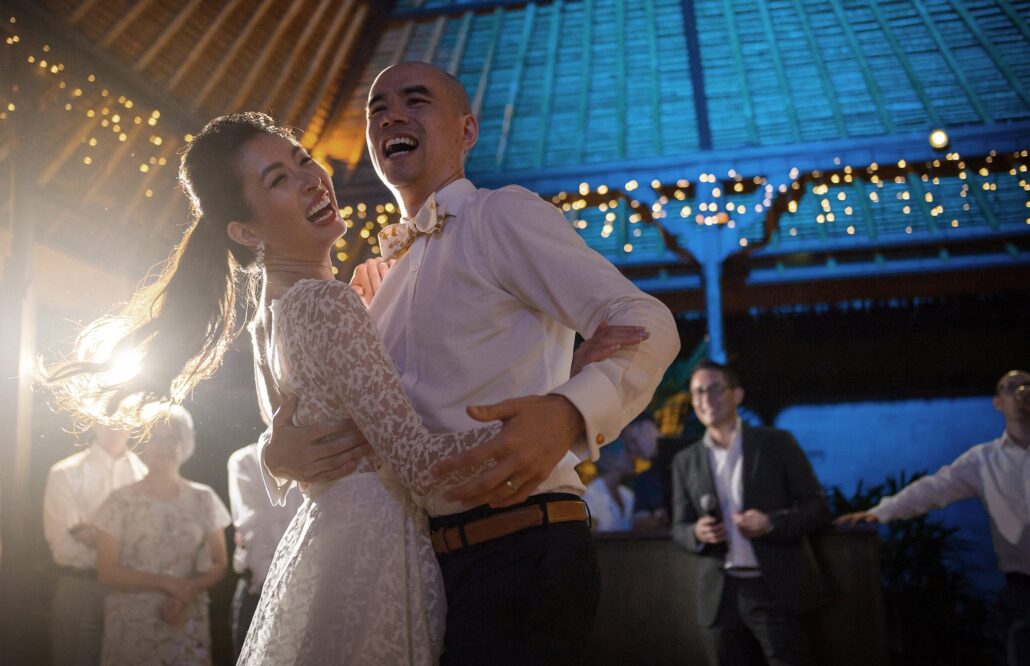
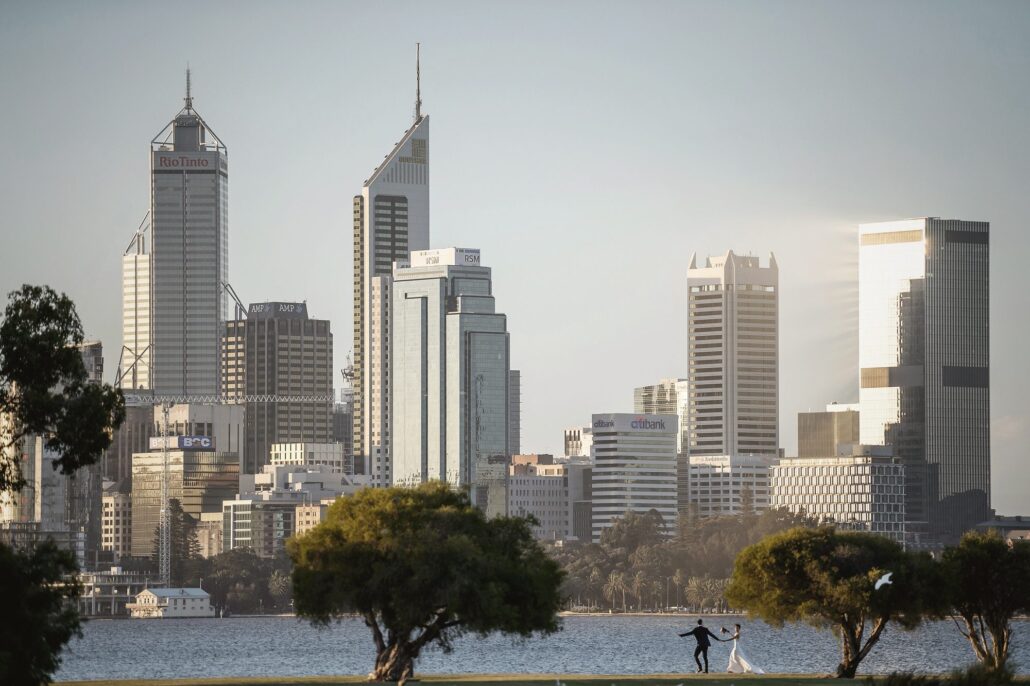
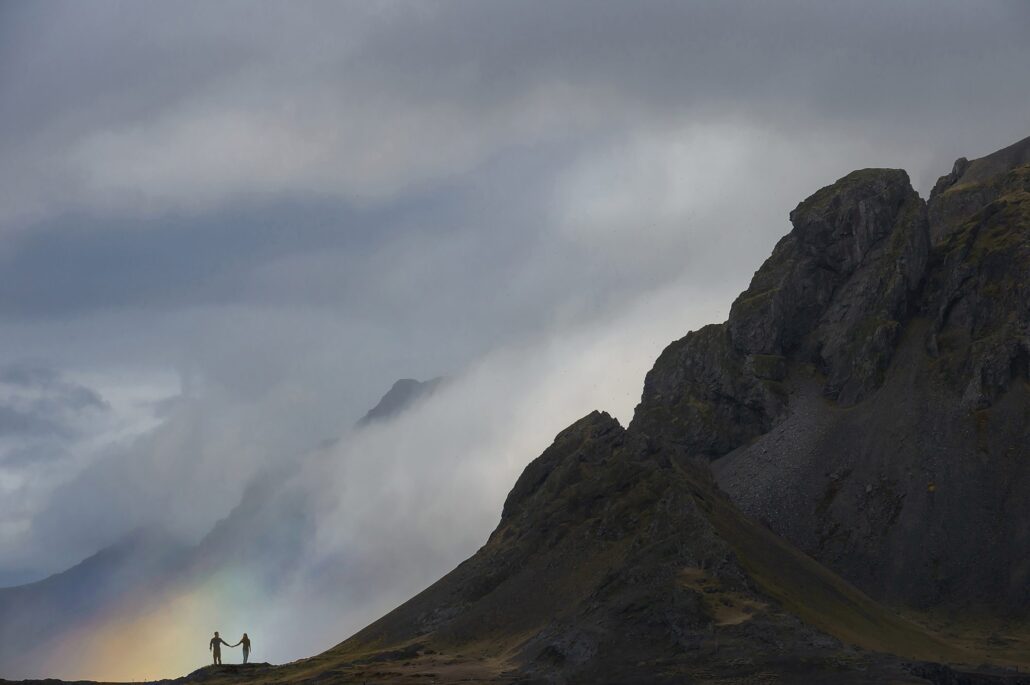
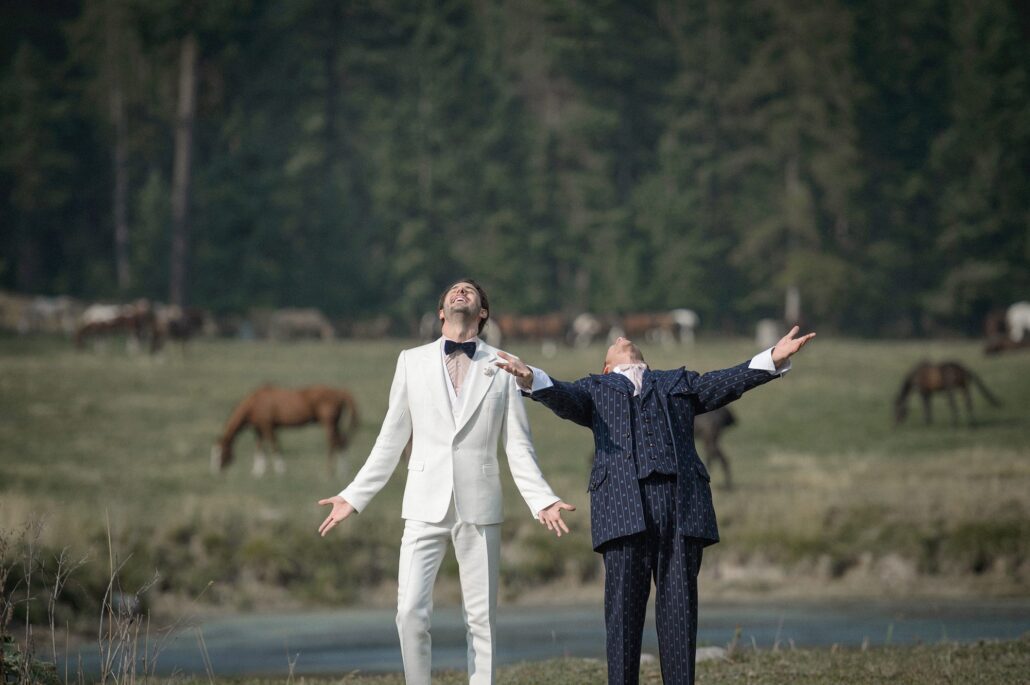
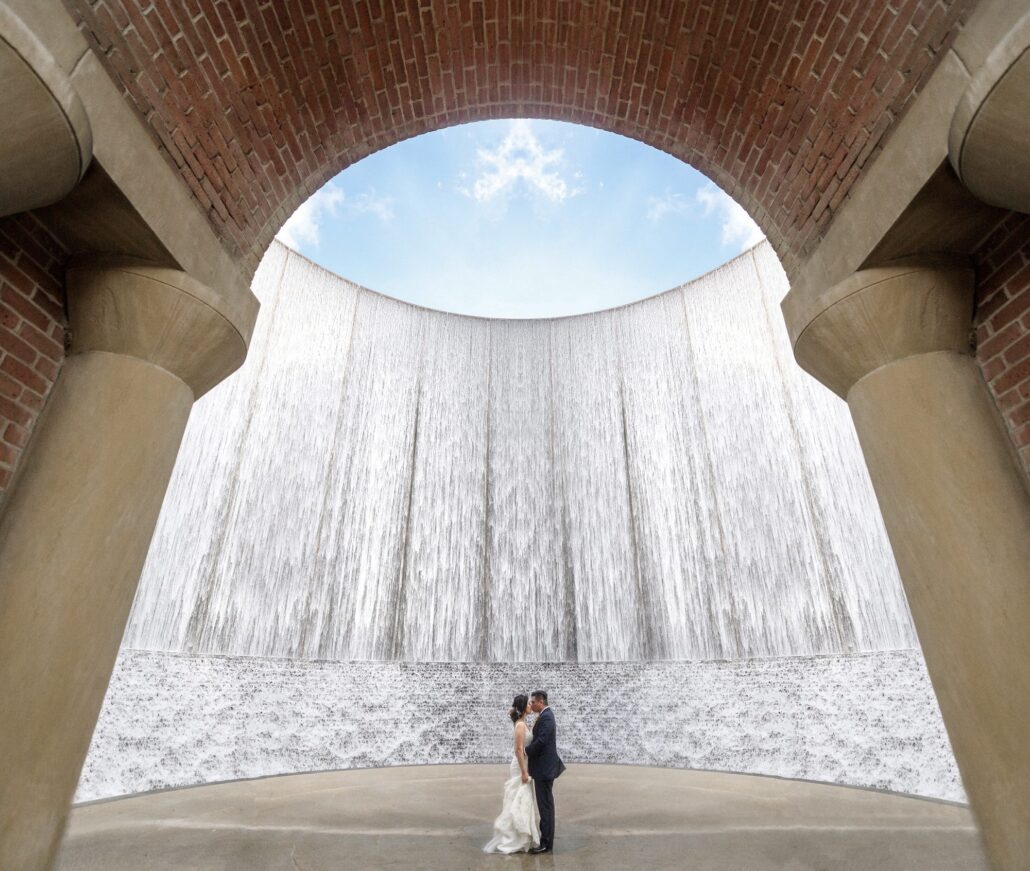
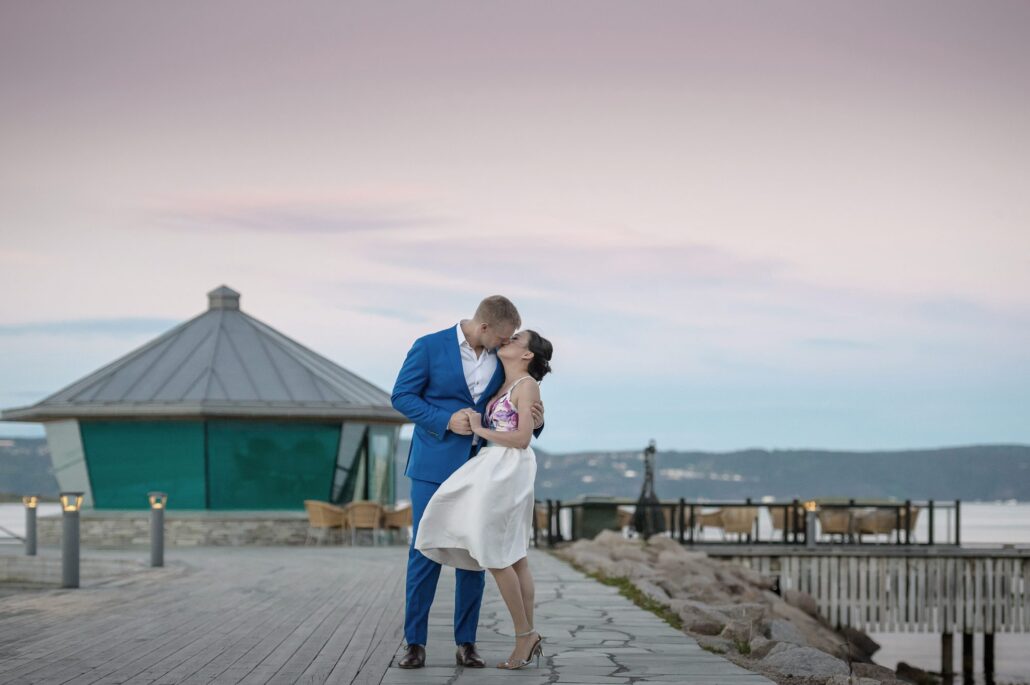
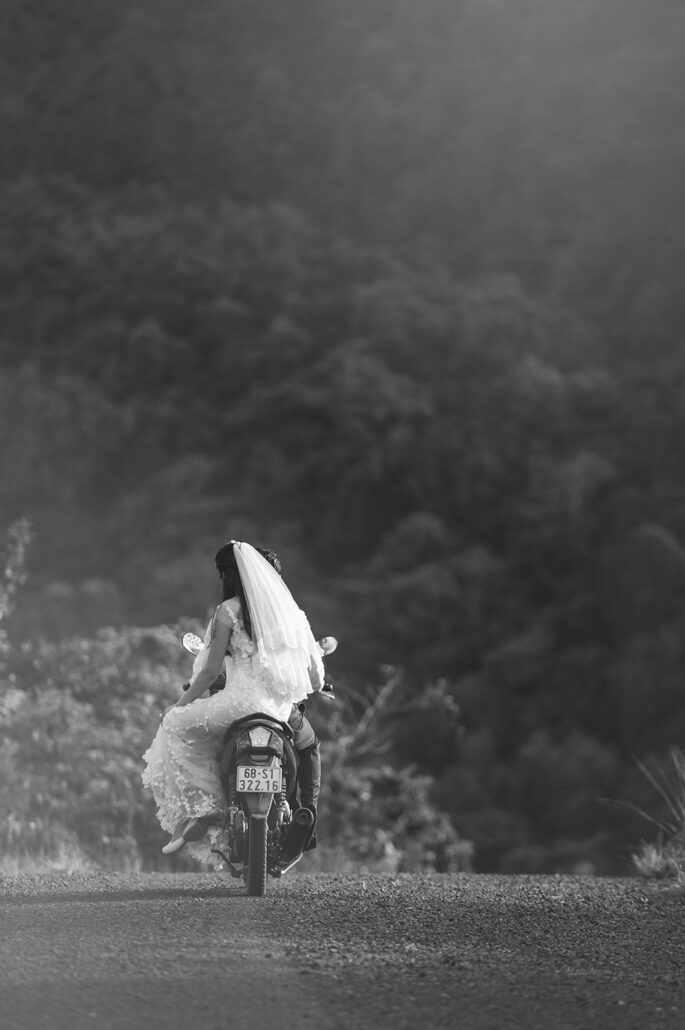
That was the point of those talks. Japan already knew the wedding industry very well. What we wanted to show it was the destination wedding industry, which is something else entirely. The couples in it love travel and adventure. They want to share both with the people closest to them, and to make memories that belong to a particular place, not just to have a party in a pretty venue.
We didn’t only take it to stages. Around the same time, a client of ours mentioned that his investment firm had just taken over the running of well over a hundred hotels and wedding venues across Japan. He asked if we could tell his team about destination weddings, and we said yes. We’d love to.
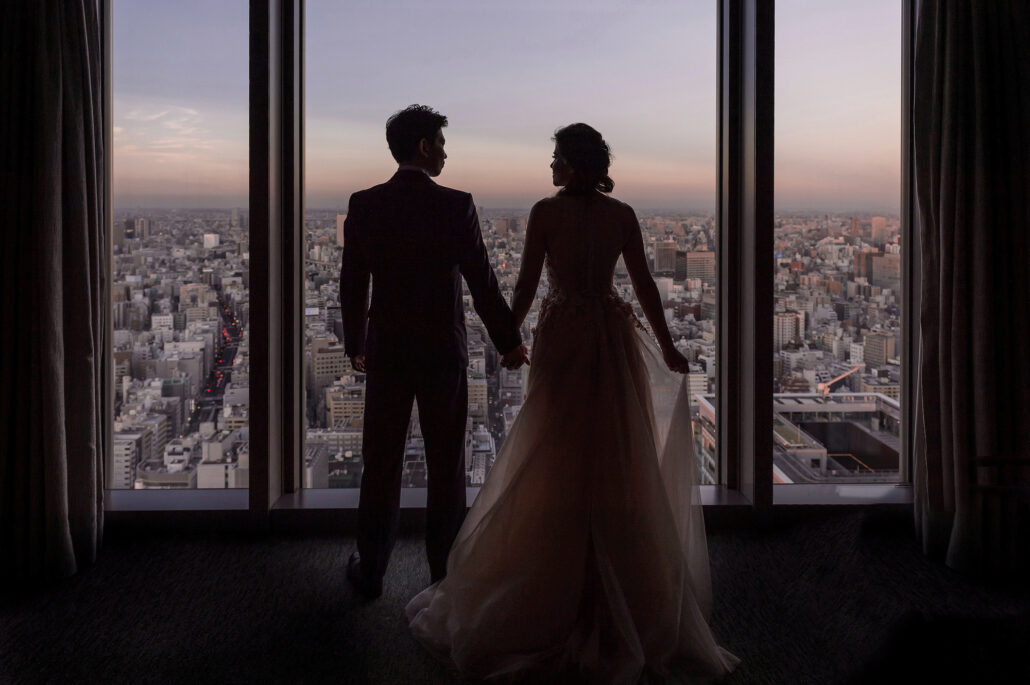
We spent weeks of late nights on that presentation, long before anyone had AI to help. And then up we went to one of the most incredible Tokyo skyscrapers in Chiyoda, through multiple layers of security and into a boardroom, the likes of which we’d only ever seen in movies.
This time we started at the beginning: what a destination wedding is, who the couples are, what the venues would need to change, build and market, and above all what their people would need to understand. The staff who greet a couple at the door and look after their families all weekend are the real point of contact, and almost nobody trains them for this. A twenty-something bride from Australia doesn’t arrive with the same picture in her head as a twenty-something bride from Tokyo. The meeting was meant to take two hours. It took four, and this time nobody was silent. People scribbling notes furiously. We took this as a sign things were going extremely well.
Not long afterwards, we saw a good deal of what we’d shared in their plans. We’d never asked anyone to sign anything. We knew a great deal about weddings and nothing at all about consulting. And the thing we’d actually wanted, couples from all over the world marrying in Japan, was starting to happen anyway. Teaching an industry is mostly giving things away. We’d do it again. We’d just bring a contract.


Two Different Businesses
What those years taught us, and everything since has confirmed, is that an international destination wedding and a Japanese wedding aren’t two versions of the same thing. They’re two different businesses that happen to share a word.
The Japanese wedding industry is very good at what it was built for. Most weddings here are held at a venue: a hotel, a guest house built for weddings, a shrine with a banquet hall. The venue sells the day as a package, with its own dress partners, florists, photographers and coordinators, and the day runs to a schedule refined over thousands of weddings. Bring your own photographer or dress and there’s usually a carry-in fee, mochikomi-ryō, and some venues won’t allow an outside photographer at all. It’s efficient, it’s beautiful, and it works for Japanese couples and their families, who know the shape of the day before they arrive.
It’s also corporate. The person across the table at a Japanese venue is usually an employee of the venue or its parent company, and their job, done very well, is to sell a day. The rules they work within are set further up. For years, when we tried to open doors for our couples, it wasn’t stubbornness that stopped us. The people we could reach didn’t have the authority to change anything, and the people who did had often never worked a wedding. They were running a successful business, and nothing about it looked broken.
Understanding weddings is a different job. It comes from being inside them for decades, in many countries and many cultures, until you know what they mean to the people in them, and why. It’s psychology, history, culture and generation all at once, and very little of it fits in a schedule. Every great planner we’ve worked beside, all over the world, thinks about weddings that way. Japan’s industry was built, sensibly, on the idea that a wedding is a wedding.
Understanding weddings is a different job. It comes from being inside them for decades, in many countries and many cultures, until you know what they mean to the people in them, and why. It’s psychology, history, culture and generation all at once, and very little of it fits in a schedule.
International couples don’t fit that idea. Their families are spread across continents, sometimes across two or three cultures. Their guests travel for days, not hours. Their expectations were formed by every wedding they’ve ever been to at home, and by every destination wedding they’ve flown to. What they want from the day, and what they want to feel during it, comes from somewhere else entirely.
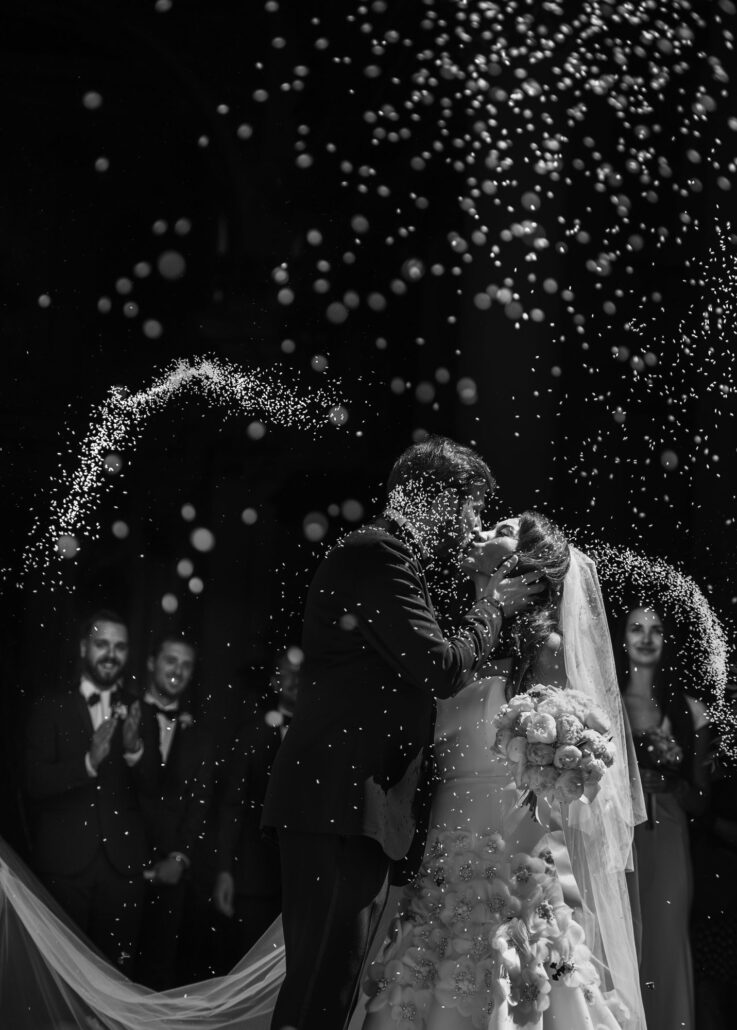
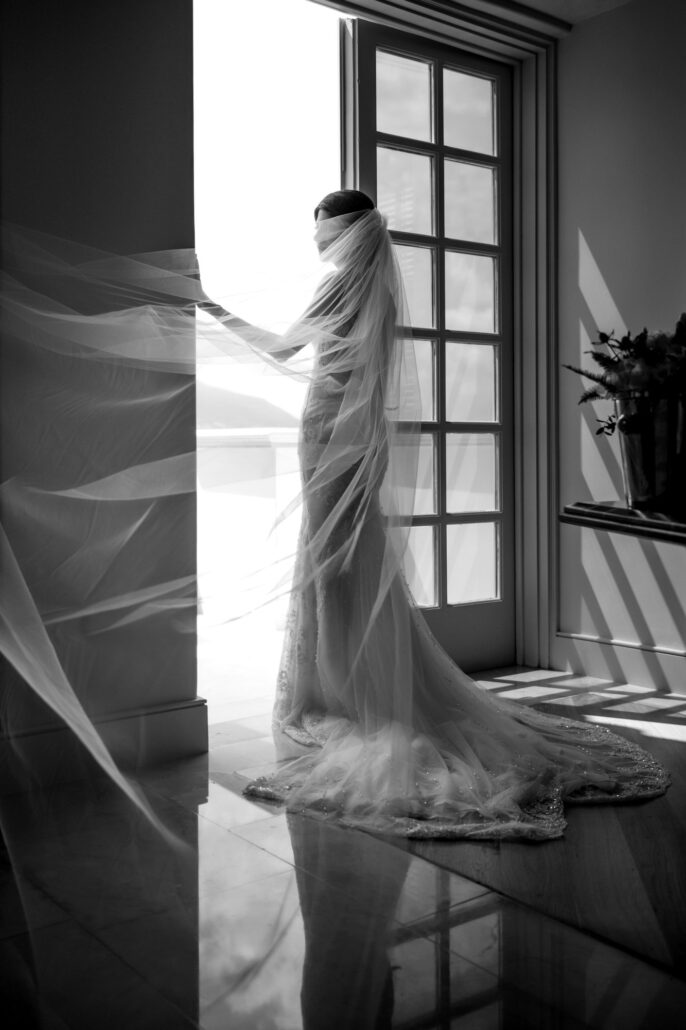
One couple marrying with us in Kyoto next year told us they’ll fly to about eight of their friends’ destination weddings that same year, Italy and Bhutan among them, with more to come the year after. It will be a year of flights and hotel rooms for everyone they know. So they’ve asked us for something harder than beautiful. In a year full of beautiful places, they want theirs to be the one everyone remembers.
Think about what that asks. Kyoto will be breathtaking, and the service will be faultless, but every wedding on that list will have a remarkable place and good service. A backdrop can’t make a wedding unforgettable when everyone has one. That question, what makes one destination wedding the one people carry home, is the real work, and it’s the one we’ve spent decades answering.
The Part You Can See on Paper
Some of the difference is easy to see, because it shows up in the schedule.
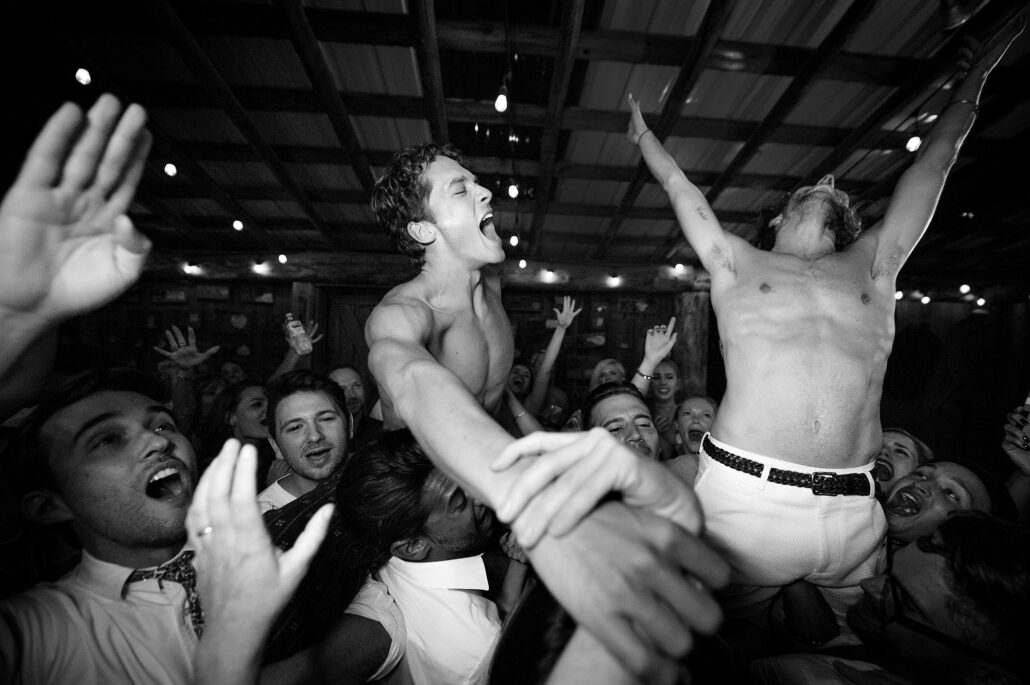
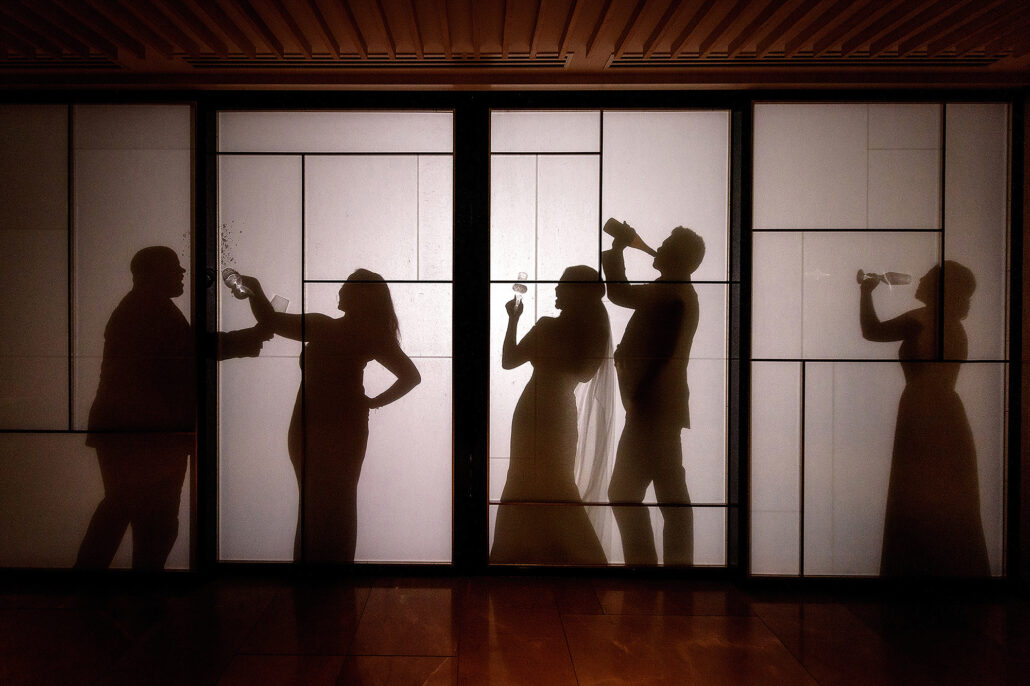
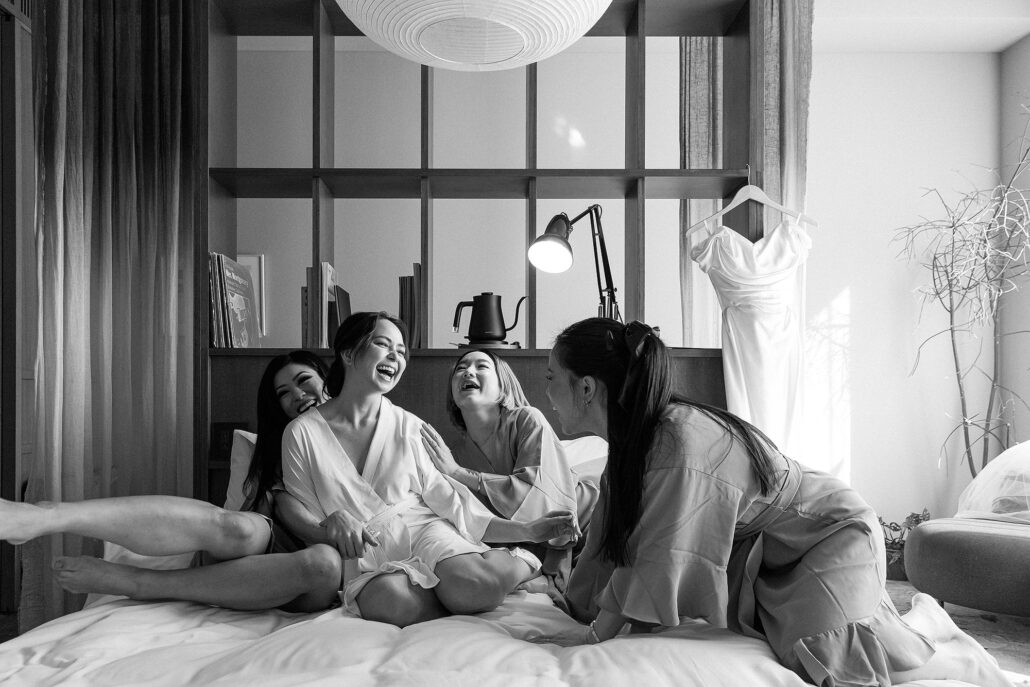
Years ago, at a wedding in Kyoto, we met a bride in tears before anyone had started her hair. She had six bridesmaids, and each of them had been given a room of her own. By one measure it was generous. To her, it meant getting ready alone. For our couples the morning is where the celebration starts: their closest people around them, music and laughter, a bottle of champagne opened, gifts exchanged, the first memories of the day already being made. You can see that closeness in every photograph from the rest of the day.
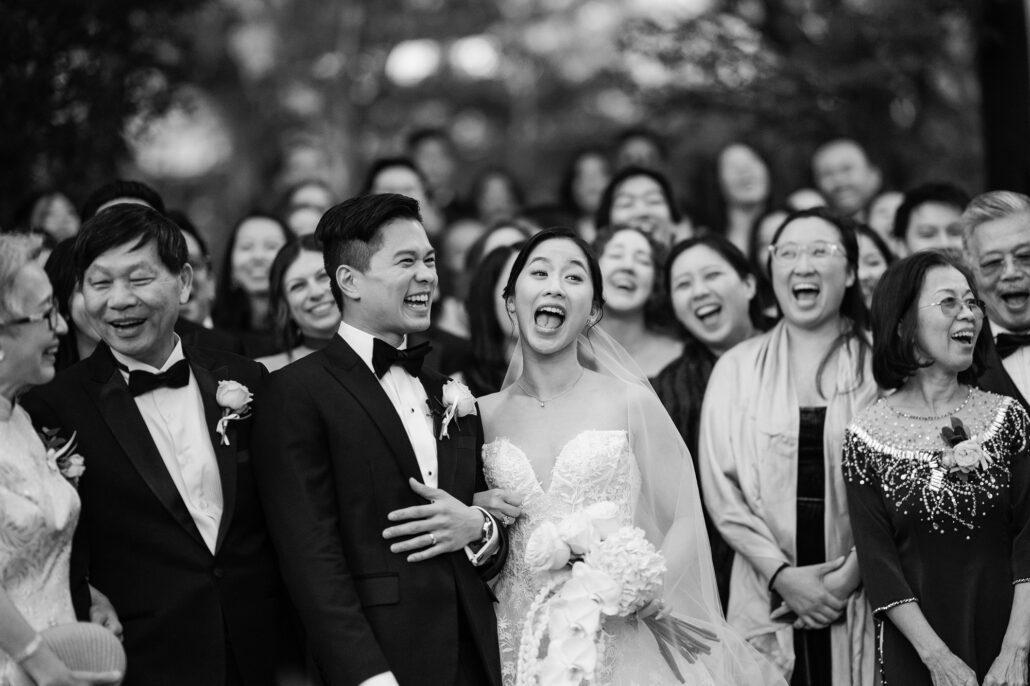
Family photographs are another. In the Japanese schedules we’ve worked to, the family photo gets five or ten minutes, because it is one photo: everyone together, one formal group. Our couples often have parents who remarried, grandparents who flew in, cousins from both sides of the world, and a list of combinations that matters to them. Done with care, family photos can take half an hour or more. Squeeze that into a ten-minute slot and somebody misses a photograph they’ll want for the rest of their life.
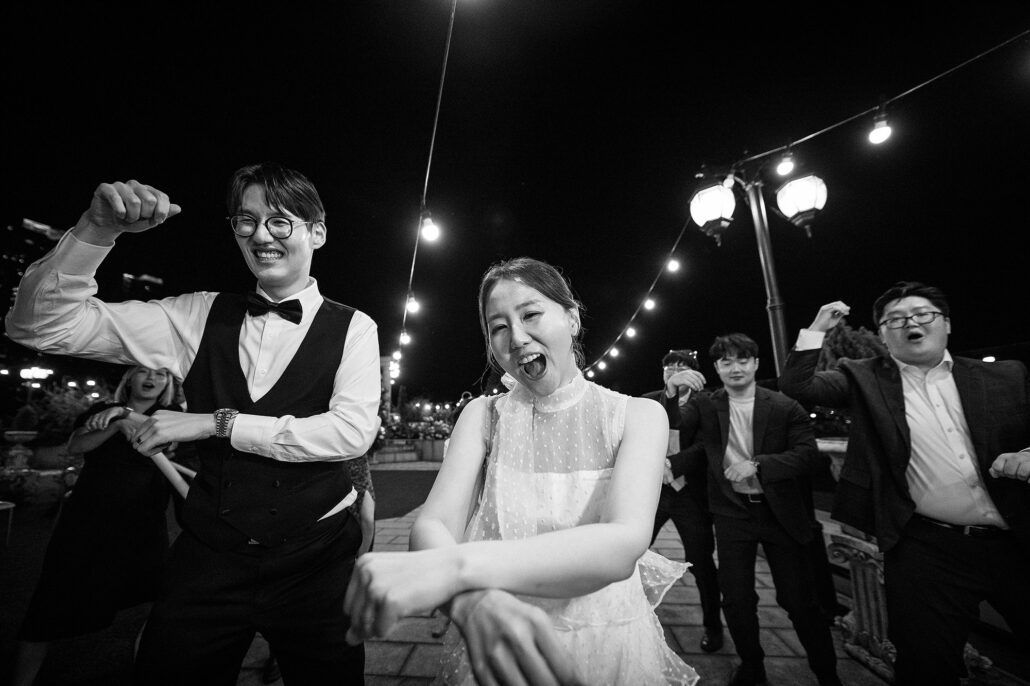
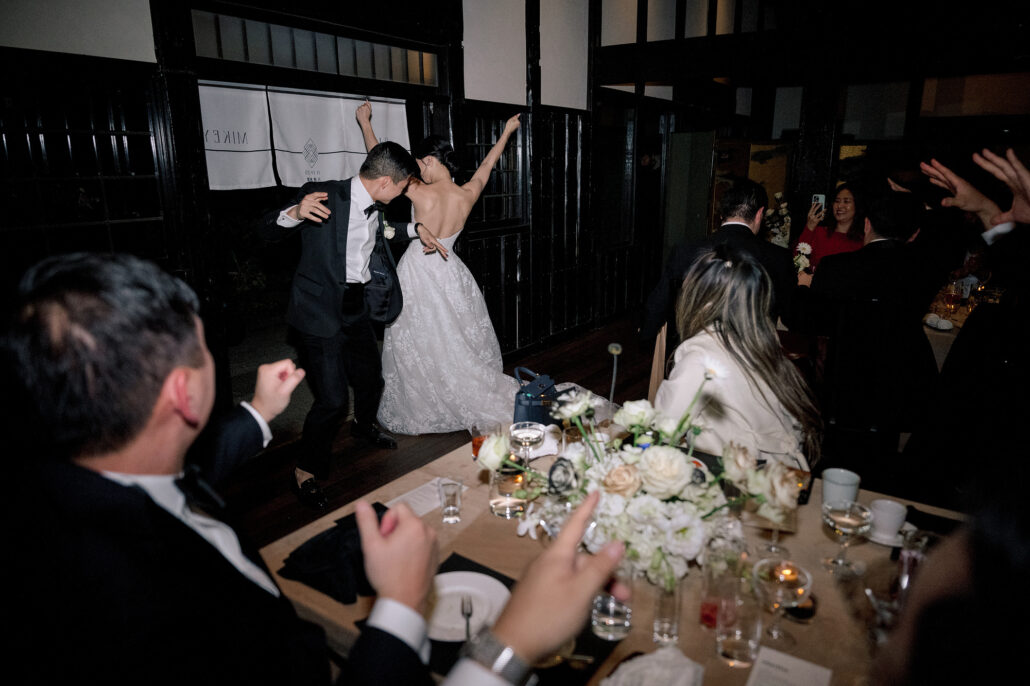
Then there’s the end of the night. Here the reception finishes on time, and if anyone wants to dance, the party moves: a nijikai, a second party at a second venue, run by friends with a fee per guest. That means moving everyone, sometimes by bus, to a new room, with a group of guests in good shoes finding their way across town. Our couples expect to stand up from dinner and walk onto a dance floor, often after a first dance and dances with their parents, which a Japanese reception rarely has. For most of them, that’s simply how a wedding ends.
Dinner is another. A Japanese reception serves one set menu, beautifully, to every guest. Couples from overseas expect every guest to be fed as carefully as they are. At one of our weddings the guests needed fourteen different menus, for different faiths and different health needs, and every one of them was served. We only work with chefs who can run that gauntlet.
And then there’s the clock. A Japanese wedding runs to time, because the next couple is waiting for the chapel. Years ago, at a well-known Tokyo venue, we watched a ceremony start about half an hour late. The venue’s own stylist had never styled hair like the bride’s, there had been no trial, and it took several attempts to get right. Afterwards the couple were billed about ¥500K (US$3.2K) for the delay, because the chapel’s next wedding had been pushed back. The delay came from the venue’s own salon. The bill went to the couple. In the weddings we plan, the schedule is shaped around the people, because parents get held up, hair takes longer than it should, and the best parties run late.
Each of these is a sensible rule from one business meeting a guest from the other. And they’re the easy ones. They fit on a page, so they’re the parts people notice. Fix every one of them and you have a better schedule. You still don’t have a destination wedding.
Fix every one of them and you have a better schedule. You still don’t have a destination wedding.
We’ve pulled out a handful almost at random. Every part of the day is different in the same way, and the rest is learned slowly, wedding by wedding and country by country. Most of it never makes it onto paper at all. Japan has the places and the hospitality, and we’ve said so all our lives. The wedding itself is where you need a destination wedding specialist.
| Built for a Japanese wedding | What to look for in an international one | |
|---|---|---|
| Getting ready | The bride in her own dressing room, her people somewhere else | A morning together: the couple and their closest people, music, laughter, champagne and gifts, the first memories of the day |
| Family photos | One formal group, five or ten minutes | Every combination that matters, often half an hour or more |
| After dinner | The reception ends; any dancing moves to a nijikai at another venue | First dances, dances with parents, and a dance floor in the same place |
| The schedule | Runs to the venue’s clock, sometimes with a fee if it slips | Shaped around the people, and adjusted when life happens |
| Dinner | One set menu for every guest | A menu for every guest’s faith, health and taste, however many that takes |
| Vendors | The venue’s partners, with a carry-in fee for anyone else | Chosen for the couple, with nobody paid to recommend them |
| The guests | Mostly local, there for the day | Travelling for days, often from across the world |
If working weddings all over the world has taught us one thing, it’s that there’s no correct way to do any of this. Every couple marries in their own way, from their own culture and their own customs. Some have no bridesmaids, some have two, some have fifteen. Some want one family photo. A couple in Atlanta needed thirty-five combinations, and we spent well over an hour making sure every one was right. Some nights end quietly: at one wedding in Hawaii, everyone was on the bus home early. In Italy, the party went on until the sun came up. No two weddings are alike, and a destination wedding only works when the plan bends to the couple, not the other way round.
Why the Doors Opened
For a long time we were pushing on those doors. Then, slowly, they began to open from the other side.
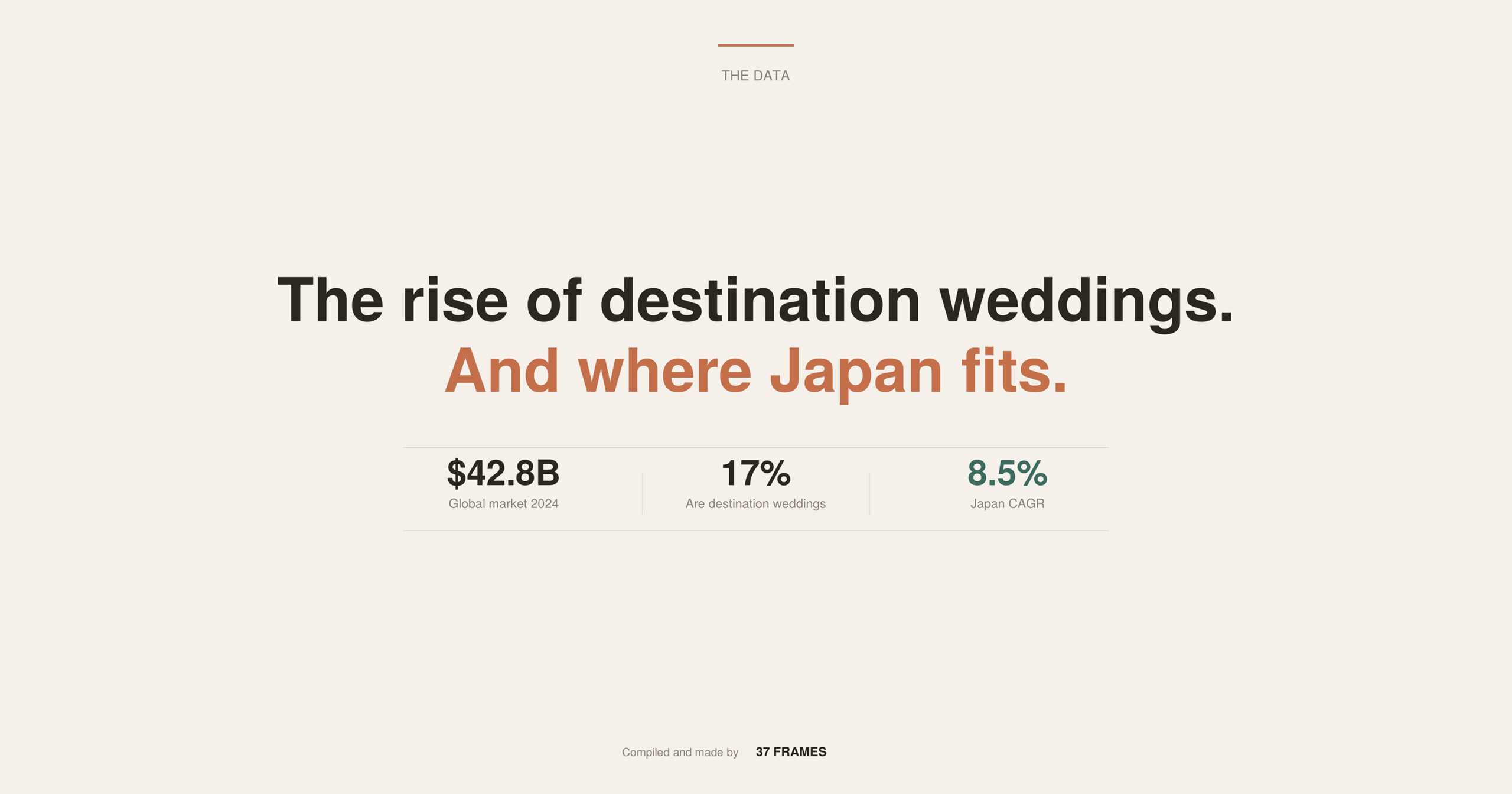
In 2023 Japan registered 474,741 marriages, the first year below half a million since the war and well under half the 1972 peak of almost 1.1 million. The two years since have stayed under half a million too. Of the couples who do marry, about half hold a ceremony, and around a quarter hold no wedding event of any kind. Venues built for Japanese weddings have dates to fill. Meanwhile, 42.7 million people visited Japan in 2025, against 31.9 million in 2019, and the government is aiming for 60 million by 2030. In 2022 it even set aside funding to help bridal companies win couples from overseas, and Japan’s own bridal industry now talks about inbound weddings as its next chance to grow. Over the last ten years, venues that once couldn’t say yes have started asking us how. In 2017 one of Tokyo’s great hotels announced a collaboration with us, as photographers. Today three international hotels in Japan bring us in as consultants for their destination weddings, and those weddings are doing very well. Our own bookings have grown year after year. And new destination wedding companies in Japan seem to open every season.
In 2022 the government even set aside funding to help bridal companies win couples from overseas, and Japan’s own bridal industry now talks about inbound weddings as its next chance to grow.
That’s how the industry talks about it now, in numbers and growth. We never have. Destination weddings have been our life. Now that so many companies are joining in, it’s exciting, and sometimes a little worrying, because at the heart of every one of these weddings are people, wanting something that matters to them very much.
A country this beautiful, this generous and this good at looking after people should be marrying couples from all over the world, and no single studio can do that alone. The more good people doing this work, the better it gets for couples, and for Japan.
A Name Anyone Can Use
For years, Japan’s wedding industry had its own phrase for what we do: inbound weddings, borrowed from tourism, where inbound means visitors arriving. Nobody else in the world calls them that. In meeting after meeting we said, as gently as we could, that everywhere else they’re called destination weddings. In 2019 we gave our planning studio the plainest name we could think of, Destination Wedding Japan, so the words would finally exist here.
They exist now. In the last year or so, new websites and Instagram accounts built around almost the same three words have appeared every few months: the words in a different order, or joined by hyphens or dots. We don’t own the words, and we’re glad they’ve caught on. It’s what we stood on those stages hoping for. But a name takes a minute to choose. The understanding behind it takes years, and a website a few months old can look just as settled as a team that has done this for decades.
Telling them apart takes a minute too. A free domain lookup, such as ICANN’s, shows the date a website address was registered. On Instagram, About this account, under the three dots on a profile, shows when an account joined and whether it has changed its username. Neither tells you how good a team is. Both tell you how long the name has been there. And if it’s us you’re looking for, we’re destinationweddingjapan.com: no hyphens, no dots, the words in that order.
A Word to Japan’s Wedding Industry
If you work in weddings in Japan and you’ve read this far, this part is for you.
The industry is growing faster than the understanding behind it. Much of the rush is about filling venues as the domestic market shrinks, and with the government aiming for sixty million visitors a year by 2030, nobody is going to slow down. Nor should they have to. But growing this fast takes many more people who understand what a destination wedding asks of them. Without them, a lot of families will fly home disappointed, and instead of the experience only Japan can give, they’ll carry home the opposite: the feeling that Japan didn’t know what it was doing.
At a beautiful ryokan, at a destination wedding we were part of, the groom’s mother came down to breakfast and couldn’t face it: grilled fish, rice, pickles, soup, first thing in the morning and a long way from home. The plan said ryokan breakfast, and that was that. One of our team slipped out to the convenience store down the road and came back with fruit and yogurt, and we took it up to her room without making anything of it. It was a small thing. We’re still friends with that family, and it’s one of the things they remember.
Japan is underprepared for the needs of international guests, and for a country that prides itself on hospitality, that matters.
A destination wedding asks a team to understand people they’ve never met, from cultures they may never have visited, across generations who want different things from the same day, and to make every one of them feel at home in a country that’s new to most of them. That understanding can’t be sold from a brochure, and it can’t be learned from a checklist, including the one further down this page.
The companies doing best in this market aren’t the ones selling hardest. They’re the ones trying hardest to understand who their couples are, and they’ll be the ones still here in ten years.
The companies doing best in this market aren’t the ones selling hardest. They’re the ones trying hardest to understand who their couples are, and they’ll be the ones still here in ten years.
The hotels that have brought us in are proof of it, and their teams are learning fast. If your venue is ready to do the same, we’d be glad to talk.
Choosing a Destination Wedding Company in Japan
Being new is no fault. Some of the companies opening now will be wonderful, and every one of us started somewhere. But the words on a website don’t tell you what’s behind them, and you deserve to know.
Some of what’s sold to international couples is the Japanese model with an English menu: the venue’s package, the venue’s schedule, the venue’s rules, translated well and priced for visitors. In a brochure it can look identical. It only feels different later: on the day, when the plan can’t bend, and afterwards, when a bill you didn’t expect arrives.
So before you choose a destination wedding company in Japan, go deeper than the photographs. Ask the questions that tell you which business you’re talking to.
- How long have you been planning destination weddings, and can we see whole weddings from more than two or three years ago? Not the highlights. The whole thing.
- How will you look after a hundred guests who may never have been to Japan before? From the moment they land to the morning they leave, and everything in between.
- Which weddings have you been to yourselves, outside Japan and Hawaii? It’s hard to plan something you’ve never been a guest at.
- What would you tell us not to do? Anyone can agree with you. The answer to this one shows judgment.
- If we want something changed, or something you don’t usually offer, can you say yes yourselves, or does it go to someone higher up? A wedding needs people who can make decisions quickly, and make them for you.
- Will the quote you give us change after we sign, and will we get a bill after the wedding? Both happen here more often than couples expect.
- Who do you work for? Do you take a commission from the venues and vendors you recommend? We don’t, from anyone. We’ve written about why that question matters more than any list.
It’s worth asking. This year alone we’ve had a number of proposals from new companies in Japan, most of them on the same model: pass on the couples we can’t take ourselves, and receive ten per cent. We’ve never worked that way, and we never will. The fee was never the question. Couples come to us by name, and we couldn’t put that name to a celebration we haven’t seen and don’t yet understand. If we can’t take your wedding, you deserve advice with nobody’s fee attached to it.
What the Silence Taught Us
In 1989, economists gave a name to the mistake we made on that stage: the curse of knowledge. Once you know something, it’s almost impossible to imagine not knowing it. A year later, a Stanford graduate student called Elizabeth Newton tested it with a table and a tune. One person tapped out the rhythm of a well-known song while another tried to name it. The tappers expected the listeners to get about half. Across 120 songs, the listeners got three. The tune was playing in the tapper’s head the whole time. The listener only heard knocking.
We’d been tapping. Anyone building something new inside an old industry will recognise the feeling, and we kept one lesson from it.
Start with what the room has seen, not with what you know. The first question deserves an answer before the clever ones do.
Quick Answers About Destination Weddings in Japan
What is a destination wedding?
A wedding where the couple and the people they love travel somewhere that isn’t home to them all, usually over several days, so that the place becomes part of the celebration. It might be a country none of them has shared, somewhere the couple fell for on holiday, or the country where the couple live and want their families to see. For international couples marrying in Japan, it often includes a welcome dinner, the ceremony and celebration, and time to explore together. What it isn’t is an existing wedding format with guests flown in to follow it.
Are destination weddings in Japan becoming more popular?
Yes. More international couples are choosing Japan, more venues are open to them, and new destination wedding companies are opening every year. Japan’s own bridal industry now describes weddings for couples from overseas as its growth area. Our own straight answers to the questions couples ask cover what’s possible now.
How do I choose a destination wedding company in Japan?
Ask how long they’ve been planning destination weddings, and to see whole weddings from more than two or three years ago, not only highlights. Ask how they’ll look after guests who have never been to Japan, which weddings they’ve attended outside Japan themselves, what they’d advise you not to do, and whether the people planning with you can say yes to a change, or have to ask someone higher up. Ask whether the quote can change after you sign, and whether a bill arrives after the wedding. And ask who they work for, and whether they take commission. A team that has lived inside destination weddings for years will answer every one of those without reaching for a brochure.
What is a nijikai?
A second party after a Japanese wedding reception, usually the same evening at a separate venue nearby, organised by friends with a fee per guest. Many international couples would rather keep everyone together and dance in the same place, which needs planning from the start.
Can we legally marry in Japan?
Yes, though most of our couples marry legally at home and celebrate in Japan. How to get married in Japan, step by step, is in our Japan Wedding Guide, and our guide to planning a wedding in Japan as a foreigner covers what comes first.
How much does a destination wedding in Japan cost?
It depends on the number of guests, the season, the venues and how many days you celebrate. Our wedding in Japan cost guide sets out real totals for 2027, from intimate weddings to multi-day celebrations.
The Answer We’d Give Now
If the man at the back is reading this, here’s the answer we should have started with. A destination wedding is when the people you love cross the world for you, and the place they cross it for becomes part of your marriage. Japan was always that kind of place. It took a while for the doors to open.
They’re open now. If you’re planning a destination wedding in Japan, we’d love to hear about it. The question isn’t whether Japan can host your wedding any more. It’s whether the company in front of you knows what red looks like.