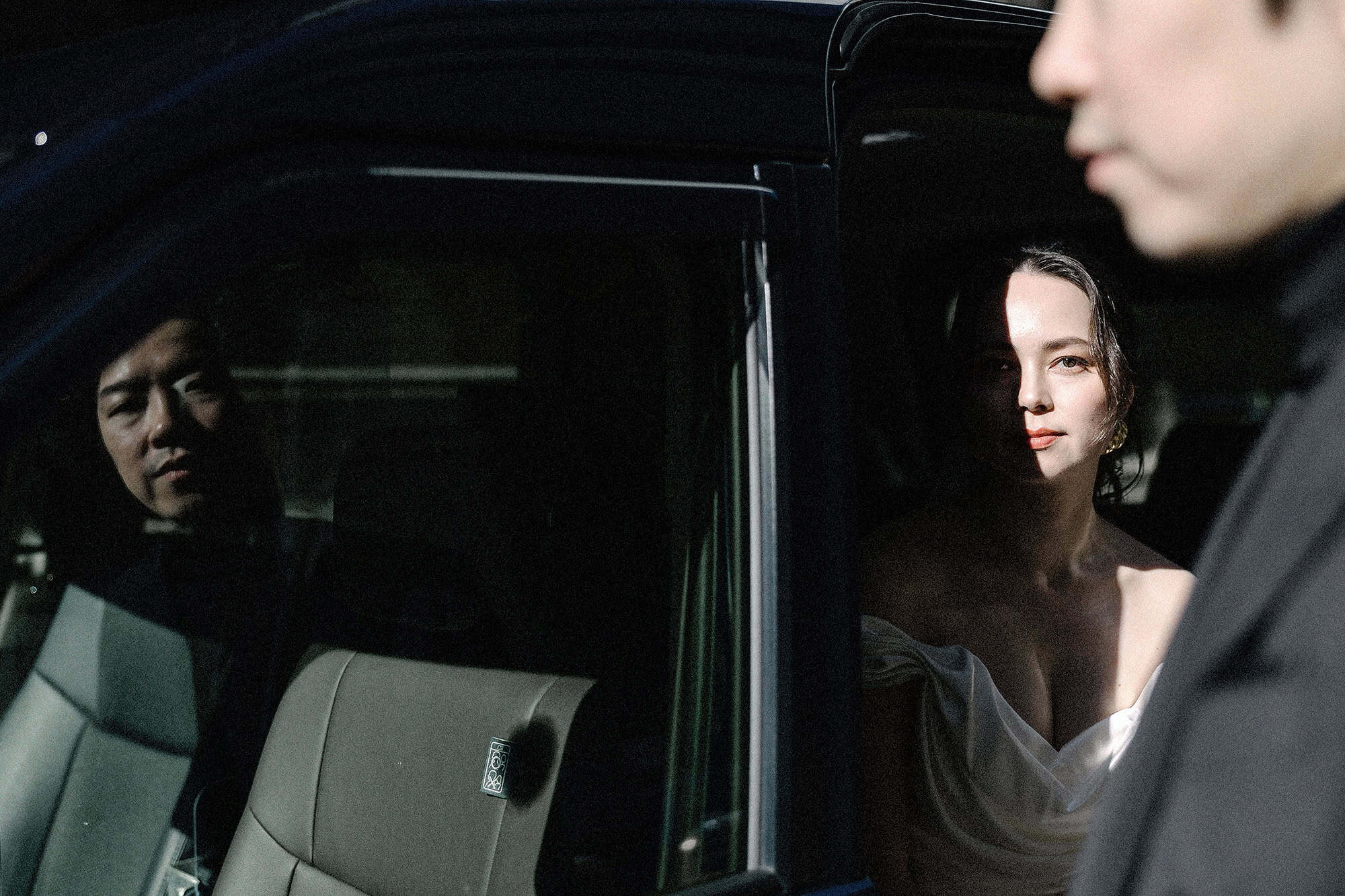
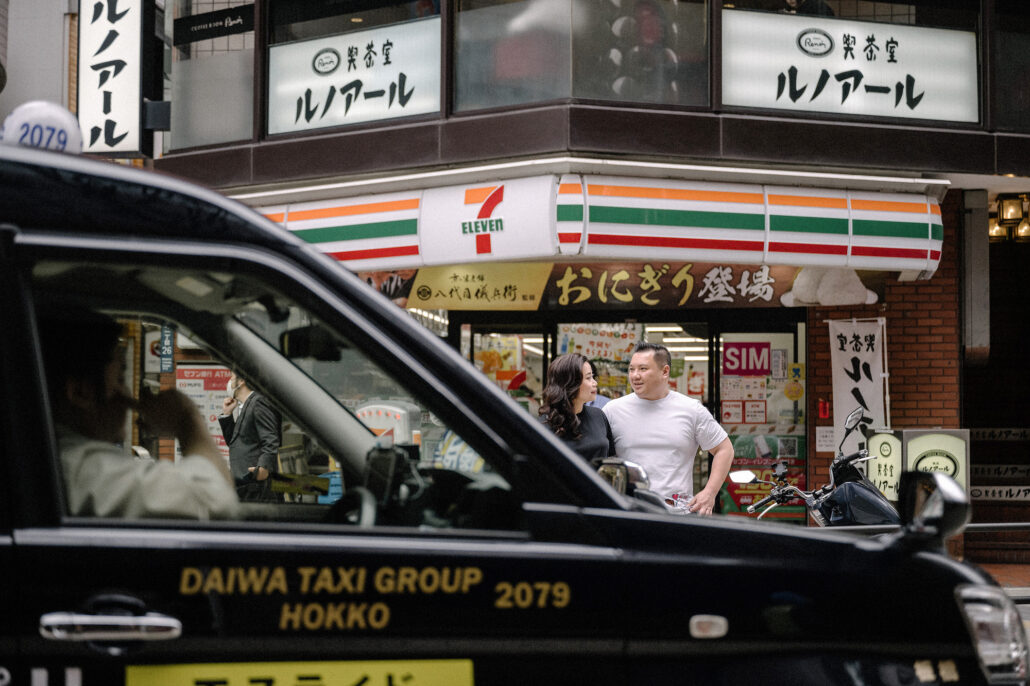
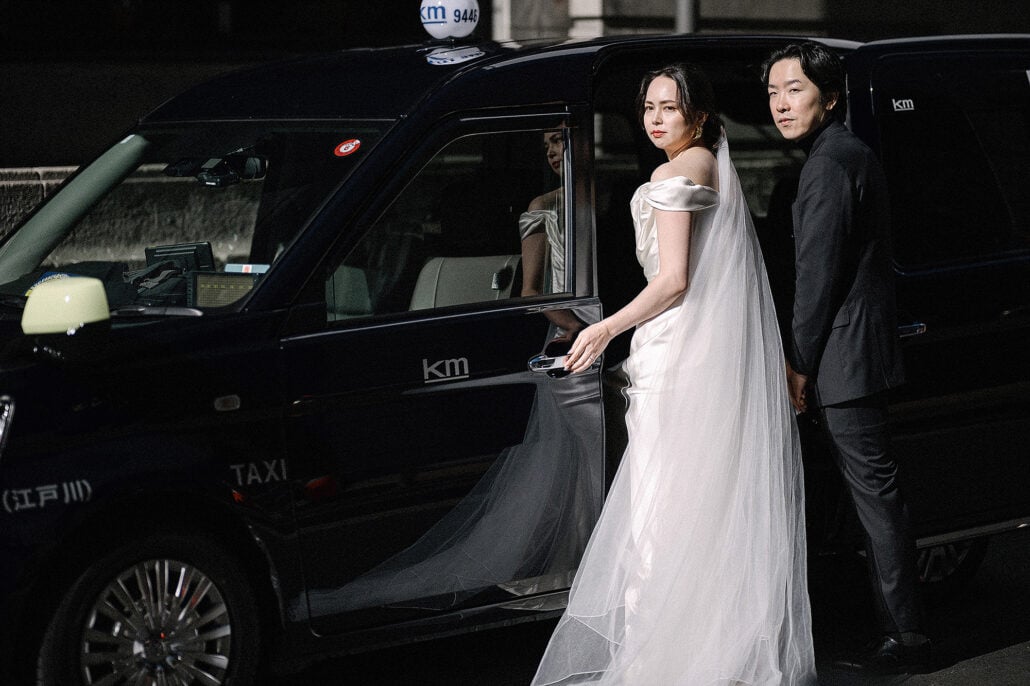
Everyone does it once. You reach for the door of a Tokyo taxi and it swings open by itself, because up front a driver in white gloves has pulled a lever.
Visitors file this under hospitality, and the story they hear involves the 1964 Olympics. The company that makes the mechanism tells it more plainly. Drivers used to climb out and open the door by hand, and that was causing accidents. So the door went on a lever, and the lever stayed. Almost nowhere else in the world has followed.
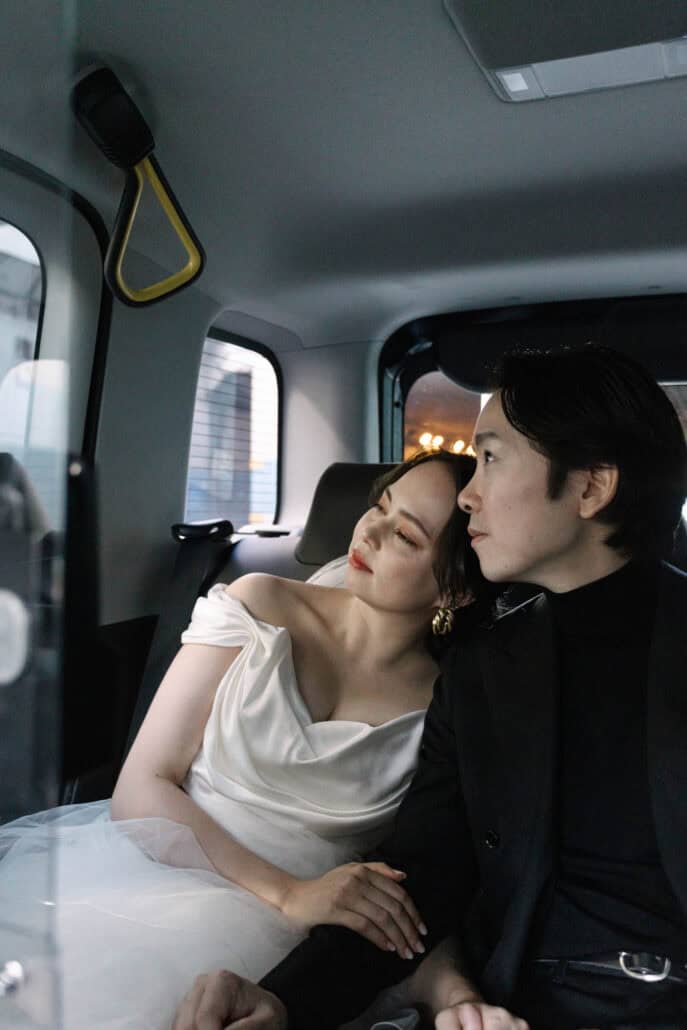
In 2027, if the regulators agree, driverless taxis in Tokyo will have nobody at the lever. Waymo, the taxi app GO and the Tokyo taxi company Nihon Kotsu plan to start a fully driverless taxi service in the capital, building to about 100 electric Jaguars. Taxis began here in 1912, at Yurakucho, and Ichiro Kawanabe, who chairs both GO and the national taxi federation, calls this the biggest change in the 115 years since. Would you get in? We would. We use AI more than anyone we know.
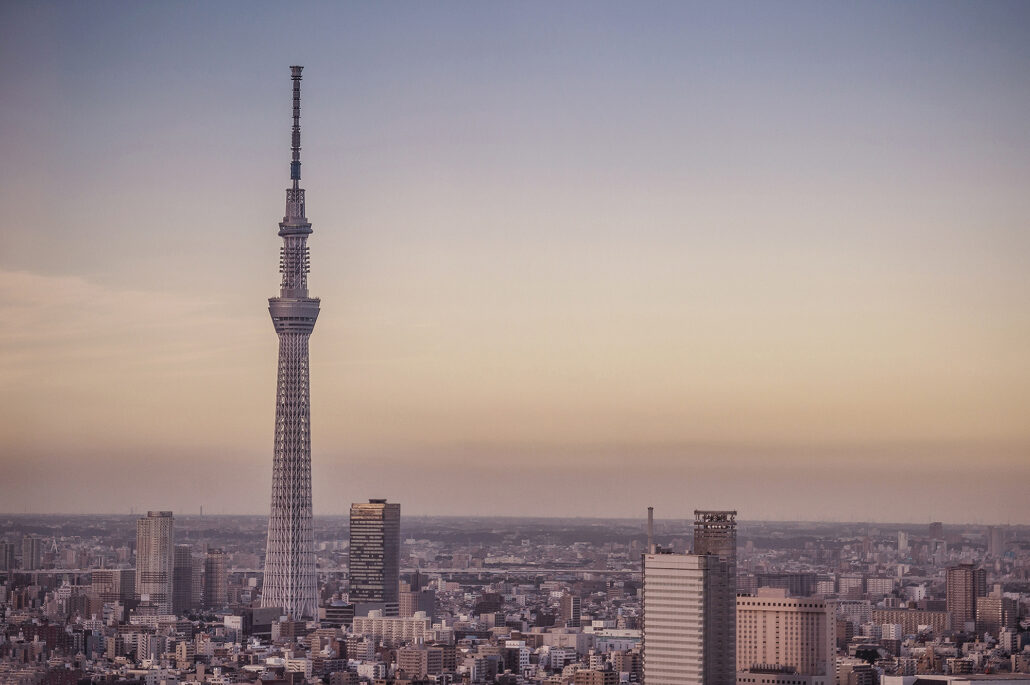
Japan’s Cutting Edge, From the Bullet Train to Self-Driving Cars
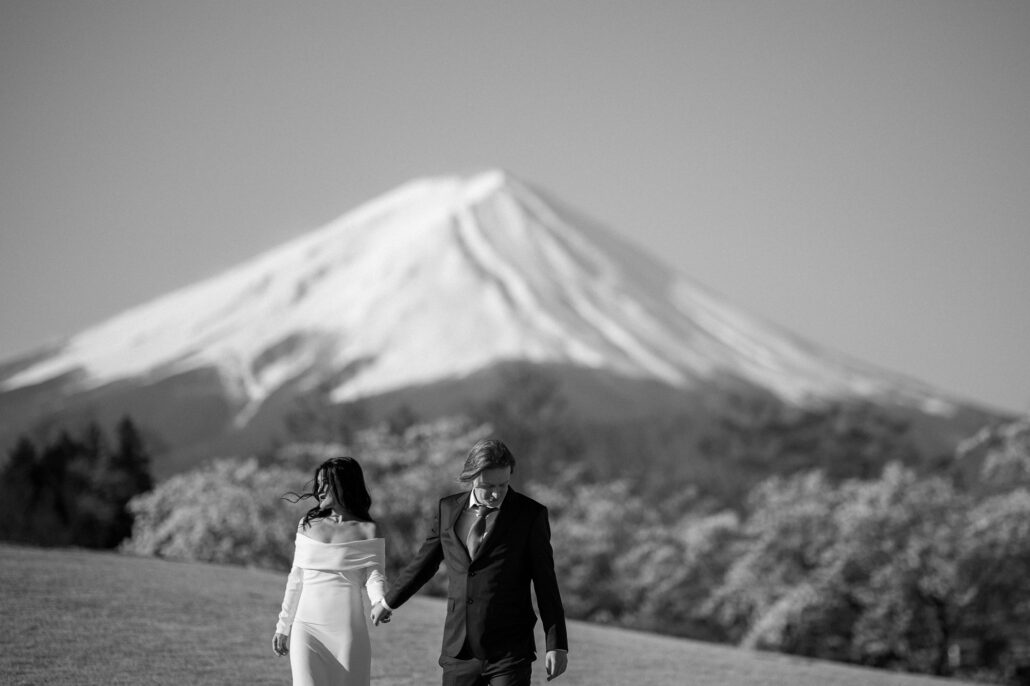
Japan has a reputation for living in the future. We’ve been here since 1997, long enough to say it’s earned, though it rarely looks the way it does in the films. More often it looks like plumbing. The world’s first high-speed railway opened nine days before the 1964 Olympics because the old line between Tokyo and Osaka had run out of room. The QR code on your save-the-date began in 1994 at a car-parts maker whose factories needed to read their labels faster. The newest of it is just as practical. On the site of an old car plant at the foot of Mt Fuji, Toyota has built a small city to test self-driving cars and whatever comes after them, and families have been living in it since 2025. The mountain, which has watched our couples marry beneath it for a long time, hasn’t commented.
Not every experiment stays. In 2015 the Henn-na Hotel, whose name means strange, opened in Nagasaki Prefecture with robots on the staff, velociraptors at the front desk included, and Guinness named it the first of its kind. We checked in that first December, on a birthday escape. The velociraptor at the front desk wore reindeer antlers and a Santa coat, and a robot trolley carried our bags to the room. It remains the best arrival either of us can remember. Four years later it had retired more than half of its 243 robots, which were making more work for the people around them. One bedside model kept waking a guest to say it hadn’t caught his request. He’d been snoring.
Here, a new idea is asked one thing: what does it solve? Tokyo is short of drivers and the country is ageing, so the driverless car gets a serious hearing. We build weddings on the results of that test. The Tokaido Shinkansen’s average delay in fiscal 2023 was 1.6 minutes a train, natural disasters included, and not one passenger on board has been hurt in an accident since it opened. When guests are crossing a country to reach a wedding, that’s worth any number of velociraptors. It lets us choose a place for what it is before we ask how far it is.
Waymo’s Driverless Taxis in Tokyo, and Who Answers for Them
When Waymo first took its cars abroad, it brought them to Tokyo. The company carries over half a million trips a week in America, and it has still spent more than a year here with Nihon Kotsu’s crews in the driving seat, learning what its co-chief executive calls the city’s unique rhythm.
Waymo brings the cars and the software, GO the app. Nihon Kotsu, the trade press reports, takes the legal responsibility for any accident, because Japanese transport law wants a licensed taxi company carrying the passengers, whoever is doing the driving. The 2023 law that lets a car run here with nobody in it goes further: it wants a designated supervisor, someone named to go to the scene, and a written record of which person held each job at what hour.
Japan will hand a machine the wheel. It still wants to know who answers for it.

Japan’s first fully driverless service was a good deal smaller. It began in May 2023 in the town of Eiheiji, in Fukui: a seven-seat electric cart, ¥100 a ride, top speed 12 kilometres an hour, following a wire buried in an old railway path towards a Zen temple founded in 1244. In April 2026 the service stopped, when some of the companies behind it pulled out and its maintenance cover ran out. The cart still knew the way. What it needed was someone to answer for it. It remains our favourite picture of the future.
Whose Name Is on It? Planning a Wedding in Japan With AI
More couples now come to us with a wedding in Japan already planned by AI, and many of those plans are very good. So ask of yours what Japan asks of a car with nobody in it: whose name is on it? As it stands, only yours.
Weddings here once had a seat for the answer: the nakōdo, the go-between chosen because both families trusted them, who sat beside the couple. Most couples here marry without one now. When we wrote about Kyoto’s private gardens in October, we put what’s left of it this way: “People open their doors to the person who answers for you.”
Jinya, the old inn at Tsurumaki Onsen, kept its ceremonies indoors until we asked to take one out into the garden. We promised there would always be a rain plan. That promise has had our name on it ever since.

We watch the weather from weeks out and hold two plans, and build only one. The rain room is chosen as carefully as the garden, so a close call can wait for the morning and be made with the couple, and the florists build from whichever plan we settle on together. One couple told us over dinner afterwards that the rain had brought their two families closer. A better model will write a better plan, and we’ll enjoy reading it. It still needs somebody in that garden who’ll put their name to the call.
What your guests will call ease is a great many levers, each with somebody’s hand on it.
Those hands belong to our planners and our Japanese team. The same city that’s teaching a Jaguar to drive itself has Sumika in it, always in kimono, always making sure Japan is ready for you. The decisions stay yours. Ours is the second name beside them, so you’re not carrying the day alone.
The Door on a Driverless Taxi
Japan makes no fuss about any of this. If the plans hold, by the end of 2027 you could cross central Tokyo in a car with no driver, catch the bullet train, change to the little line into the Izu hills and take a local taxi for the last stretch to an inn kept by the same family since 1484, in time for dinner. Neither end of that journey finds the other strange.
As for the door, nobody has said. The cars Waymo plans to start with in Tokyo are the Jaguars it runs in America, which have ordinary doors, and a car can’t drive off with one left ajar. In Atlanta, on those rare occasions, Waymo was paying DoorDash couriers to come and shut it, one of them reportedly for US$11.25: somebody at the lever after all. We’d put money on Tokyo having thought about it. In Japan, somebody generally has.
Written in November 2026. The 2027 date is the three companies’ target and depends on approvals. Sources: Waymo, MONOist and Business Insider Japan on the Tokyo plan; Automotive World on the division of responsibility; Japan’s National Police Agency on driverless permits; Toshin Tech, via Norimono News, on the doors; The Star on Atlanta; JR Central on the Shinkansen; Denso Wave on the QR code; Toyota and AFP on its test city; Jidounten Lab on Eiheiji.