The story goes that the poet Simonides of Ceos was dining at a banquet in Thessaly when he was called outside to meet two young men at the door. While he was gone, the roof of the hall came down. Afterwards, nobody could say for certain who had been in the hall. Simonides could. He remembered where everyone had been sitting.
Cicero tells the story in On the Orator, as the beginning of what became known as the memory palace. Fix a set of places in your mind, a house or a street you know well, and you can hang anything on them: a speech, a list, the order of a deck of cards. Roman orators learned long arguments room by room. Memory champions still use the method today.
For two thousand years it was simply a technique that worked. Nobody knew why.
The Part of the Brain That Knows Where You Are
In 1971 the neuroscientist John O’Keefe was recording brain cells in rats when he found something strange. Some cells in a part of the brain called the hippocampus switched on only when the rat was in one particular spot. Move the rat somewhere else, and a different cell switched on. He called them place cells. Thirty-four years later, May-Britt and Edvard Moser found a second kind, grid cells, which work like the grid lines on a map, so the brain can tell exactly where you are. In 2014 the three of them shared the Nobel Prize for finding the brain’s own GPS.
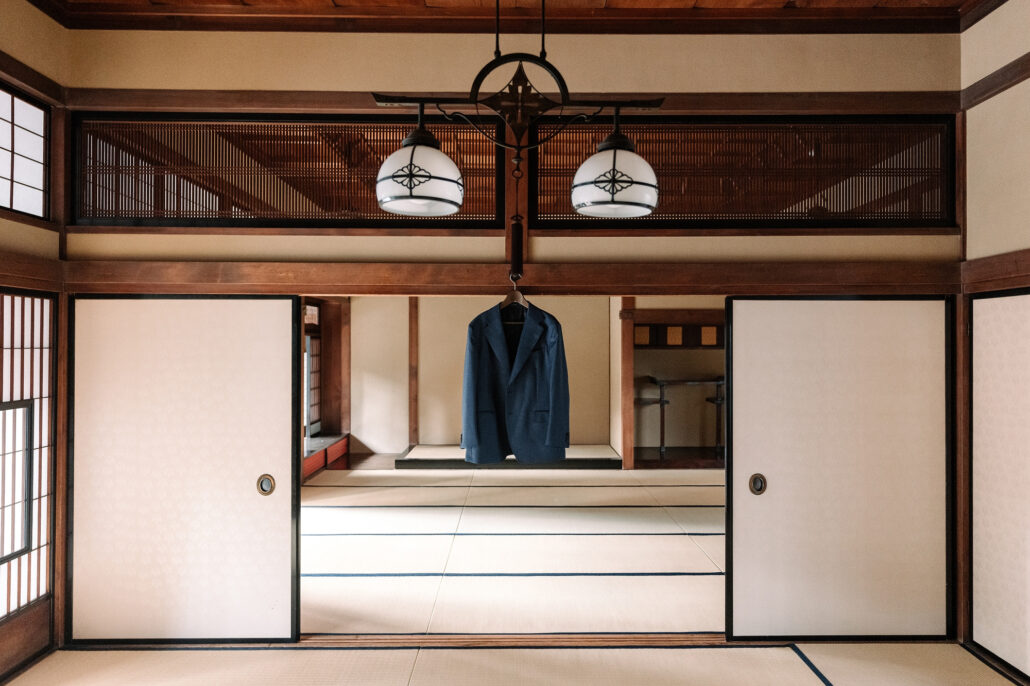
The hippocampus is also where new memories are formed. The part of the brain that remembers is the part that knows where you are. Simonides worked that out at a dinner table, without a laboratory.
It explains a good deal. Why walking into a certain kind of room can return a whole year to you at once. Why the sound of gravel underfoot, or the smell of a particular wood, can put you somewhere you haven’t thought about in a decade. We don’t file our lives by date. We file them by place, and the places carry everything else with them.
We don’t file our lives by date. We file them by place, and the places carry everything else with them.
Fresh Ground
Most of our days happen in places we’ve been a thousand times. Kitchen, desk, the same walk to the same station. They blur together because they share an address in our heads.
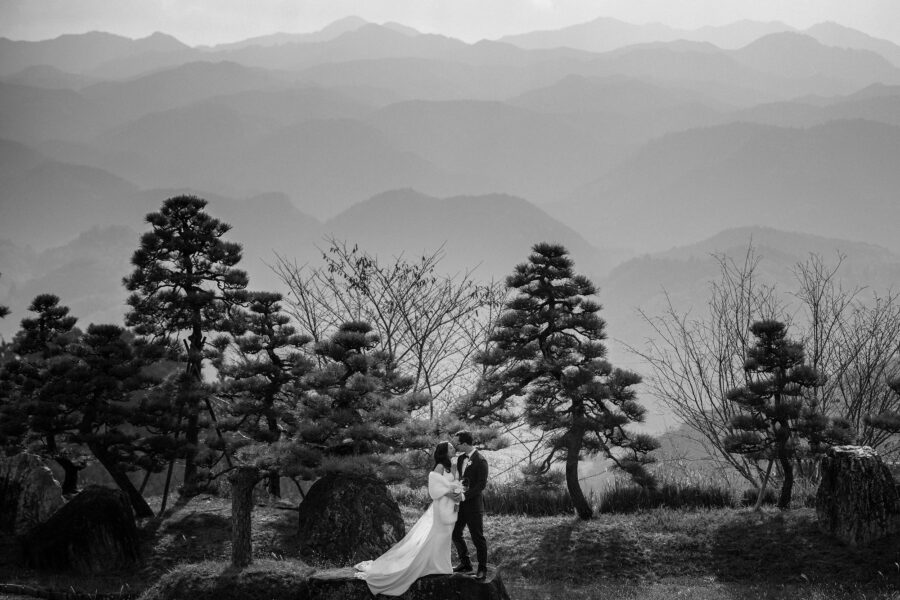
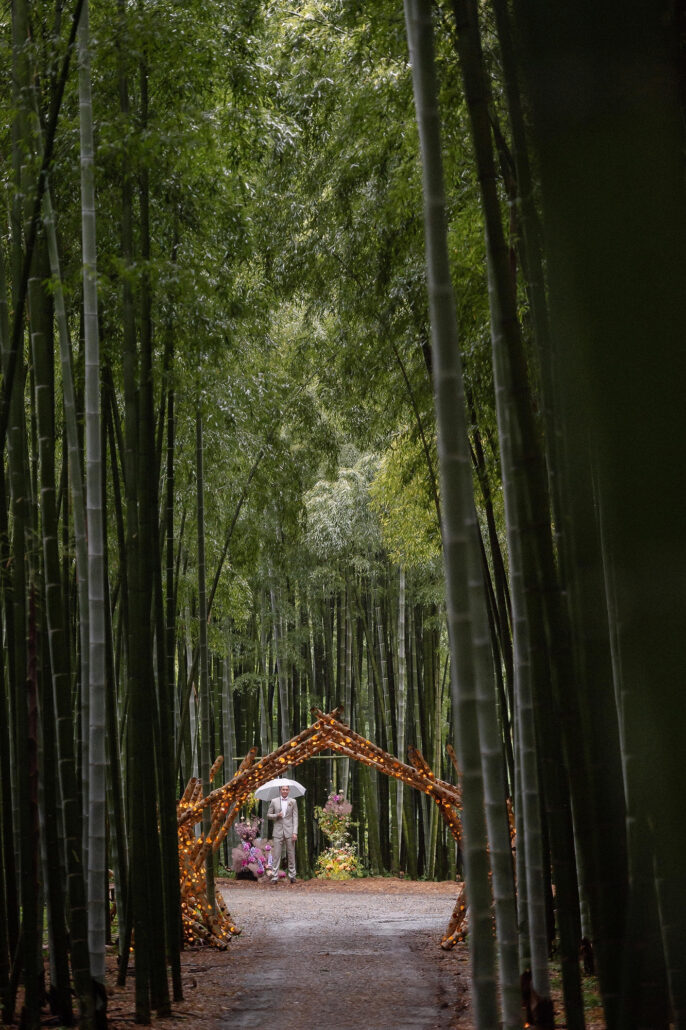
A wedding in a place you’ve never been is laid down on fresh ground. Nothing else is filed there. The path to the ceremony, the room where everyone ate, the table by the window where your father finally sat down: each one is new, and each one holds its moment cleanly, without a hundred ordinary Tuesdays crowded on top of it.
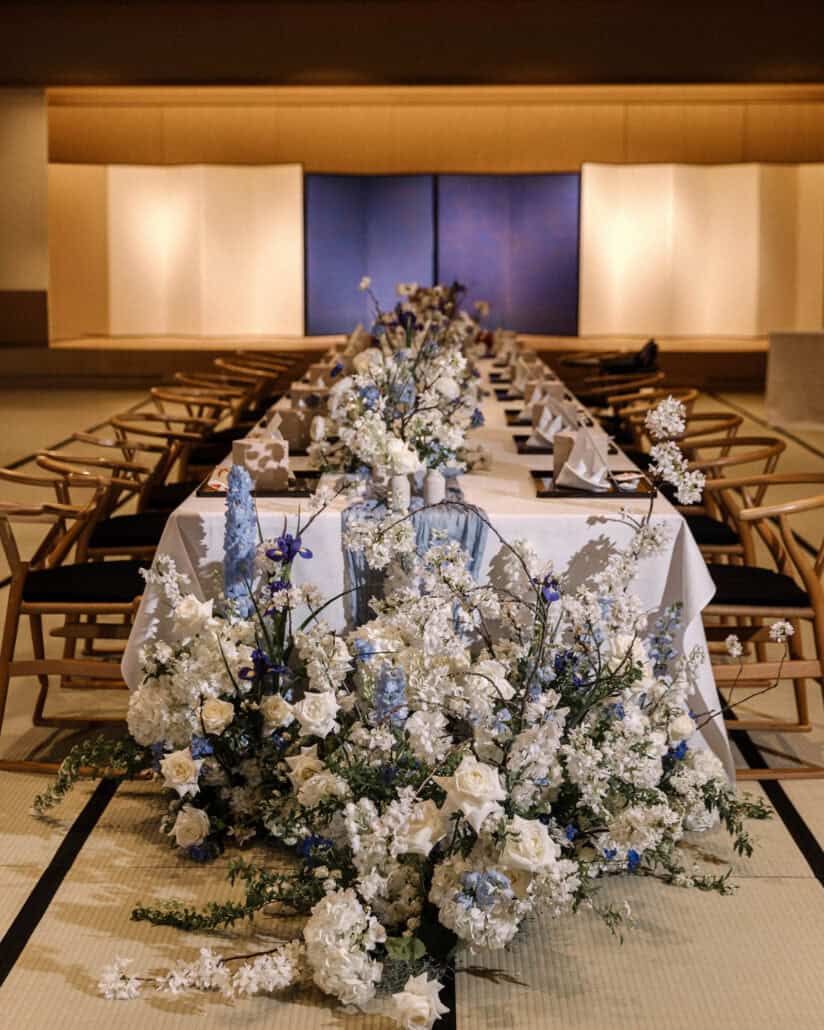
This is part of why we take so much care over where things happen, and not only over what happens. Which path the guests walk before the ceremony. Where the light falls at dinner. Which room the night ends in. They aren’t just pretty settings. They’re the places the day will be stored.
They aren’t just pretty settings. They’re the places the day will be stored.
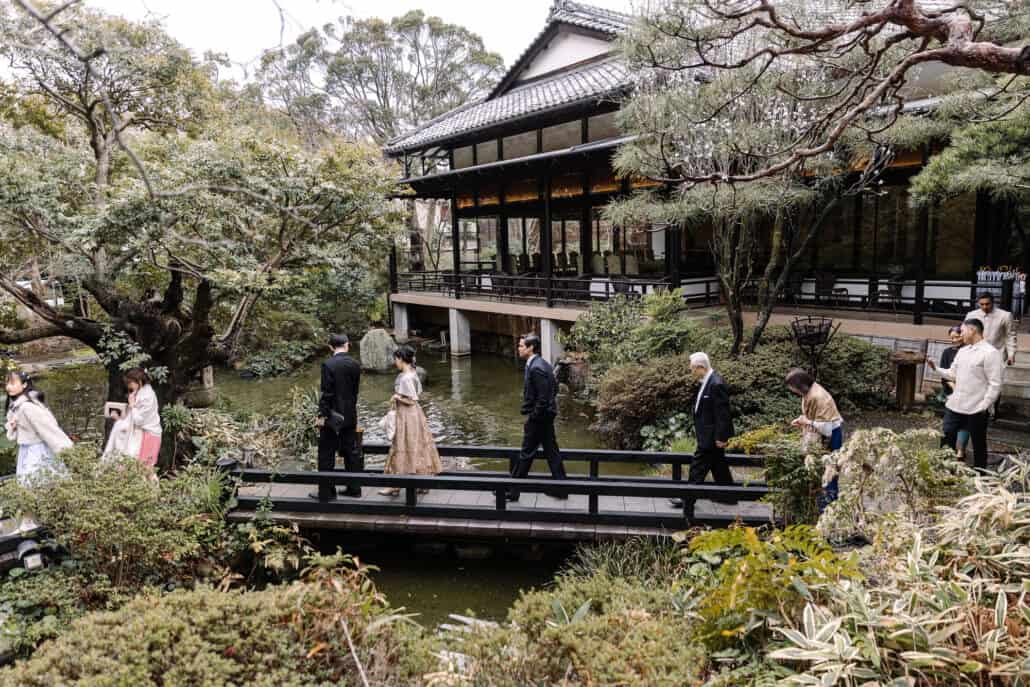
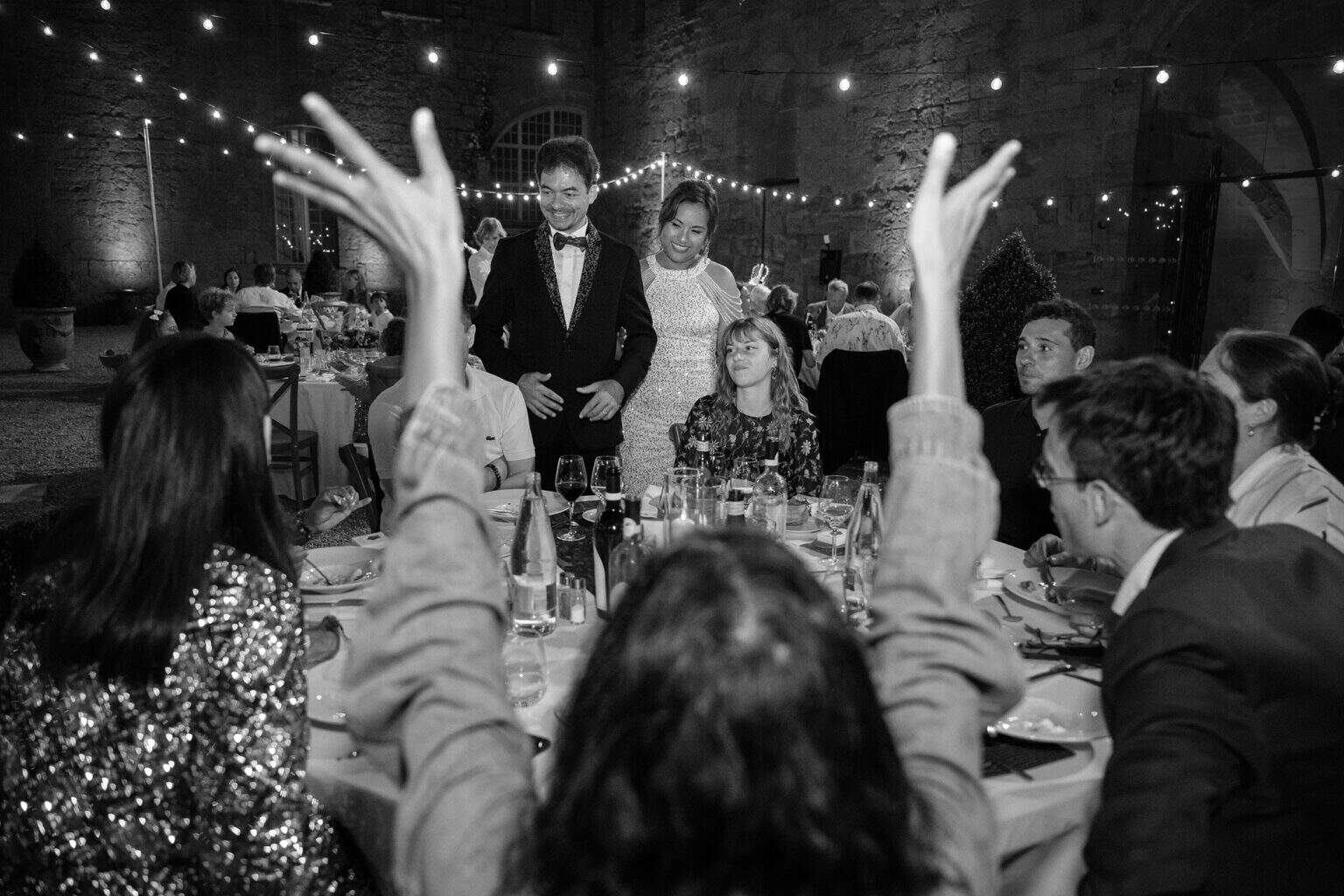
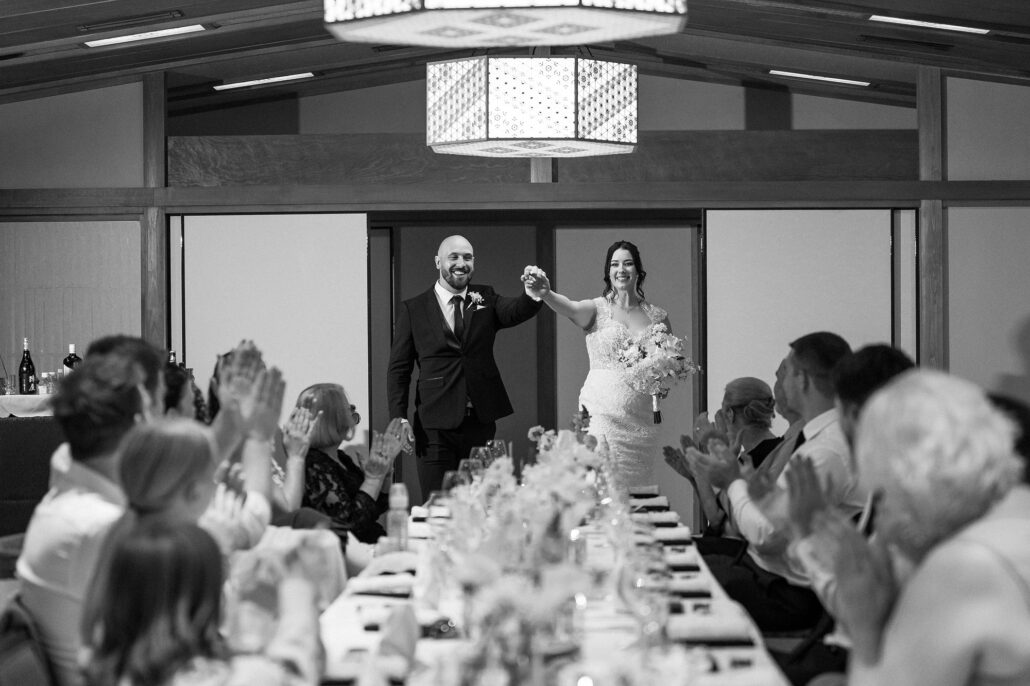
Ask most people about a wedding they loved, years later, and they can still tell you where they sat.
The Places That Become Yours
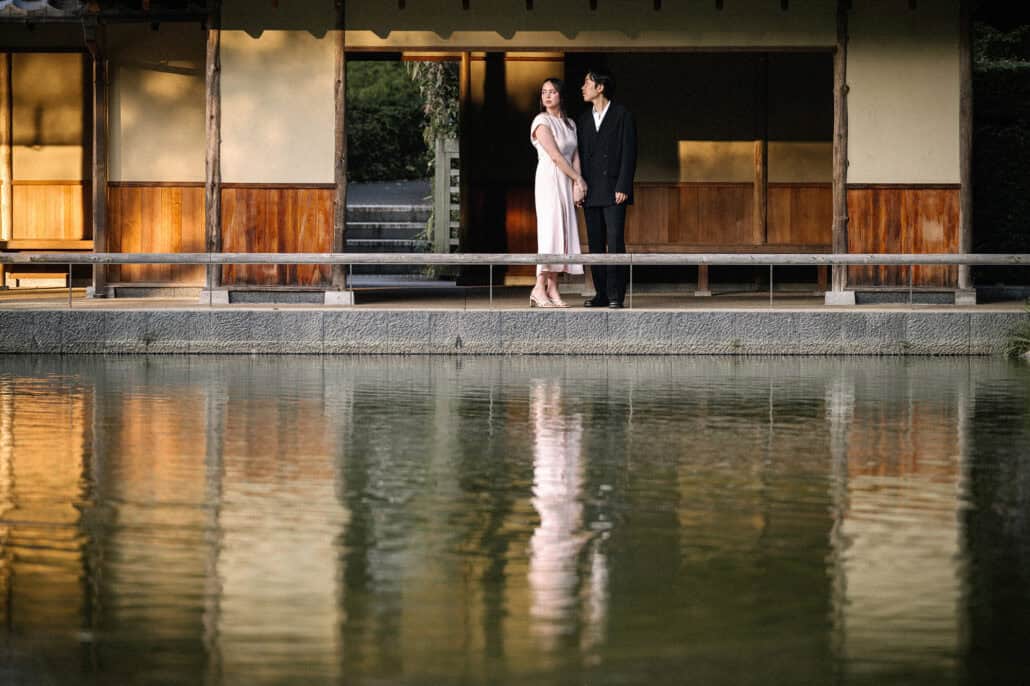
Some of our couples come back to Japan. For an anniversary, for a first trip with a child, or simply because the place is theirs now in a way no other place quite is. They walk the same path and it all comes back, in order, the way it did for Simonides.
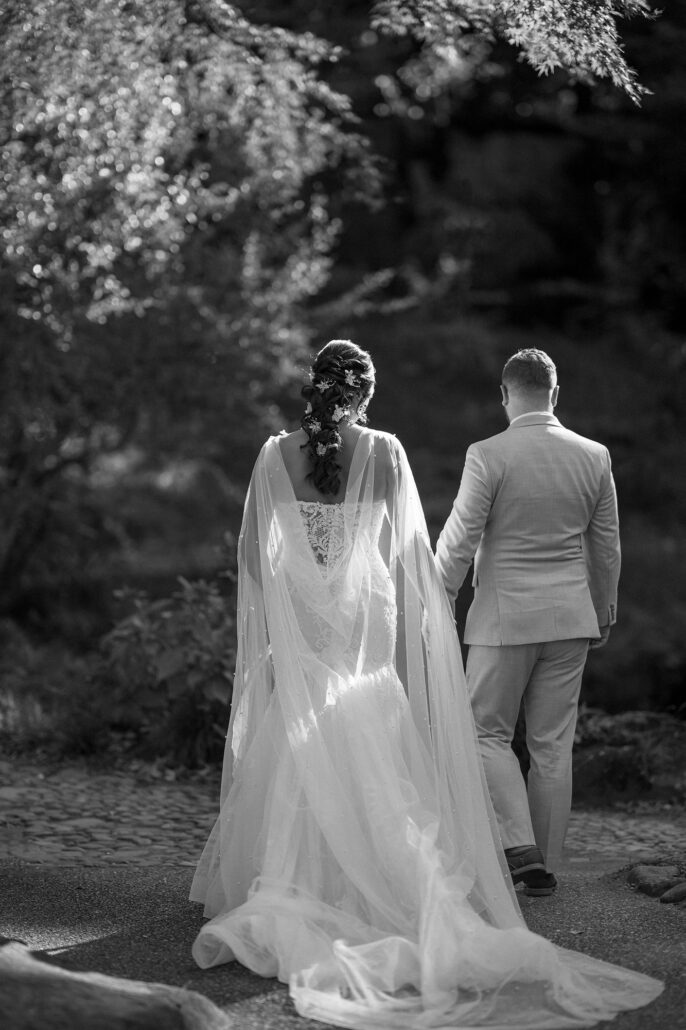
You don’t have to go back, though. That’s the quiet gift of a well-chosen place. It stops being a destination and becomes an address in your own memory, and you can return to it whenever you like, with your eyes shut.
Simonides remembered the guests by where they sat. Two and a half thousand years later, that’s still the best way to keep a day. Give it a place worth remembering, and let everyone sit down.