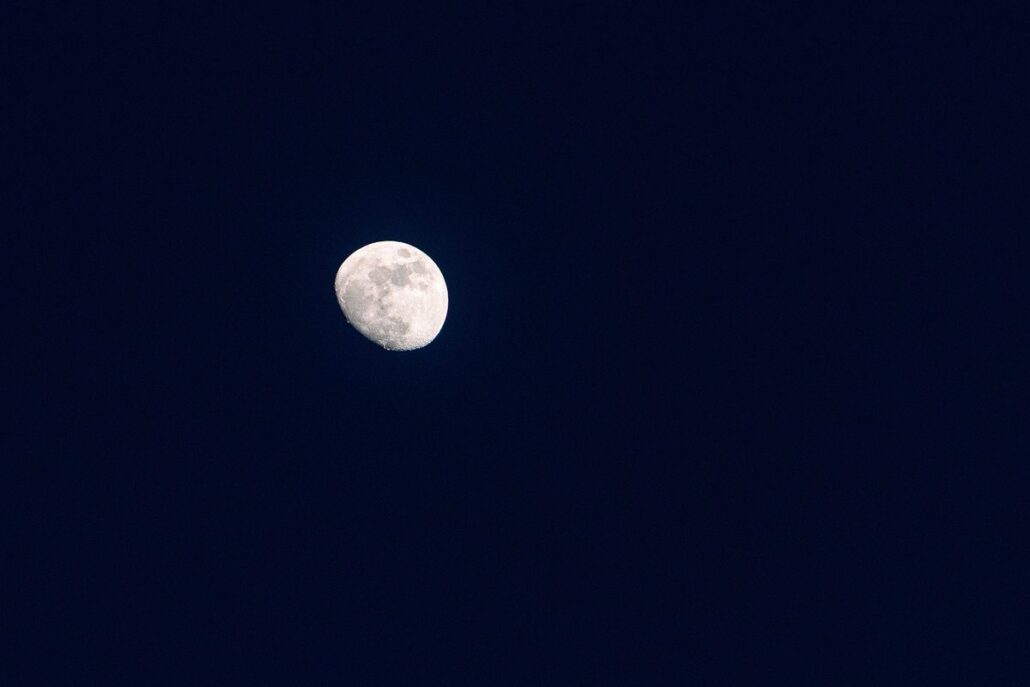
Spend long enough around Japanese literature, or the internet, and someone will tell you the story. Natsume Sōseki, the novelist whose face was once on the thousand-yen note, was teaching English when a student translated “I love you” word for word. Sōseki corrected him. A Japanese person would never say that, he explained. They would say tsuki ga kirei desu ne. The moon is beautiful, isn’t it?
It’s a lovely story. Even if we don’t know for sure that it really happened.
A Story With No Source
Librarians in Gifu searched more than twenty sources for Japan’s national reference database and could find no reliable evidence that Sōseki ever said it. Nothing in his writing mentions it, and nobody who knew him recorded it. The story first surfaces in print in 1977, in a science fiction column, and even there the moon is “so blue” rather than beautiful. The version everyone repeats took roughly another decade to settle into its familiar shape.
What makes it more interesting than a simple myth is that Sōseki did notice the problem. In notes he made in London, reading the novelist George Meredith, he wrote that “I love you” was a formula Japanese didn’t have. He named the gap. He just never filled it with the moon. Someone else did, long afterwards, and gave him the credit.
He named the gap. He just never filled it with the moon.
The same thing happened to another writer of his era. Futabatei Shimei is said to have translated a Russian “I love you” as shinde mo ii wa, “I could die now.” The line is real. It appears in his 1896 translation of Turgenev’s Asya. But in Turgenev’s Russian, the heroine doesn’t say “I love you” at all. She whispers “Yours.”
Why the Legend Stuck
A story with no source doesn’t survive for half a century by accident. This one stuck because it describes something real about how feeling is often carried here: through shared attention rather than announcement.
Japanese has words for this that English lacks. Ishin denshin began in Zen, describing teaching passed from master to student without words, and it now means two minds understanding each other in silence. Sasshi is the everyday skill of perceiving what someone means from what they leave unsaid. Neither makes Japan a nation of the unspoken. Plenty of people here say exactly what they think. But both describe a kind of intimacy that doesn’t need a declaration to be complete.
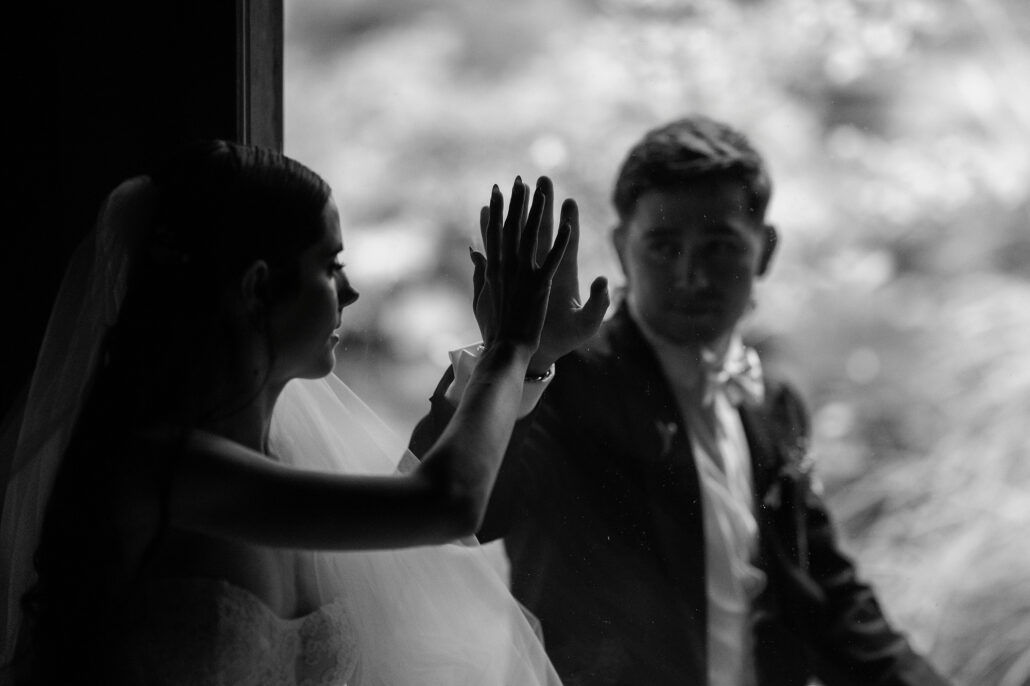
“The moon is beautiful, isn’t it?” has since grown its own replies, passed around online like a parlour game. “The moon has always been beautiful” means yes, and I’ve felt the same all along. “I can’t see the moon” means no, kindly.
Two Moons in Autumn
Japan gives the moon two evenings each autumn. Jūgoya, the fifteenth night of the eighth lunar month, fell on 25 September this year. Jūsan’ya, the thirteenth night of the ninth, is a custom found only in Japan, and it falls on 23 October. Households set out moon-viewing dumplings and stems of pampas grass. An old belief held that viewing only one of the two moons, katatsukimi, would bring bad luck. You were meant to see both, which seems like sound advice for most things worth loving.
What Gets Said Without Saying It
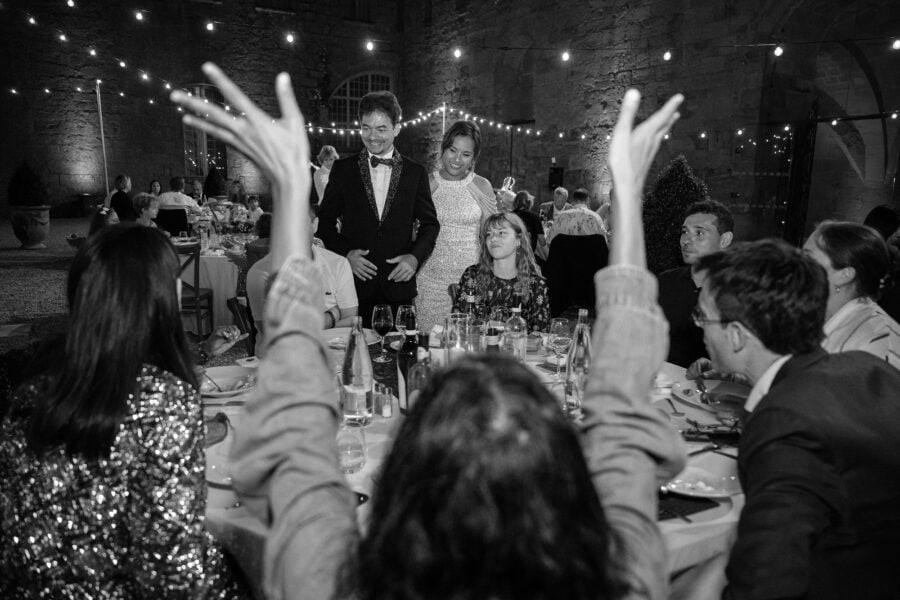
Once you start listening for moon sentences, a wedding is full of them. A guest who flew halfway round the world and doesn’t mention the flight. A father who was asked to speak, doesn’t trust his voice, and instead rests a hand on his daughter’s shoulder for a few seconds as she passes. A friend who spent weeks on the playlist and never says so. Nobody explains any of it, and everyone in the room understands.
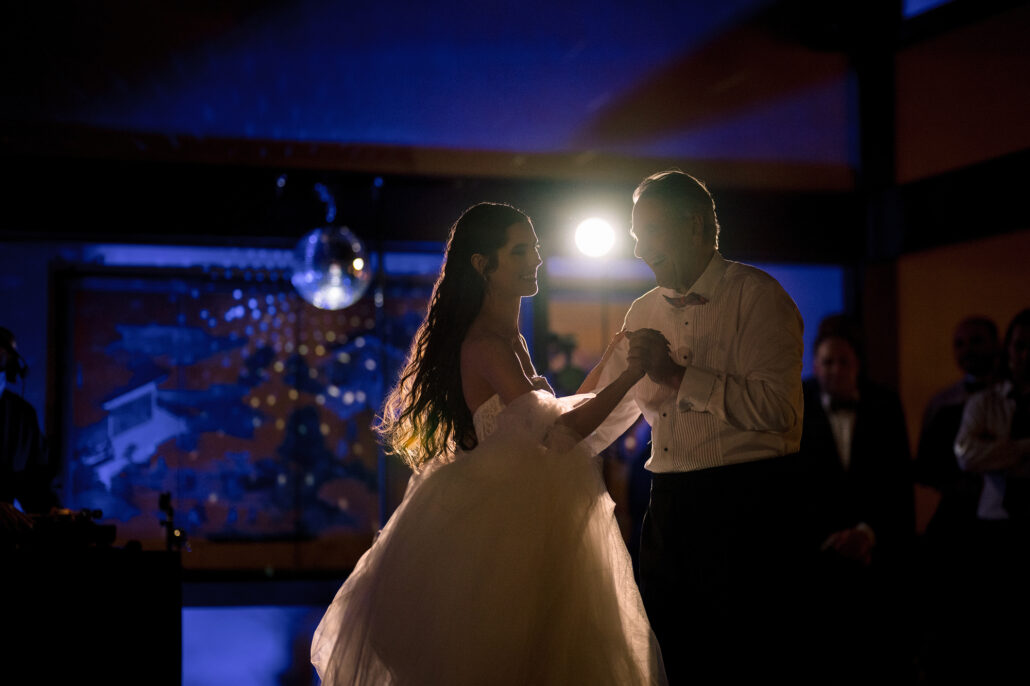
The vows that land hardest are often built the same way. “I love you” is the sentence everyone expects. What stops a room is the small, observed detail that only one person in the world could know, the evidence rather than the declaration.
What stops a room is the small, observed detail that only one person in the world could know, the evidence rather than the declaration.
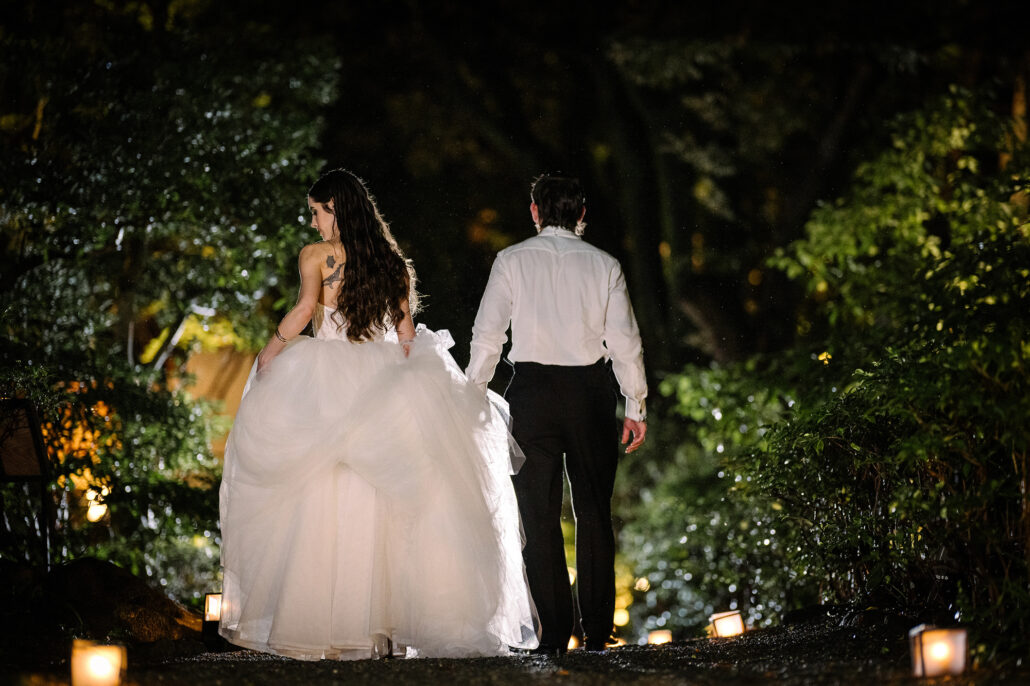
We plan for that kind of communication, because it can’t be scripted, only made possible. A seat where a grandmother can see her granddaughter’s face at the moment it changes. A few unscheduled minutes on the walk between the ceremony and dinner. A pause after the last speech, long enough for the words to arrive.
The Same Face
Whatever Sōseki did or didn’t say, the moon has been doing this work for a very long time. It keeps the same face turned towards the Earth, held there by the pull between the two, and it drifts away by about four centimetres a year, slowly enough that every couple who has ever stood beneath it has looked up at the same face.
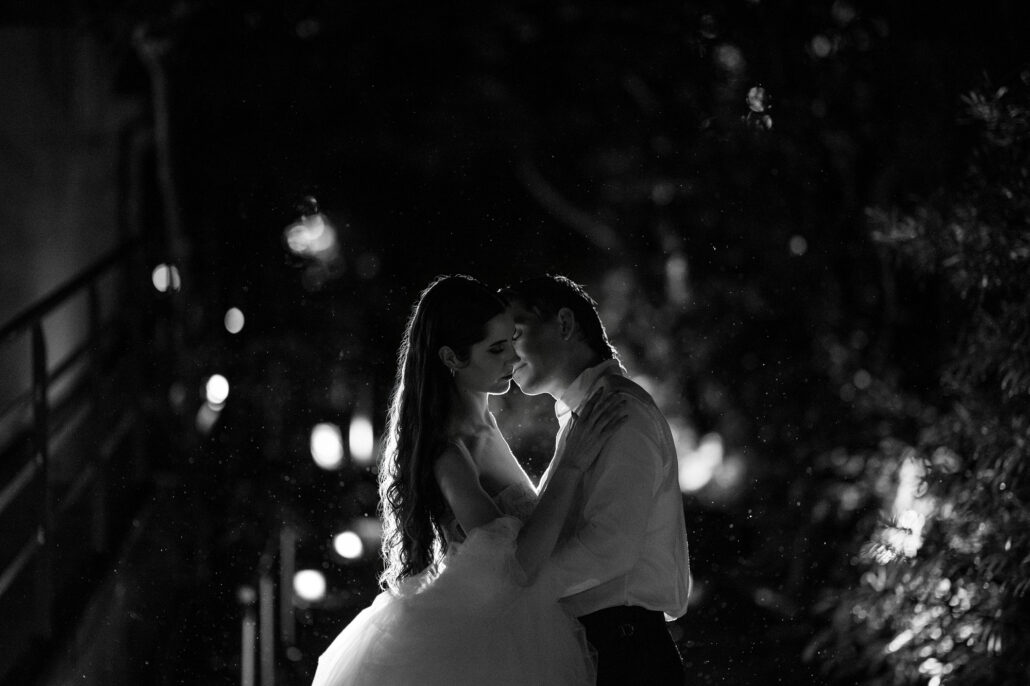
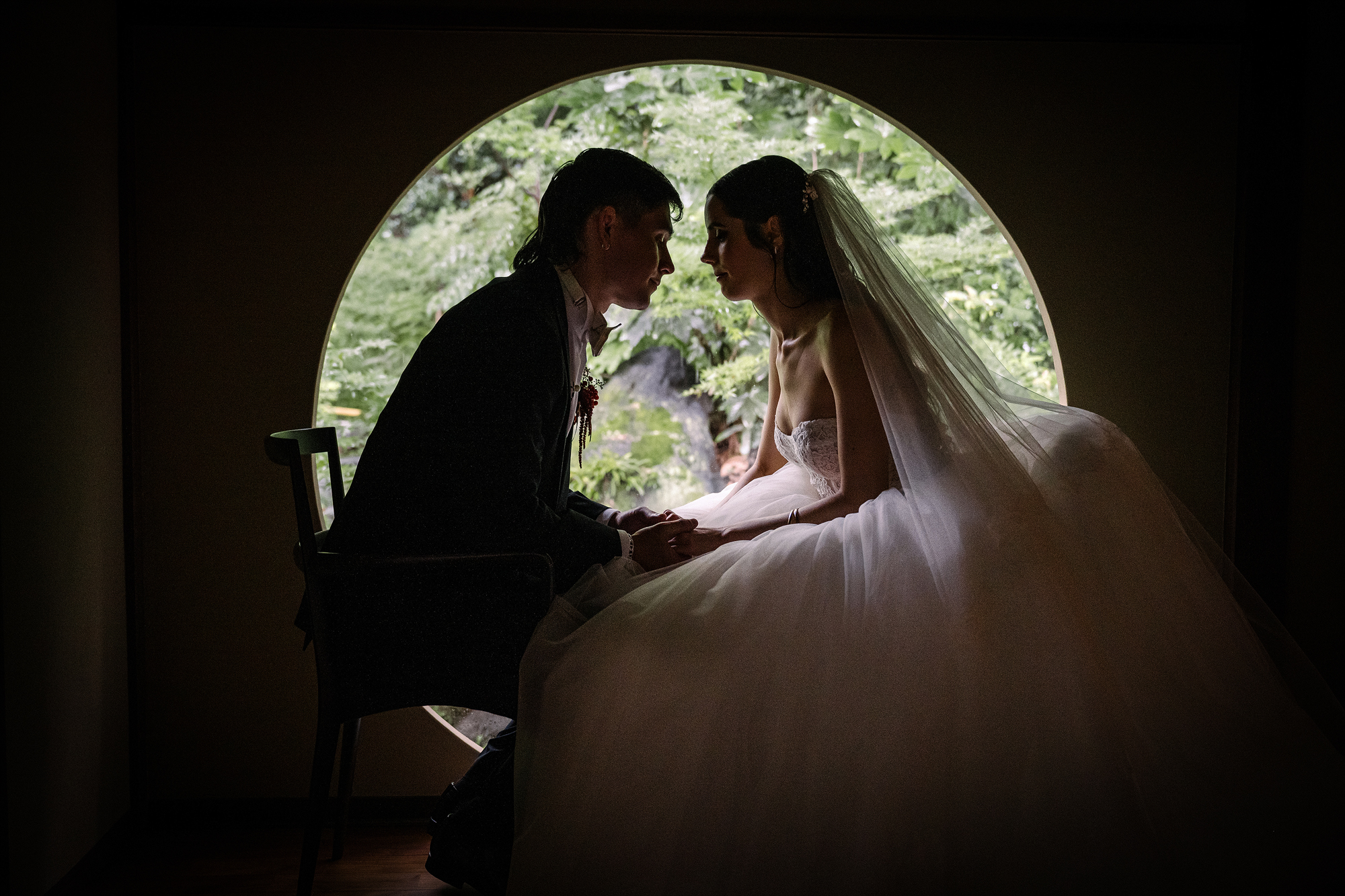
Tsuki ga kirei desu ne. Some sentences don’t need translating. They need someone standing beside you who already knows what you mean.
More from our Japanese word series: ma, the space between things; yūgen, the feeling beneath the feeling; and wa, harmony.