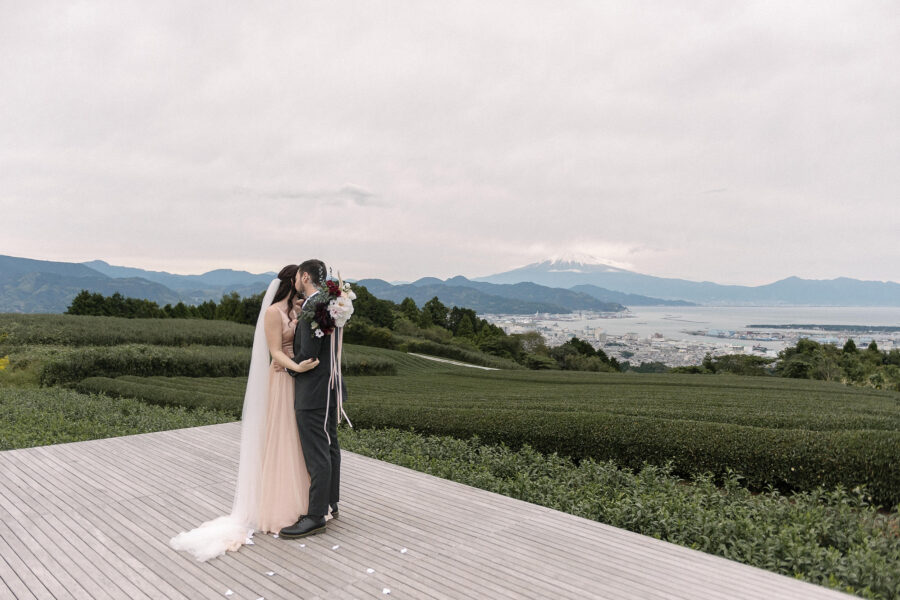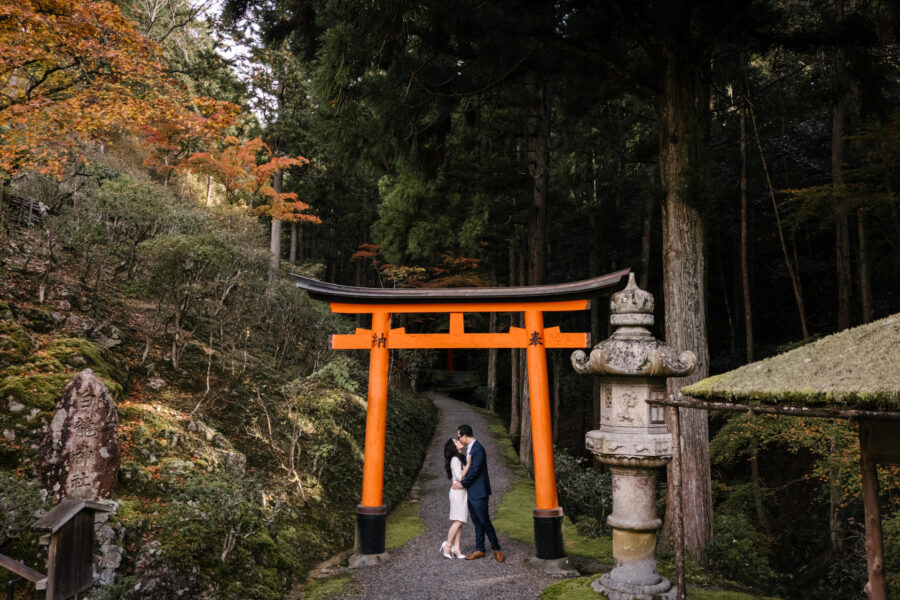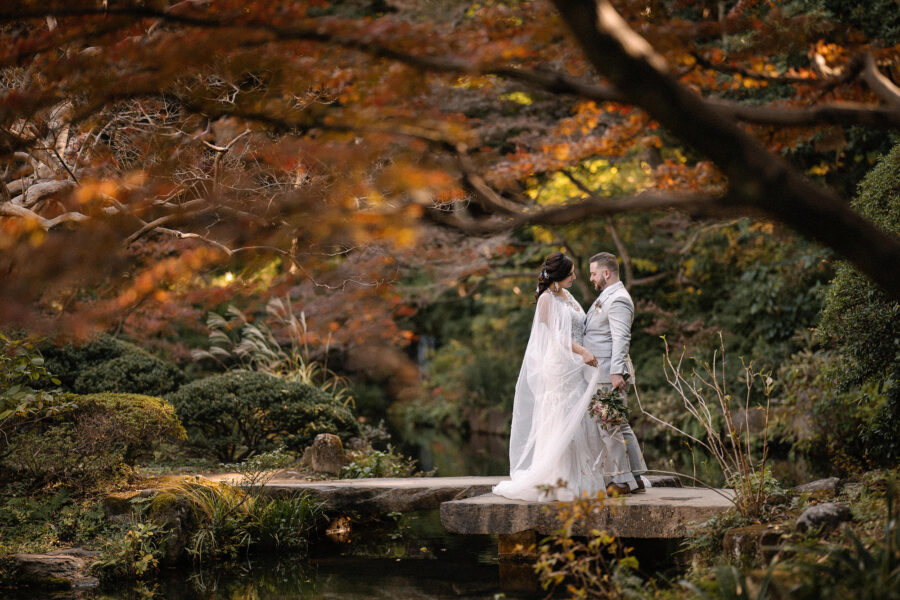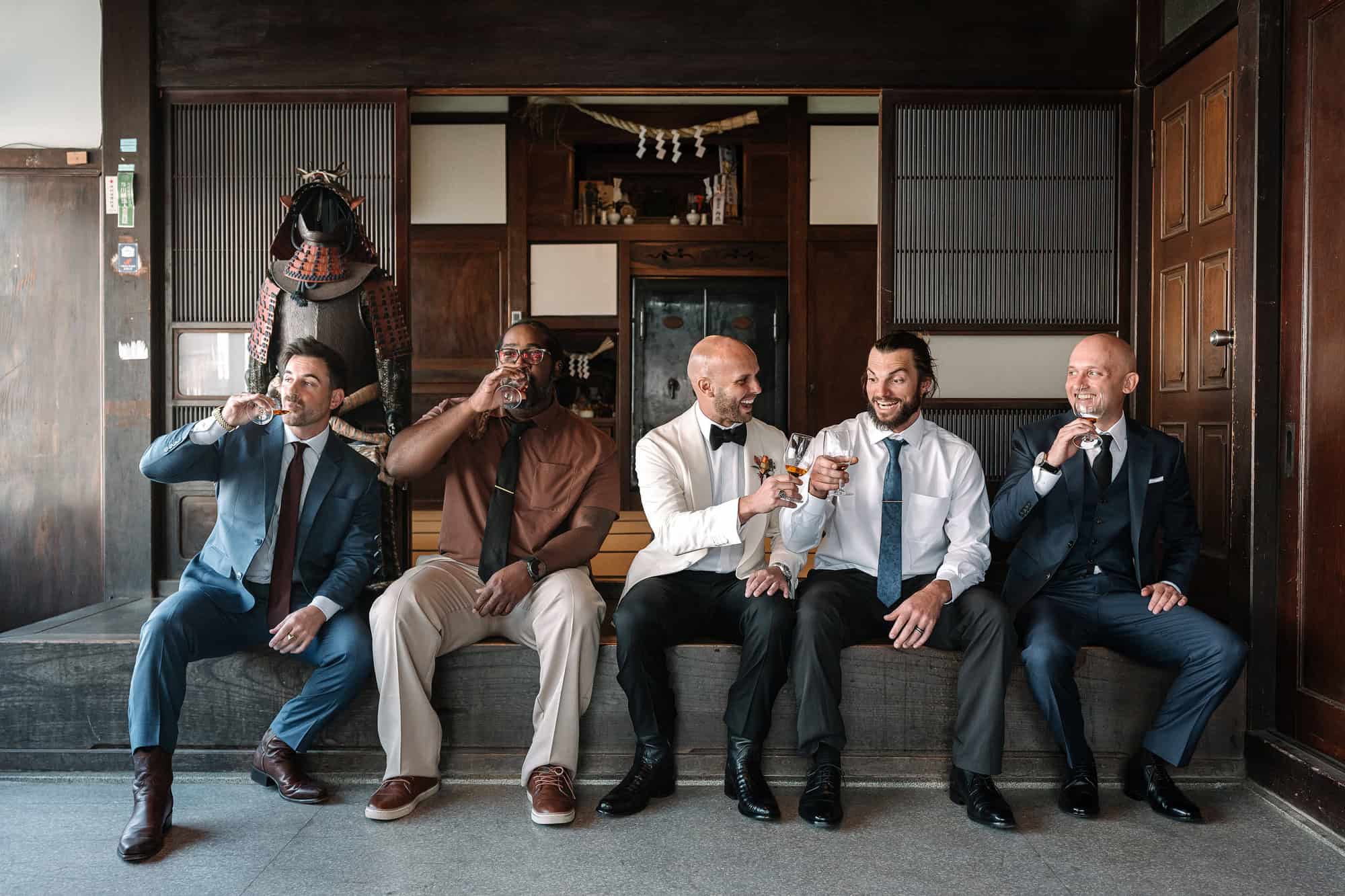
Almost everyone who comes to Japan for a wedding goes home with something they didn’t bring: a tea bowl from a potter’s shop in Kyoto, a kitchen knife, a set of lacquer bowls, a length of indigo cloth, a kimono, or an obi that will end up on a wall rather than round a waist. What will yours be? Until now, all of it could be bought tax-free at the till, with the tax taken off the price.
From 1 November 2026, that changes. Tax-free shopping in Japan doesn’t end. It moves to the other end of the trip. You pay the full price in the shop, consumption tax included, which is 10 percent on most goods. The tax comes back to you once customs at the airport has confirmed the goods are leaving Japan with you.
There’s no overlap between the two systems. The date on the receipt decides which rules apply: buy a bowl on 31 October and the tax comes off at the till; buy the same bowl on 1 November and you pay the full price and claim the tax back on the way out. Japan made the change to stop tax-free goods being resold inside the country, so the check now happens at the border instead of the counter.
For anyone coming to a wedding here, the new system turns on one question: is this coming home with me? If it is, keep it with you until the airport has seen it. If it’s for someone at the wedding, the tax stays in Japan.
| Until 31 October 2026 | From 1 November 2026 | |
|---|---|---|
| In the shop | You pay the price without consumption tax | You pay the full price, consumption tax included |
| The tax | Taken off at the till | Refunded after customs confirms at departure |
| Minimum spend | ¥5,000 (about US$32) before tax, per shop, per day, with separate rules for food and cosmetics | ¥5,000 (about US$32) before tax, per shop, per day, for everything |
| Food and cosmetics | Sealed in special bags, with a ¥500K (about US$3.2K) cap | No sealed bags and no cap, but food, drink and cosmetics consumed in Japan don’t qualify |
How Tax-Free Shopping in Japan Works From 1 November
In the shop. Show your passport, pay the full price, and choose how you’d like the refund paid. Each shop, or the refund company it works with, decides which methods it offers. The purchase still has to come to at least ¥5,000 before tax, in one shop on one day.
At the airport, before you check in. Within 90 days of the purchase, take your passport and every item to a tax-free terminal in the international departure lobby, before you drop your bags. Ninety days is generous for a wedding trip. The government’s own example: buy something on 1 November and you have until 30 January to complete the check.
Green or red. A green screen means you’re done. A red one means customs would like to see the goods, so take them to the inspection area.
The refund. Once customs has confirmed the goods are leaving, the shop or its refund company pays you back by the method you chose. There’s no official timeline yet, and refund companies quote anything from a few days to a few weeks, so unless the shop pays cash at the airport, expect the money after you’re home.
At Narita, Haneda, Kansai, Chubu, Fukuoka, New Chitose and Naha airports, you can also complete the check on your phone through Visit Japan Web, on the dedicated Wi-Fi in the departure lobby, before check-in and security. Set it up before you travel; the terminals are there if it won’t connect.
Our guide to travelling to Japan for a wedding covers the rest of the trip, from the departure tax to what you can bring in, and our guide to what a wedding in Japan costs sets the new taxes beside everything else in the budget.
Japan’s Airport Tax Refund: The Receipt Is the Unit
Customs confirms a purchase receipt by receipt, and that one fact shapes everything else. If you can’t show one item from a receipt, nothing on that receipt is confirmed. Three cups bought together, one of them given away at dinner, and the tax on all three is gone.
Three cups bought together, one of them given away at dinner, and the tax on all three is gone.
That’s why the check comes before the bag drop. Once a suitcase is on the belt it can’t be pulled back, and a red screen means customs needs to see what you bought. Give it time, too: a check abandoned to make a flight counts as not done, and neither the airline nor customs will make good a missed flight.
So keep everything you bought tax-free in your hand luggage until the terminal has cleared it, and keep each shop’s purchases together. If you change planes in Japan before flying home, do the check at the airport you leave Japan from, not the one you started at.
Tax-Free Shopping for Wedding Guests: Gifts, Kimono and Sake
Kimono, obi, ceramics, lacquerware, textiles and crafts all count as ordinary goods. From 1 November the old split between general goods and consumables goes, and so do the sealed bags that food and cosmetics came in, so everything follows the same rule: ¥5,000 or more, in one shop, on one day, carried out of Japan by you.
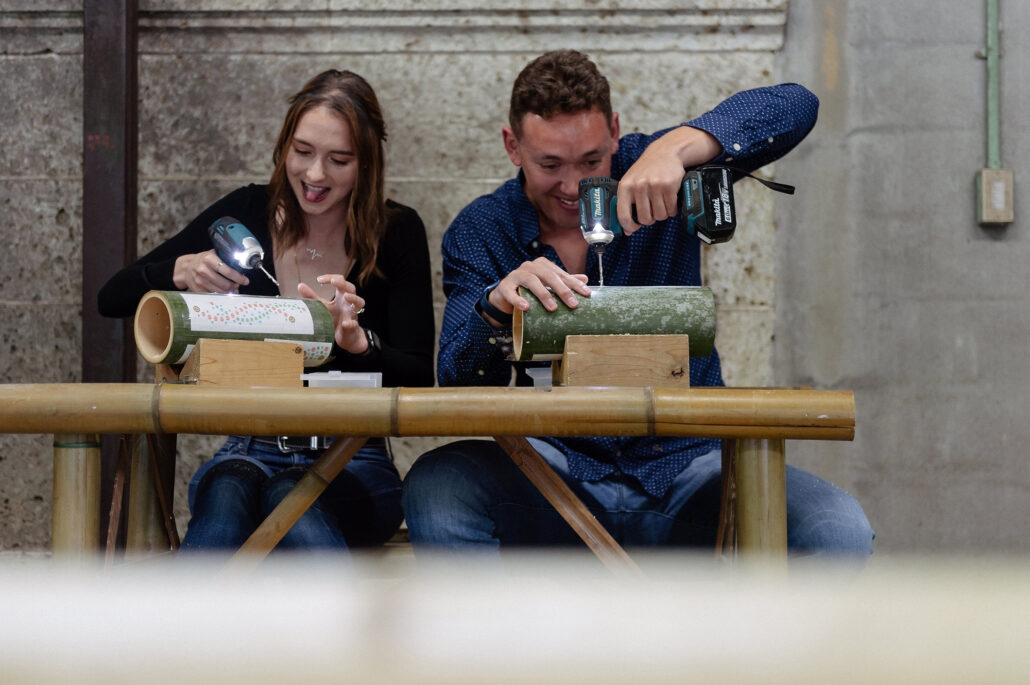
That last part matters at a wedding. Anything you hand over before you leave doesn’t qualify, because it has to leave the country with you. A tea set bought as a gift for the couple and given at the welcome dinner stays tax-paid. So does anything eaten, drunk or opened in Japan: the sweets you bought for the hotel room, the sake you opened at the after-party, the tea you made on the last morning. A kimono or obi you wear to the wedding is different. It still counts, as long as it leaves Japan with you. Our guide for guests attending a wedding in Japan covers the gift etiquette itself.
Omiyage, the boxed sweets Japan brings home for colleagues and family, now count toward the same ¥5,000 minimum as the bowl, as long as they leave Japan unopened.
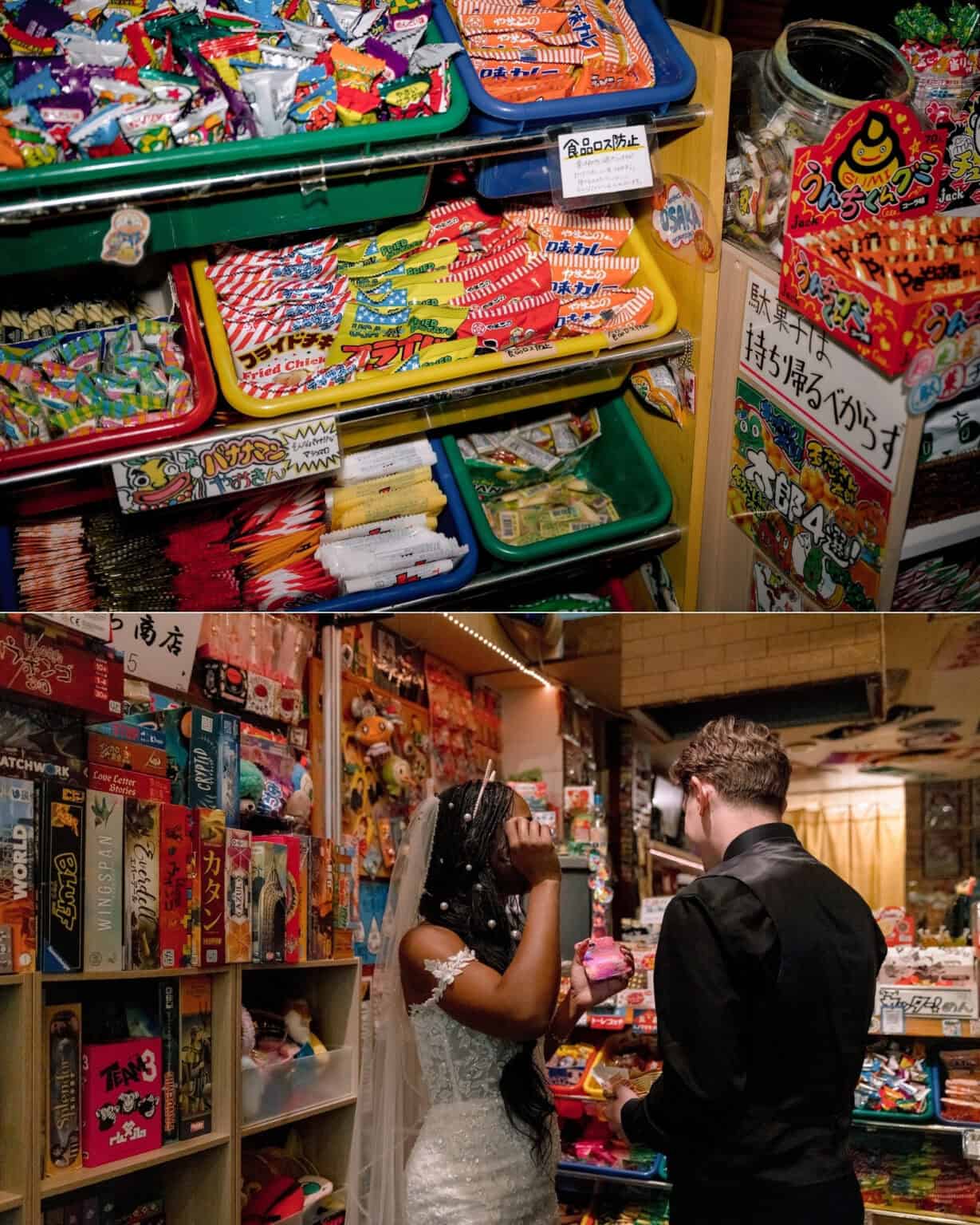
If you’re the couple, the welcome gifts, the favours and the presents for your parents are bought in Japan and given in Japan, so none of them is tax-free. Budget for the tax and enjoy choosing them.
When one of you is Japanese and has lived abroad for two years or more, you can still shop tax-free, and so can family who’ve done the same, with proof of when you moved overseas. From 1 November, a My Number Card that records the move abroad also counts as proof, alongside the older documents.
If you’re shopping for the people at home, buy with the airport in mind.
If you’re shopping for the people at the wedding, buy it, give it, and let the tax go.
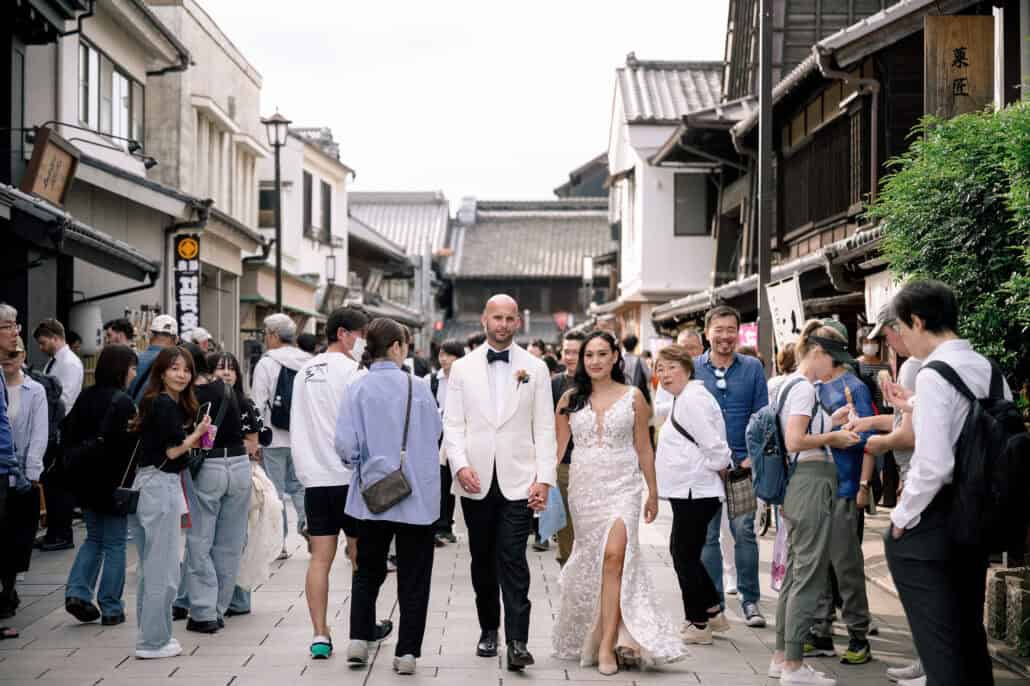
Big Pieces: Carrying or Shipping Them Home From Japan
A heavy ceramic piece, a framed print or a kimono in its presentation box asks the most of the new system. It has to travel through the departure lobby in your hands, and be unpacked for customs if the screen turns red.
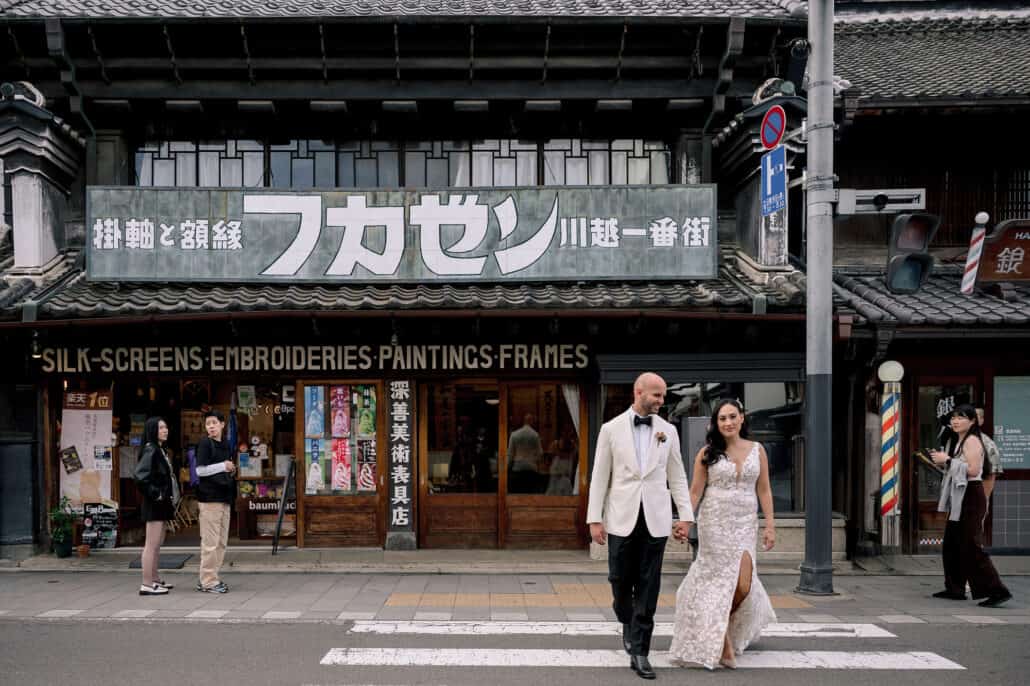
The other route is to have the shop send it. The old practice of buying tax-free and posting goods home separately ended for purchases from 1 April 2025. But if you arrange the shipping at the shop itself, signing the carrier’s form at the counter and handing the goods straight over, the sale is treated as an export and the tax doesn’t apply in the first place. Not every shop offers it, so ask before you choose the piece, not after.
Anything priced at ¥1M (about US$6.4K) or more before tax may need a certificate of authenticity or a warranty card at customs, so keep the paperwork with it.
Tax Refund Fees and Methods: Ask Before You Pay
Because the law doesn’t say how refunds have to be paid, shops are working it out in different ways: card, bank transfer, an app, or cash at the airport after the check. Some use refund companies that take a handling fee. Before you pay, ask three things: how the refund comes back, roughly when, and whether anything is taken off it.
Not every shop that sold tax-free in October will in November. Shops that hadn’t moved to the new system by 31 October lose their tax-free status that day.
Tax-Free Shopping in Japan: Quick Answers
Is tax-free shopping ending in Japan?
No. From 1 November 2026 it works as a refund. You pay the full price, consumption tax included, and the tax is refunded after customs confirms at departure that the goods are leaving Japan with you. Anything bought up to 31 October is still tax-free at the till, the old way, so the date on the receipt decides which system you’re in.
How do I get my tax refund in Japan after 1 November 2026?
Show your passport when you buy and choose a refund method. Within 90 days, before you check in for your flight home, scan your passport at a tax-free terminal in the departure lobby. Green means done; red means customs will inspect the goods. The shop or its refund company then pays the refund.
What is the minimum spend for tax-free shopping in Japan?
¥5,000 (about US$32) or more before tax, at one shop on one day. From 1 November 2026 that one threshold applies to everything you buy, with no separate rule for food and cosmetics and no sealed bags. Purchases from different shops can’t be added together, so a cup from one potter and a bowl from the next each need to reach it on their own.
How is the tax refund paid, and how long does it take?
It depends on the shop and the refund company it works with. Some pay cash at the airport once the check is done; others pay to a card, a bank account or an app, which can take from a few days to a few weeks. There’s no official timeline yet, so ask how the refund will be paid, and when, before you buy.
Is there a fee for the tax refund in Japan?
Sometimes. The law doesn’t set how refunds are paid, so some shops and refund companies take a handling fee and others don’t. Ask whether anything is taken off the refund before you pay. On a ¥5,000 purchase the tax is ¥500, so even a small fee is a real share of what comes back.
Do gifts I give at the wedding qualify for tax-free shopping?
No. Goods have to leave Japan with you and be shown to customs if asked, so anything you give away, or eat, drink or open in Japan, doesn’t qualify. A gift for the couple, handed over at the welcome dinner, stays tax-paid. A gift you carry home for someone who couldn’t come does qualify, as long as it meets the ¥5,000 minimum and stays in your hand luggage.
What if I’ve already packed the goods in my checked luggage?
Take them out before you check in. The tax-free check comes first, at a terminal in the departure lobby, so repack there if you need to. Once a bag is on the belt it can’t be retrieved, and if the screen turns red, customs will want to see the goods themselves, with every item from that receipt.

The Things That Come Home
The tax is worth claiming. It was never the reason for the bowl. It’s the thing on the kitchen shelf that puts you back at the wedding every time you reach for it. Just carry it in your hand luggage until the screen turns green.
Updated October 2026. Sources: the Japan Tourism Agency’s guide to the refund method and the National Tax Agency’s overview of the change. Dollar figures at about ¥157 to the US dollar (October 2026).