We first wrote this page in January 2022, when Japan’s borders were closed and the honest answer to its title was no. Couples were holding two dates and waiting for news. Some of them waited a very long time.
The answer now is yes, and it has been for a while. Japan reopened to independent travellers on 11 October 2022, and the last COVID entry rules ended on 29 April 2023: no tests, no vaccination certificates, no quarantine. If you’re planning to travel to Japan for a wedding in 2026 or 2027, the questions have changed. Nobody asks us whether their guests can come. They ask what to pack, what to leave at home, and what’s new since they last looked.
This is the current answer to all of that, checked against the Japanese government’s own pages in October 2026. Rules do change, so the official sources are linked as we go.

Entering Japan: Visa-Free for Most Guests
Japan has visa exemption arrangements with 74 countries and regions, and most visitors from them can stay up to 90 days on arrival, far longer than any wedding trip needs.
A few details catch international guest lists out. Visitors from Thailand and Indonesia are given 15 days, and from Brunei and Qatar, 30. Some nationalities qualify only with an ePassport, among them Brazil, the United Arab Emirates, Peru, Paraguay and Montenegro, and Indonesian and Qatari ePassports must be registered with a Japanese embassy or consulate before travel. When a guest list spans many passports, it’s worth each guest checking the Ministry of Foreign Affairs list when the invitations go out, not the week before the flight.
The UK and US governments advise that a passport valid for the length of your stay is enough for Japan. Check your airline’s own rules too.
Visit Japan Web: Recommended, Not Required
Visit Japan Web is the Digital Agency’s free site for arrival. Fill it in before you fly and you get a single QR code for immigration and customs, which makes the end of a long-haul flight a little shorter. It’s recommended rather than required. It is always free, and the Digital Agency has warned about lookalike sites that charge a fee, so use the official address. You can register on a laptop, but the code has to be shown on a phone or tablet.
JESTA: Coming, But Not for Your Wedding
You may have read about JESTA, Japan’s planned electronic travel authorisation, along the lines of the ESTA for the United States. The law creating it was passed on 29 May 2026. It starts on a date the government sets by cabinet order, and the law allows until 31 March 2029 for that. No date has been set, and there’s nothing to apply for yet.
For a wedding in 2026 or 2027, JESTA isn’t part of the trip. When it does arrive, it will apply to visa-exempt visitors, which means most of our guests.
What You Can Bring for the Wedding
This is where most of the new questions are, and where the rules are least obvious.
Flowers
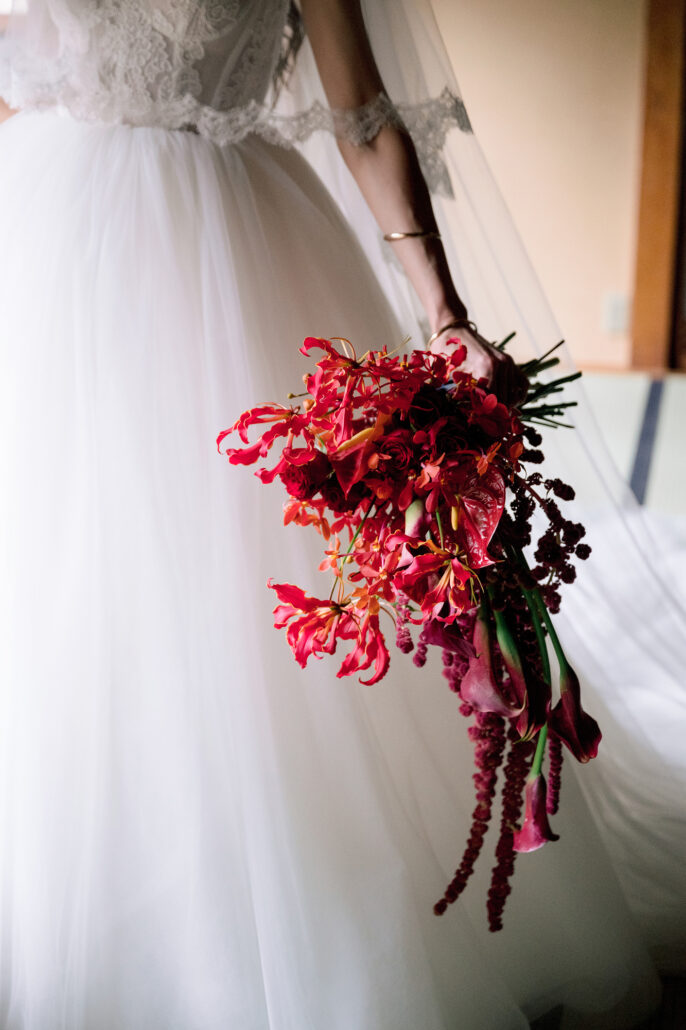
Fresh flowers can’t simply be packed. All plants, cut flowers included, have to pass inspection at the airport’s plant quarantine counter and carry a phytosanitary certificate from your home country’s government, even in small amounts. Without one, they’re taken away. Many dried flowers don’t need the certificate but are still inspected. The easier answer is to have the flowers made here. Japan’s florists work with whatever is in season that week, which no suitcase can match.
The cake, and anything edible
Meat, eggs and anything made from them fall under animal quarantine, and that covers more than most people guess, from jerky to sausages, even vacuum-packed or bought at an airport. Beef jerky and other beef products from the United States and Canada can’t be brought in at all. A cake made with eggs is exactly the kind of thing the rules don’t spell out, so we’d always have it made in Japan.
Favours and gifts
Gifts in your luggage count towards a duty-free allowance of 200,000 yen per person, measured at their overseas value. If you’re planning a favour for every guest, talk to us before you pack them. It’s often simpler, and more interesting, to make or find them here.
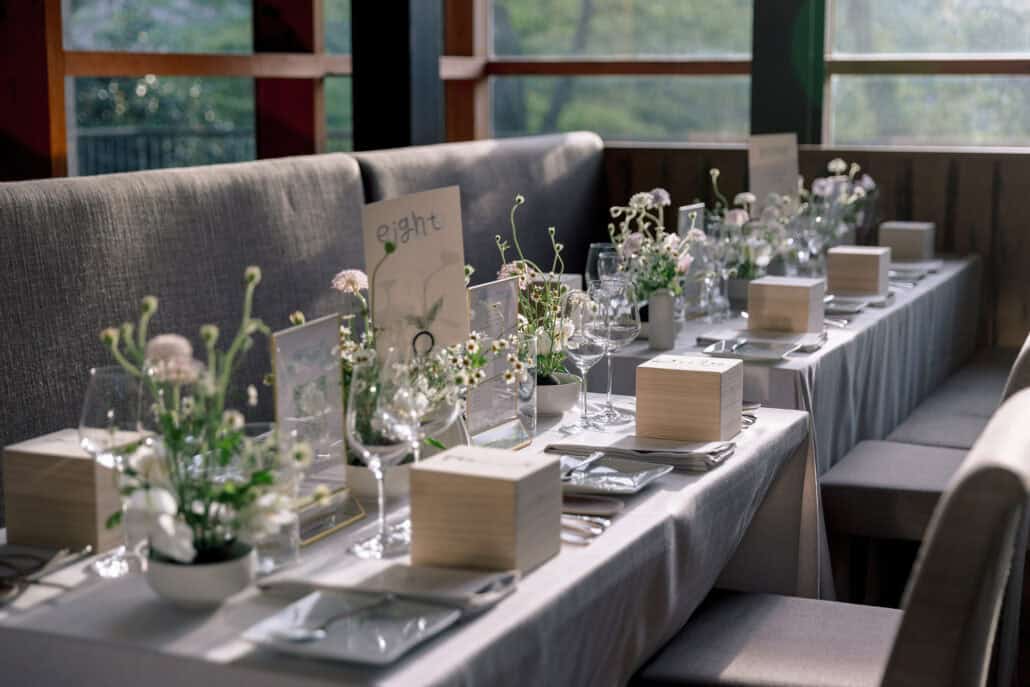
Clothes, and a bottle from home
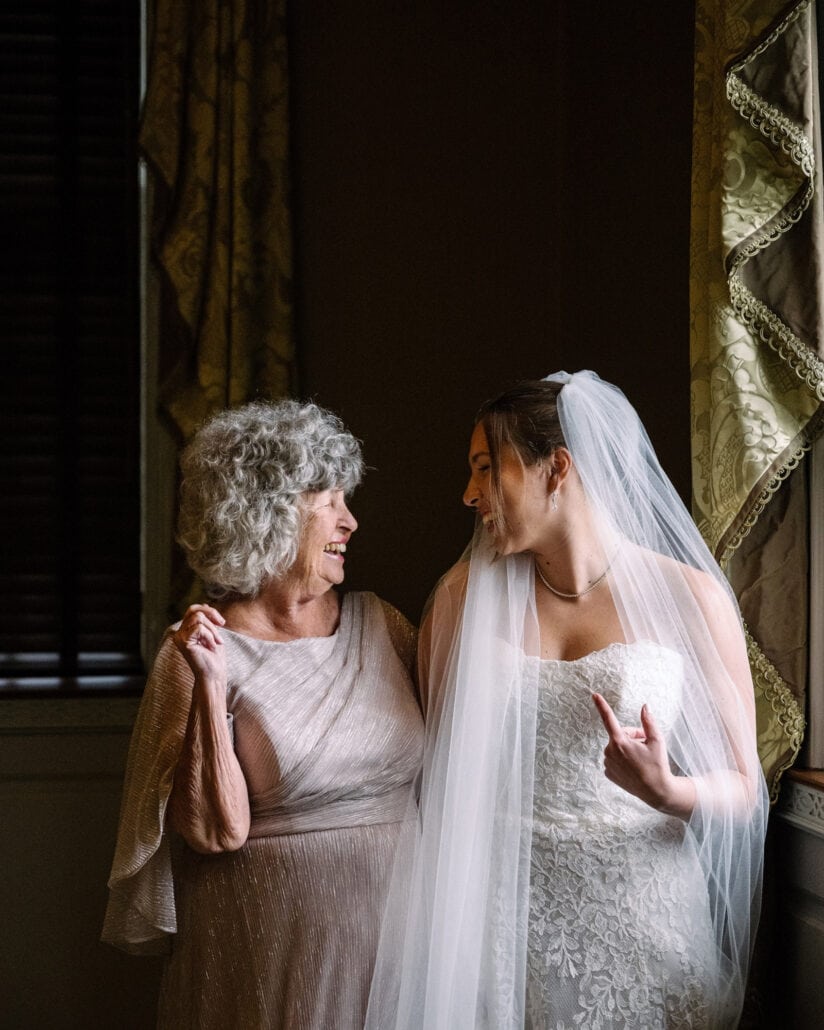
Clothing and other personal effects for your own use come in free of duty in reasonable quantities. Each adult aged 20 or over can also bring three 760 ml bottles of alcohol duty-free, which is enough for a toast with something from home.
Drones
Every drone of 100 grams or more has to be registered with Japan’s transport ministry before it’s flown outdoors, and flying close to people or over a gathering needs separate approval. A wedding is exactly that kind of gathering, so ask guests to leave theirs at home.
Medicines: The Section to Send to Your Grandparents
Japan’s rules on medicine are stricter than most guests expect, and they matter most for the people you’d least want caught out at an airport.
Prescription medicine for your own use can come in without any paperwork up to a one-month supply, and over-the-counter medicine up to two months. More than that needs an import certificate, applied for online before you travel through the Ministry of Health. The Japanese embassy in the United States suggests applying at least two weeks ahead. Insulin brought with its syringes for less than a month needs no certificate.
A few medicines are a different matter. Amphetamine, the active ingredient in Adderall, can’t be brought into Japan at all, even with a prescription. Lisdexamfetamine (Vyvanse or Elvanse) and pseudoephedrine need advance permission from the Narcotics Control Department, applied for at least 14 days before travel. The simplest advice on pseudoephedrine cold remedies such as Sudafed is to leave them at home.
Money: Three Changes in 2026
Japan’s departure tax, the International Tourist Tax, rose from 1,000 yen to 3,000 yen on 1 July 2026. It’s built into the price of the flight, so most guests won’t notice it. Tickets bought before 1 July with a fixed travel date keep the old rate, and children under two pay nothing.
From 1 November 2026, tax-free shopping works differently. Shops charge the full price, tax included, and refund the tax once customs confirms the goods are leaving Japan. You’ll need your passport at the till, and the goods with you at the airport, where you have them confirmed at a tax-free kiosk or terminal before you check your bags, within 90 days of buying them. Skip that step and there’s no refund. The minimum spend is 5,000 yen before tax. For guests buying kimono, ceramics or gifts for people at home, it’s worth keeping those purchases together until the airport.
Kyoto’s accommodation tax rose on 1 March 2026. It’s charged per person, per night, on a sliding scale by room rate, from 200 yen for rooms under 6,000 yen up to 10,000 yen for rooms of 100,000 yen or more, measured on the room charge alone. For guests staying in Kyoto’s finest hotels, it’s worth knowing before the bill arrives.
What Hasn’t Changed
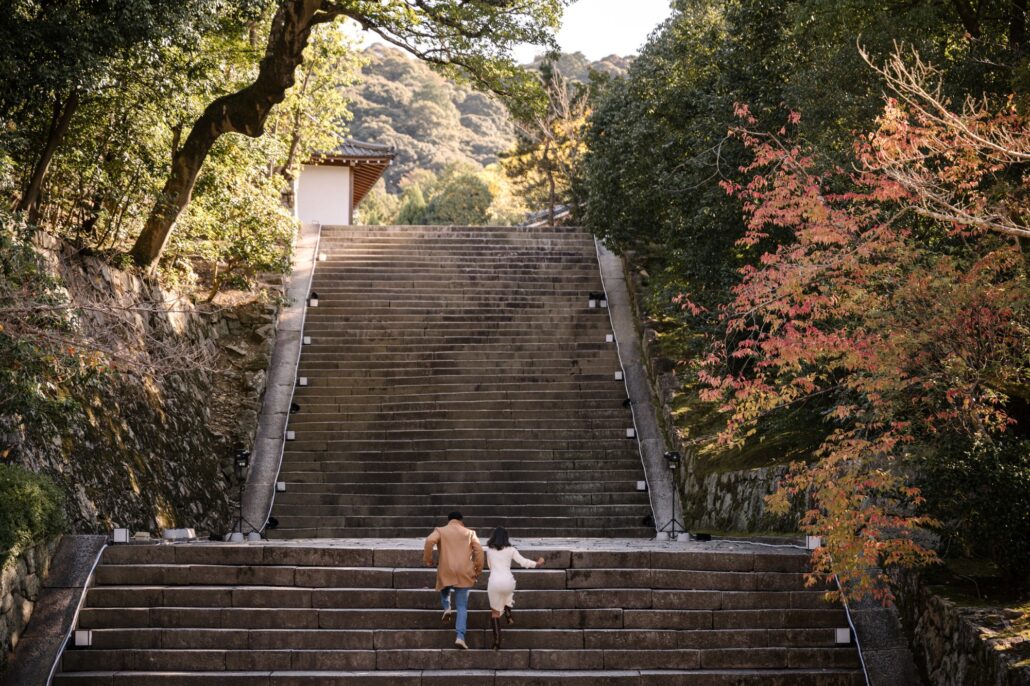
Japan’s busiest seasons still fill first. Hotels near the blossom and the autumn colour book early, and guests flying in from the other side of the world do best with their dates in hand as soon as they’re set. Our weddings often run midweek, when travel is calmer and the places that host one celebration a day have room. Our guide to the best time of year for a wedding in Japan goes season by season, and the planning timeline shows when each decision gets made.
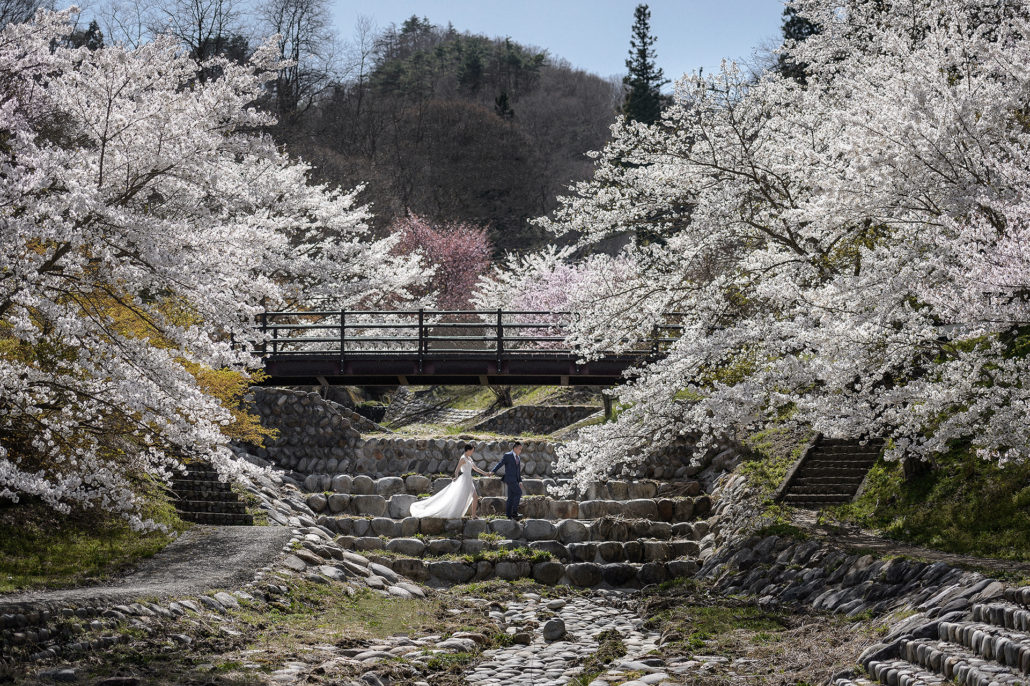
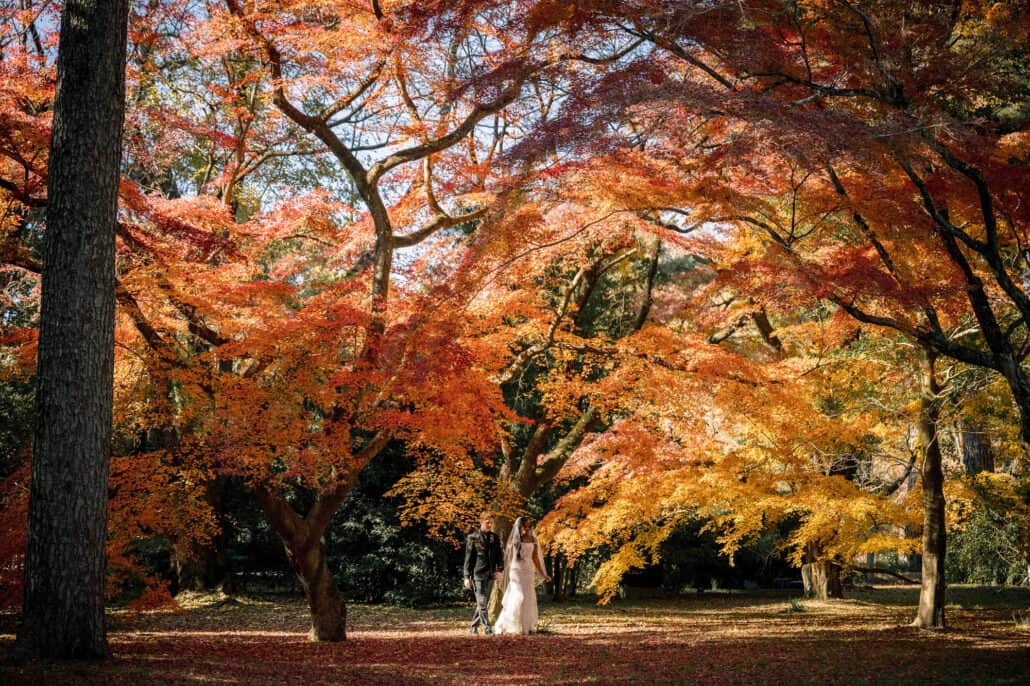
For the days around the wedding, our guide to planning a wedding weekend in Japan explains how we shape them, and guests will find dress codes and etiquette in our guide to attending a wedding in Japan.
Everything else couples ask us, from shrine weddings to how late the party can go, is in our wedding in Japan FAQ.
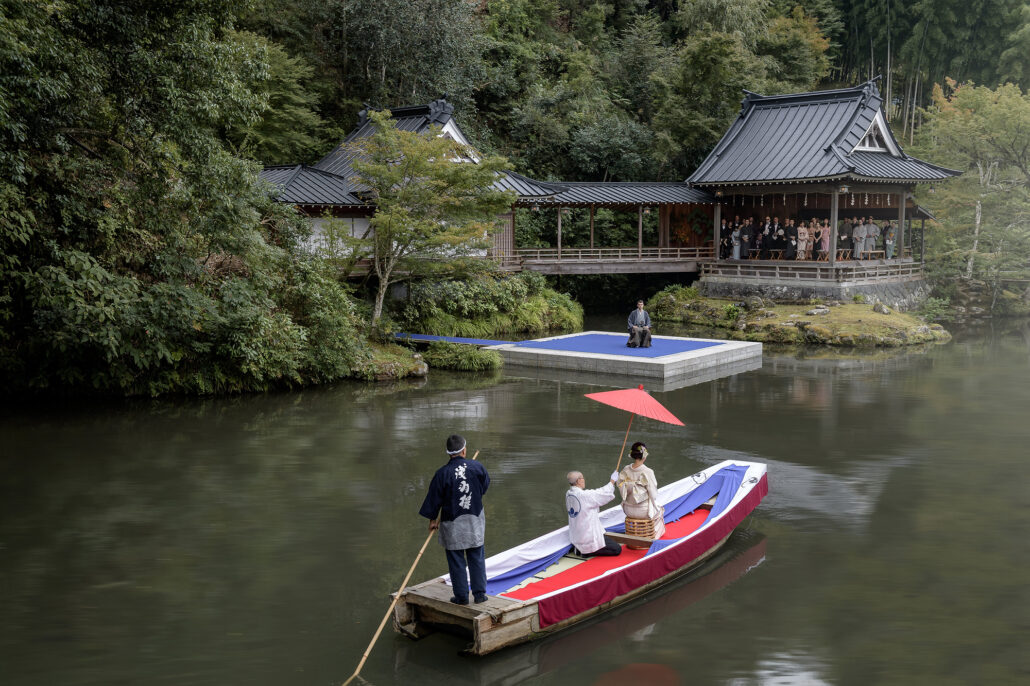
In January 2022, this page was about waiting. Today it’s mostly about flowers, favours and cold medicine. That’s a much better problem to have.
Travel to Japan for a Wedding: Quick Answers
Can I travel to Japan now?
Yes. Japan is fully open to tourists and has had no COVID-related entry rules since 29 April 2023. Most visitors from its 74 visa-exempt countries and regions can stay up to 90 days without a visa.
Do I need JESTA for a wedding in 2027?
No. The law creating JESTA passed in 2026, but no start date has been set and there is nothing to apply for yet.
Can I bring wedding flowers to Japan?
Only with a phytosanitary certificate from your home country’s government and an inspection on arrival. It’s far simpler to have the flowers made in Japan.
How much is Japan’s departure tax?
3,000 yen per departure since 1 July 2026, usually included in the airfare.
Can guests bring their own medicine?
Yes, up to a one-month supply of prescription medicine without paperwork, with exceptions: Adderall is banned, and Vyvanse and pseudoephedrine need permission at least 14 days before travel.