One November evening in 1977, shortly after his mother died, the French writer Roland Barthes sat going through her photographs.
Most of them didn’t look like her. They showed the right face, but not the person. Then he found one that did. It was taken in 1898. His mother was five, standing with her seven-year-old brother on a little wooden footbridge inside a glass conservatory, what people then called a winter garden. It was seventeen years before he was born, and it was entirely her.
He wrote a book around that photograph. Camera Lucida came out in 1980, a couple of months before he died, and it describes the Winter Garden photograph closely. It never shows it. To anyone else, he explained, it would be just another old picture of two children.
Few photographs have been written about more, and almost nobody has seen it.
What a photograph does, Barthes decided, is stranger and simpler than art. Whatever else it is, it certifies. It says this was here, in front of the lens, at that moment. He called it “that-has-been”.
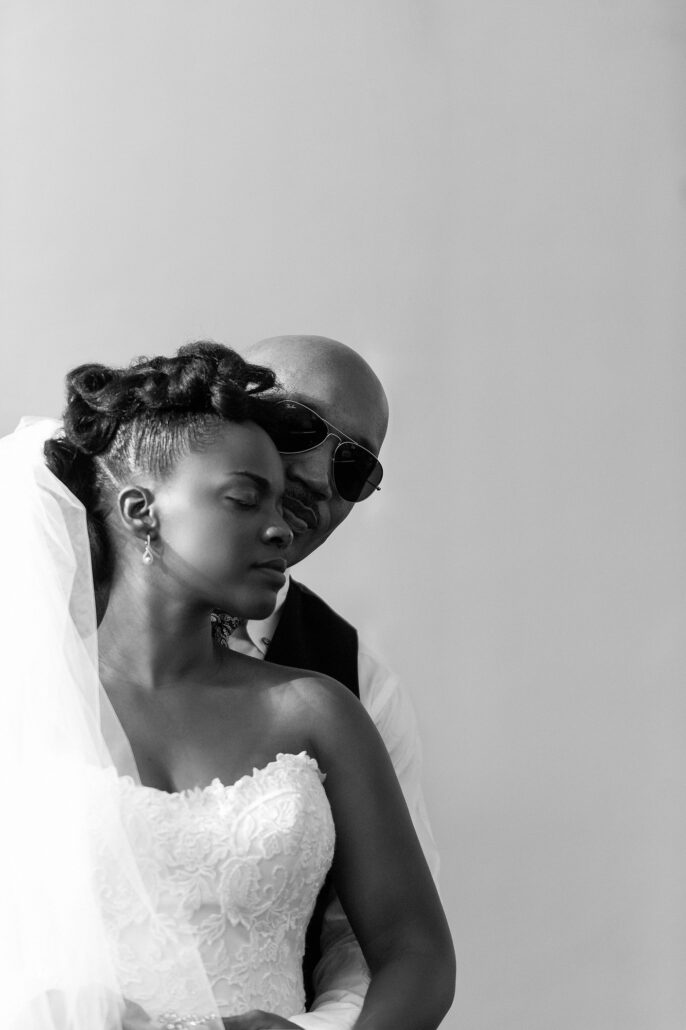
We’ve been thinking about Barthes because of a number.
Photo Weddings in Japan: What Couples Kept
From 2019 to 2024, Recruit’s bridal research institute asked around fifteen hundred newly married people in Japan the same question each year: what kind of wedding did you have?
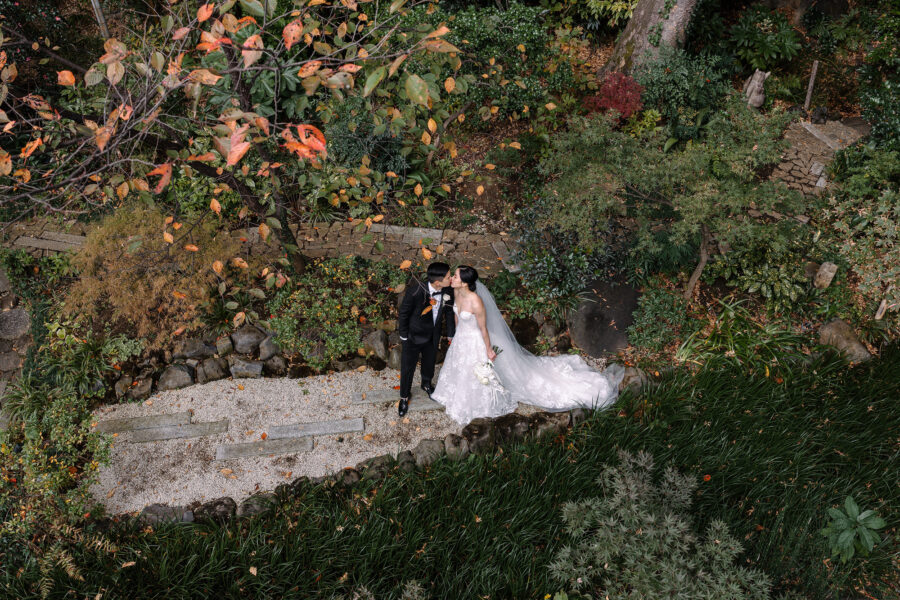
In 2019, 61 percent held a ceremony. By 2024, it was 50. Receptions fell too. One figure went the other way, to the highest point in the series: wedding photographs. In 2024, 62 percent of newly married couples had them taken, and for about one couple in eight, the photographs were the whole occasion. A photo wedding (フォトウェディング) is a wedding marked only by portraits: the couple in kimono or a dress, at a studio or on location, with no ceremony or reception around it.
In Japan, more couples now have a wedding photograph than a wedding ceremony.
The reasons are as private as they are ordinary. Weddings here have grown smaller and costlier, some couples would rather put the money into a home or a trip, and some have families who are far away, or complicated, or both. Some simply don’t want the day. Yano Research Institute calls the shift casualisation, and expects more couples to choose lighter formats, photo weddings among them.
What strikes us is what stays. Even couples who want no ceremony at all still want proof that they married.
When couples in Japan do without almost everything, the photograph is the last thing to go.
Coming to Japan for the Wedding Photographs
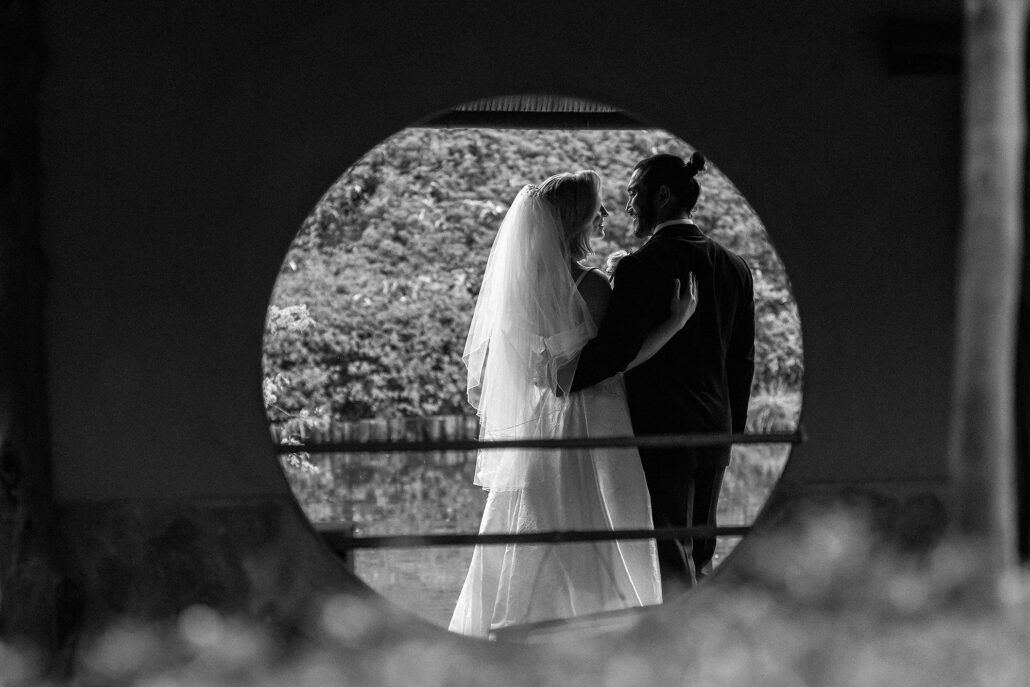
Couples from abroad have been coming to Japan for its wedding photographs for years. In 2014, Recruit’s Zexy reported more than five thousand couples from overseas, most of them from Taiwan and Hong Kong, who had come for their pre-wedding portraits. Two kinds of couple, starting from opposite ends, arrived at the same place: in Japan, the photograph comes first.
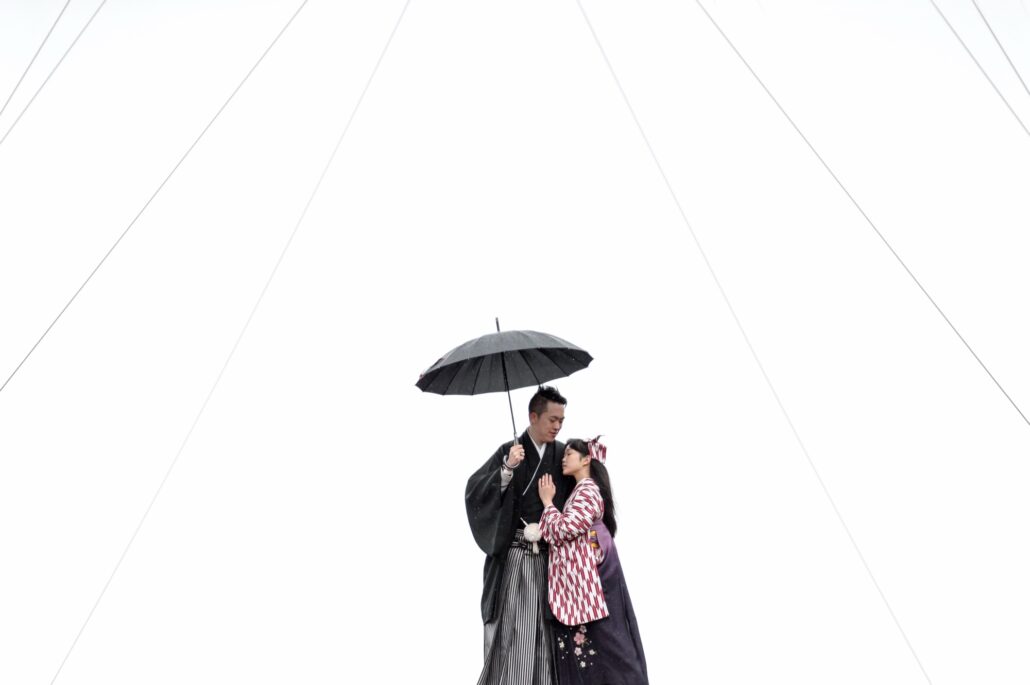
Japan’s photo studios do this beautifully. A shiromuku takes a trained dresser and the better part of a morning, for an afternoon of portraits a couple will keep all their lives.
What a Wedding Photograph Can Carry
Barthes is exact about what a photograph promises. It certifies what was in front of the lens. Everything else, it leaves to the people who were there.
Two years ago, we photographed our nephew’s wedding. I’m glad it came when it did, after a great many weddings, and not when we were starting out.
At your own family’s wedding, you arrive already knowing what matters: the crazy family we have, with all its intricacies and all its stories in one room. What I didn’t know was the rest of his life, his university friends, his school friends, the family he was marrying into. That day I met them all as one of the family, not as the photographer.
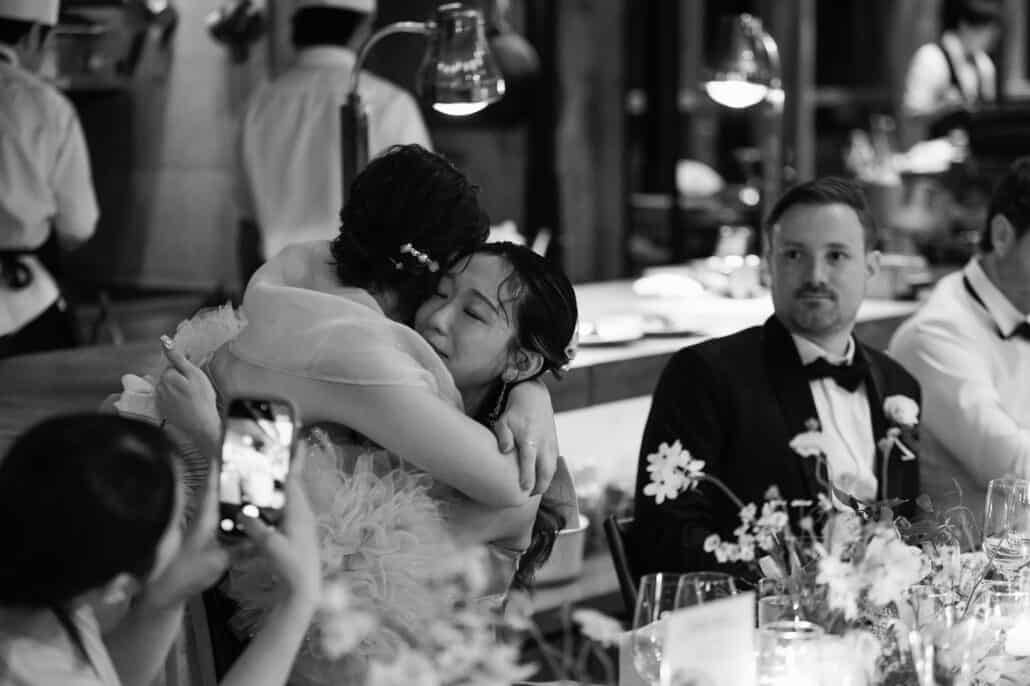
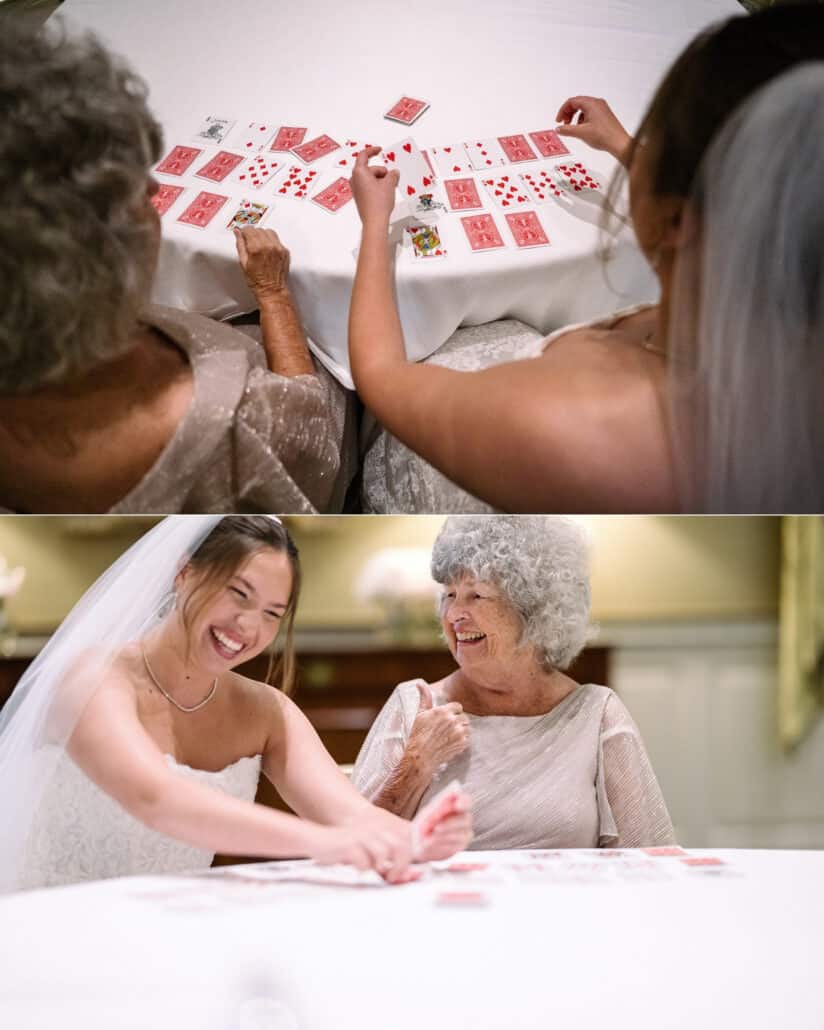
There’s a frame from that day of my mum, huddled in with her grandson. It’s not a great photograph, just a snapshot. To anyone else it would be just another picture of a grandmother at a wedding. To us, it’s proof that in the whole of that day, the two of them found time together.
It’s the same with the arrivals. Everyone coming into the reception gives the camera a quick smile on the way through the door. They’ll never be award photographs, and they’re beautiful. Every one of them is someone we love, on the one day they were all in the same room.
Families don’t photograph themselves like this. At Christmas there’s a group shot with everyone looking at the lens, and on holiday a few snaps. A wedding is the only day a whole family is photographed as it really is, which is why every frame from it is something special, whether anyone knows it yet or not. We’d known that for years. Sometimes you have to stand in it yourself to understand it fully.
We take that into planning as much as into the photographs. Moments like these find their own way. What we arrange is everything around them: time for a grandmother to find her grandson, room for the generations to be together in one place. A day can be exactly as it should be, and the frame a family keeps can still be the one nobody would have chosen for the album.
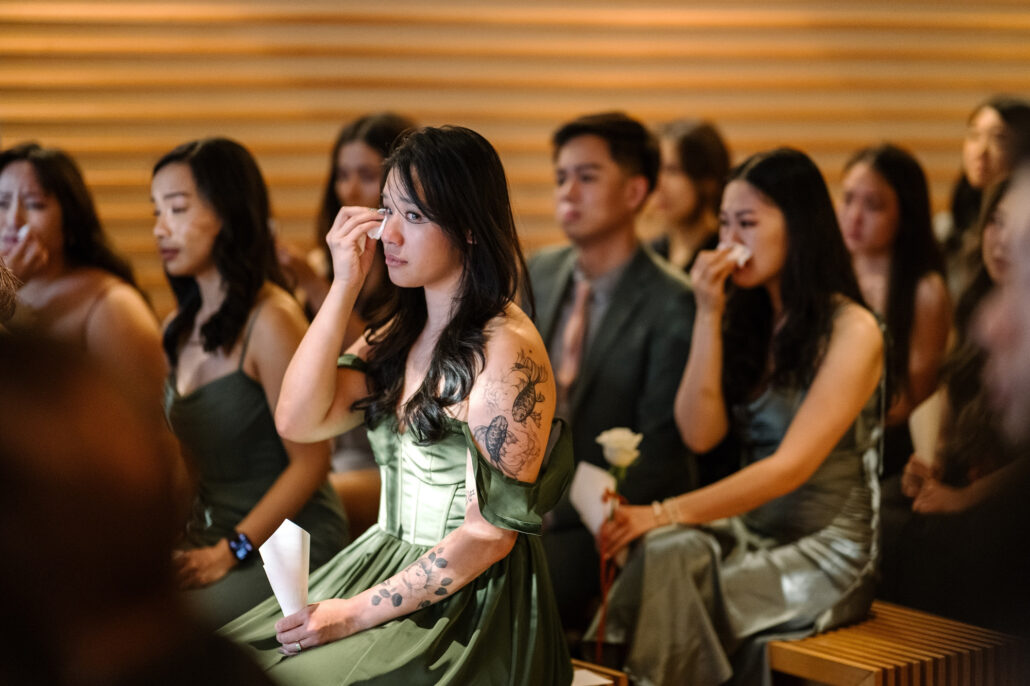
You can choose the light, the place and the clothes. You can’t choose who cries.
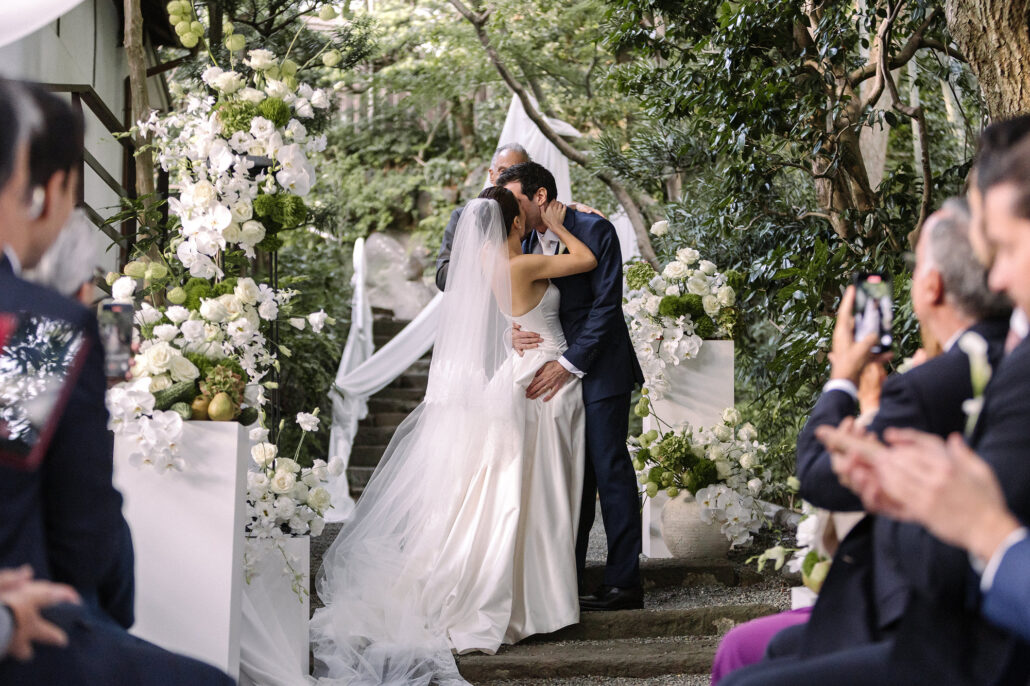
A couple who mark the day with an afternoon of portraits have decided it means something, as surely as a couple who fly a hundred people across the world. The difference is only in what the photograph will be proof of, years from now, when someone takes it out of a drawer.
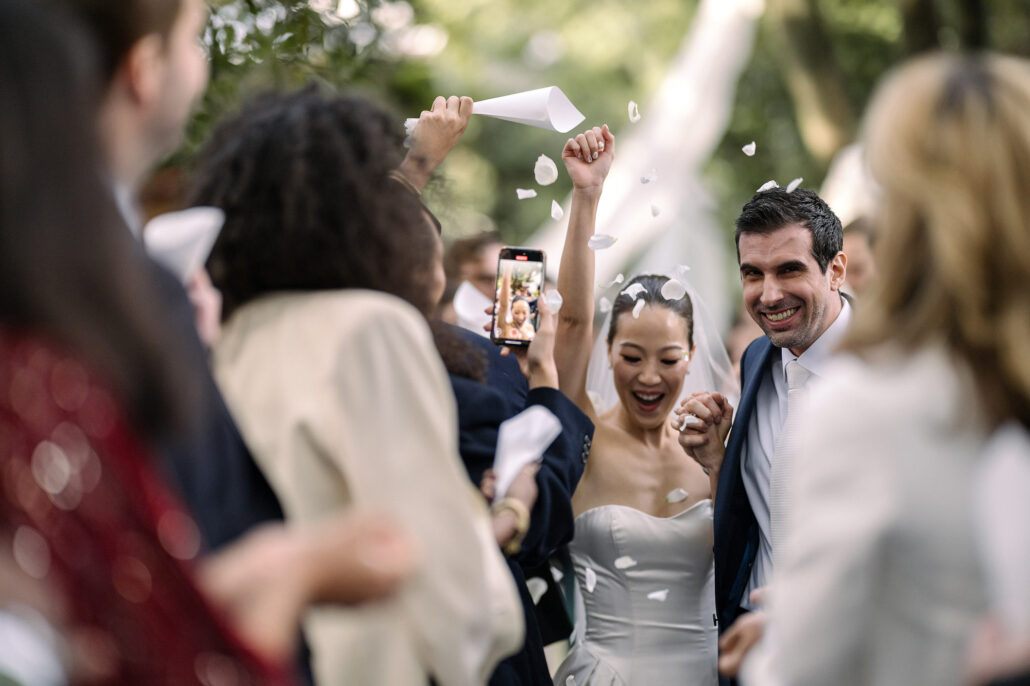
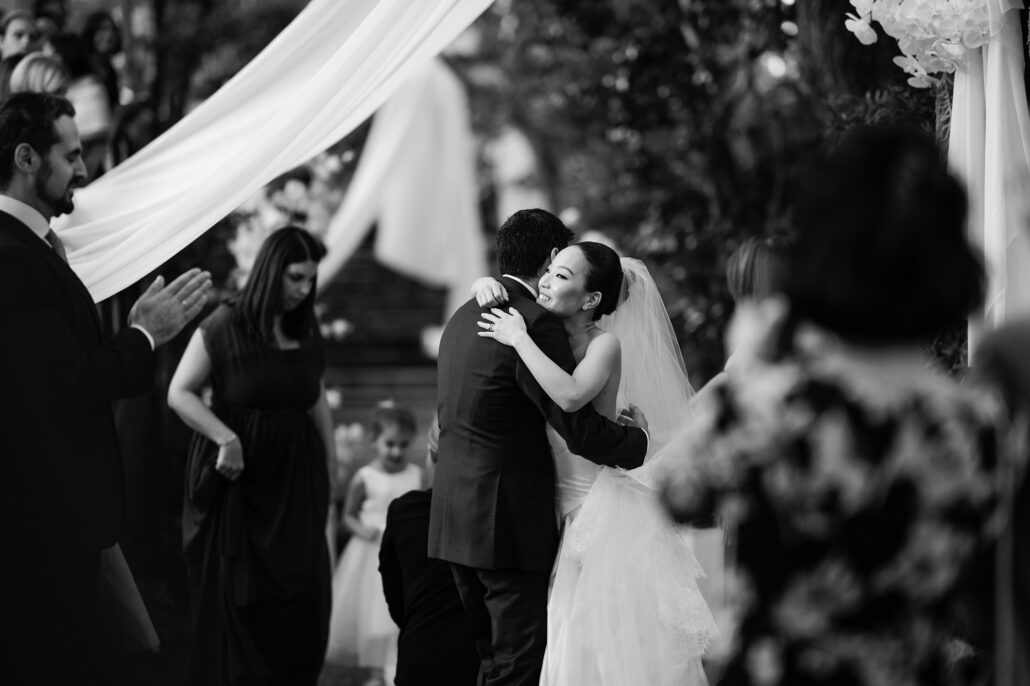
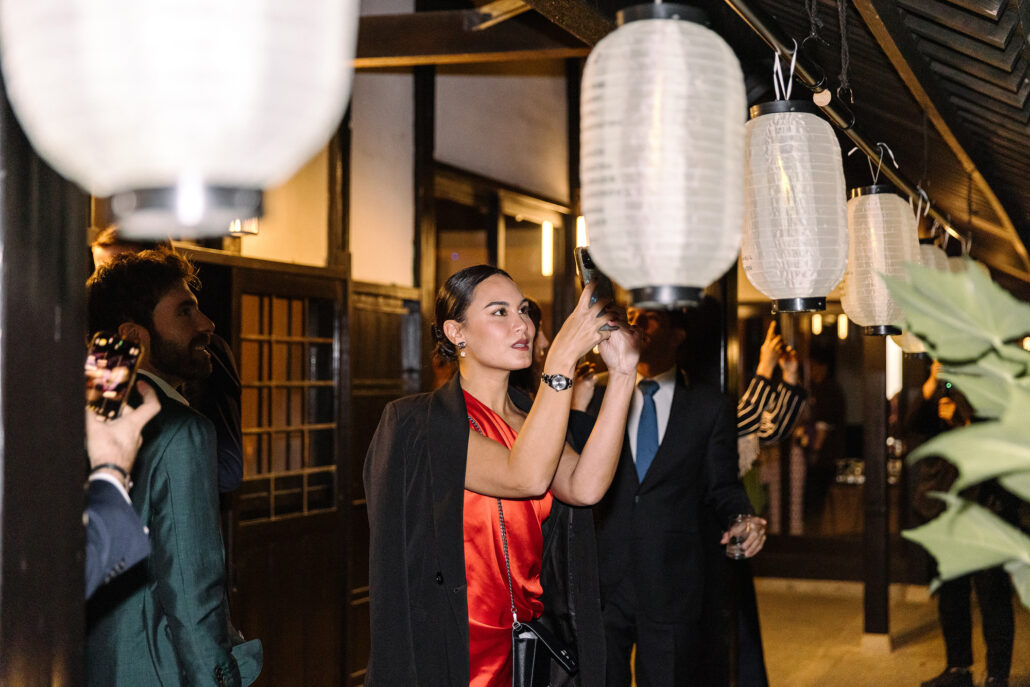
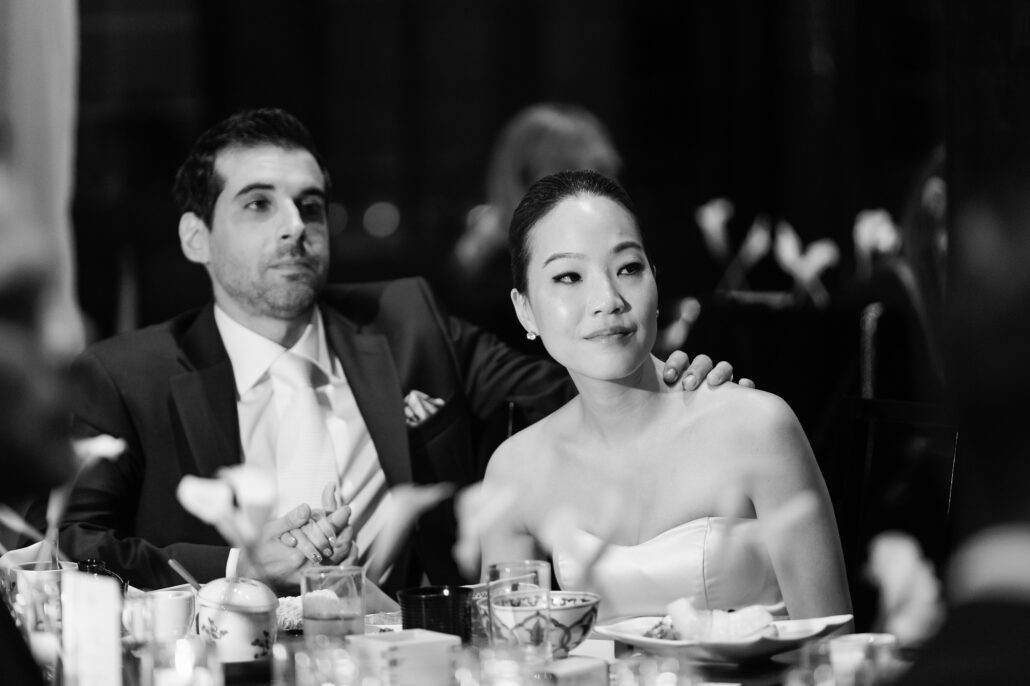
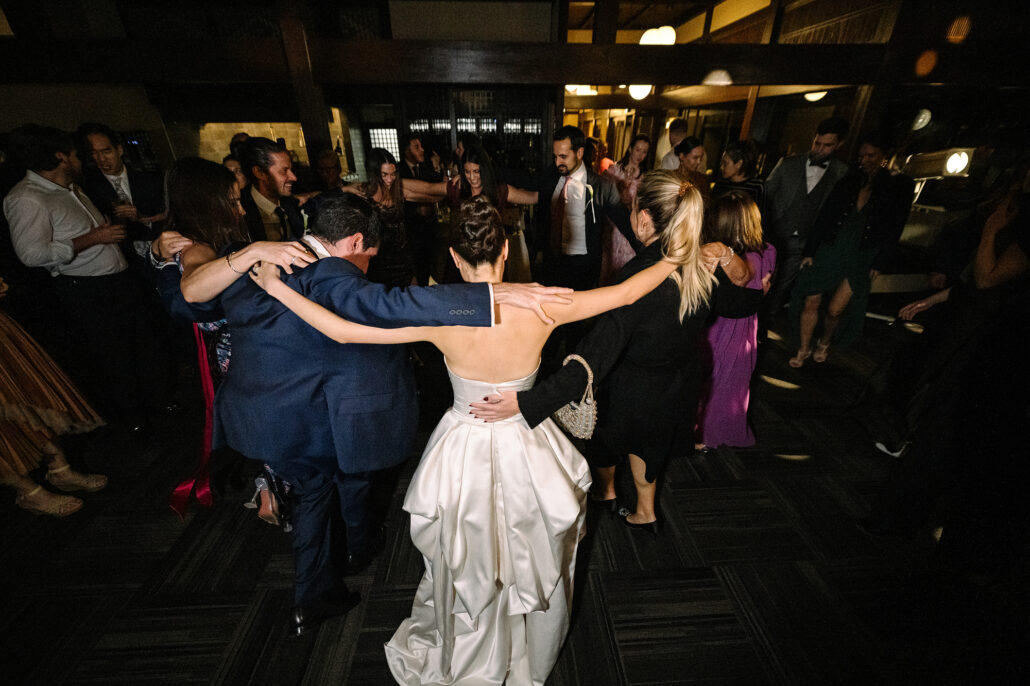
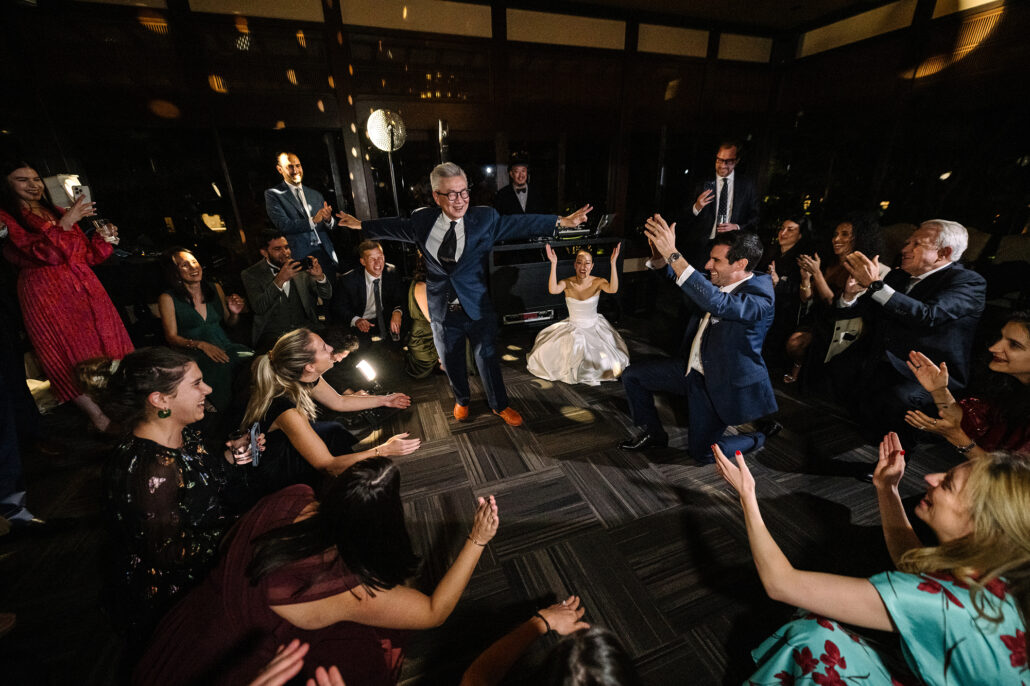

Somewhere in your family there’s probably a wedding photograph you’ve known all your life. How much of that day can you see in it?
The One He Kept
Barthes kept the Winter Garden photograph out of his book because no one else would see what he saw in it. Strangers would see two children and a footbridge. He saw the person who’d made him.
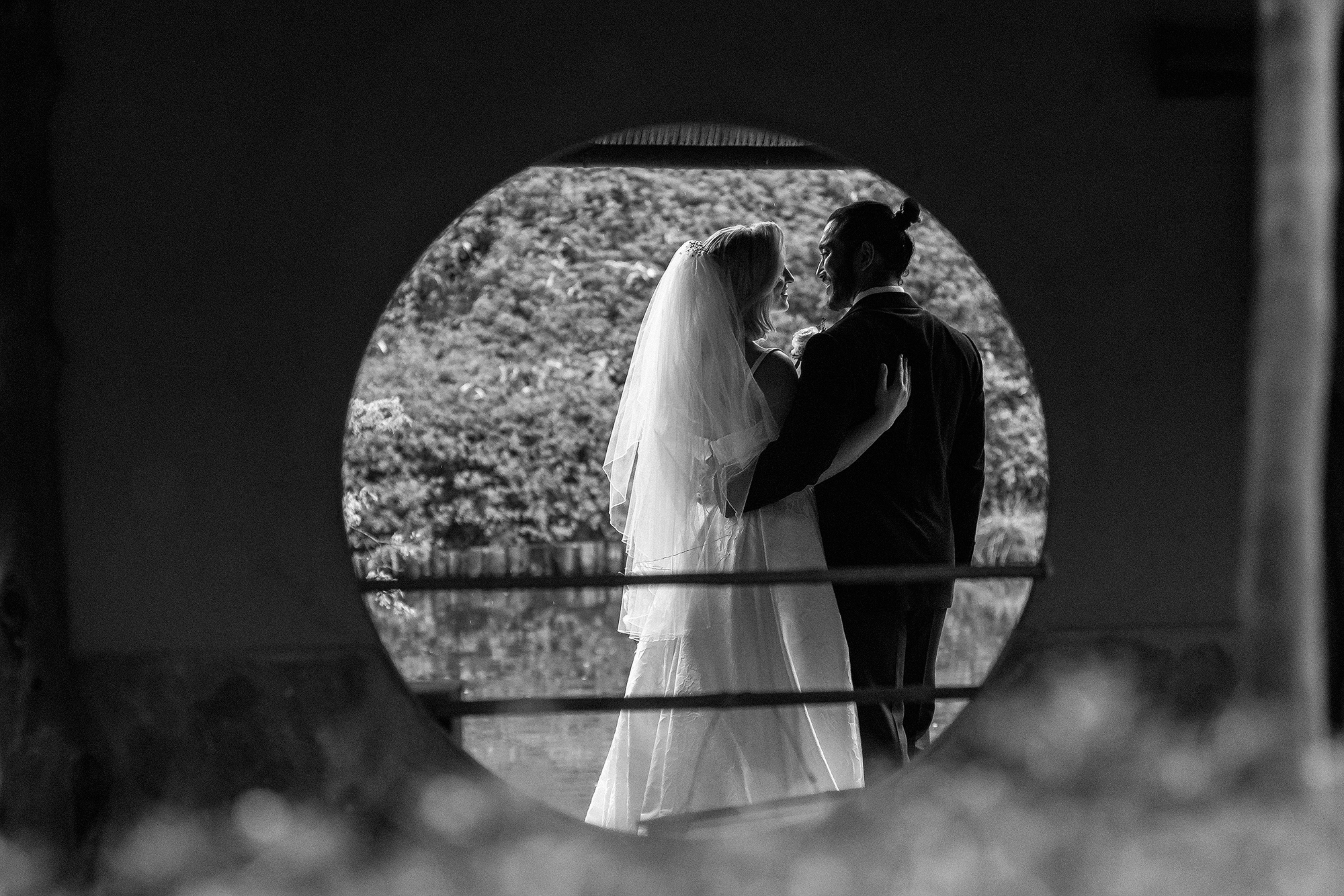
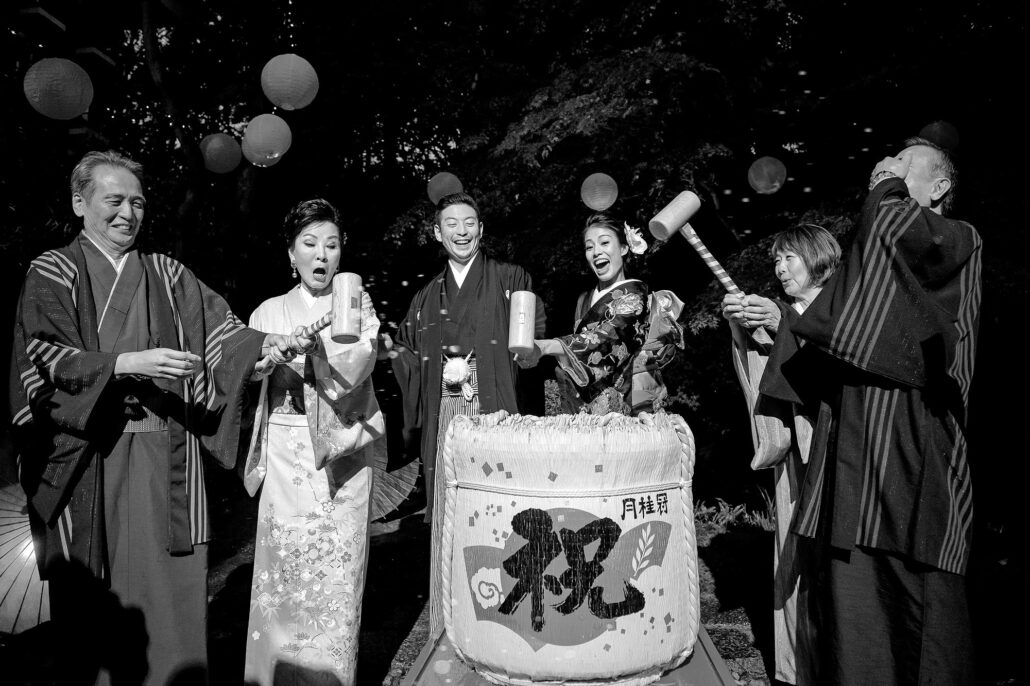
Wedding photographs end up like that. What looks like two people in a garden is, to the two of them and to whoever comes after them, the whole day: everyone who was there, and everything that happened just outside the frame.
Figures: Recruit Bridal Research Institute, Marriage General Consciousness Survey 2024 (結婚総合意識調査2024), married people aged 20 to 49 surveyed each year, 2019 to 2024; Yano Research Institute, wedding market release, May 2026.