The road west into the Highlands: Glenfinnan, a doomed rebellion, and the one thing here that never lost.
The most successful army in the history of the Scottish Highlands is barely two millimetres long, and you can’t kill it by surrendering.
It’s the Highland midge, Culicoides impunctatus, meanbh-chuileag in Gaelic, which translates with admirable restraint as “tiny fly.” Only the females bite. They need the protein in your blood to bring a batch of eggs to term, and they find you the way a shark finds blood, by reading the air: the carbon dioxide on your breath, the lactic acid coming off your skin, the warmth and water vapour of a large mammal standing still in a bog. Which, on the shore of a Highland loch at dusk with a tripod, is precisely what you are.
They’re creatures of the in-between light. Midges are crepuscular, most ferocious at dawn and dusk, when the sun drops below a certain brightness, and worst of all on the dull, still, overcast days the west of Scotland produces the way other places produce weather. Strong sun thins them out. A breeze over about six miles an hour grounds them completely; they simply can’t fly into it. So they wait, in the bog and the bracken, for the air to go calm and the light to go soft, which in the Highlands in July is most evenings, for hours. The often-quoted figures are hard to believe: a single swarm landing tens of thousands strong on one bare arm, thousands of bites in an hour. By one estimate Scottish forestry loses a fifth of its working days to them every year. A creature you can barely see, costing a national industry one day in five.
Here’s the part that reframed the whole drive for us. Everything we passed today was once fought over by somebody with a sword and a grievance. Clans burned each other out of these glens. A prince landed on this coast to take back three kingdoms. Government armies marched up to stop him and stayed to build roads and forts. Landlords later cleared the people off the hills to make room for sheep. Every one of those armies won something, lost something, and left. The only force that has held this ground without a single day’s interruption, that contests it every dawn and every dusk and has never once been driven off, is the one too small to aim at.
We drove into its territory this week, on purpose, with repellent and optimism in roughly equal measure.
Tracey takes the wheel
Eighteen days of planes and trains and boats ended, after a counter saga we’ll spare you, at a Budget desk in Waverley station, where the trip finally grew a steering wheel. Tracey drove. The difference is immediate and total: a trip that runs on timetables becomes a trip that takes requests. We adjusted every mirror, named the car, and pointed it at the Highlands by way of two giant horses and, naturally, the alien stuff.
Aliens before castles
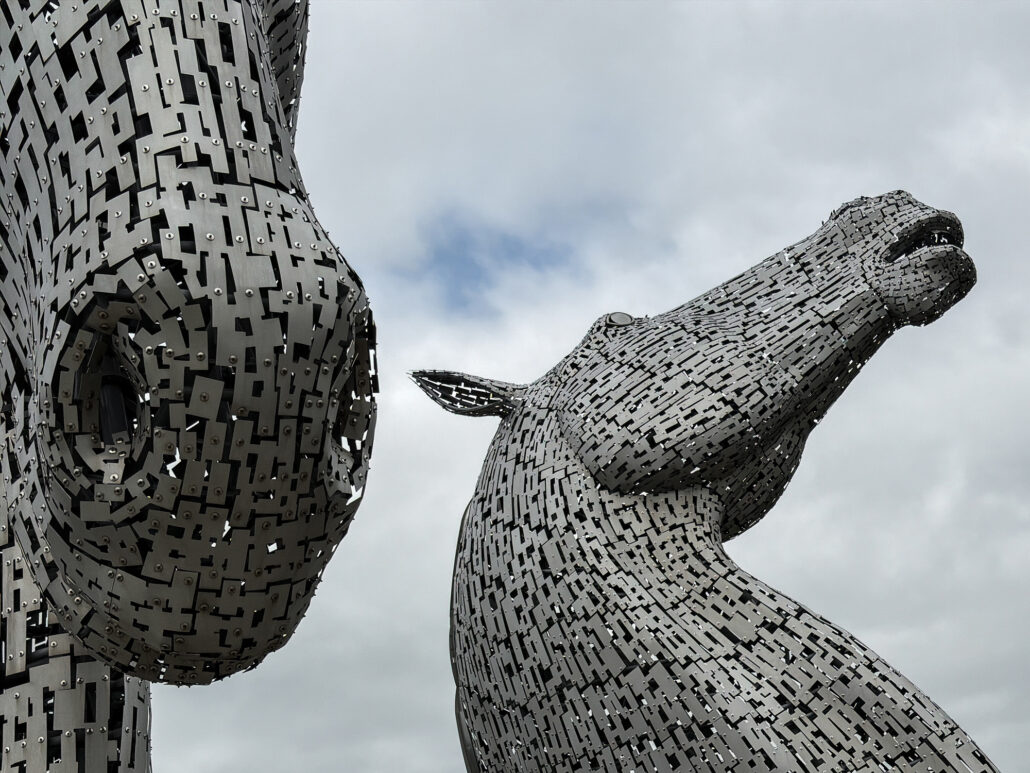
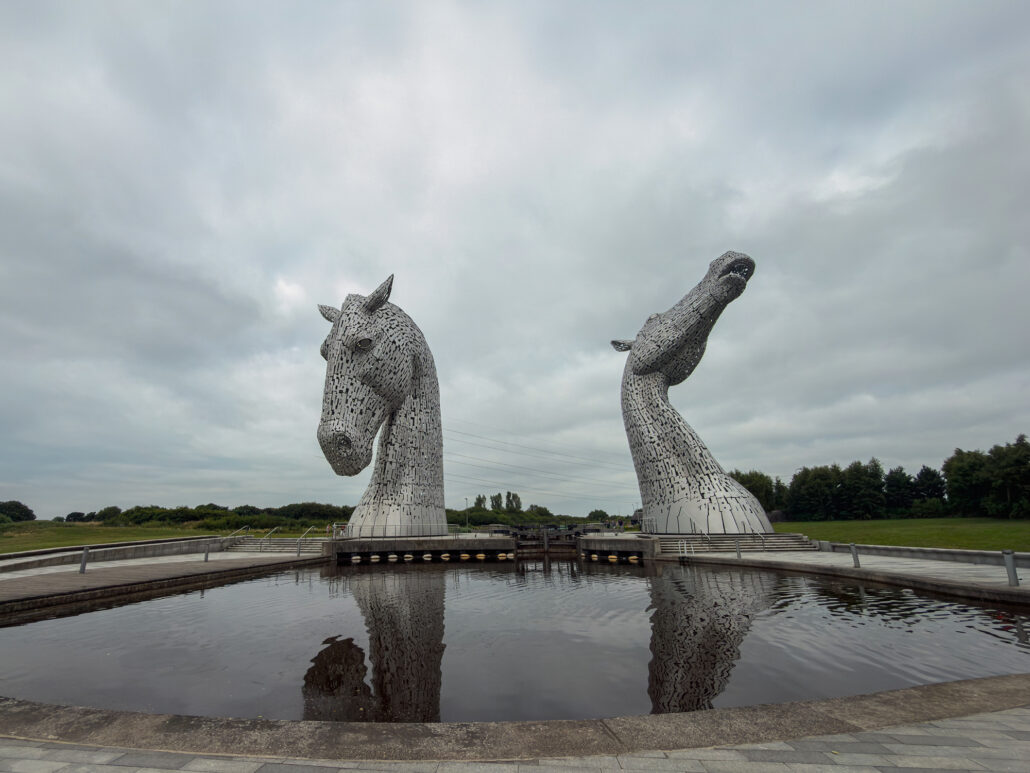
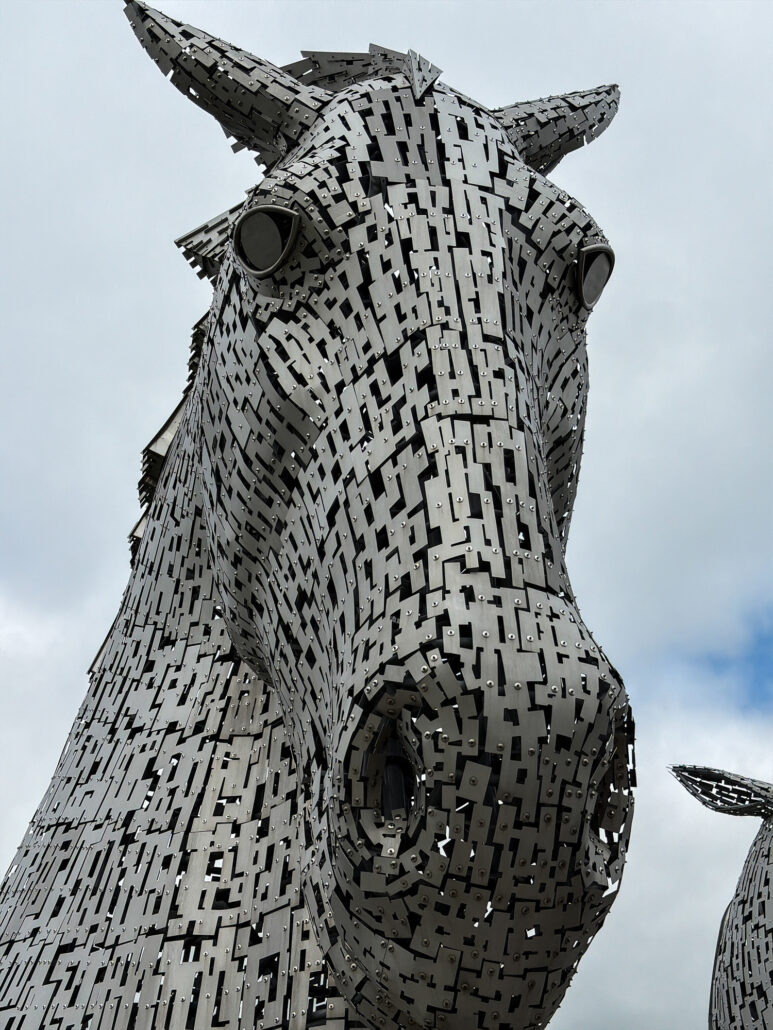
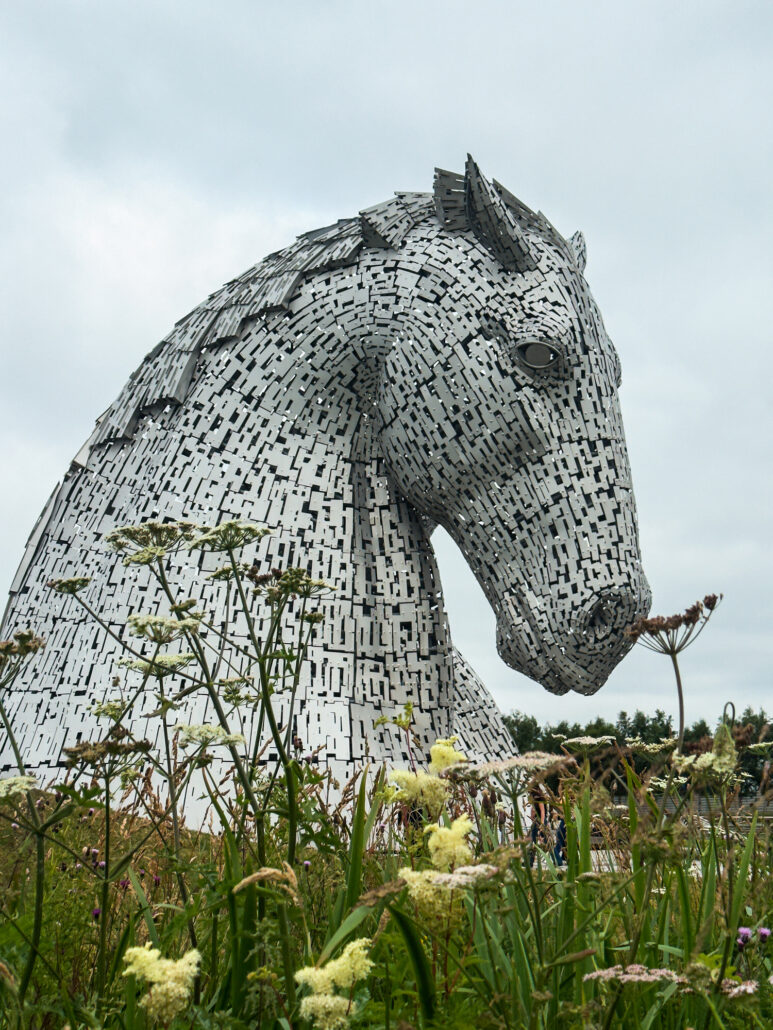
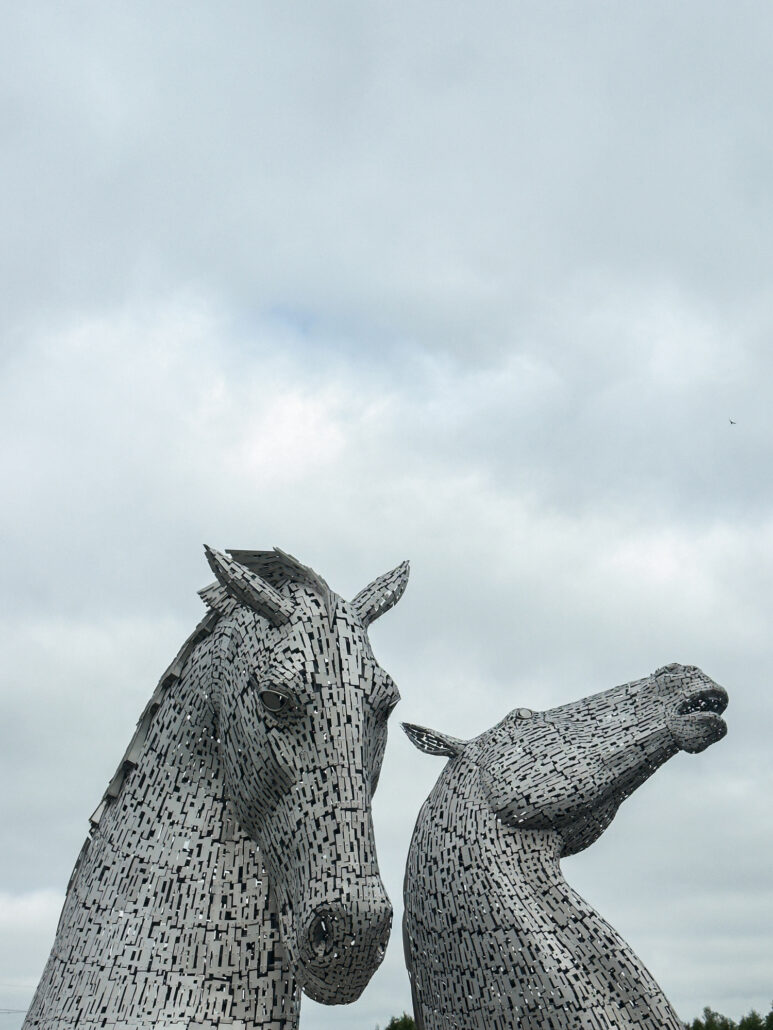
The first stop stood ten minutes off the road near Falkirk: the Kelpies, and some things earn the word iconic. Two horse heads in mirror-bright steel, thirty metres tall, the largest equine sculptures on the planet, rearing up over a canal. They’re named for the kelpie, the shape-shifting water horse of Scottish folklore that lures you onto its back and then drowns you, and modelled on two entirely real Clydesdales called Duke and Baron. The sculptor built them to hold the weather, and they do. In flat grey Scottish light they look like they’re surfacing from it.
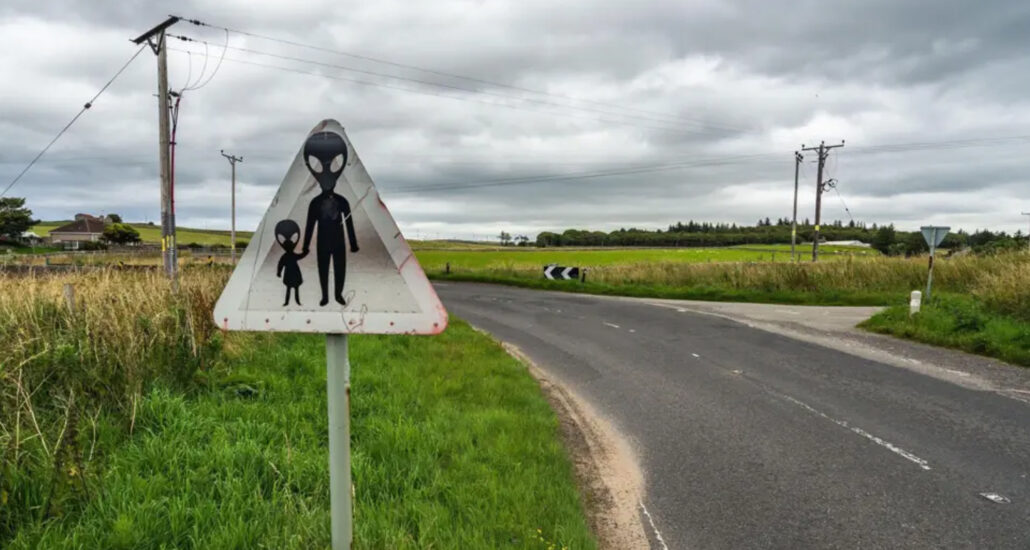
Then Bonnybridge, because one of us insisted and the other has learned which battles are worth picking. It’s an ordinary town ten minutes away with an extraordinary sideline: more reported UFO sightings than almost anywhere in Britain, hundreds a year at its peak, the throbbing centre of what believers call the Falkirk Triangle. A local councillor once wrote to three separate prime ministers demanding a formal inquiry. There’s nothing to photograph. You go to stand in it and look up, which we did, and saw a cloud, and chose to keep an open mind about the cloud.
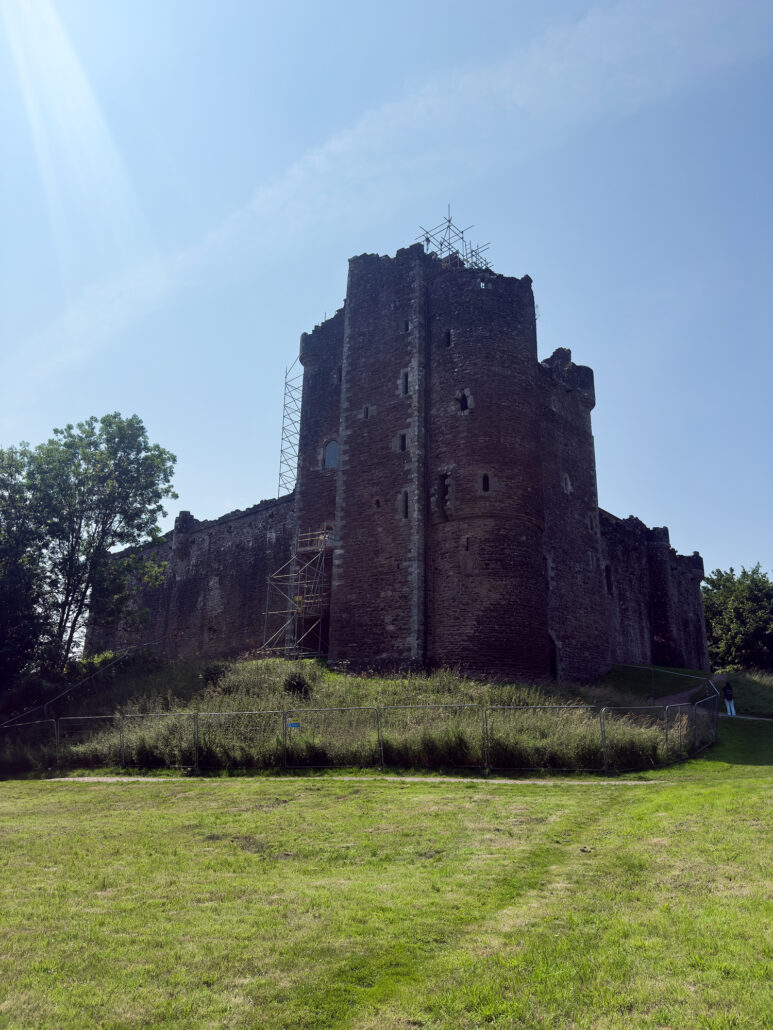
Then Doune Castle, which has the strangest housing situation in the country: a genuine fourteenth-century stronghold keeping three fictional addresses at once. It was Castle Leoch in Outlander, Winterfell in the Game of Thrones pilot, and most of the locations in Monty Python and the Holy Grail. The gift shop sells coconut halves, for the clip-clop, and is not remotely ashamed of itself. We shot the exterior and got back in the car before either of us said Winterfell out loud, which was a close-run thing.
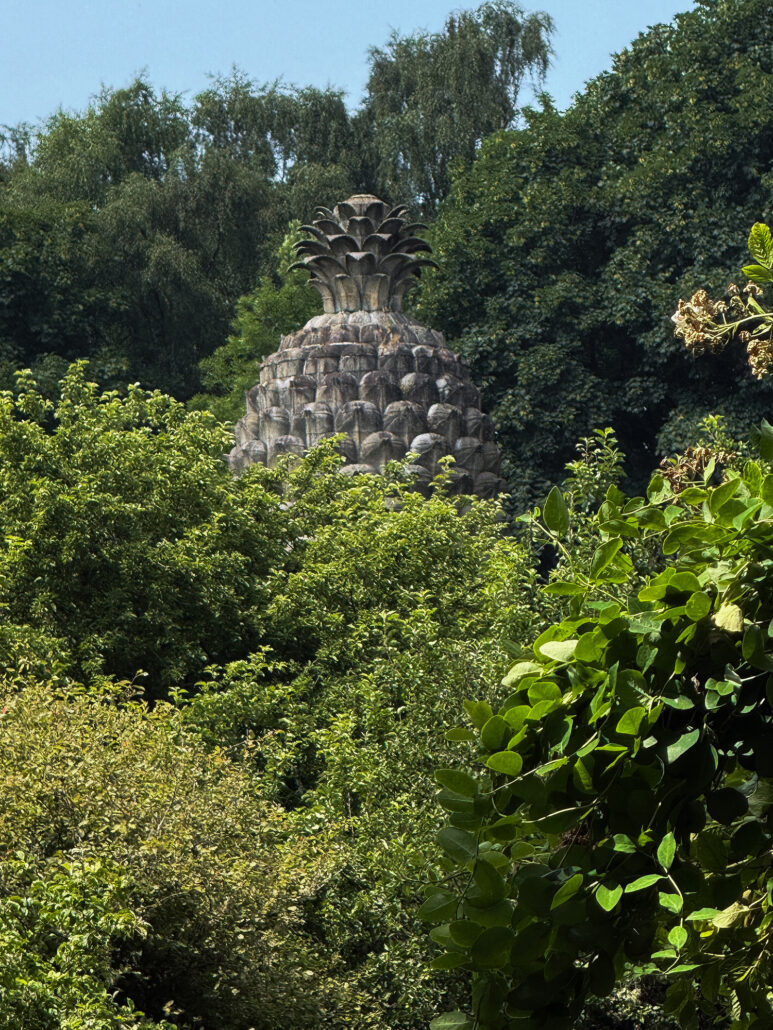
After that came the day’s strangest building, and it was completely us: the Dunmore Pineapple, an eighteenth-century summerhouse near Airth wearing a giant carved stone pineapple as its roof, built for an earl in the era when a single pineapple cost a fortune and could literally be rented for parties as a status centrepiece. We peered over the fence like connoisseurs of the ridiculous, agreed that a Georgian aristocrat commissioning fruit-shaped architecture was precisely our kind of energy, and drove on delighted. And we should declare our sources while we’re here: until this week, the bulk of our Jacobite history had been acquired from Outlander, a curriculum Tracey’s mum considers complete and we were about to discover is a starting point.
The road starts reading in Gaelic
Callander came next, the town they call the gateway to the Highlands, and it earns the title: somewhere just past it, the Lowlands quietly stop applying. The names change first. Ben for mountain, glen for valley, loch for the water, inver for a river mouth, kin for a head of land, bal for a settlement. Learn six words and the road signs stop being labels and become a running description of the country, and Scotland starts reading like a story written in Gaelic. We pulled over at Loch Lubnaig for the first proper taste of what was coming, and stopped taking the schedule seriously shortly after.
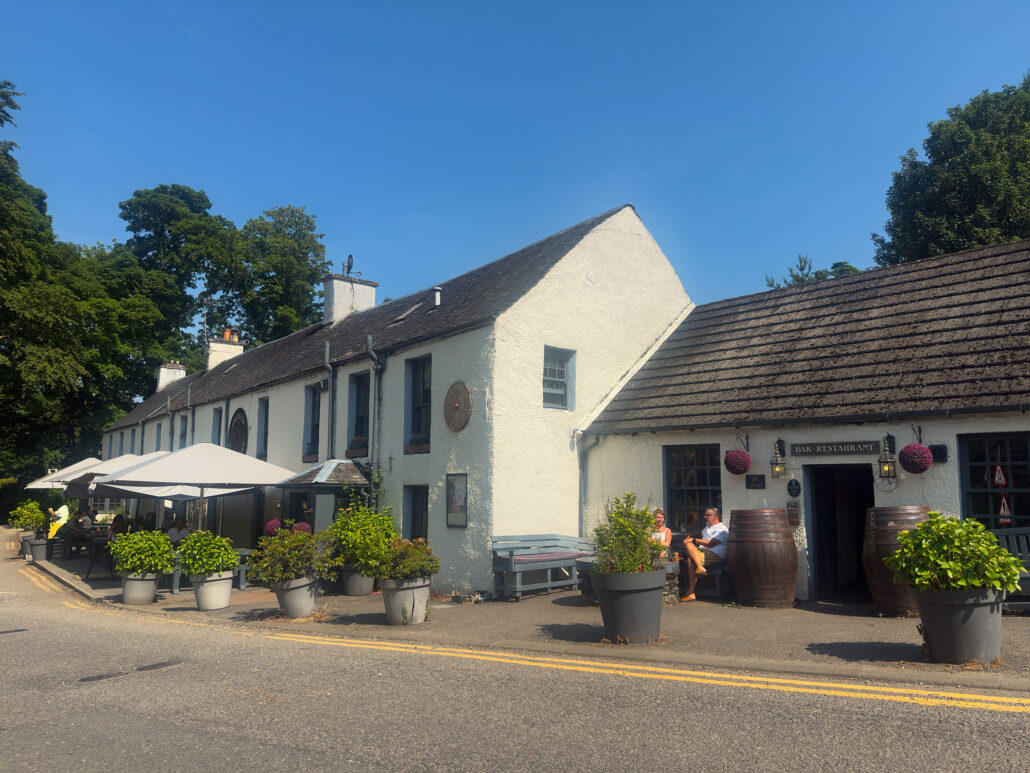
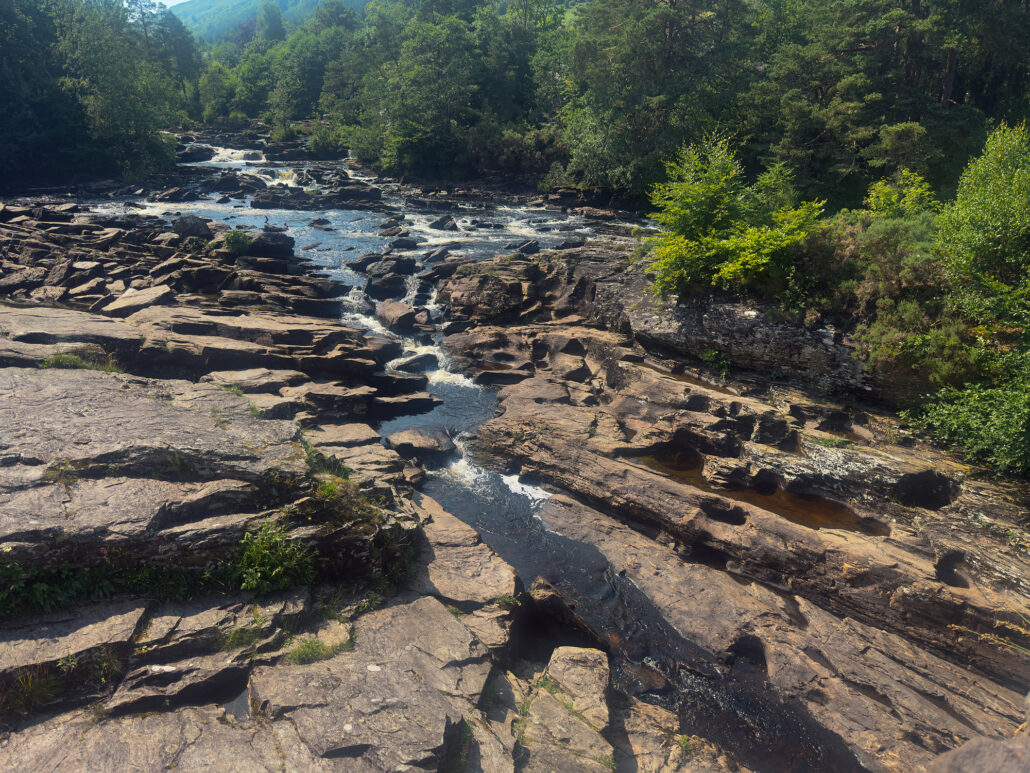
Killin was the happy proof. The Falls of Dochart don’t slip politely past the village so much as crash straight through the middle of it under an old stone bridge, this one standing since 1760, and we took a beer and a snack at the inn beside the white water. Directly across the falls sits a small wooded island called Inchbuie, the ancient burial ground of Clan Macnab, which means we drank our beer opposite several centuries of Highland dead, and can report that neither party seemed to mind. Unhurried is the whole trick of a road trip. We’re relearning it one river at a time.
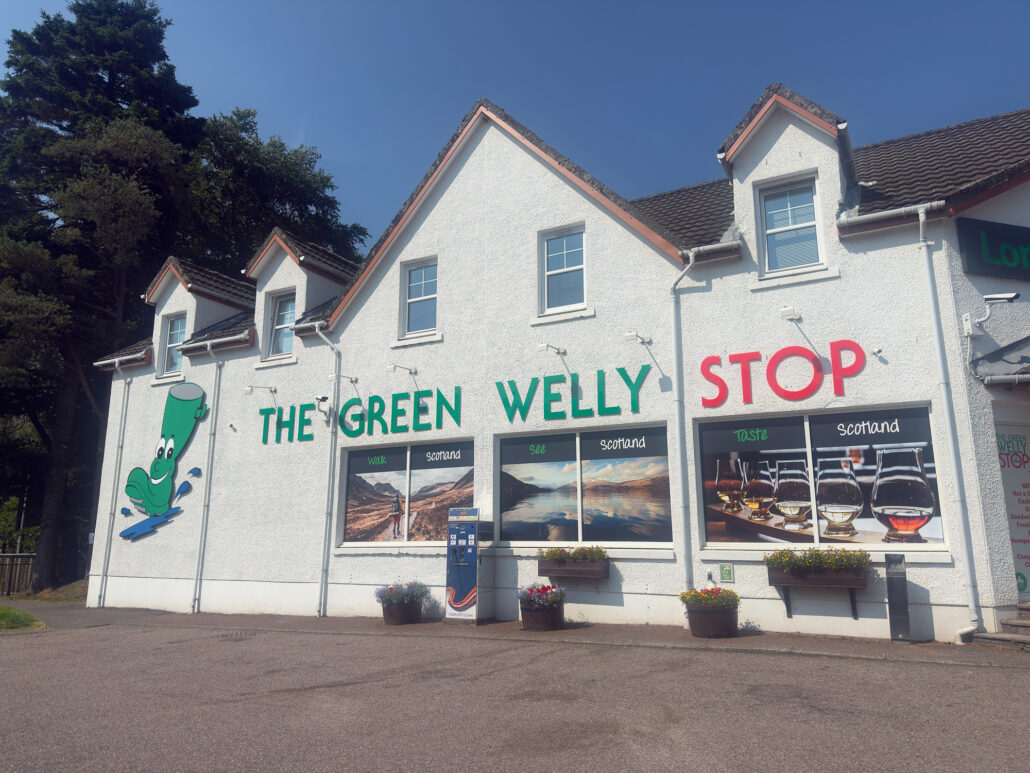
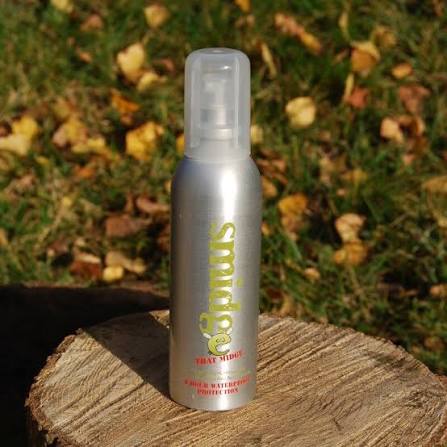
Crianlarich, the old drovers’ crossroads, and then Tyndrum, where the Green Welly Stop quietly solved the trip. It’s the most famous pit stop in Scotland, feeding this junction since the 1960s under a giant green wellington, the place where road-trippers, motorcyclists and West Highland Way walkers all converge whether they planned to or not. The midges had been finding us at every scenic pull-in all morning, and there it was on the shelf: Smidge, the repellent this country actually respects, and buying it felt less like shopping and more like finding treasure. Which, in Tyndrum, is a genuinely competitive claim: the hills above the car park hold Cononish, Scotland’s only commercial gold mine, and the car park itself sits beside Dalrigh, where Robert the Bruce lost a battle in 1306 and, legend insists, a sword in the little lochan behind it, the Lochan of the Lost Sword, where some say it still lies. Gold in the hills, a king’s sword in the pond, and Smidge on special. Tyndrum undersells itself. We left the gold and the sword where they were. We had the Smidge.
A moor with nowhere to hide
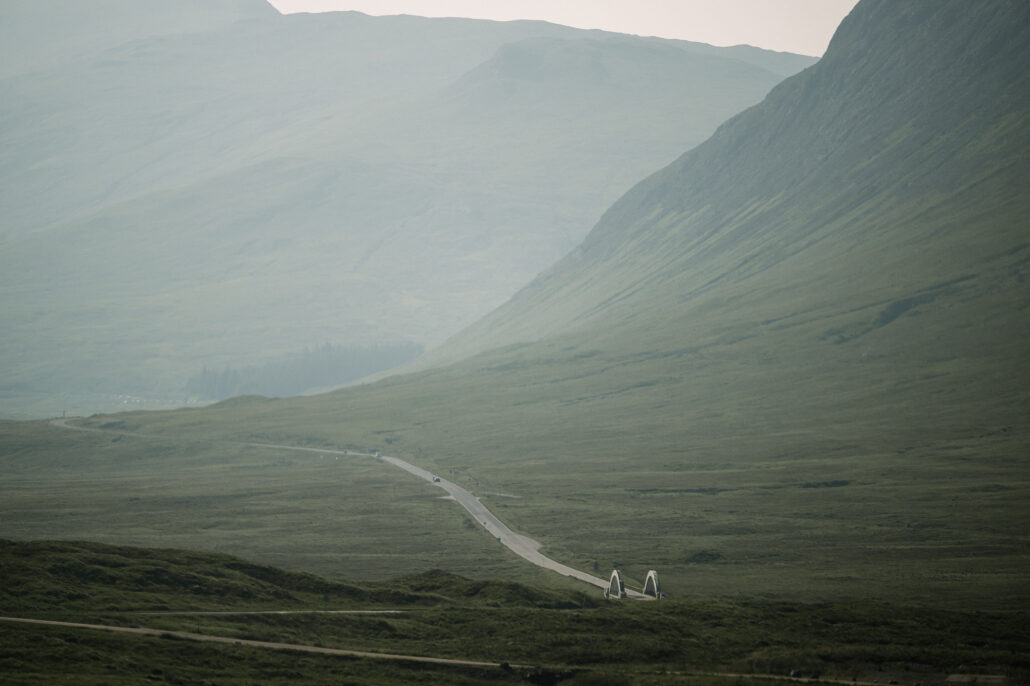
Past Bridge of Orchy the road becomes the one everyone promises you, and it kept the promise. It’s worth knowing what you’re driving on, though: much of the route through here began as a military road, cut after the risings so government troops could move through country that had refused to be moved through. One of the most beautiful drives in Europe was laid down as an instrument of control, and the Highlands absorbed that too, the way they absorb everything.
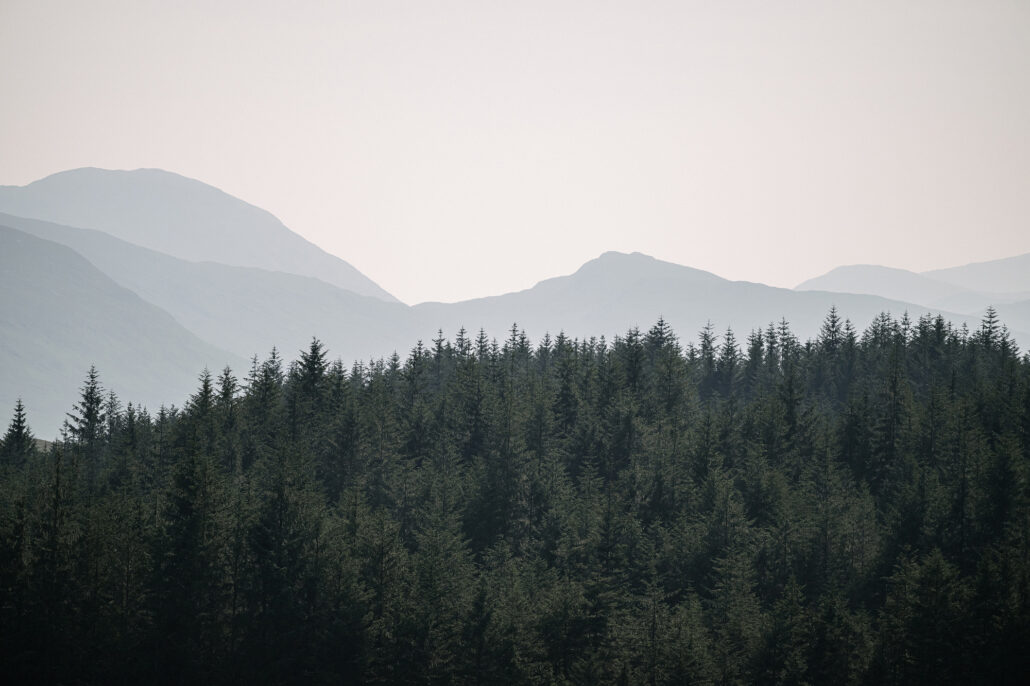
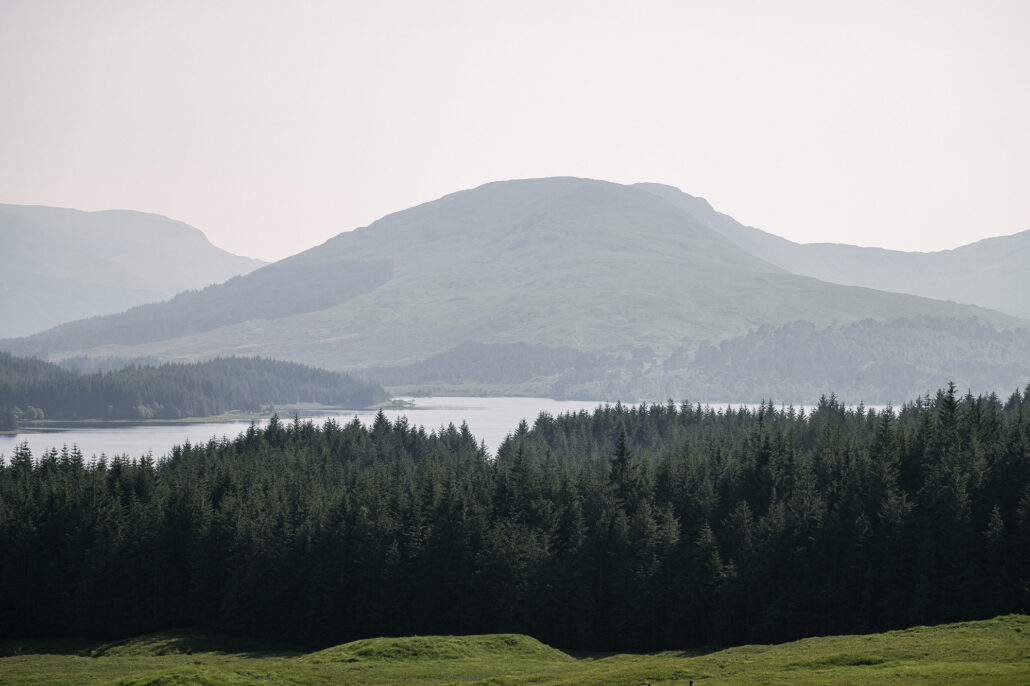
Then the trees gave up and the road climbed onto Rannoch Moor: fifty square miles of peat bog, black lochans and weather with nowhere to hide, doing its convincing impression of an empty planet. The West Highland Line crosses it, and here’s a thing we love more than is reasonable. The bog was too deep to build on, so the Victorian engineers floated the railway across on a vast raft of brushwood, ash and earth. More than a century later the trains still ride that mattress over the void.
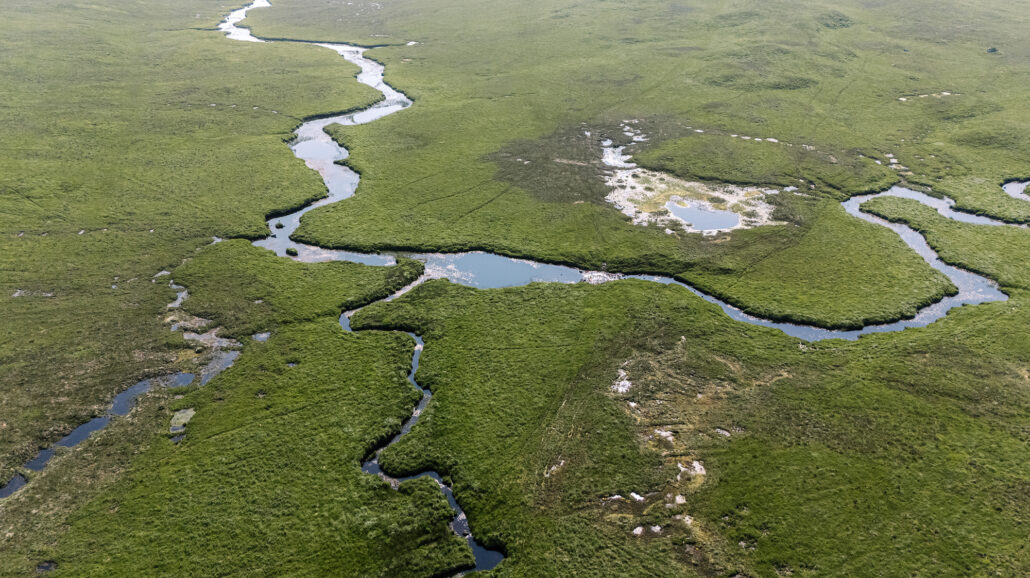
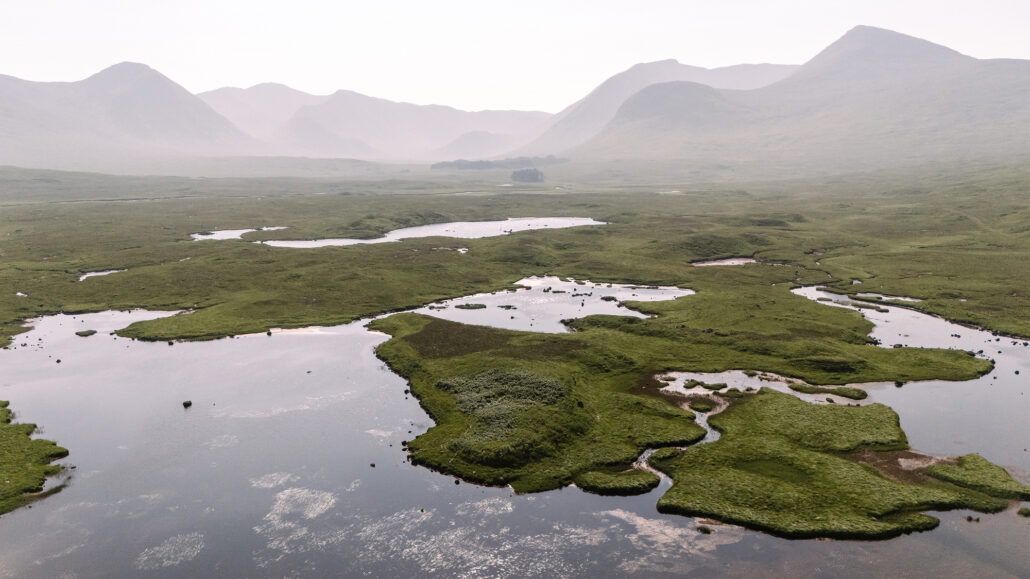
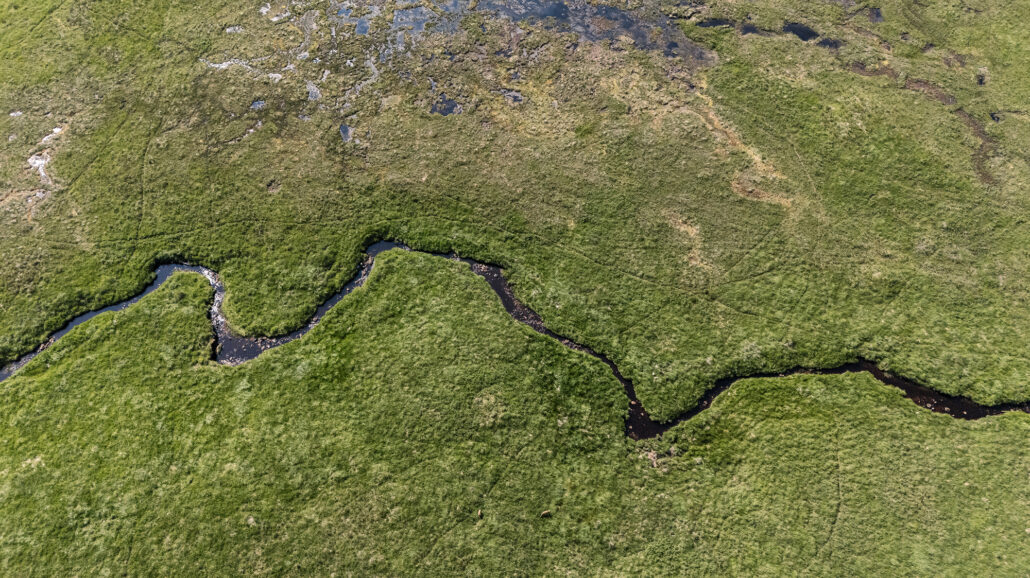
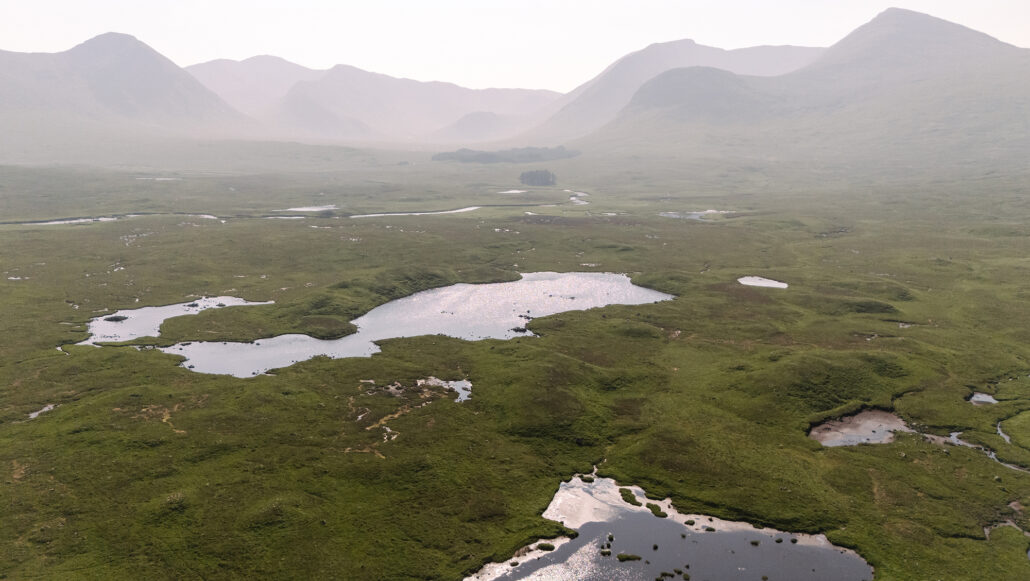
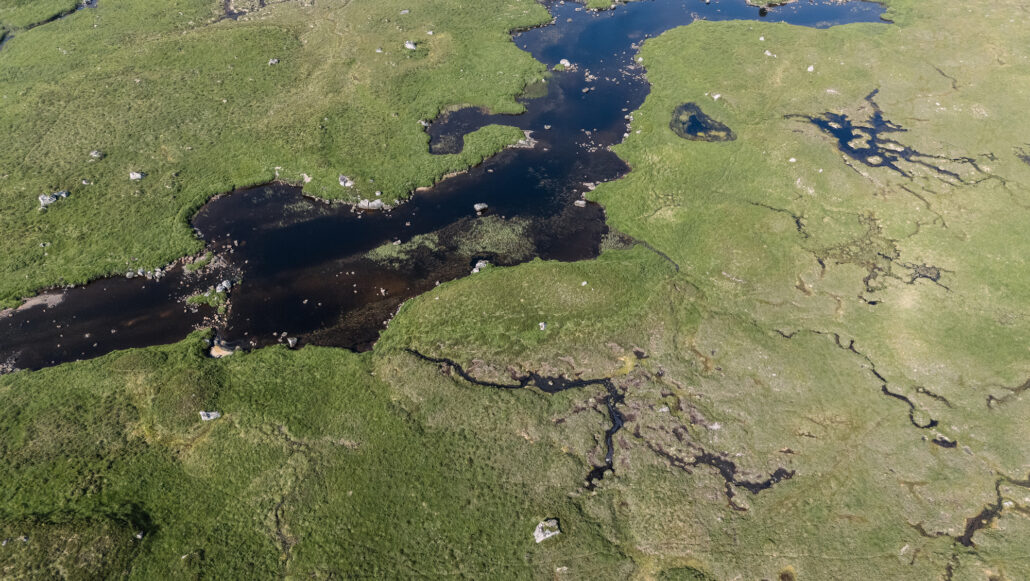
And the moor caught us in the kind of light photographers pretend they don’t pray for. Enormous skies in motion, shafts breaking through, a new mountain arriving around every bend. Hazy light. We stopped. We stopped again. One more photograph. One more view. The wind restyled Tracey’s hair into early Flock of Seagulls, and she announced she was simply embracing the UK, and kept shooting.
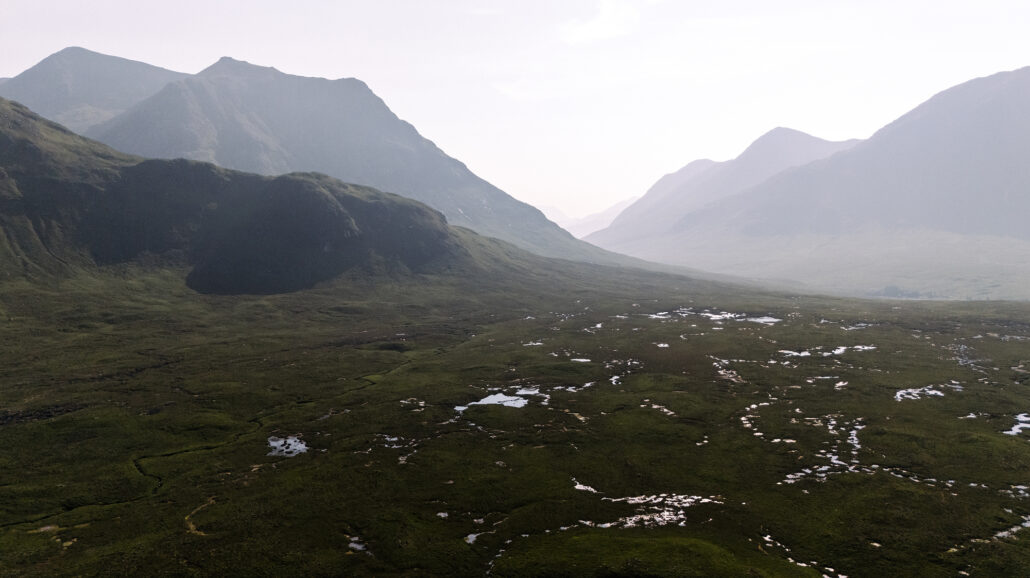
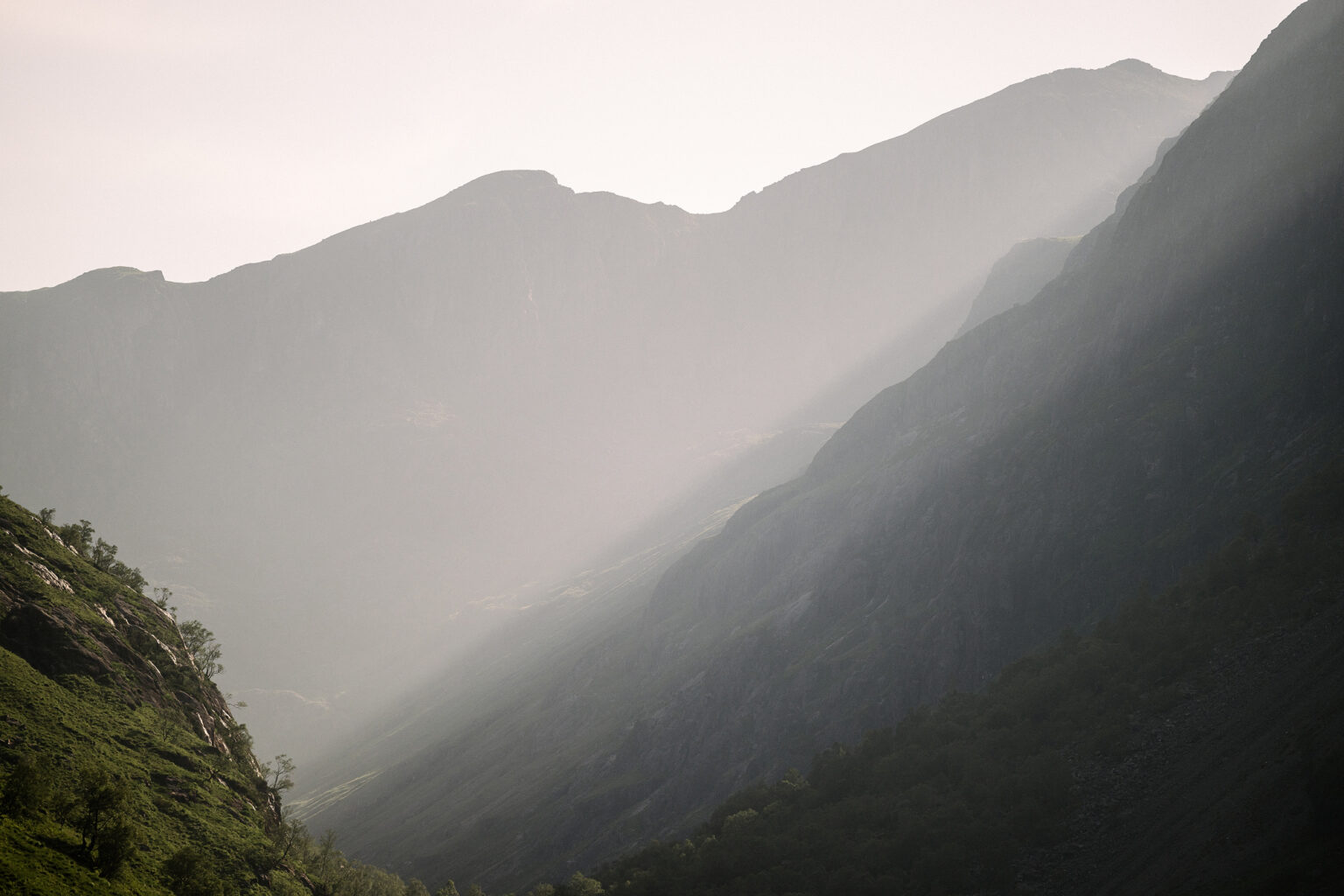
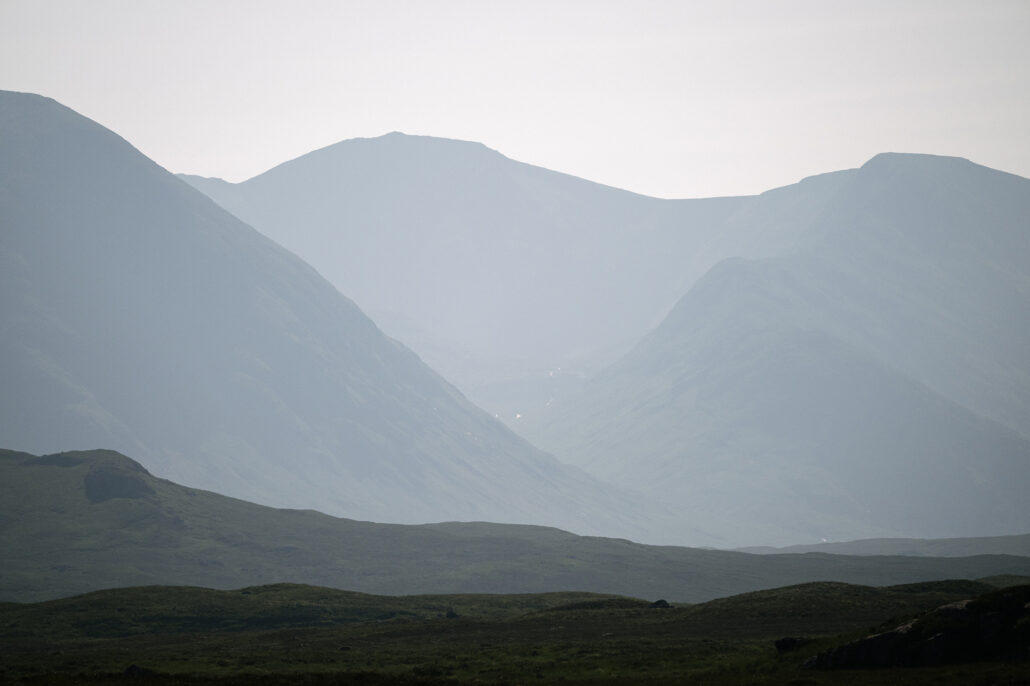
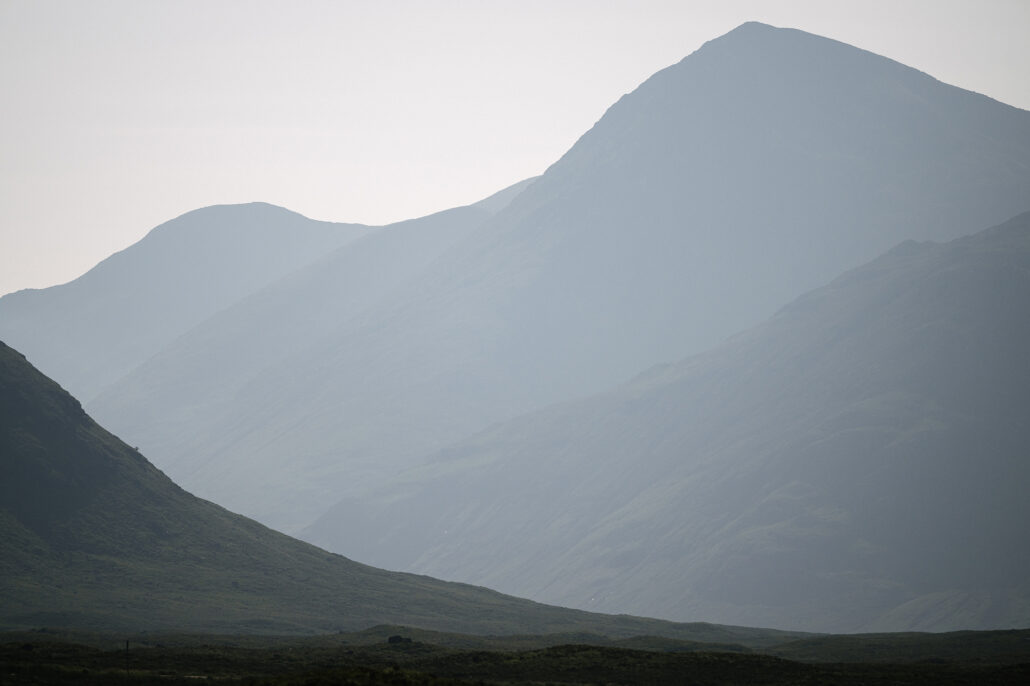
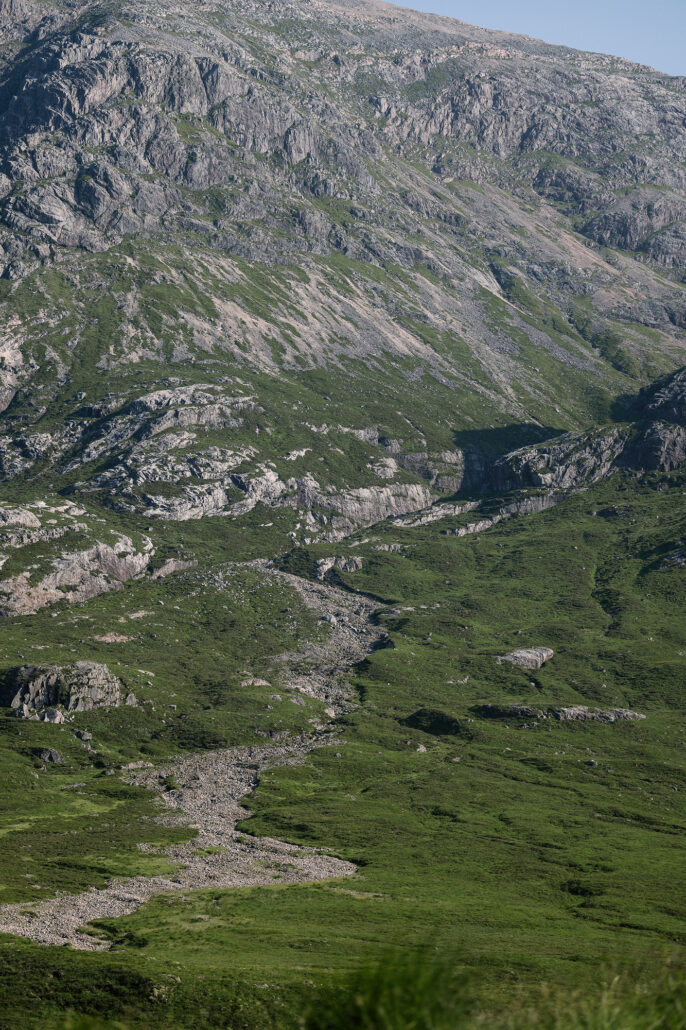
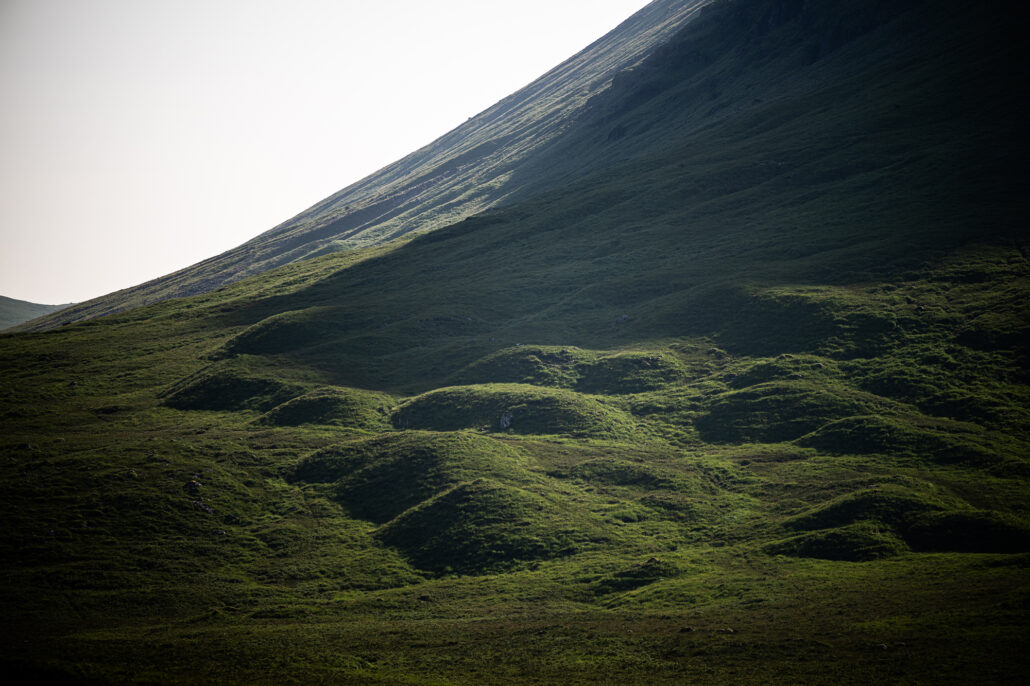
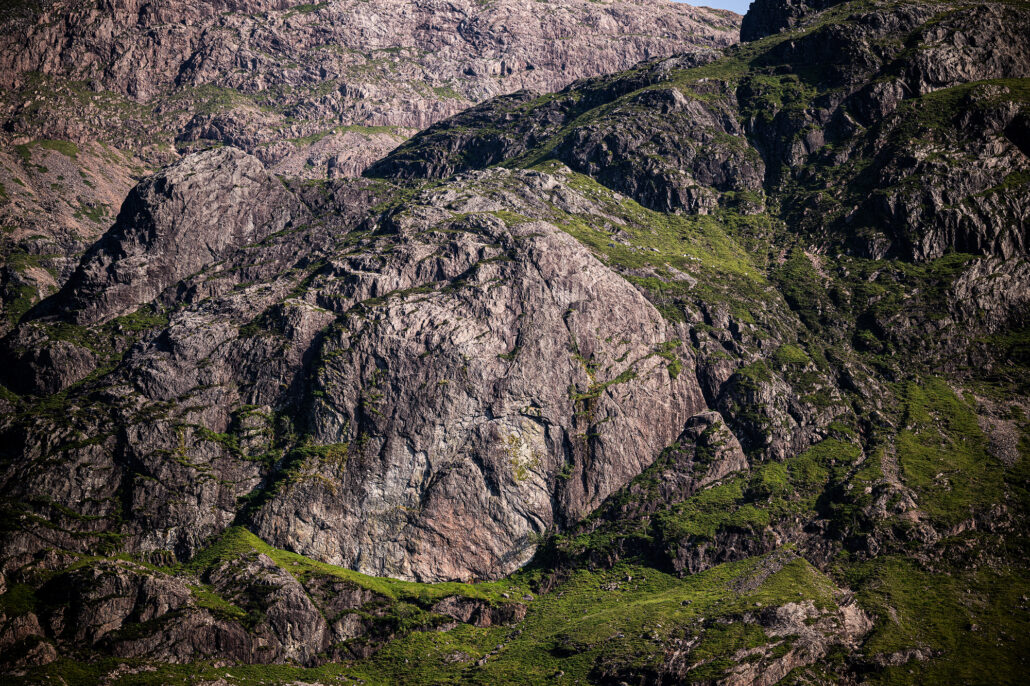
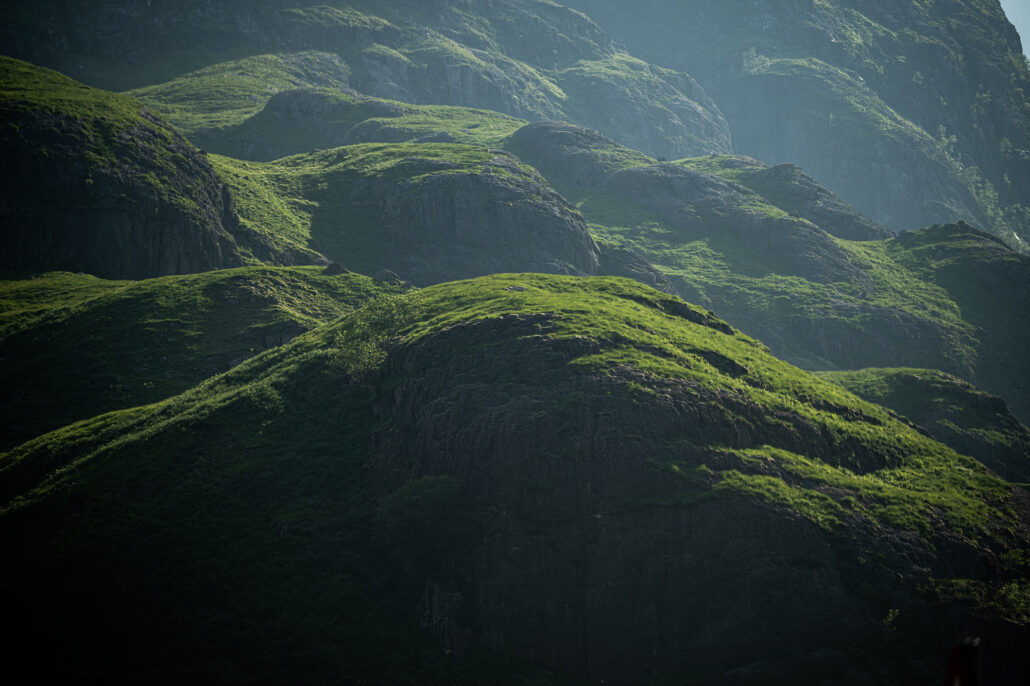
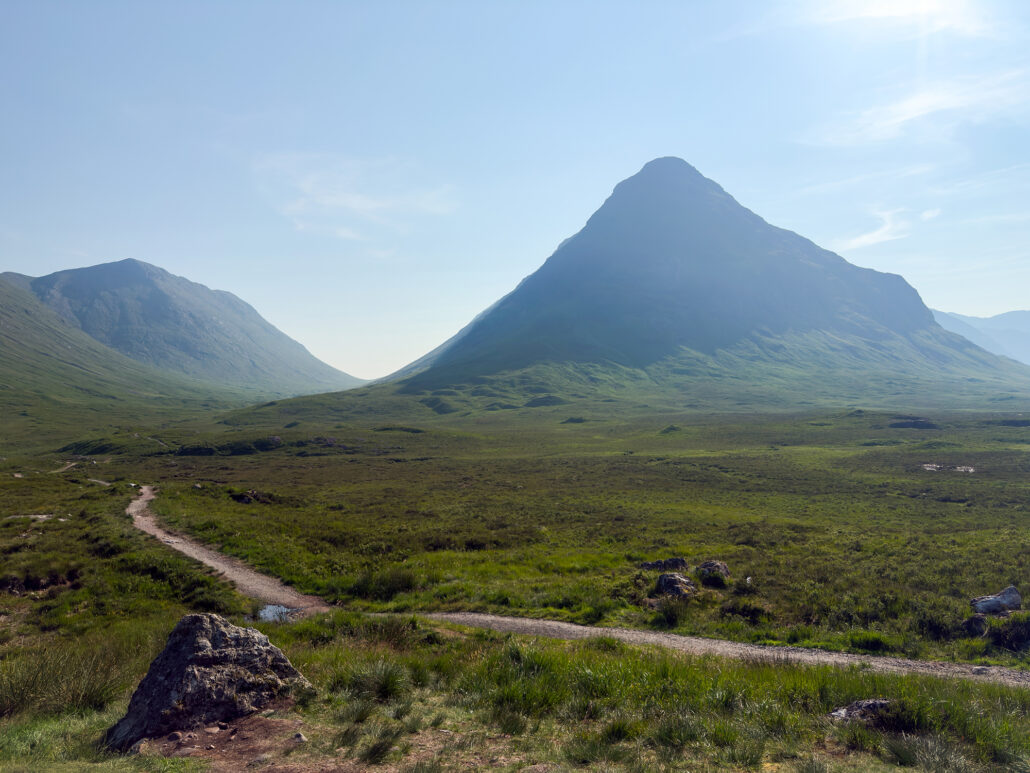
The plan was to drive through Glencoe without stopping and save it whole for the return. The glen declined the plan. First the Buachaille rose off the moor, the Great Herdsman of Etive as the Gaelic has it, a pyramid standing sentry at the gate exactly as advertised, and then the Three Sisters opened up beside the road and we were out of the car without either of us proposing it. We stayed far too long, or perhaps exactly long enough, in hazy sunlight and drifting mist at once, in front of a view that makes you forget, briefly, that you’re meant to be photographing it. Then past the Meeting of Three Waters, along Loch Leven, and on. We’re still coming back to Glencoe properly on the way south, to live in it rather than pass it.
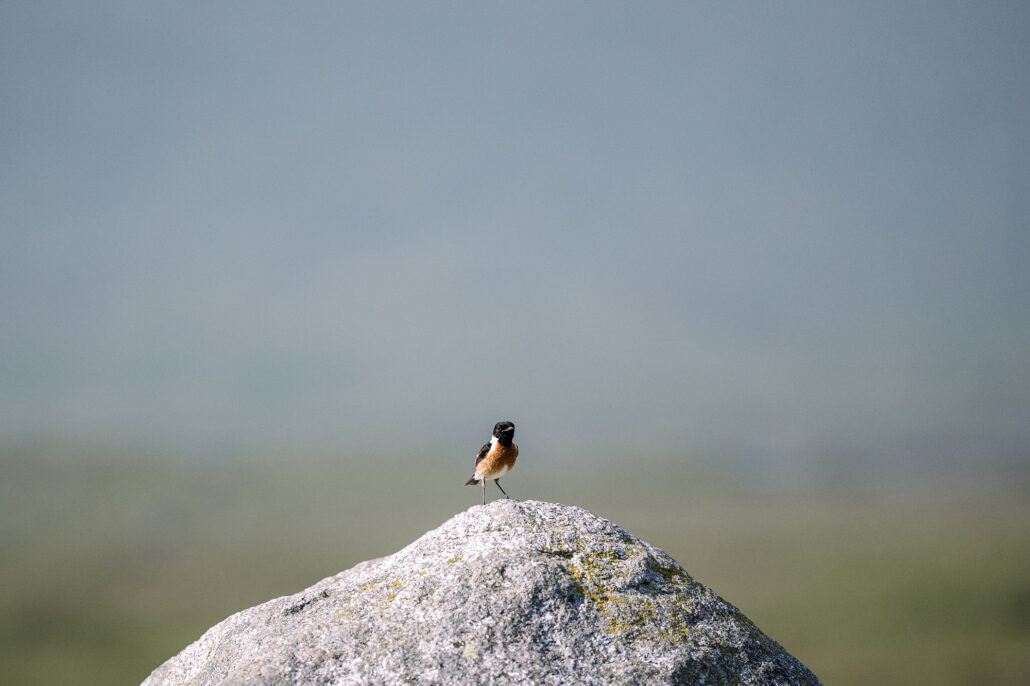
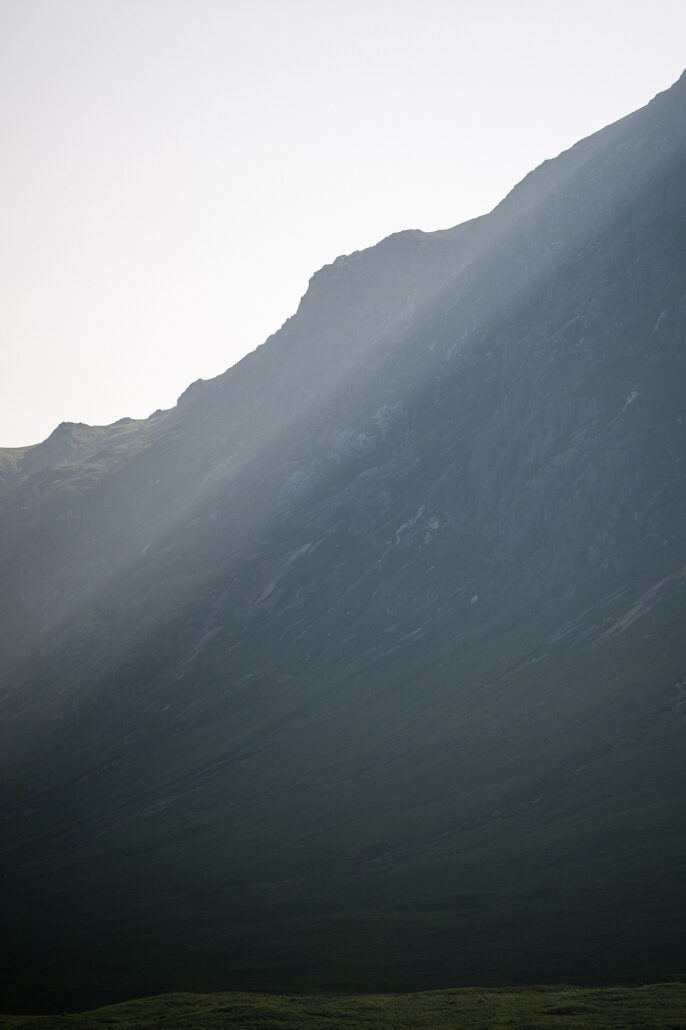
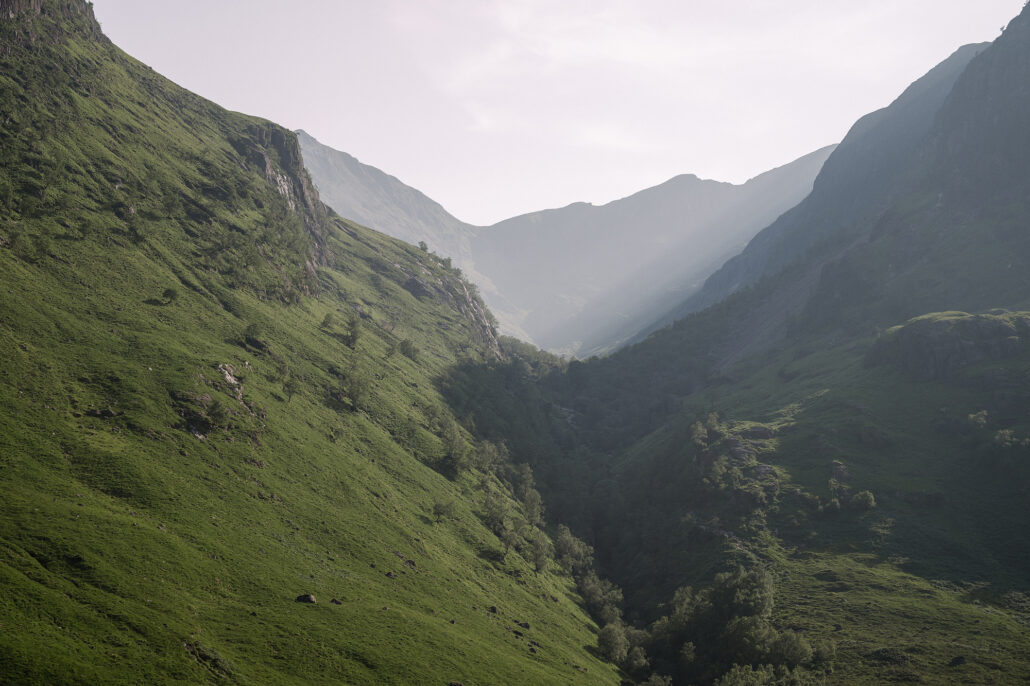
And a note for the record, because the pictures from that hour need a lawyer: a hazy sun was filtering through the glen while we stood there, softening every ridge, and the frames we brought out genuinely undersell the place. Whatever you’re seeing in the photographs, the real thing was more. It was jaw-dropping, the kind of landscape that stops a sentence in the middle, and no haze, lens or paragraph is going to carry that for you. Some places simply require your actual eyes. Consider this the glance across a crowded room.
Fort William we mostly passed through, pausing only to be mildly disoriented by cruise ships parked in the harbour after an hour of empty moor, and noting the name on the way: a town grown around a fort built for King William, to hold the Highlands down. By then the day’s pattern was impossible to miss. A gateway town, drovers’ roads, military roads, a garrison town, and ahead of us the spot where the rising all of it was built to prevent actually began. We had driven, without planning it, straight through the whole argument between the Highlands and the state, in order, and called it scenery.
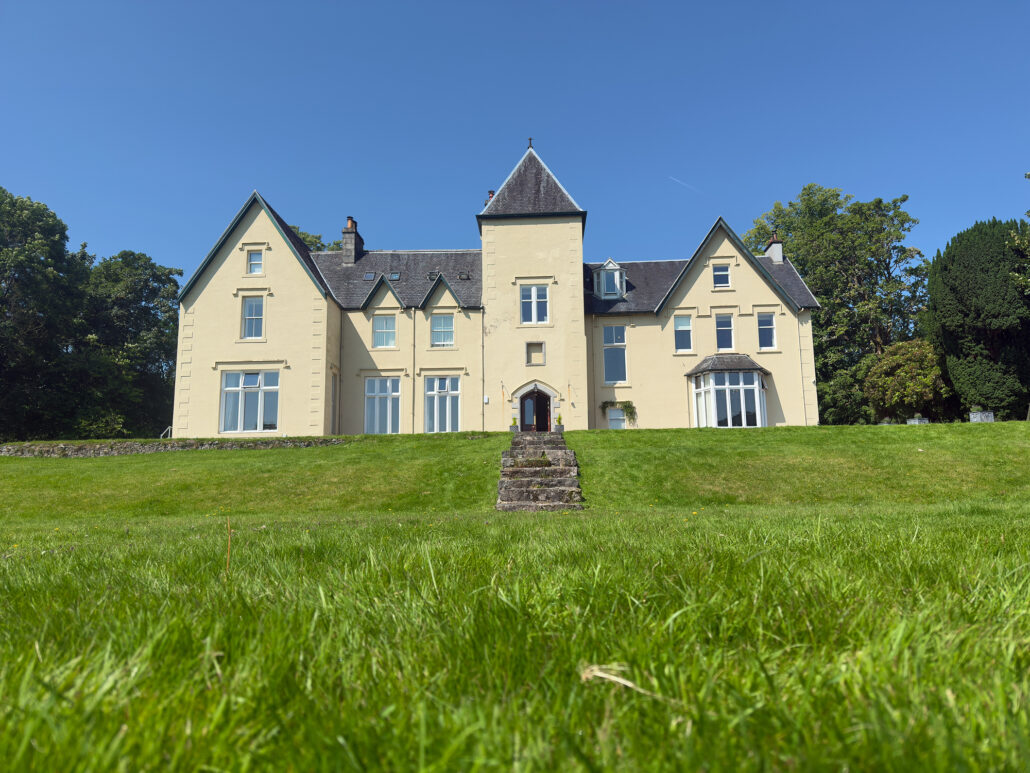
Glenfinnan House Hotel took us in at the end of it, old-fashioned in all the right ways, and we had a properly lovely dinner during which, and we are not proud of the mechanics, we also secretly watched Spain play England on a muted phone propped against the water jug. Outside, the sunset held off until ten and the last light lay on Loch Shiel for an hour after that. Somewhere between the Three Sisters and the football, the day’s other lesson had arrived: in the Highlands, the profound and the ridiculous run about twenty minutes apart, and the trick is to decline neither.
The afternoon a rebellion began
Glenfinnan sits at the head of Loch Shiel, and it’s where the romance of the Highlands gets its most concentrated dose, because it’s where the great lost cause began.
An honest confession about how this section came to exist. All over that hillside, and all along this coast, we kept overhearing the same tone: people saying Bonnie Prince Charlie the way you’d say the name of someone in their own family, and can-you-believe-we’re-actually-standing-here in half a dozen accents, with genuine reverence. Two Australians raised on entirely different legends eventually looked at each other and admitted the obvious: we’d better find out who this man actually was. So we did, and here’s the explanation, for everyone else on that hill who was nodding along without the details.
In 1745, a twenty-four-year-old named Charles Edward Stuart, Bonnie Prince Charlie, came up the loch in borrowed boats to this exact spot. He’d landed on the west coast a few weeks earlier with seven companions and a plan history records, accurately, as arrive and hope. At Glenfinnan he waited to learn whether the clans would actually rise for him. For a long, thin afternoon, almost nobody came. Then pipes, somewhere up in the hills, and hundreds of Camerons walking down to join him. The standard went up. The last Jacobite rising had begun. It ran nine months, came frighteningly close to London, and ended in sleet on Culloden Moor in April 1746, the last pitched battle fought on British soil and one of the most complete defeats in the country’s history.
They built monuments to this. The tall column by the loch went up in 1815, and the lone kilted highlander on top is constantly mistaken for the prince. He isn’t the prince. He’s nobody in particular, an unnamed figure standing in for the ordinary men who actually walked down out of the hills that afternoon and paid for the gesture with the rest of the century. That’s what a lost cause does to us. We remember it tenderly, precisely because it lost. We keep our hearts for the ones who marched down the hill anyway.
The gloaming, and the bill for it
The Scots have a word for the long northern dusk, because they get so much of it: the gloaming. It comes from an old word for twilight that grew up right alongside glow, which is exactly correct, because the gloaming is the part of the evening that glows. At this latitude in July the sun doesn’t set until after ten, and then the sky negotiates for another hour. We came from a place with no night at all. This is the gentler version, night with a long apology first, and it’s the best working light a photographer ever gets handed for free.
It’s also, to the minute, when the midges clock on.
So the evening scout of the Glenfinnan viaduct came down to a straight trade. On one side: the monument going gold at the head of the loch, the water flat as a held breath, the column and the hills doubling in the reflection, the light running past eleven. On the other: standing dead still in calm warm air on a boggy shore at dusk, which is to say presenting yourself at the service entrance of every midge in Lochaber. Repellent first, then beauty. We stood in the most cinematic light in Britain and were quietly, comprehensively eaten, but we wanted to experience the Highlands. And it’s beauty. So every bite was worth it.
Romance, made of aggregate
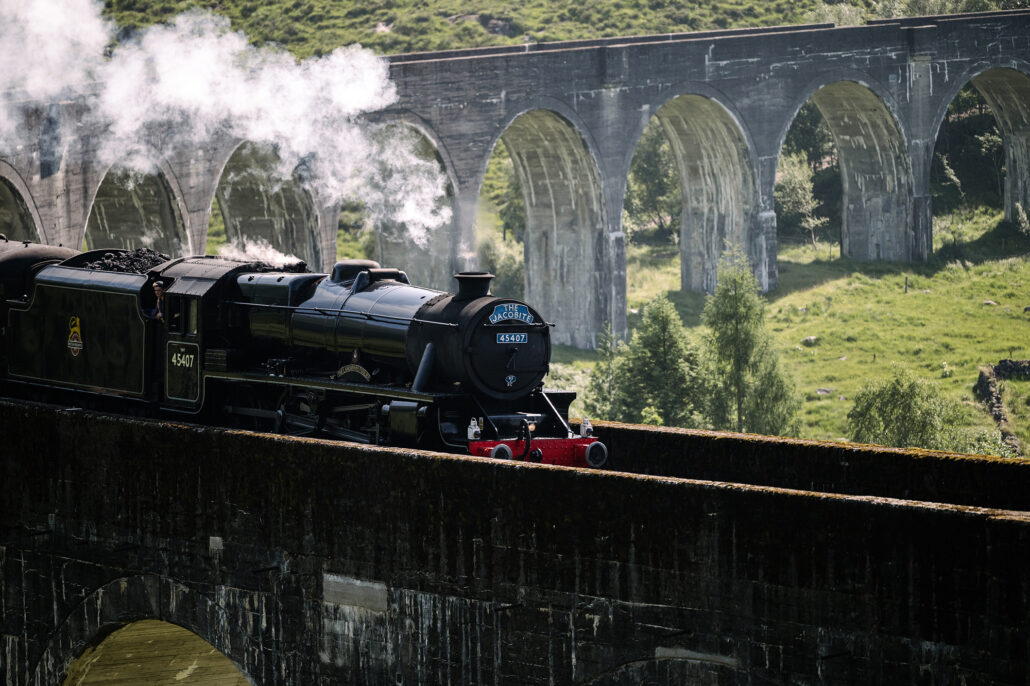
Morning arrived as total fog and burned off just in time, which we chose to read as stagecraft. We skipped the full Scottish breakfast, joined the procession up the muddy hill, and took our place on the hillside above the viaduct, which is the other reason people come to Glenfinnan now. The bridge is genuinely beautiful, a long curving sweep of twenty-one arches a hundred feet over the glen, and it is made, every romantic inch of it, of concrete. It was thrown up before 1900 by a contractor so devoted to the material that the country nicknamed him Concrete Bob. The most photographed bridge in the Highlands is poured aggregate, and it’s lovely, and both of those are true at the same time.
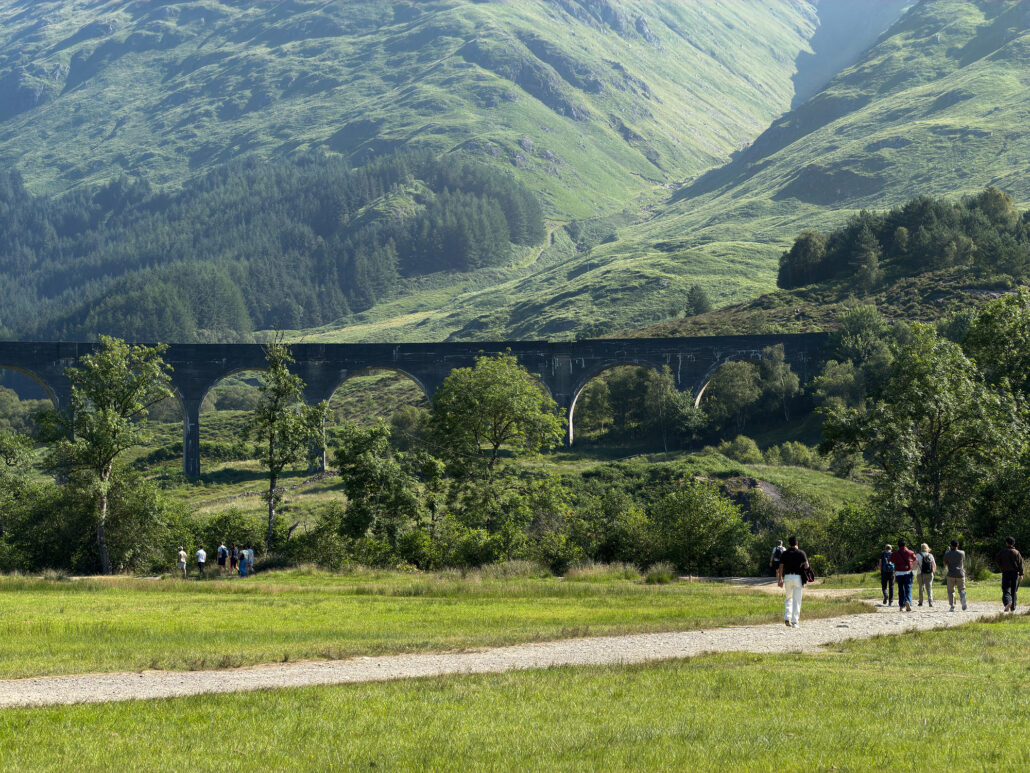
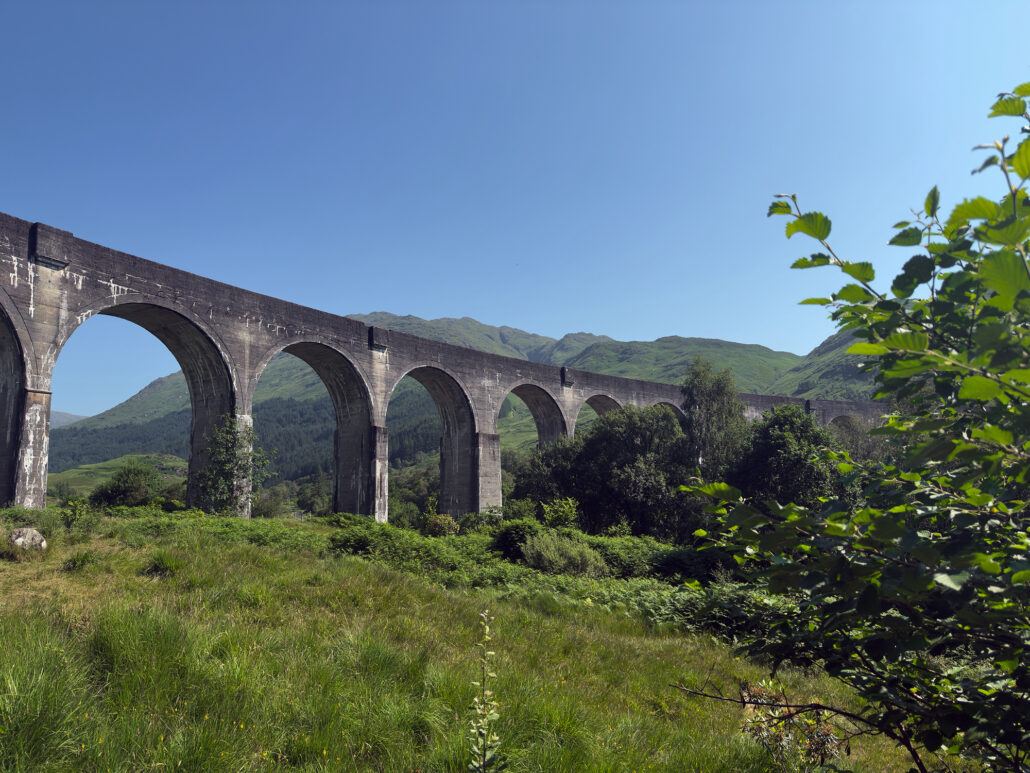
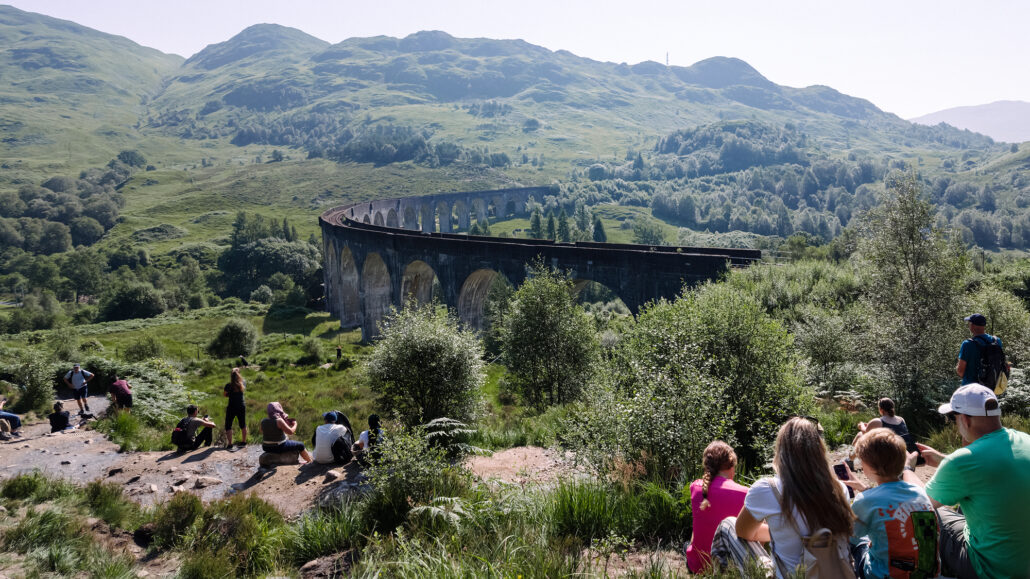
What you wait for is the train. A steam locomotive named the Jacobite, after the rebellion, crosses the viaduct above the spot where the standard was raised, hauling carriages full of people dressed as wizards, because the bridge has a second and much larger fame now: this is the viaduct the Hogwarts Express crosses in the Harry Potter films, the single most recognisable shot of the whole series for a lot of the people on that hill. A doomed eighteenth-century rising, a Victorian concrete miracle and a boy wizard, all stacked on the same hundred metres of curve, all photographed by the same crowd at the same time. The Highlands have a sense of humour about themselves, and they’re completely relaxed about you not keeping up.
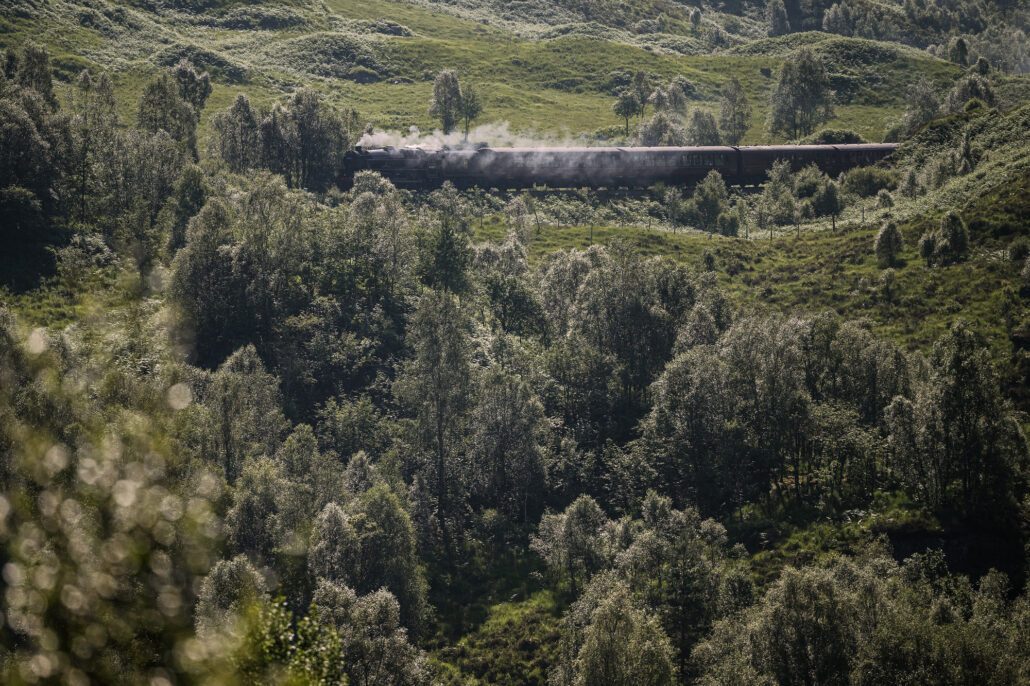
And the hill itself was the morning’s real text. A Spanish couple on one side of us, Belgians on the other, Germans behind, wizard fans and Jacobite buffs shoulder to shoulder in the mud, every one of us hauled up a wet Highland hillside by a story. Not even the same story. That’s the part we kept turning over afterwards. A doomed rising, a boy wizard, a heritage railway: three different tales converging on one concrete curve, and for the sixty seconds the steam actually took to cross, a few minutes behind schedule, one congregation. We spend our working lives inside the machinery of meaning, and we have rarely seen the mechanism laid this bare. A story is the only force that reliably moves people across a planet. It moved every stranger on that hill. It moved us here from Tokyo. Then it was over. An hour of hill for one minute of train, and nobody on that slope looked short-changed. Muddy. But worth it.
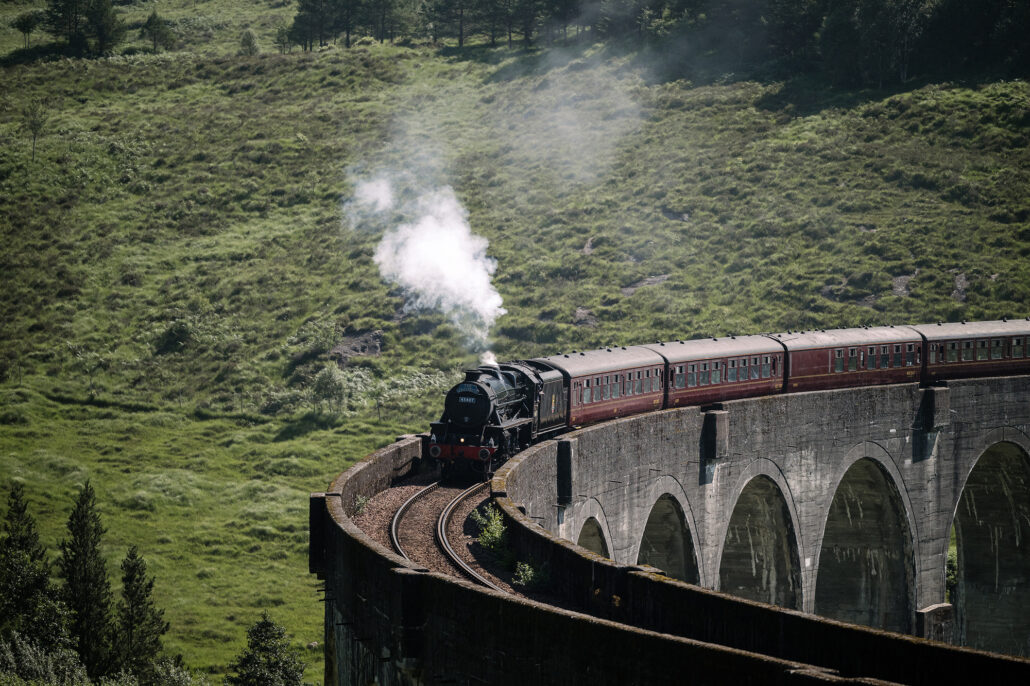
For us, though, Harry Potter was never the punchline. When we first came to Japan, years before any of this looked like a studio, there was no streaming and no English television, and Amazon was mostly still a bookshop. We’d pre-order the next Harry Potter months out and then just wait, and the week it finally arrived was the whole week. Those stories were our escape and our company in a language we were still learning, in the long early stretch when we were building 37 Frames out of not very much. So watching the real train come round the curve, steam and all, wasn’t a joke to either of us. It was natsukashii, the warm ache for a time you can’t get back, turned solid and crossing a bridge. We’d waited a long time for that one too.
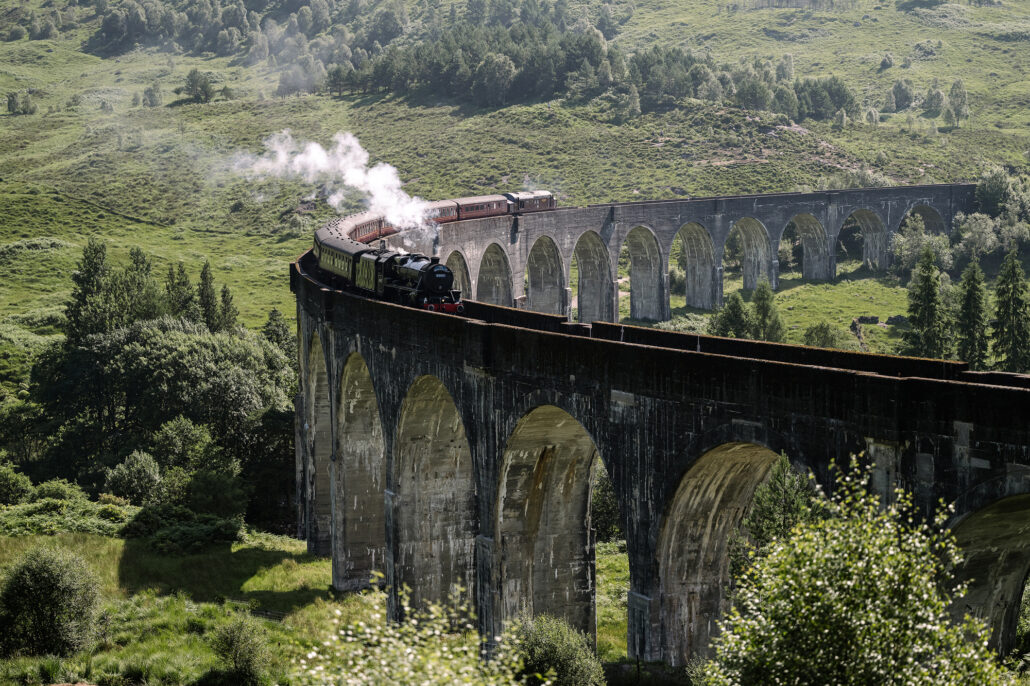
We chose, deliberately, not to ride the train that morning. We came to photograph it first. The hillside is free and the light is better.
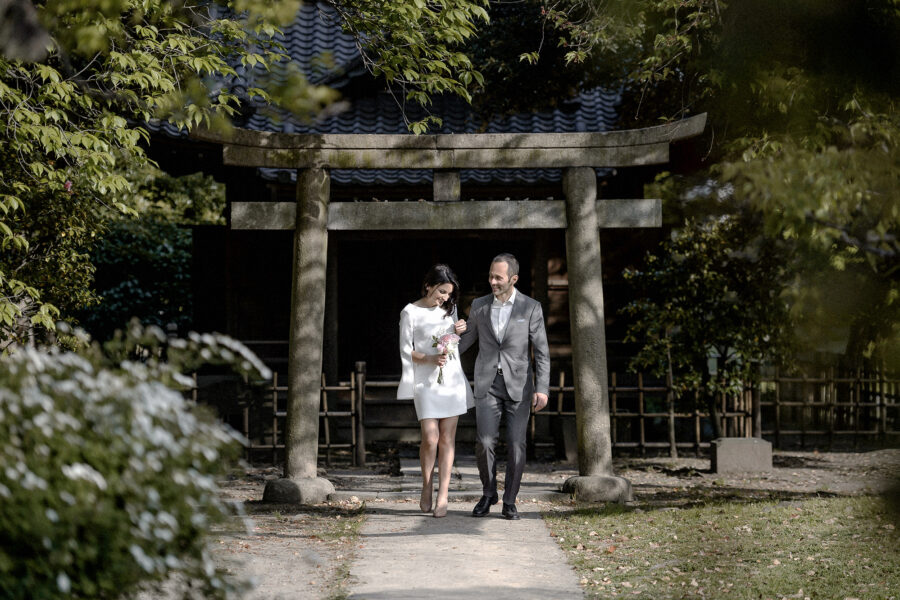
Back at the hotel we drank roughly a loch of water, the Highlands having scheduled a heat wave for our visit, and then had a conversation with the house’s team that began as compliments about the building and ended, the way our conversations tend to, in wedding logistics. We came to Glenfinnan as guests. We left with a Highland option, and Scotland wants us back in a professional capacity.
Then a detour deeper west along the coast road first, to the Prince’s Cairn, where almost nobody stops. A small stone marker above the water at Loch nan Uamh, the traditional spot where Bonnie Prince Charlie stood for a last look before leaving Scotland forever, fourteen months after raising his standard an hour back up the road. The rising began and ended within sight of this one stretch of coast, and we’d driven its whole arc in a day and a half without planning to. It’s quiet there. Reflective. Nobody selling a thing. And now we know who Bonnie Prince Charlie is.
What the road is actually for
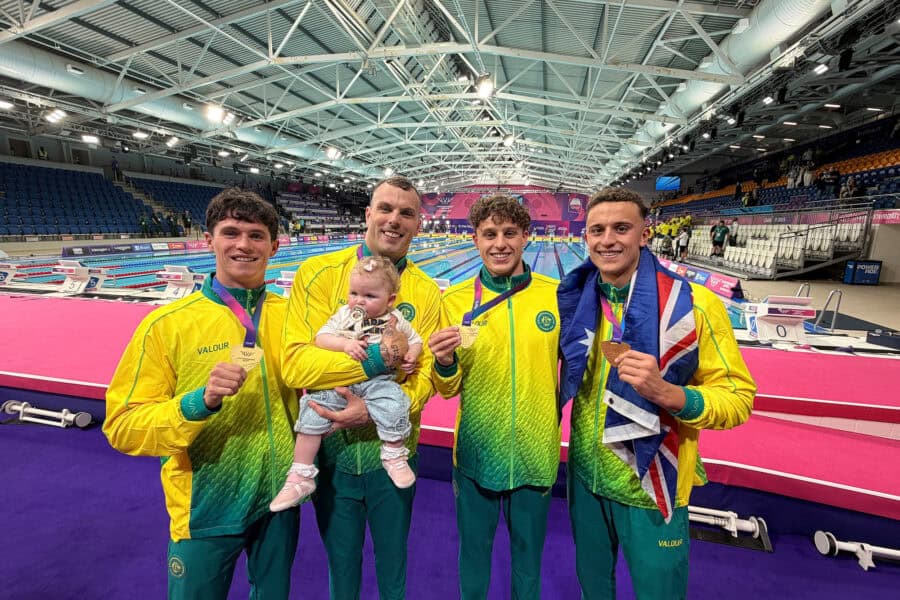
We keep driving west, and west is not an accident. Every mile of this beautiful, ridiculous, bitten country is pointed, in the end, at a swimming pool in Glasgow and a boy in green and gold we crossed the planet to watch. The Highlands are the long way round. We just happen to have picked the most spectacular long way round there is.
The clans are scattered. The prince is a tragic painting. The statue is anonymous, the bridge is concrete, the train is full of wizards. Everything human about this place has won, lost, romanticised itself and moved on. And tonight, the same as every night since long before any of it, the only undefeated army in the Highlands will rise off the bog in the gloaming, two millimetres at a time, and take the ground back. We’ll be out in it anyway. We found enough Smidge.
Read more Greenland/Scotland travel stories here:
The Night the Fjord Disappeared