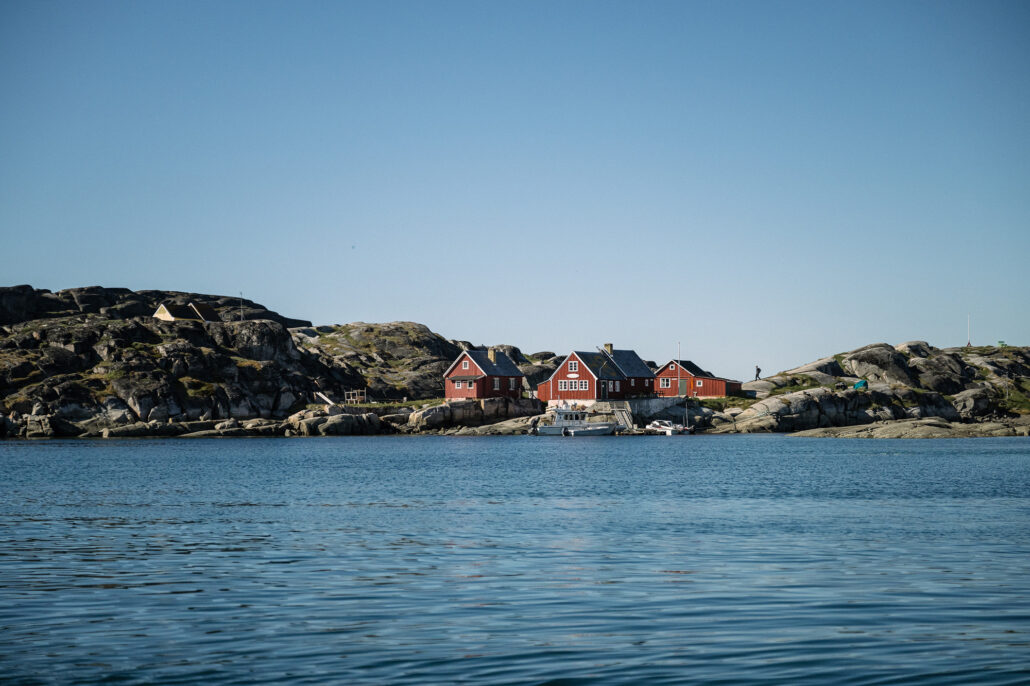
Oqaatsut, a settlement of forty, twenty-two kilometres north of Ilulissat.
After three nights working the midnight sun, we did a strange and ordinary thing. We woke at a sensible hour. We ate breakfast while it was actually breakfast. And we met Jonas off the deck of our hotel at ten to nine, the same stretch of water he’d been collecting us from all week, for the fourth and last of our days with him, this one in daylight, the way most people meet a boat.
The same deck. The same kit, more or less. And none of the conditions. The glass we’d floated on for three nights was gone, and the ride north was a proper ride, spray and thump and grab-the-rail. It was rough. It was fun. We’ve been on the water so many hours this week that solid ground has started gently moving underneath us, and neither of us minds.
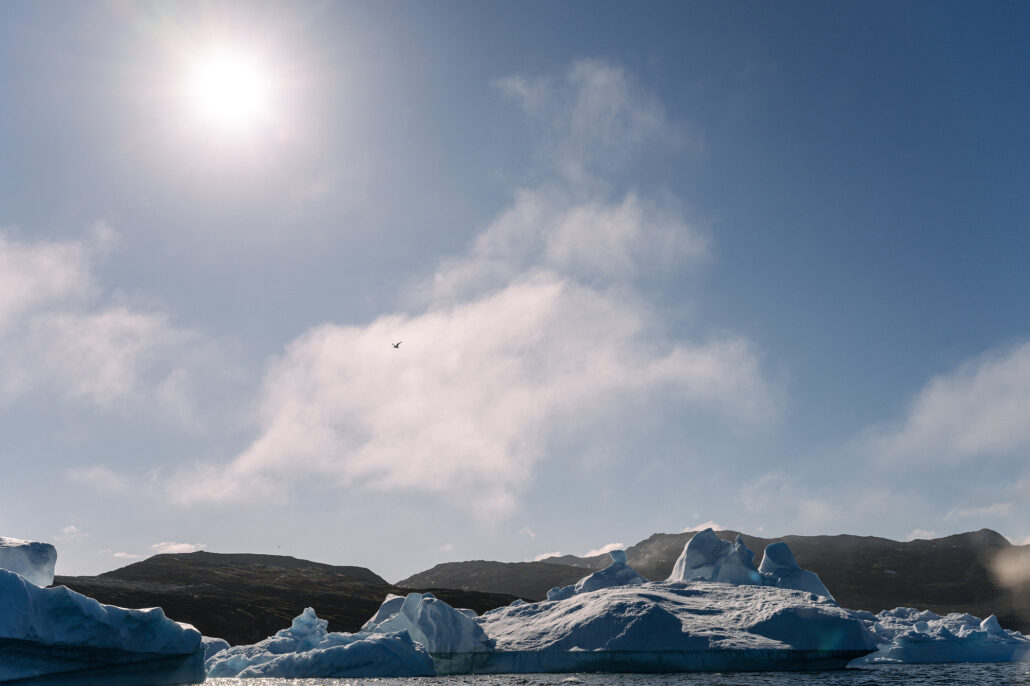
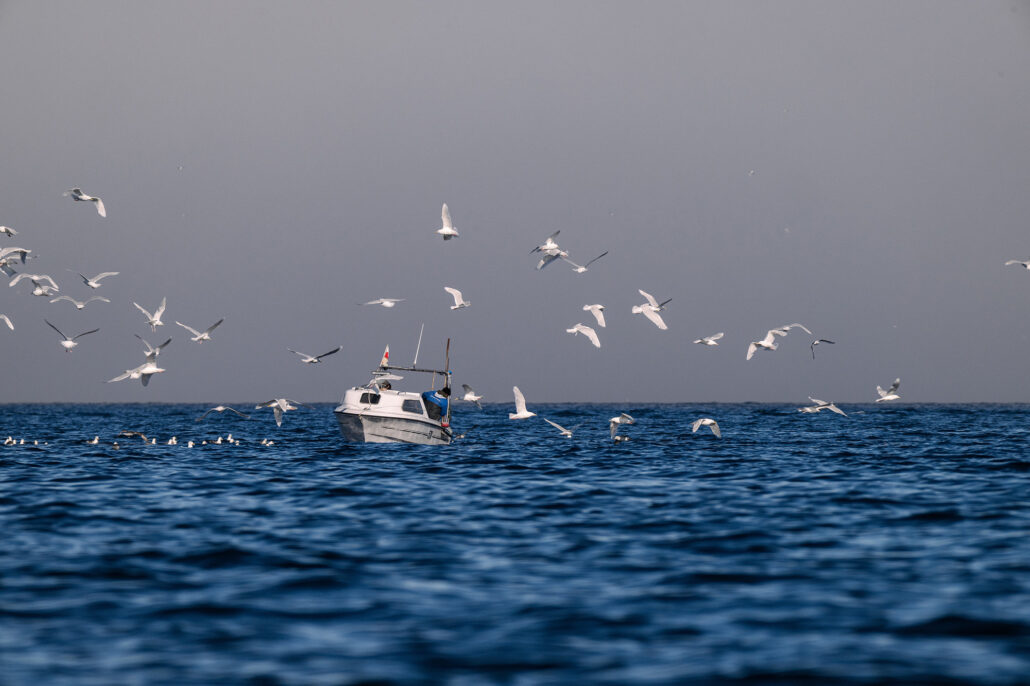
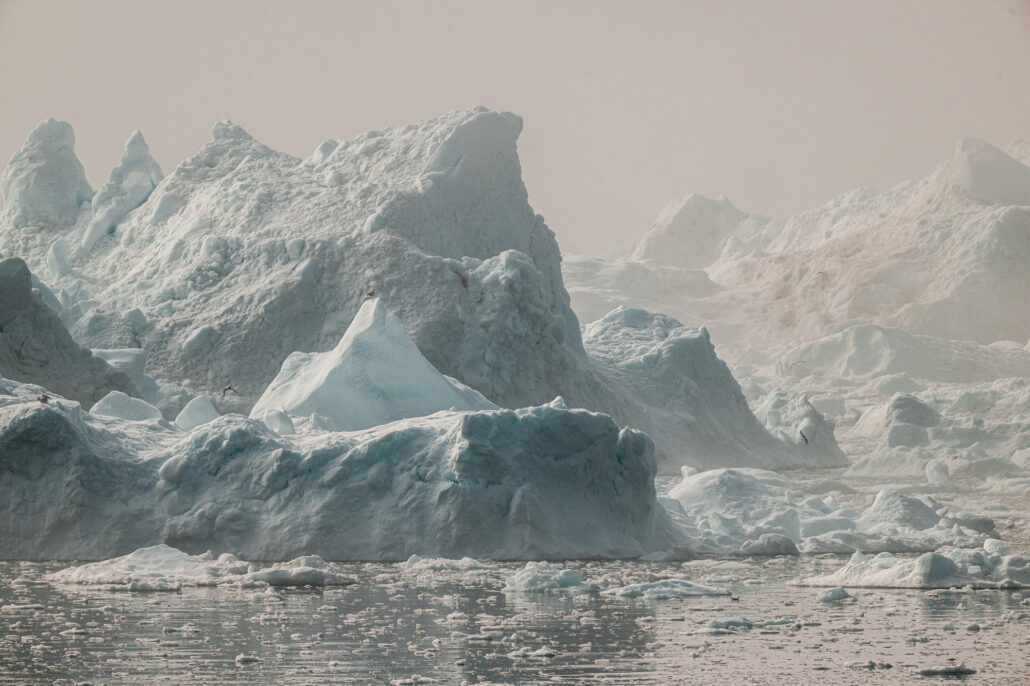
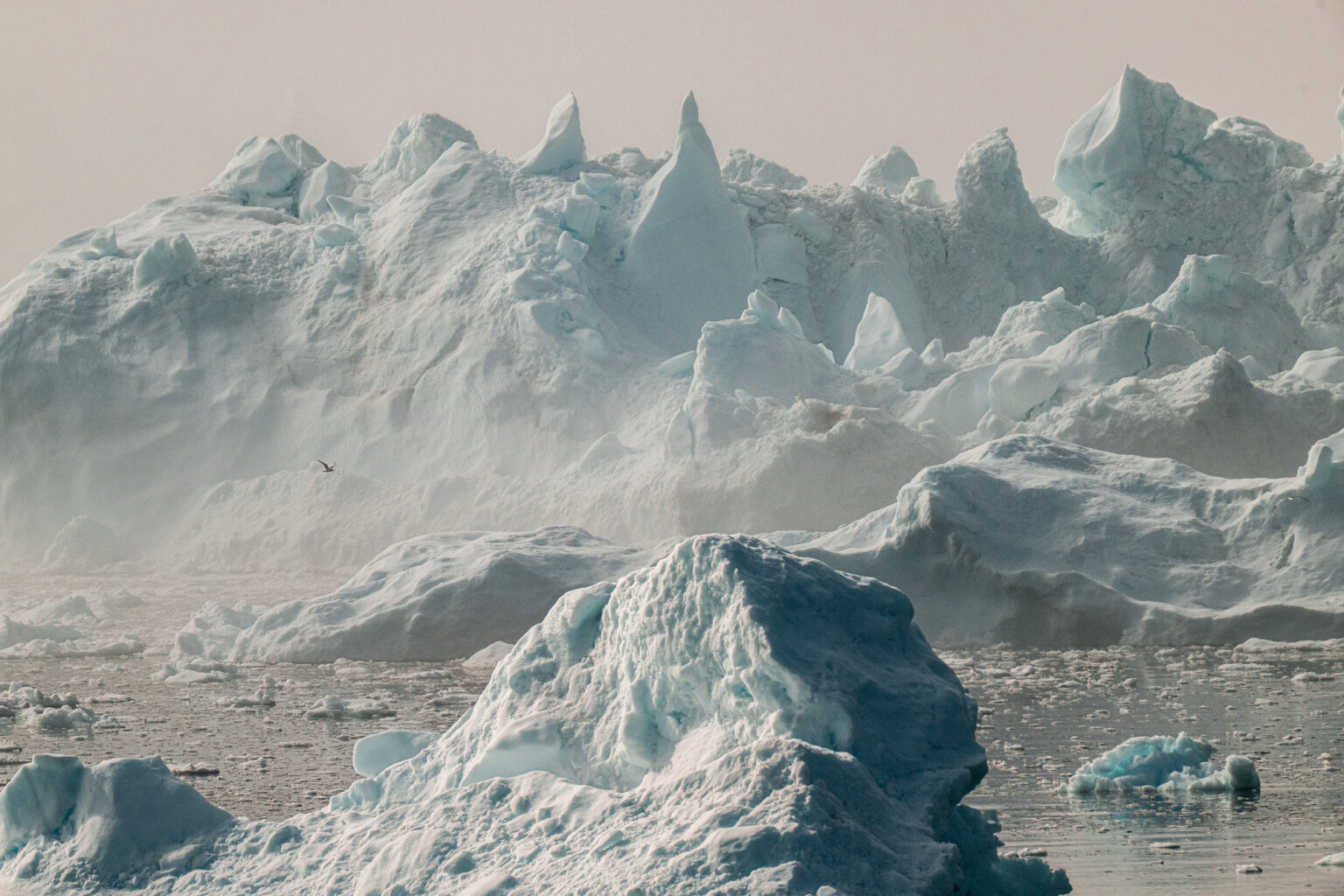
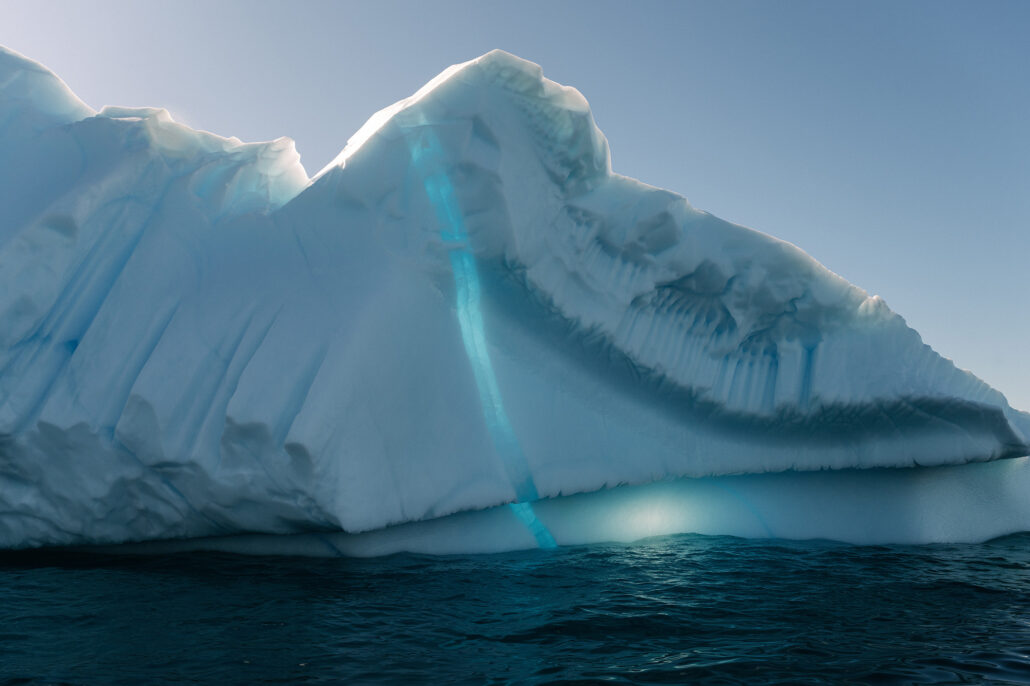
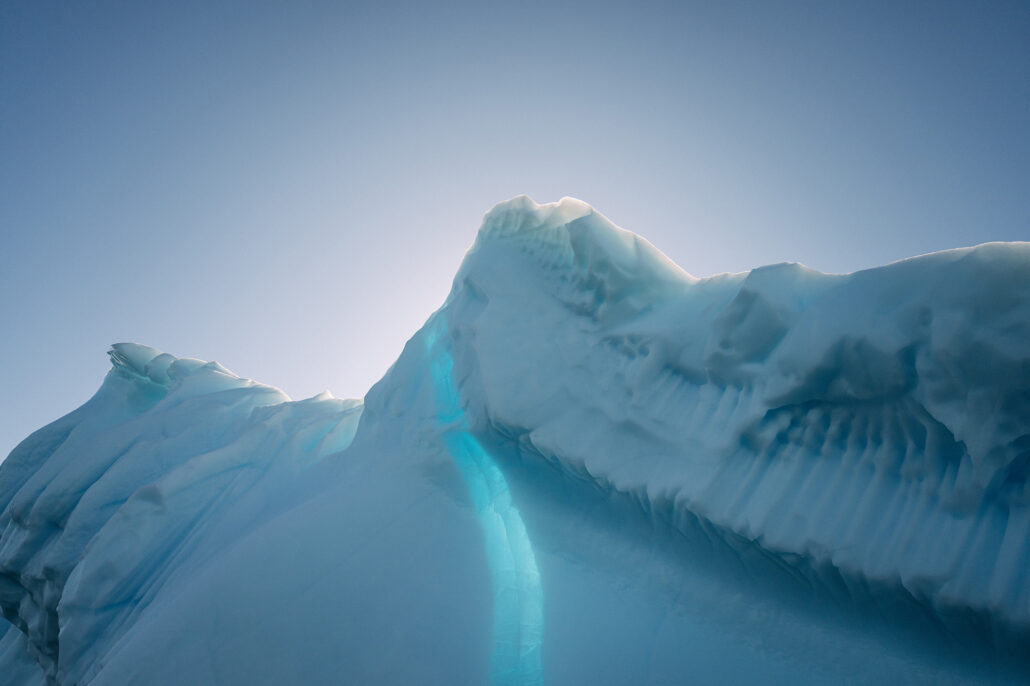
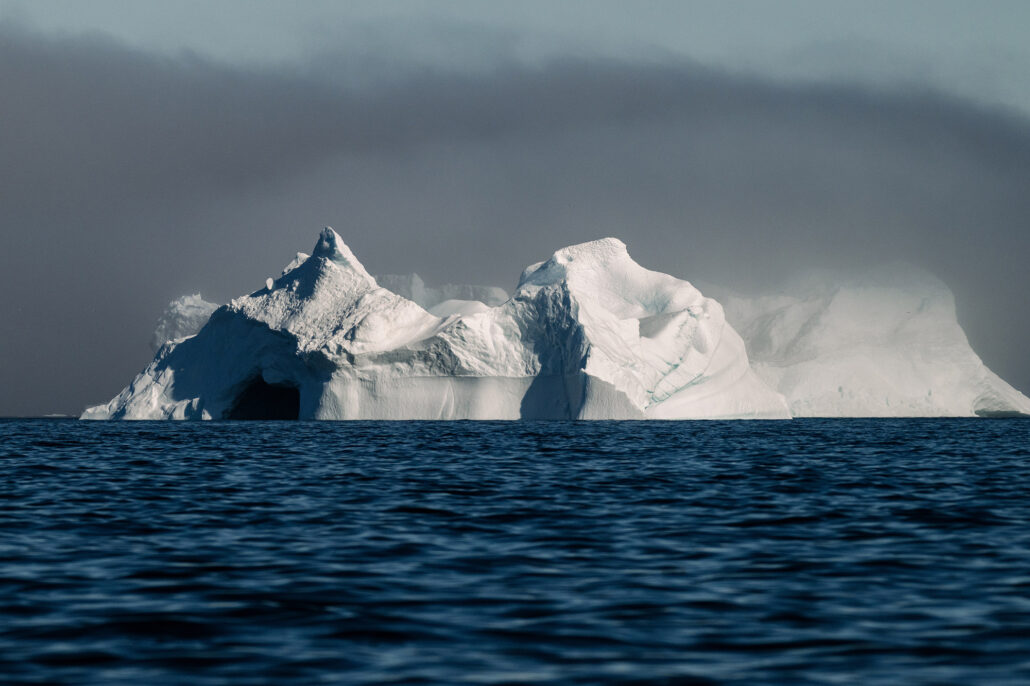
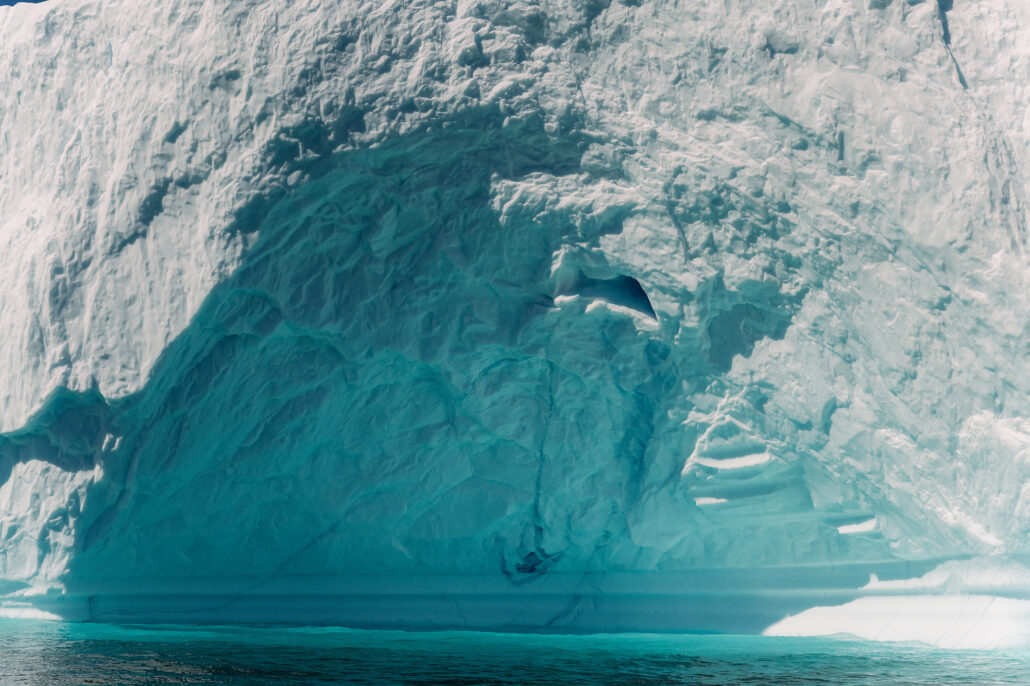
A completely different planet in daylight, too. Disko Bay at eleven in the morning is not the bay we’d been photographing at eleven at night. The gold was gone, traded for a high clean blue, the icebergs reading as white and architectural and lit from within. Same water. New exhibition. The fjord has never once repeated itself for us, and we’d stopped expecting it to.
The blow before the whale
The point of the morning, officially, was Oqaatsut. The pleasure of the morning was the route there.
Disko Bay is a summer feeding ground for humpback, fin, and minke whales, and Jonas runs the boat the way a person runs who has done this ten thousand times and still looks. You learn to listen before you look. The blow comes first, that soft distant exhale carrying across flat water, and then, if you’re lucky and patient and not fiddling with a lens cap, the back, the roll, sometimes the tail going down in that unhurried way that empties your head of everything else.
We’ve photographed a lot of things that were performing for the camera. The whales were not. Same as the sled dogs above Ilulissat, same as the ice at midnight, they were entirely indifferent to being seen, getting on with the serious summer business of eating, and we were just briefly allowed to be near it. We are starting to think that’s the whole appeal of this place. You’re simply permitted to watch.
The bay that turned red
Oqaatsut is a settlement of around forty people on a small peninsula, and like a lot of names up here, its history is written into the word, just not the word it wears now.
The Dutch came in the seventeenth century for the bowhead whales, and they called this place Rodebaai. Red Bay. Named for the colour the water turned when they killed and butchered the whales on the flat shore rocks. They hunted the bay until the whales were all but gone by 1850, and then they left, and the Greenlanders took the older name back. Oqaatsut means cormorants, for the black long-necked birds that dry their wings on the same rocks. On a calm clear day you can still see whale bones on the floor of the bay. We took some underwater video of the bones. I’m not sure they’ll make the highlight reel, but we’ll see.
So you arrive at a place named twice. Once by the people who came to take something and left when it ran out, and once, before and after them, by the people who simply live there, who named it for a bird. We stood on the rocks where the water used to run red and watched, that same morning, the descendants of the survivors blow and roll out in the bay. It is not a subtle lesson and we didn’t need it spelled out. The whales outlasted the people who came to sell them.
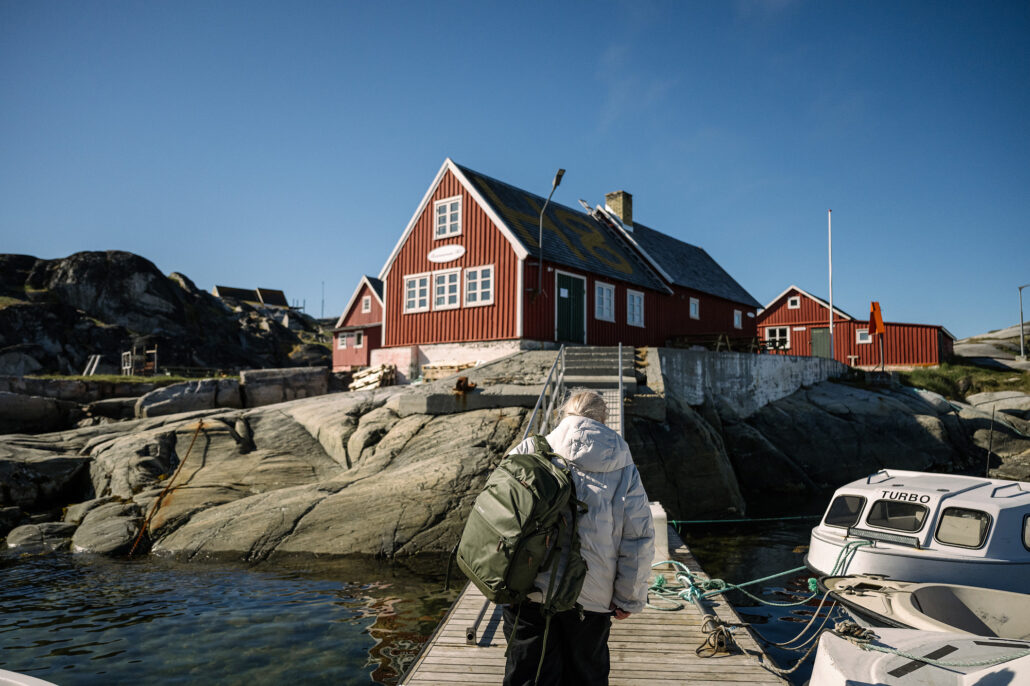
The settlement at walking pace
We spent the middle of the day doing the best thing you can do in a place of forty people, which is walk it slowly with someone who belongs here. Jonas led us between the houses and the drying racks, and the talk ranged the way it does by a fourth day, past photography and out into everything else. His life. This coast. The long version of Greenland’s history, the one that doesn’t fit on an information board.
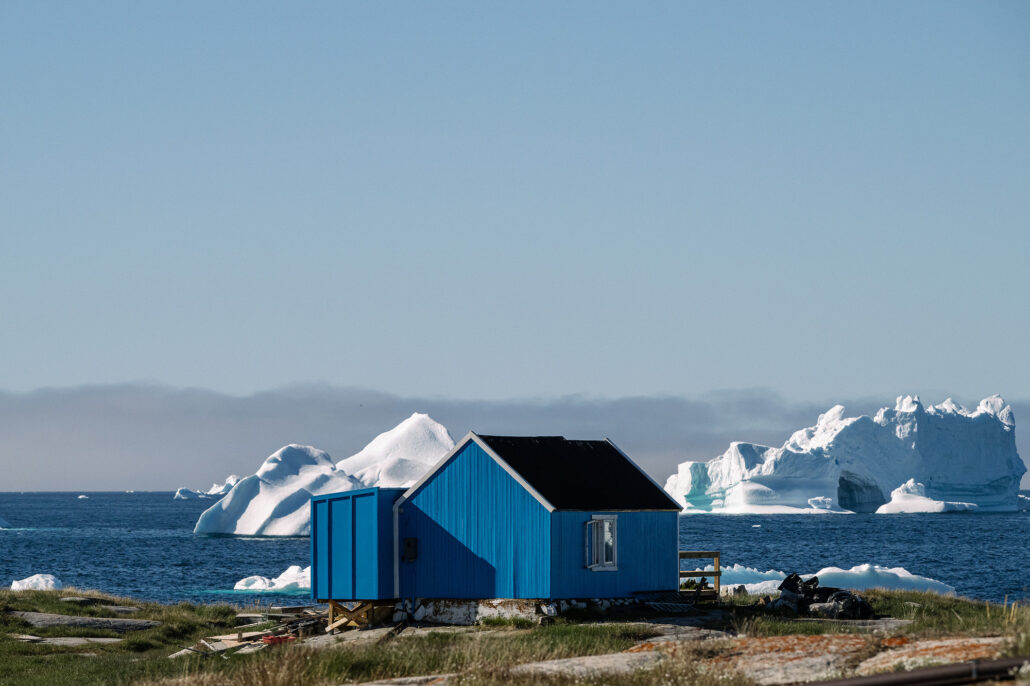
Somewhere between the houses he told us about the run. There’s a race along this shore, twenty kilometres or so, a half marathon’s worth of Arctic coastline from Oqaatsut down the old walking trail to Ilulissat. The story underneath it, as Jonas told it, is of a girl whose father was in trouble, and who ran that whole distance to town to bring back help. The race carries her story now, runners covering her ground on purpose. We tell it here the way he told it to us, standing on the rocks where it starts. The trail is real, we watched it leave the settlement, and twenty kilometres over that ground, in this weather, for any reason at all, has earned every commemoration going.
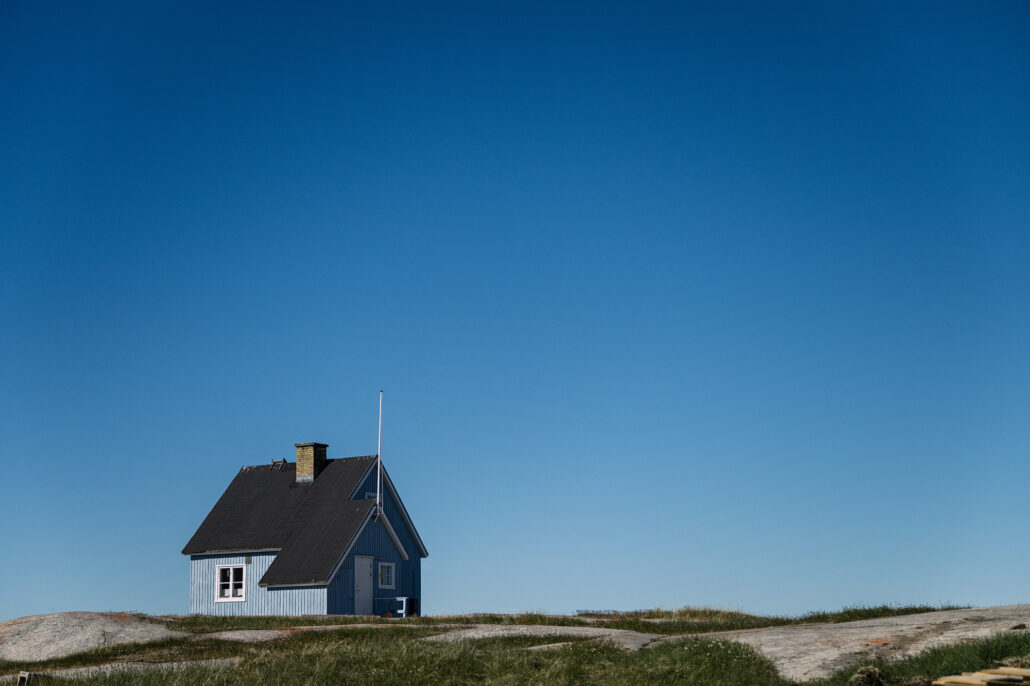
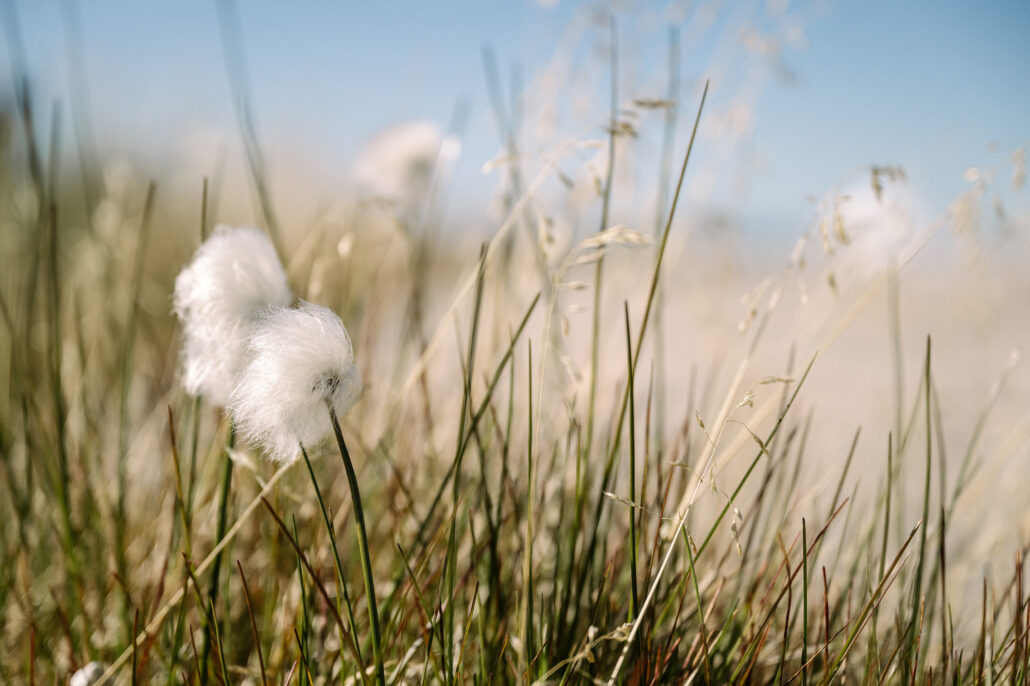
We looked inside the church, which doubles as the school, one room holding down the two most important jobs a small place has. And then we climbed the hill behind the settlement and sat, for a long time, doing nothing but taking it in. The wind was cold up there. We stayed anyway.
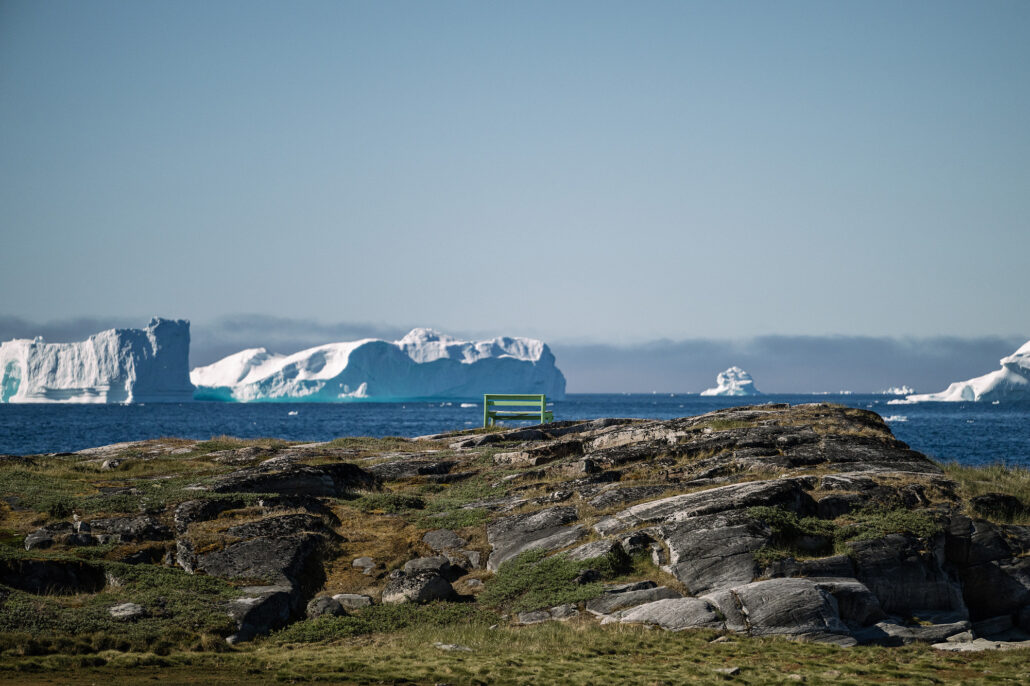
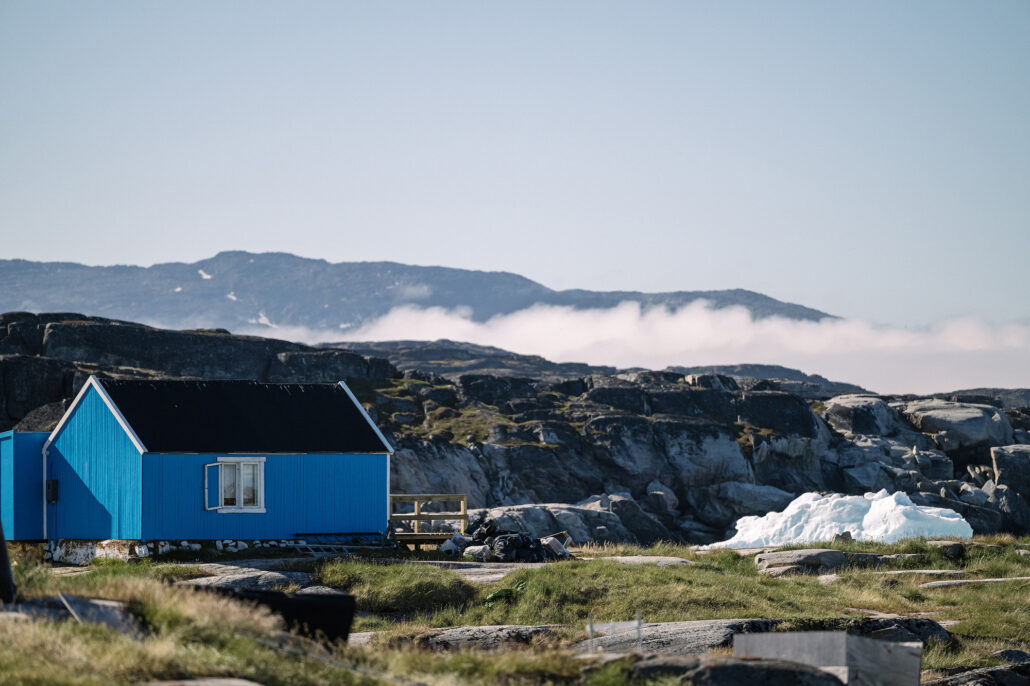
Because this, in the end, is what these trips are for. Our working life runs on timelines and screens, in a city of thirty-seven million people, and a world like that can shrink to the size of the next deadline without you ever noticing it happen.
The cure isn’t rest. It’s scale.
You take yourself somewhere the sky runs unbroken to the curve of the earth, where forty people are living a life you couldn’t have imagined from your desk, and you sit still until your own life comes back into proportion. Not the centre of anything. One story among billions.
Lunch at H8
In the middle of forty-odd people, one church that doubles as a school, and one shop, there is a restaurant, and it is genuinely one of the more remarkable meals you can eat anywhere.
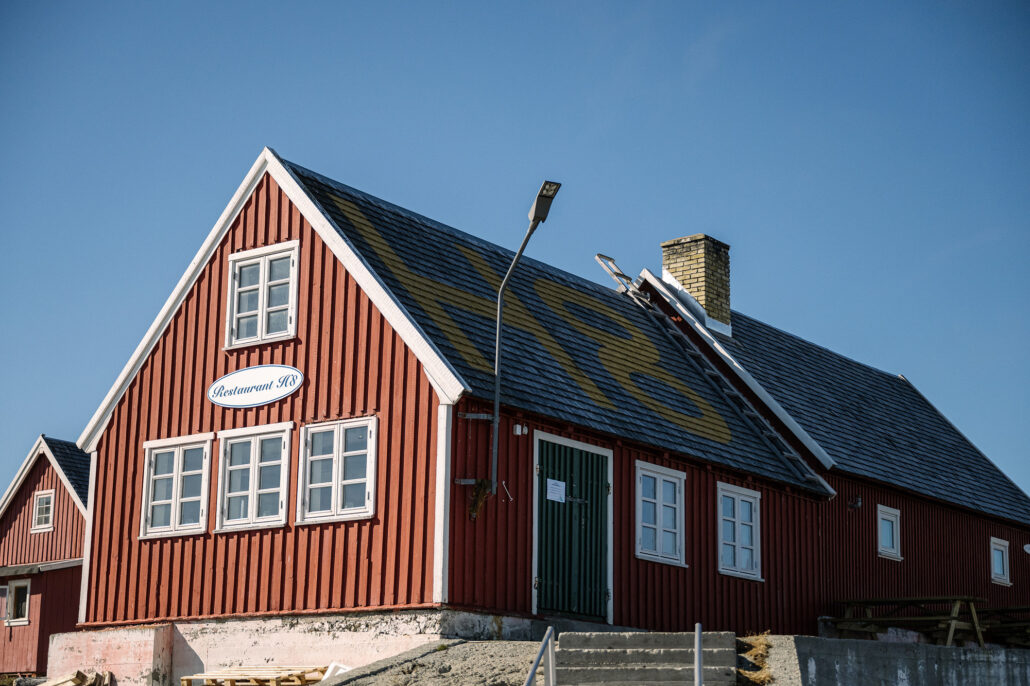
It’s called H8, and the name is the best kind of story. During the Second World War the Americans painted code letters and numbers on prominent rooftops across Greenland so their pilots could navigate from the air. The building that’s now the restaurant was marked H8. A century-old timber warehouse, built in the 1890s for the Royal Greenlandic Trade, once a navigation aid read from the sky, now a dining room read from a boat.
We have a soft spot for buildings that were once instructions to people passing overhead. Half of Copenhagen’s old harbour, where this whole trip began, was painted bright for exactly the same reason.
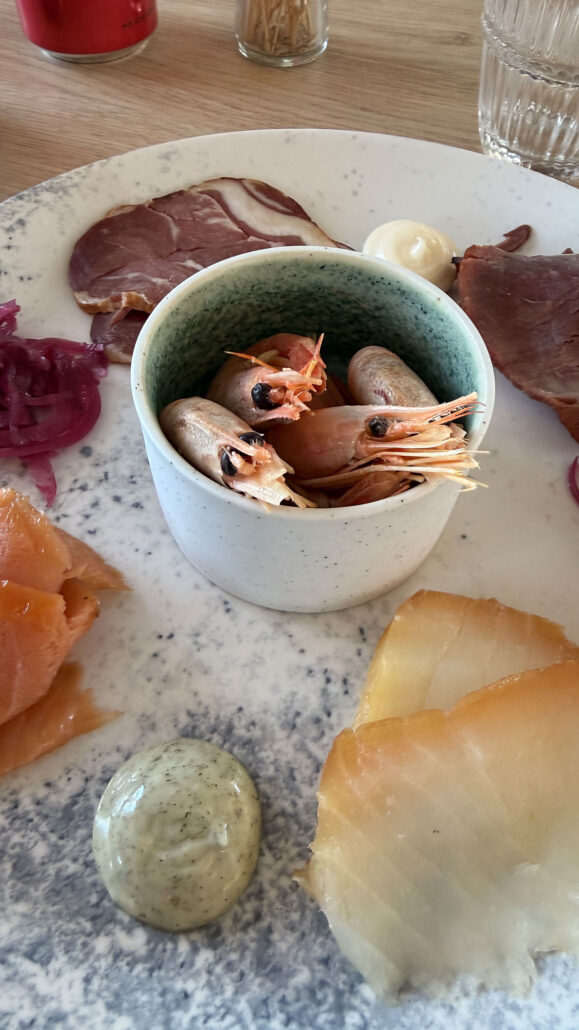
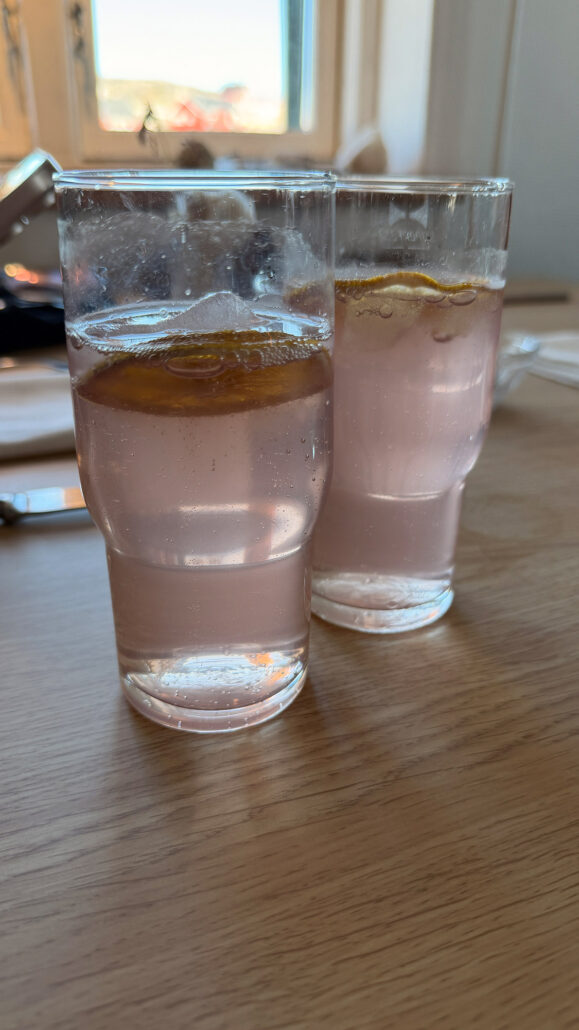
The food is what the bay and the backcountry provide, served without fuss and without apology. A cold platter, bread and butter and an assortment that on another menu would read as a dare and here reads as Tuesday: musk ox, halibut, shrimp tossed with local berries. The kind of dish that takes a remote kitchen a long time, musk ox with crowberry. They brew their own beer. The coffee at the end arrives with a quiet local generosity that we will not describe in detail except to say Tracey ordered a second. Greenlandic gin for us all.
Once you understand that everything on the plate and every drop of water in the kitchen arrived by boat or was carried up from a water station by hand, the only reasonable response to the bill is gratitude. You are not paying for lunch. You are paying for the fact that lunch is possible here at all, and that it’s this good.
The thank-you at the dock
The ride home was as lively as the ride out, the bay still in its mood, and the light had changed again by the time we came back across it. The conversation on the boat was already half debrief and half something quieter, because this was the end of four days with a person who’d shown us his beautiful working world.
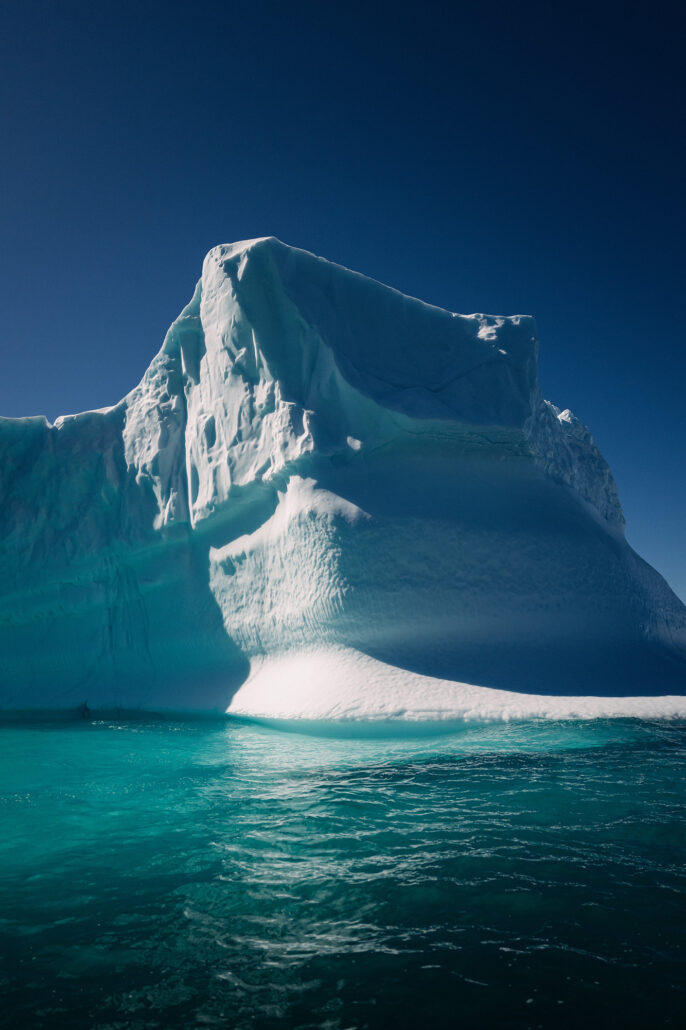
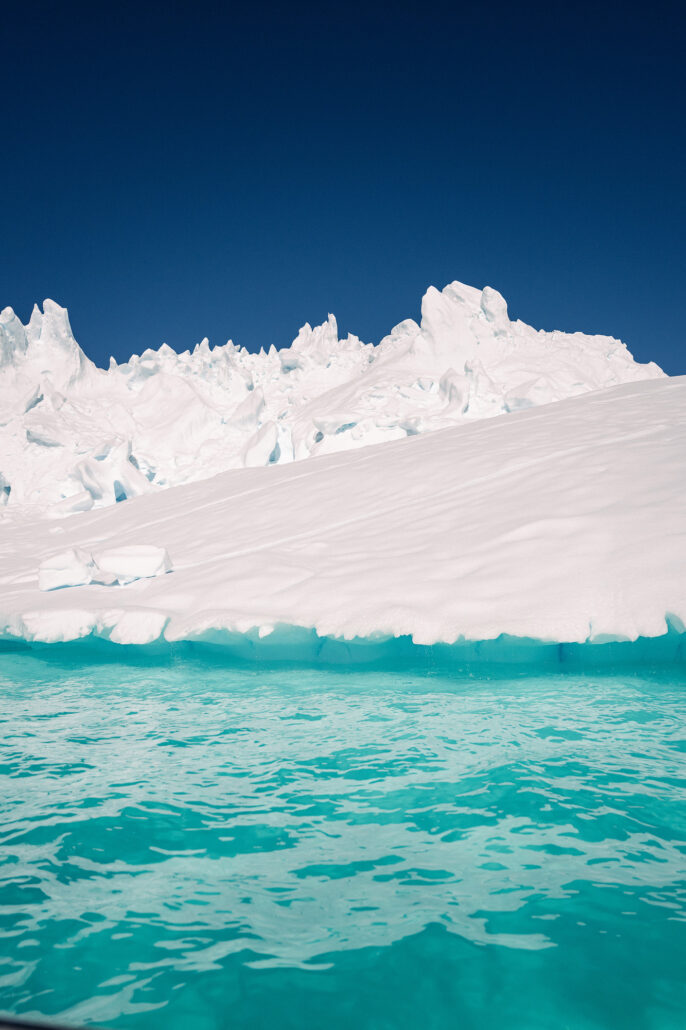
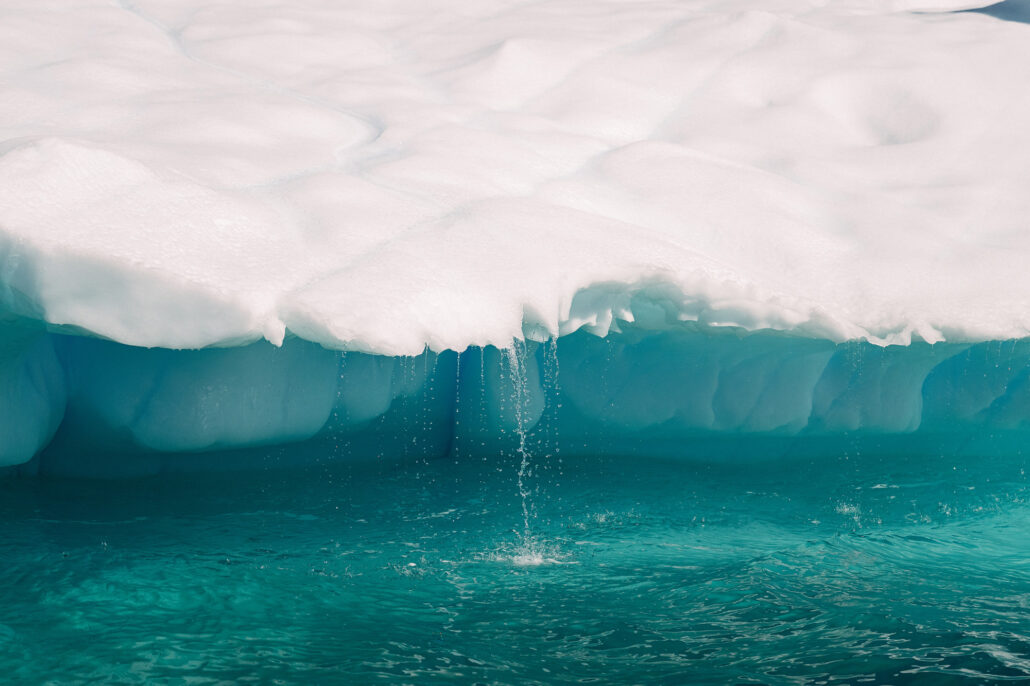
We’re not good at goodbyes, professionally or personally, so we kept it short at the dock. A hug. The kind of thank-you that both people understand is doing more work than its size suggests.
He’d given us a spectacular few days, three nights running, and then, as a sort of encore, a fourth day in the plain blue ordinary daylight, whales and a settlement named for cormorants and a meal in a building that pilots once used to find their way home. We came to Greenland for the ice. But we fell in love with the people who live alongside it, and who let us, for four days, pretend we did too.
The fog’s encore
The day was supposed to end in the air. An evening air safari over the icefjord, the one aerial look at the thing we’d spent four days circling by boat. Then the phone rang, and it was Mia, the pilot, with the best cancellation call we’ve ever received. Dee, she said. Have you looked outside the window.
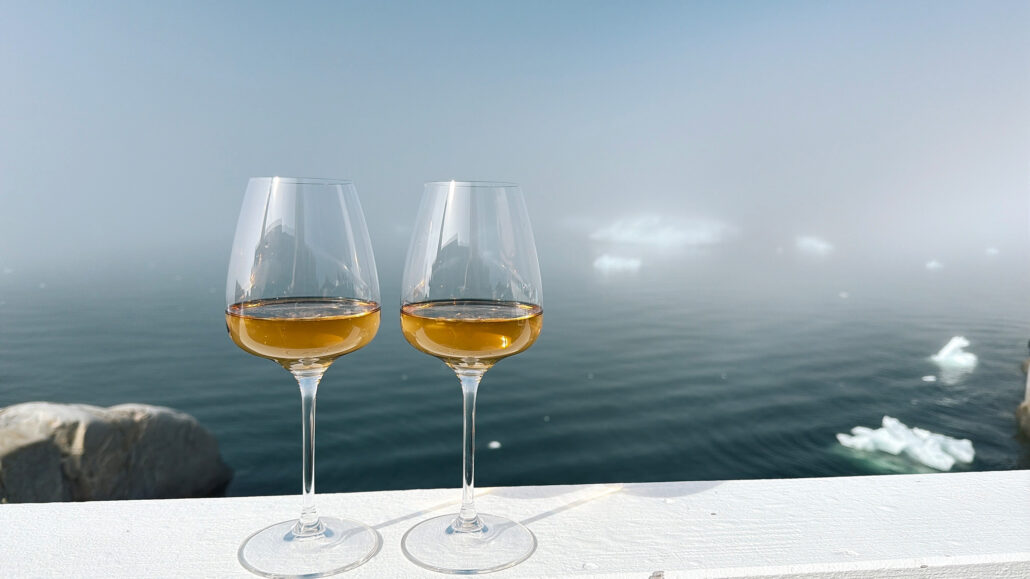
We looked outside the window. Far out over the bay, the fog was coming back, a low white wall with the whole horizon in its pocket. It looked a long way off. It was moving like it had somewhere to be. Distances lie constantly up here, the scale of everything defeats the eye, and inside the hour the flight was gone and so was the bay.
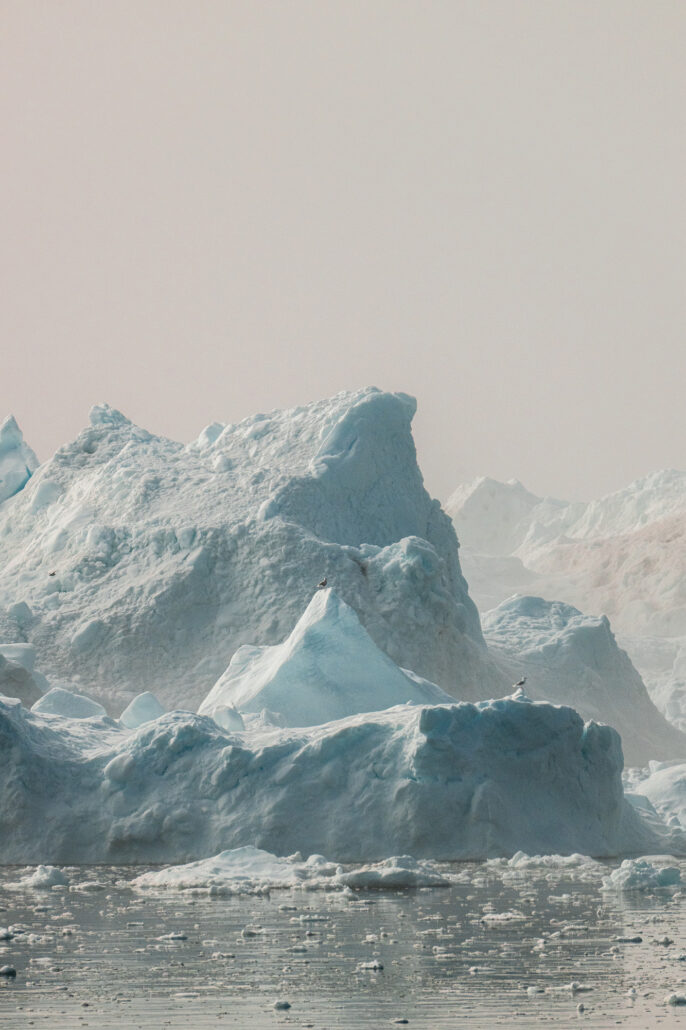
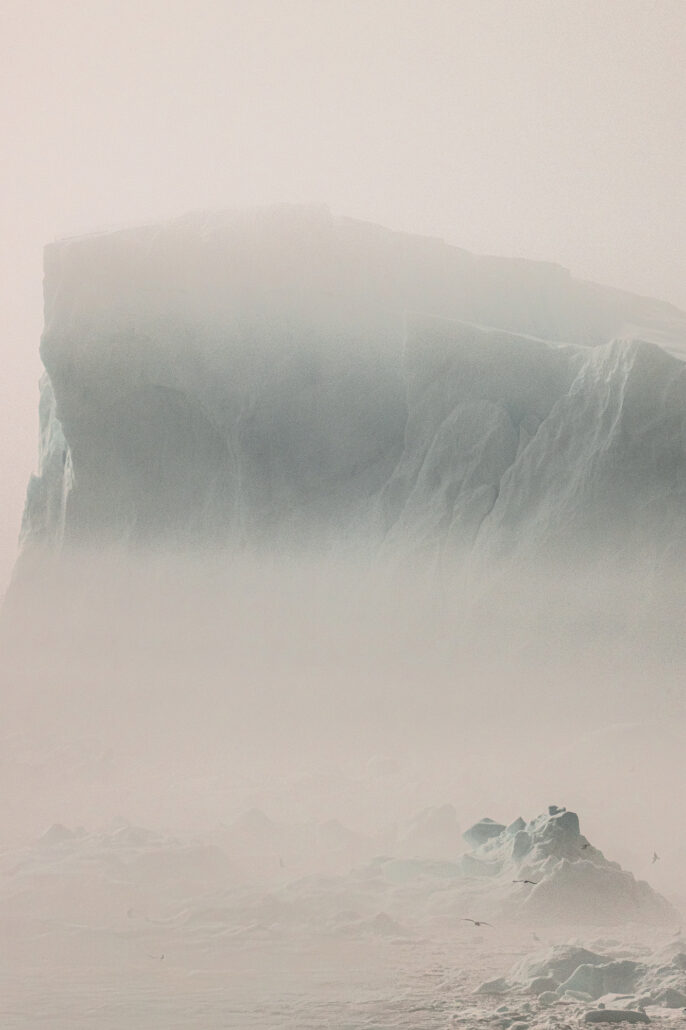
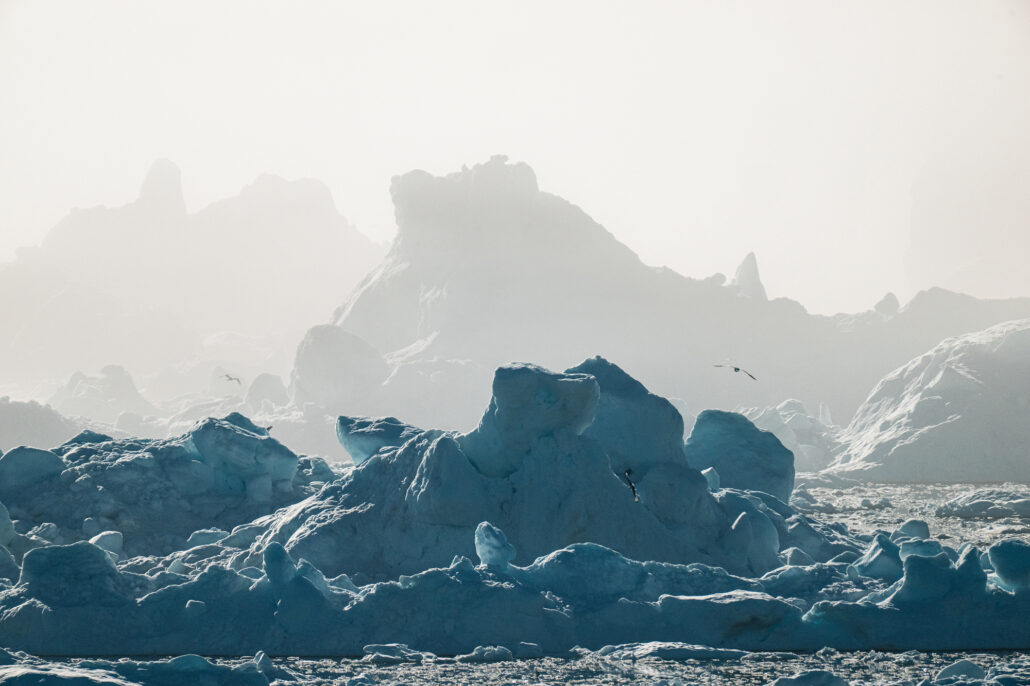
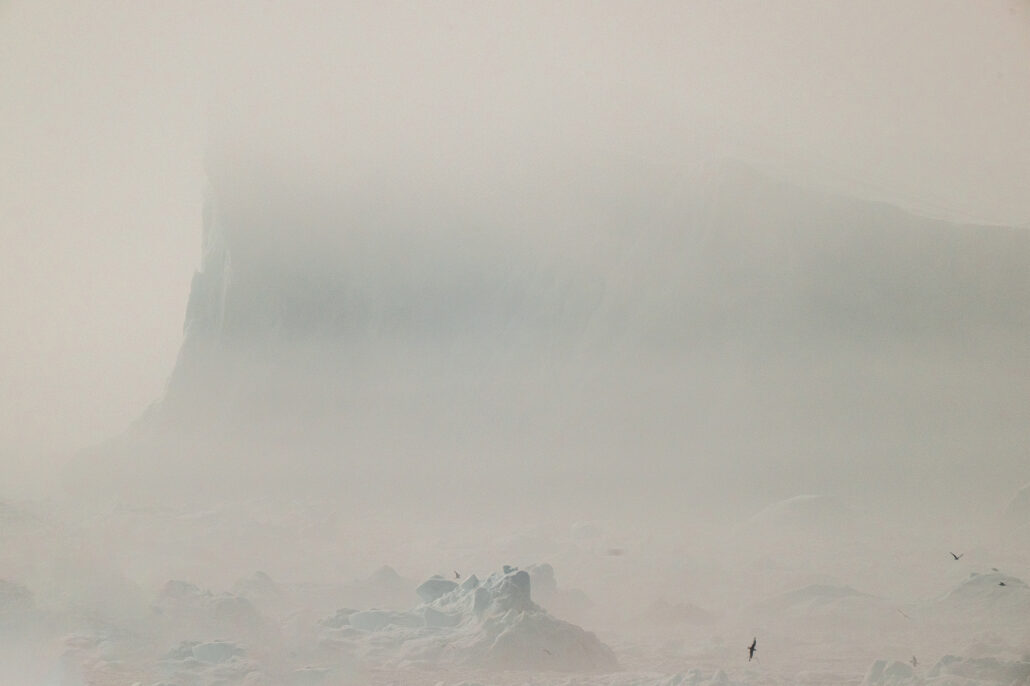
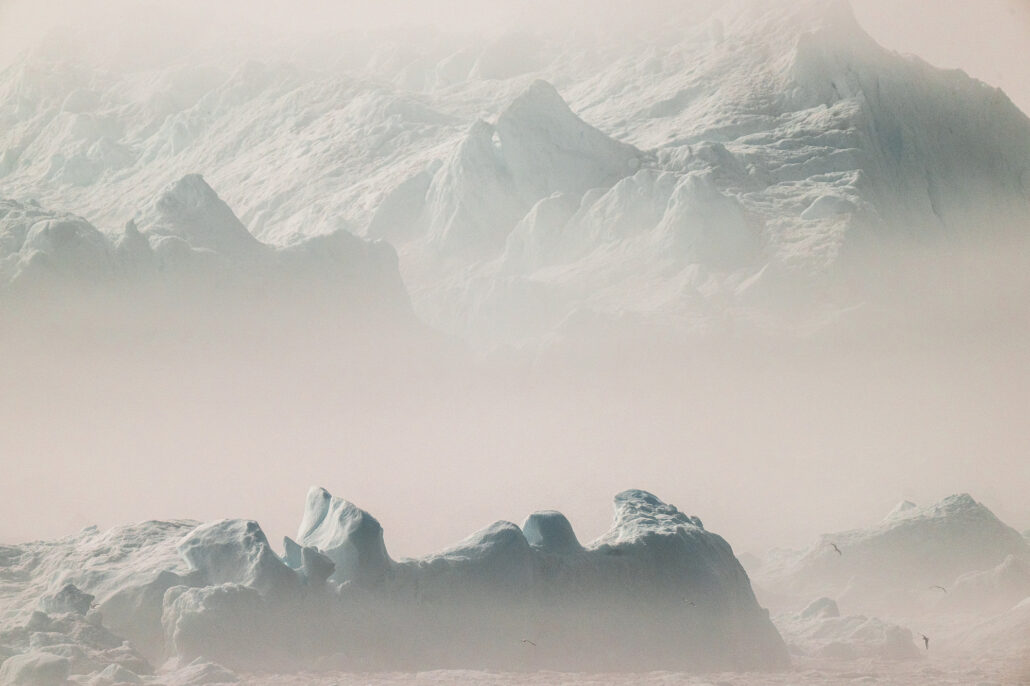
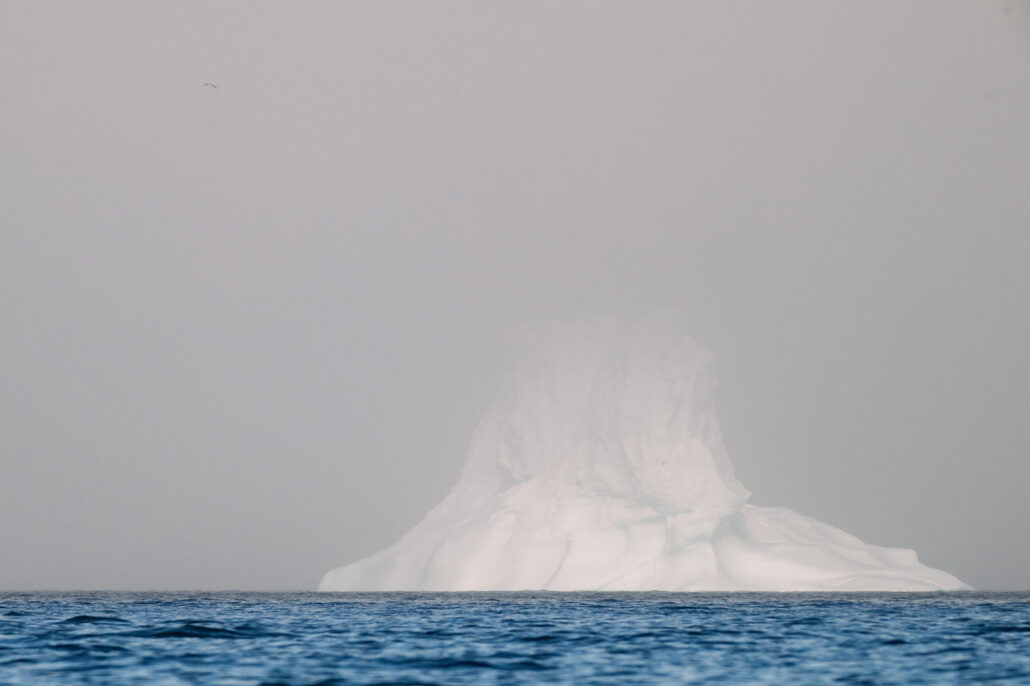
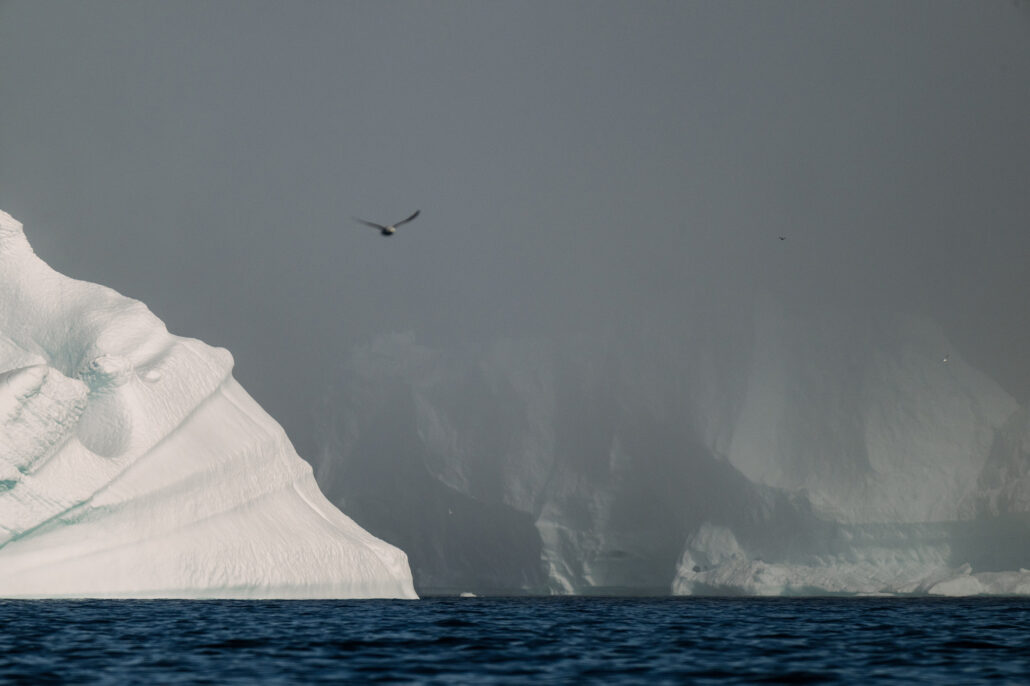
And then Greenland did the thing it had been doing all week, which is hand over something better than the plan. The fog came across the water in layers, the last bergs stood inside it like rumours again, the light went strange and silver, and some of our favourite frames of the entire trip happened right there, from our own balcony at the Hotel Icefjord. We didn’t even have to leave the hotel.
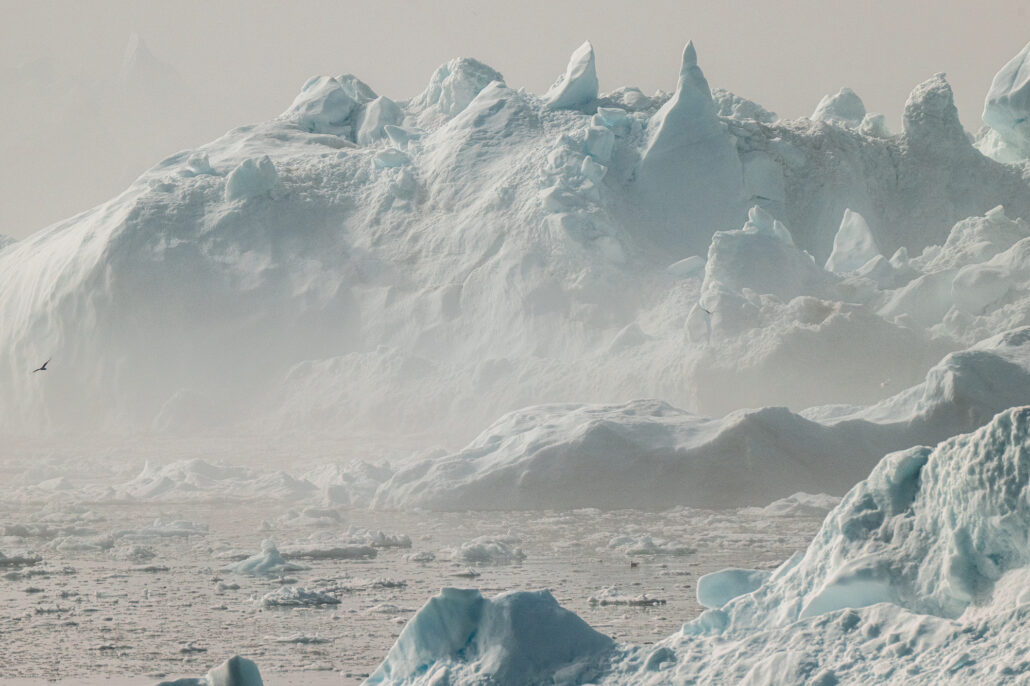
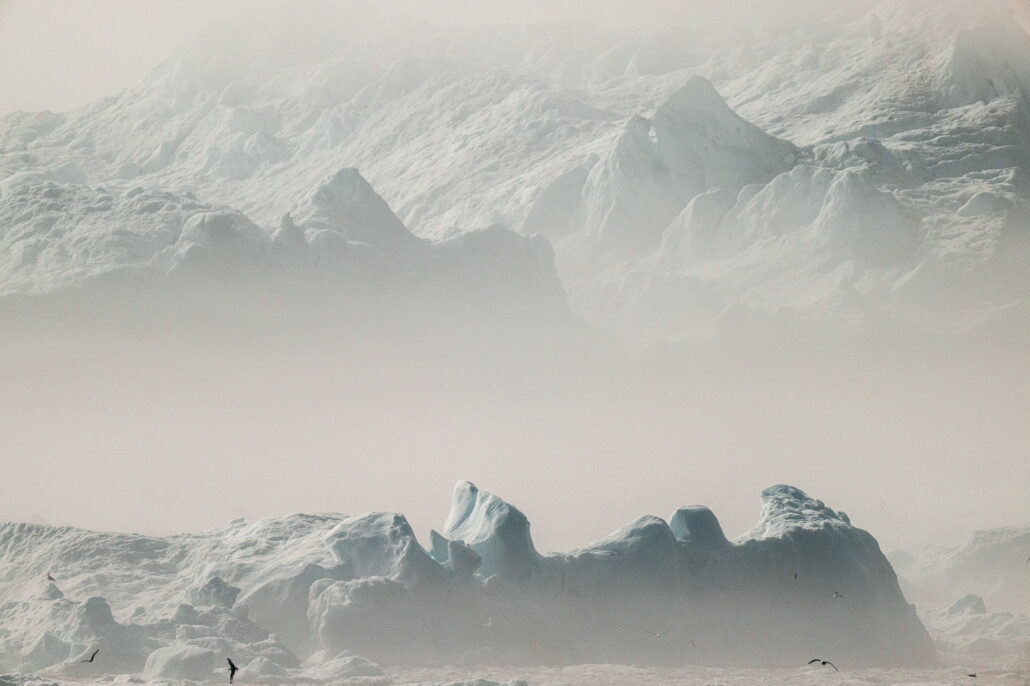
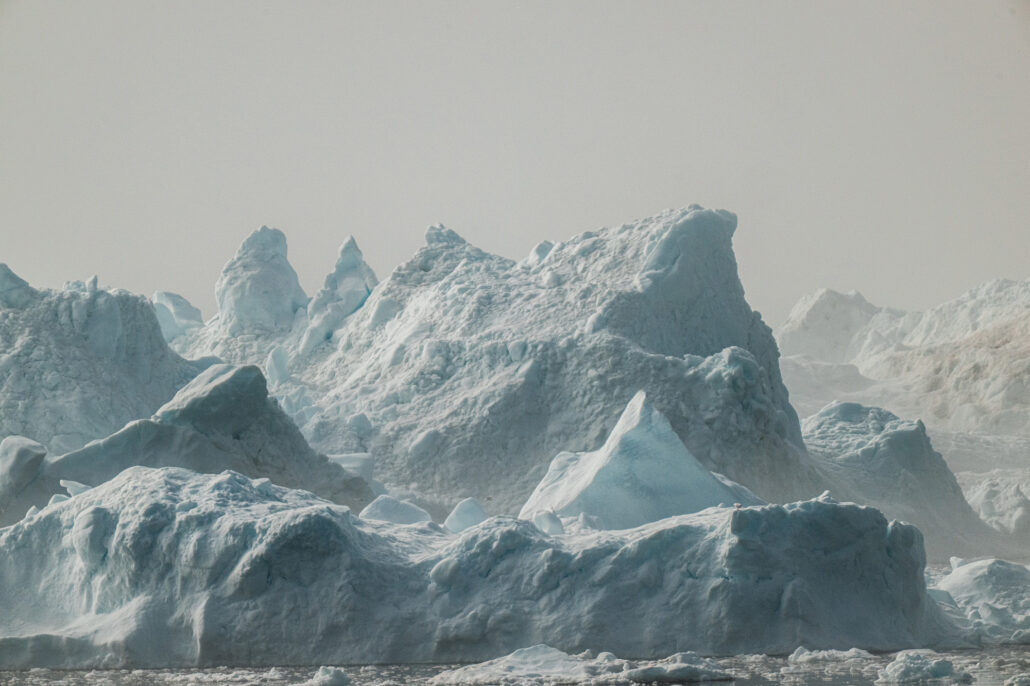
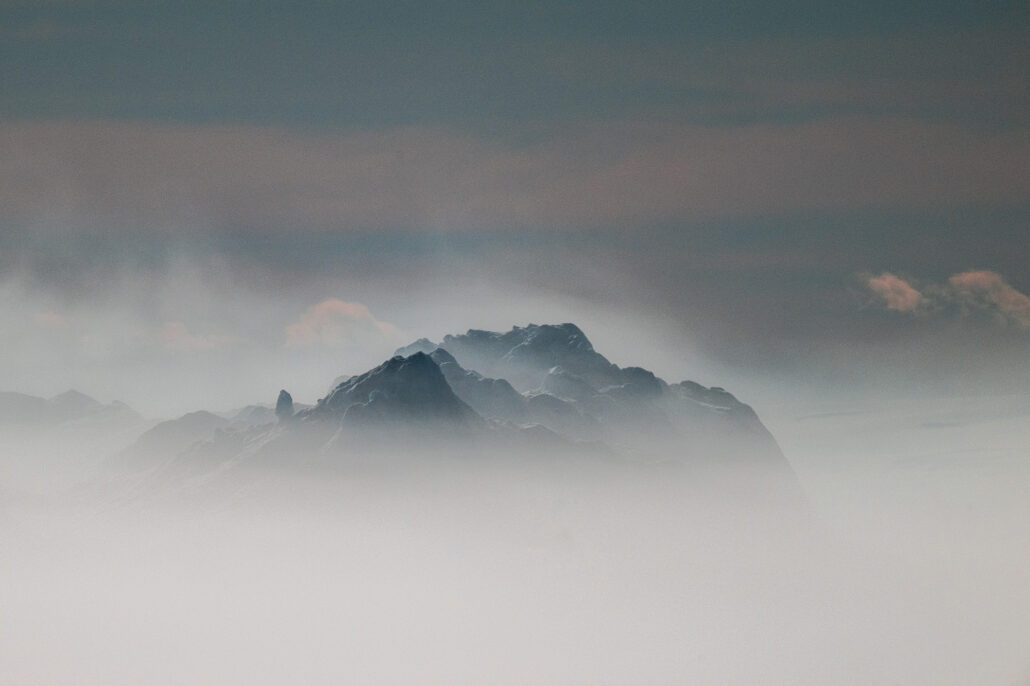
The air safari will keep, for some other day. Or if we’re lucky, perhaps for some other year. The fog had already given us one of the great nights of our lives this week. On our last evening in town, it came back like it knew. We’d started these four days learning that nobody orders the light up here. The bay spent our final night making sure the lesson stuck.