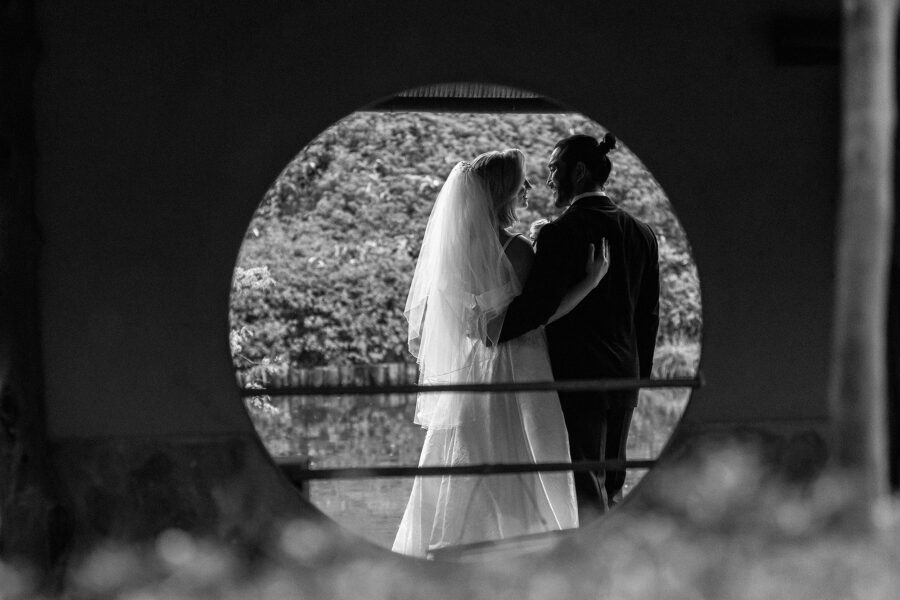
Traditional Japanese houses have a strip of polished wood running along their outer edge, between the rooms and the garden. It’s called the engawa. It belongs entirely to neither the house nor the outdoors. In summer it’s where you sit with your feet over the moss. In winter it’s where the low sun comes in. Nobody lives on it, and everybody passes through it.
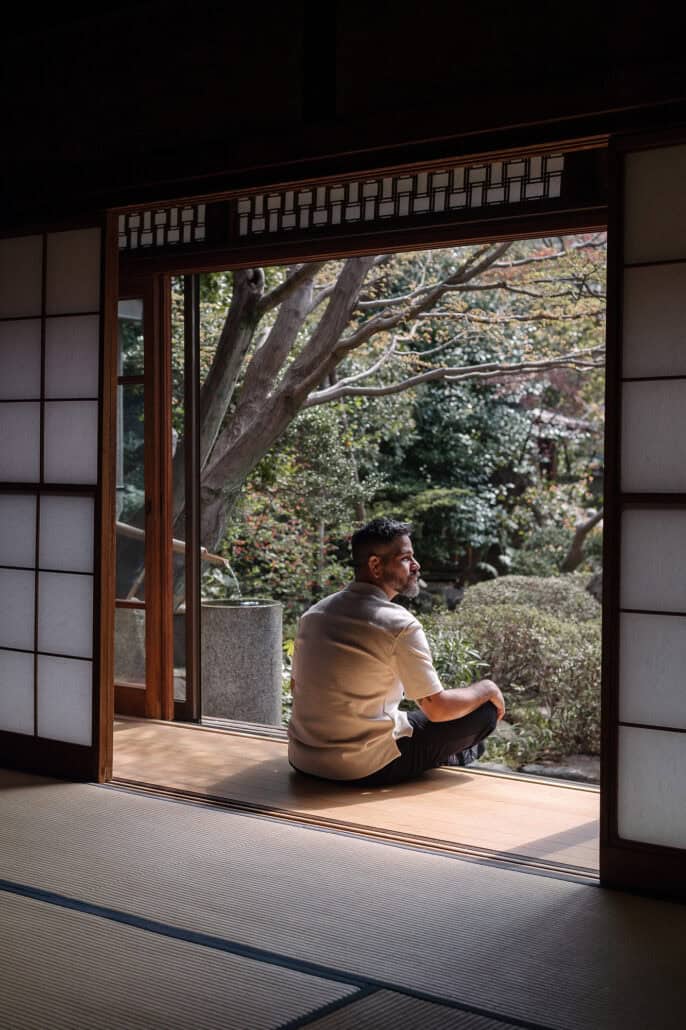
The word is built on a single character, 縁, read en, and the Japanese concept of en holds two meanings that seem to have nothing to do with one another: the edge or rim of a thing, and the connection between people. The same character names the veranda and the bond, as if the language had quietly decided that a connection is a kind of edge, the place where two separate things meet.
Seeds, Soil and Rain
Its sense of connection came into Japanese through Buddhism, as a translation of the Sanskrit pratyaya. In Buddhist thought, nothing happens from a single cause. In the word innen, the in is the direct cause, and the en is everything else that has to be present for it to come to anything. A seed is the cause. The soil, the rain and the season are the en.
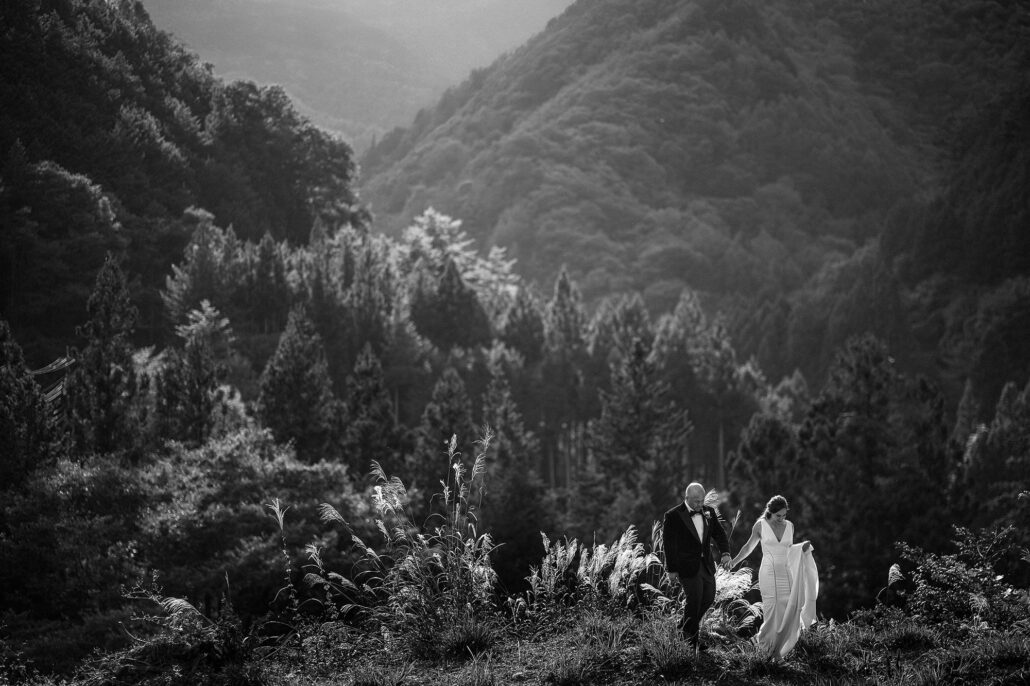
It’s a humbling way to look at a life. Very little of what matters to us happened because we willed it. Most of it needed the right conditions, the right people within reach, and a great deal we never noticed at the time.
Very little of what matters to us happened because we willed it.
Sleeves Brushing on a Road
Japanese has an old saying for exactly that: sode furiau mo tashō no en. Even brushing sleeves with a stranger on the road comes from en formed in a former life. The thought behind it is Buddhist, and the saying is still used of chance meetings that turn into something.
In everyday Japanese, en turns up constantly. A business relationship begins because there was go-en (ご縁), the polite form of the word. A company turning down a job applicant will write, with great courtesy, that this time there was no en. It frames the outcome as something larger than either side’s intentions, which is a considerably kinder way to hear no.
The Month the Gods Meet in Izumo
By the old lunar calendar, Japan’s gods are said to leave their villages every autumn and travel to Izumo Taisha, on the coast of the Sea of Japan. In most of the country the tenth month was called Kannazuki, the month without gods. In Izumo it’s Kamiarizuki, the month with gods. Many scholars think the name more likely meant “the month of the gods” all along, and that the story came afterwards, which has never stopped anyone from telling it.
The gods arrive at night on Inasa beach, where priests light fires to welcome them, and for a week they sit in council deciding en, the ties that will bind people in the year ahead. It’s why Izumo Taisha is the country’s best-known shrine for en-musubi (縁結び), the tying of en. In 2026 they arrive on the evening of 18 November. The shrine is careful to say that the en it means isn’t only between couples. It’s the precious ties that allow all living things to flourish together.
The Thread on the Little Finger
Japan’s most romantic image of en came from China. A Tang dynasty tale tells of an old man reading by moonlight who carries a red cord, and uses it to bind the ankles of people destined to marry. In Japan the cord wandered. In a 1933 story by Dazai Osamu, it’s tied to the little toe. Today almost everyone pictures it on the little finger, though nobody can say exactly when it climbed there.
The red thread is the tidy version of en. The untidy one is how two people actually meet: a job one of them nearly turned down, a friend who insisted, a seat that happened to be free. Take away any one of them and the meeting never happens. How far back can you trace yours?
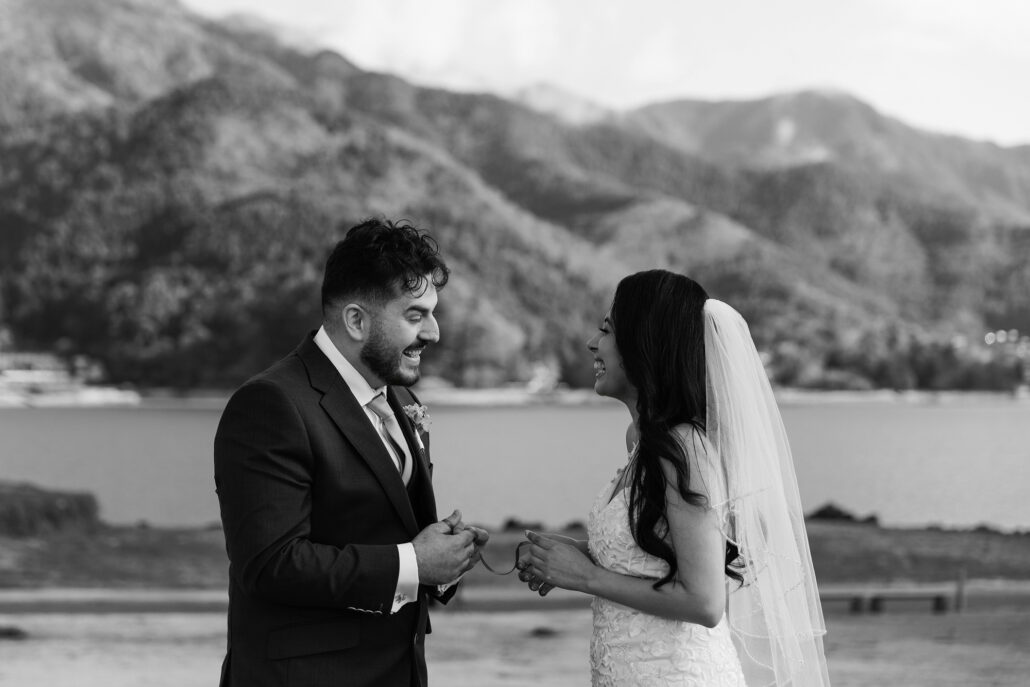
What En Means at a Wedding
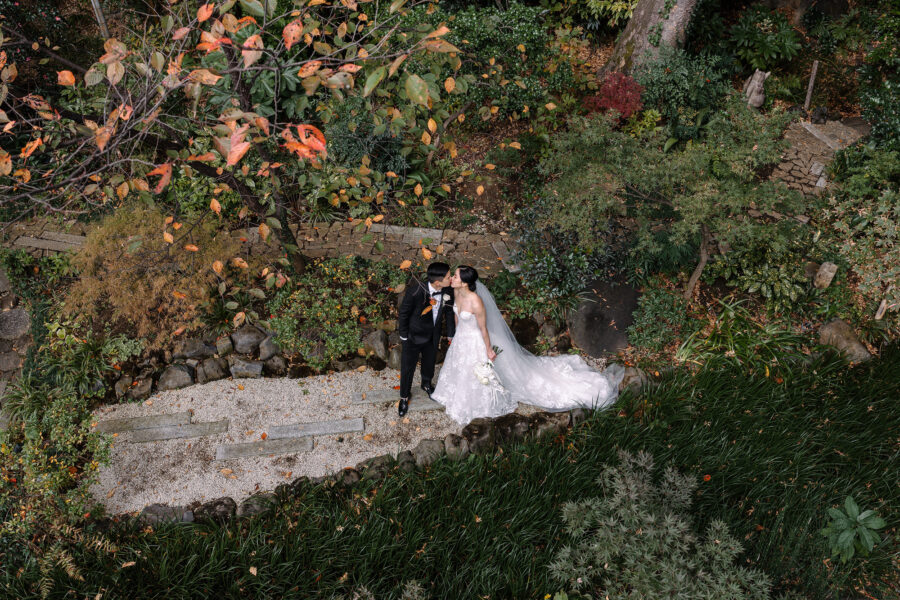
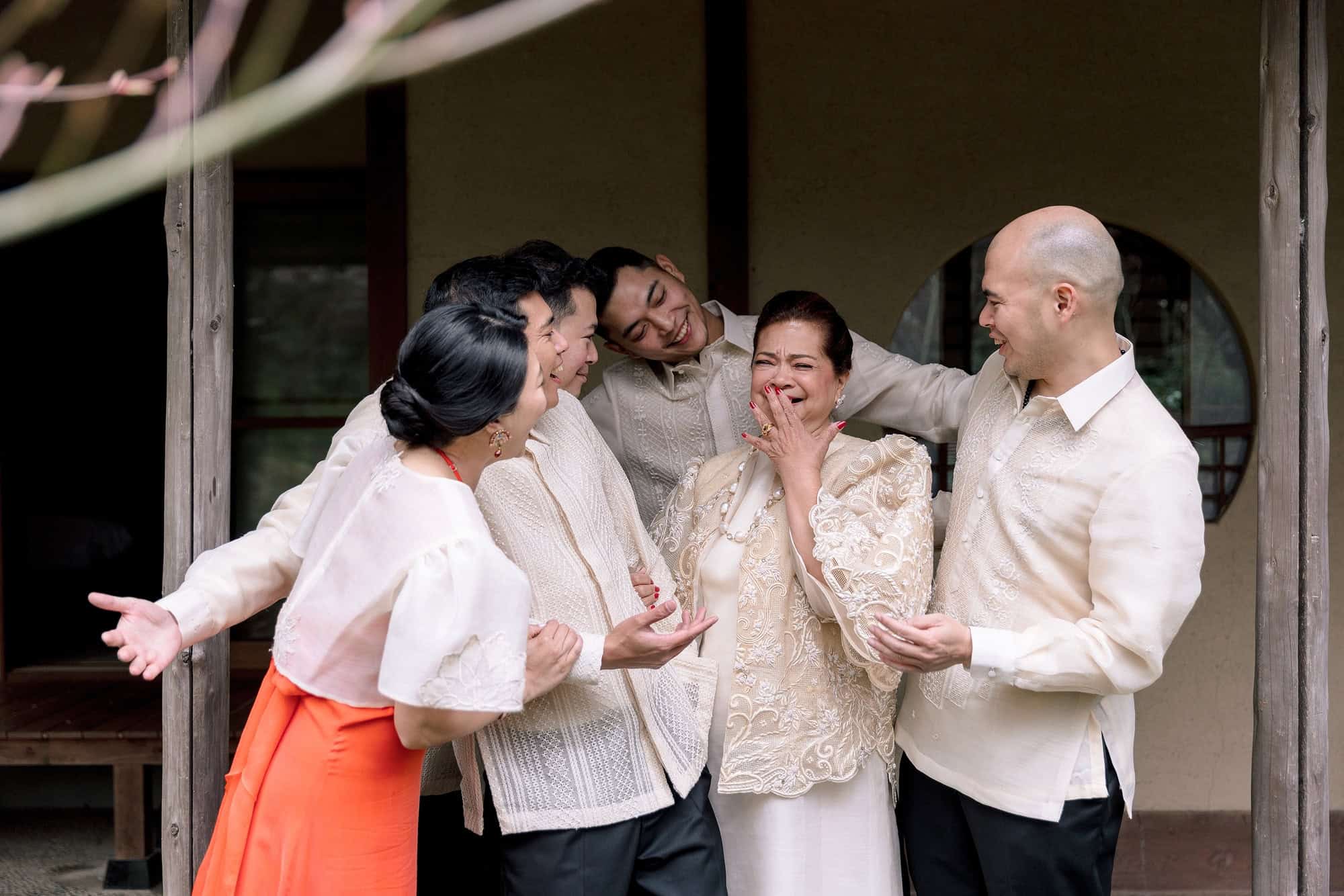
A wedding gathers a couple’s en in one place, down to the friend who once introduced them. Sleeves brushed on a road, every one of them, and here they all are in their good clothes.
Sleeves brushed on a road, every one of them, and here they all are in their good clothes.
At a destination wedding, something else happens. Guests arrive from different parts of a couple’s life as strangers to one another. By the second evening the edges have begun to meet. Two families who had only ever exchanged emails are opening a sake cask together. Someone’s university friends have adopted someone else’s cousins.
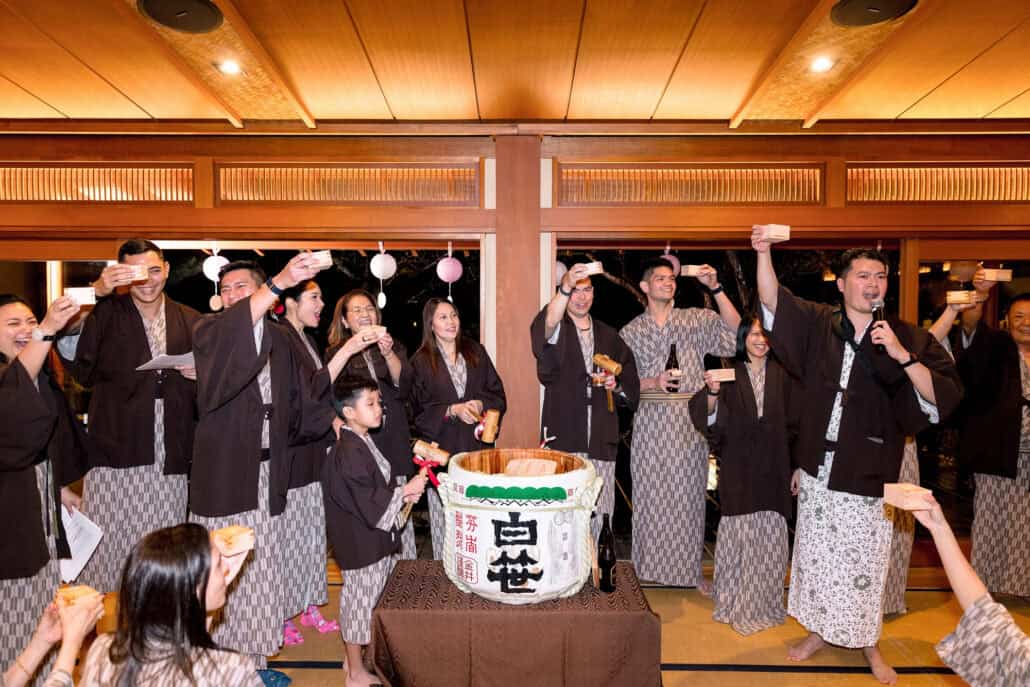
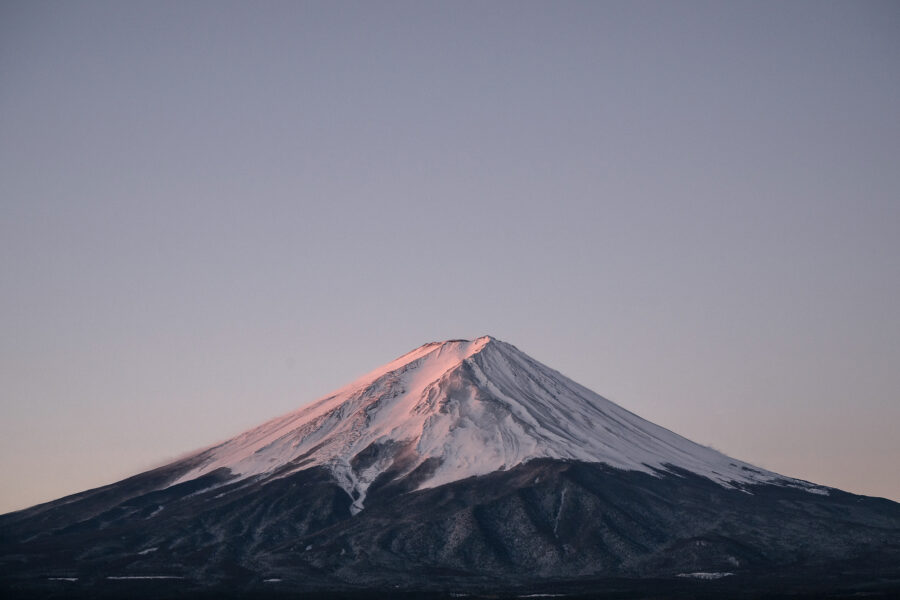
New en, made in a few days, and some of it outlasts the wedding by years. Two guests at a wedding we planned in Tokyo later came to us for their own, in Korea. The same wedding led to more than one proposal, one of them at Mt Fuji. In Japan, that’s go-en.
The couple is the cause. Everything else that has to be present is the en, and that’s the part we plan. It’s why we build weddings over more than one day. A welcome dinner means the people watching the vows already know each other’s names.
The Edge Where People Meet
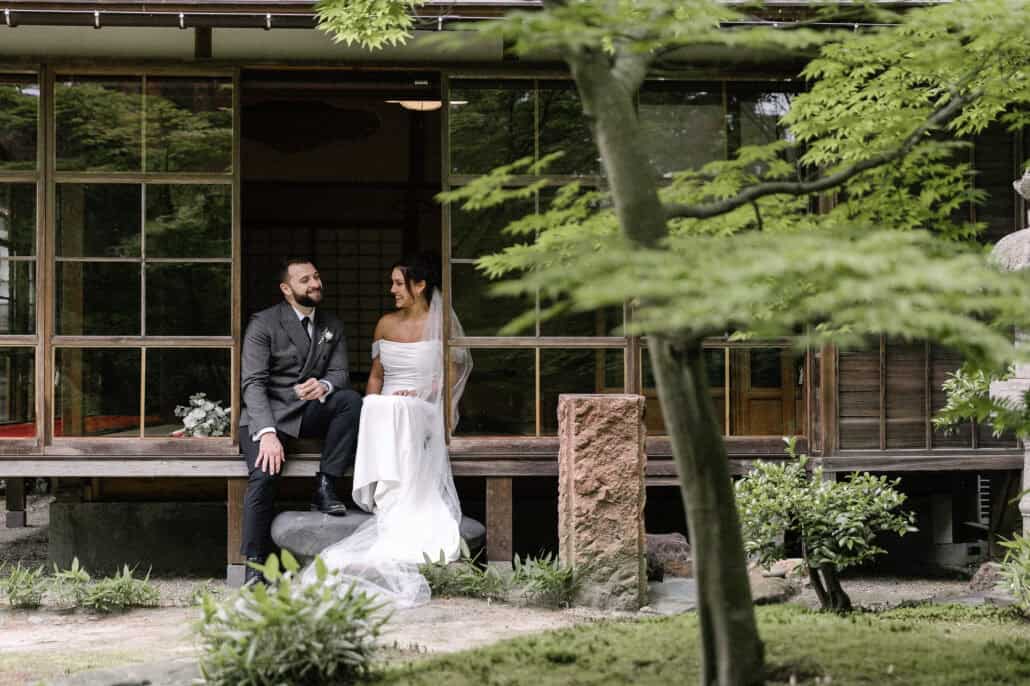
The engawa works because it belongs to both sides at once. It’s where the house opens to the garden, and where people sit side by side, looking out at the same thing.
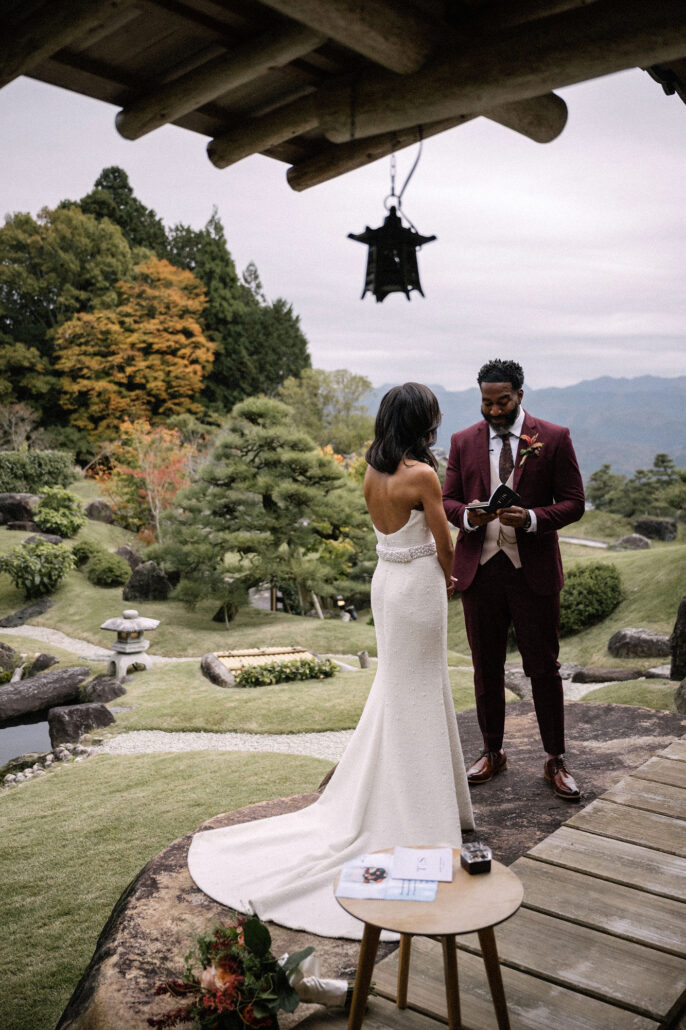
Only the gods at Izumo get to decide en. What we can build is the edge where it happens, made carefully enough that everyone wants to stay there a while.
More from our Japanese word series: yūgen, the feeling beneath the feeling; omotenashi, hospitality that anticipates; wa, harmony; and mono no aware, being moved by things that pass.