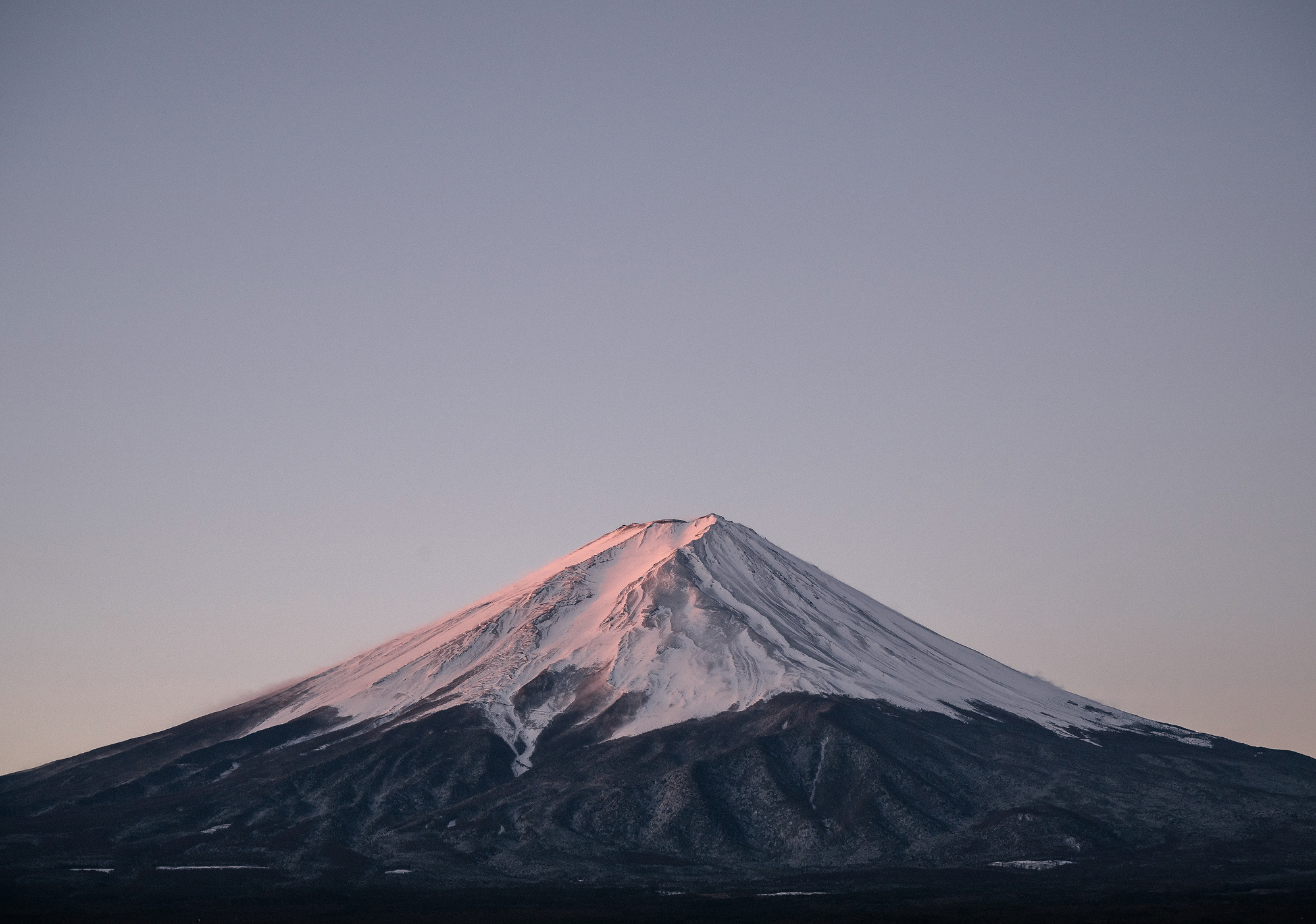
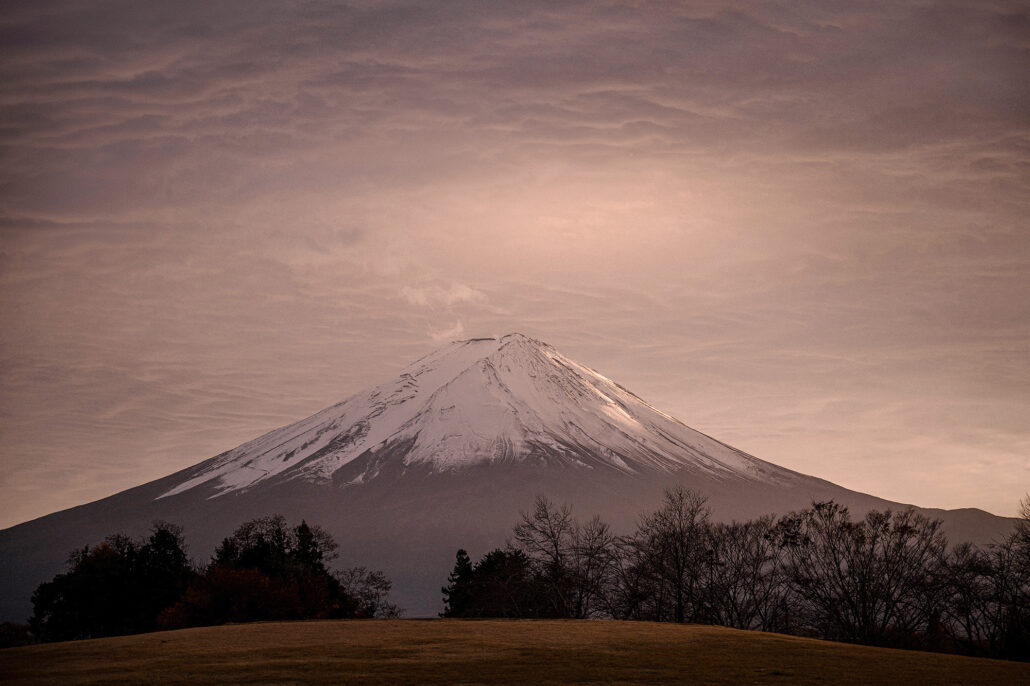
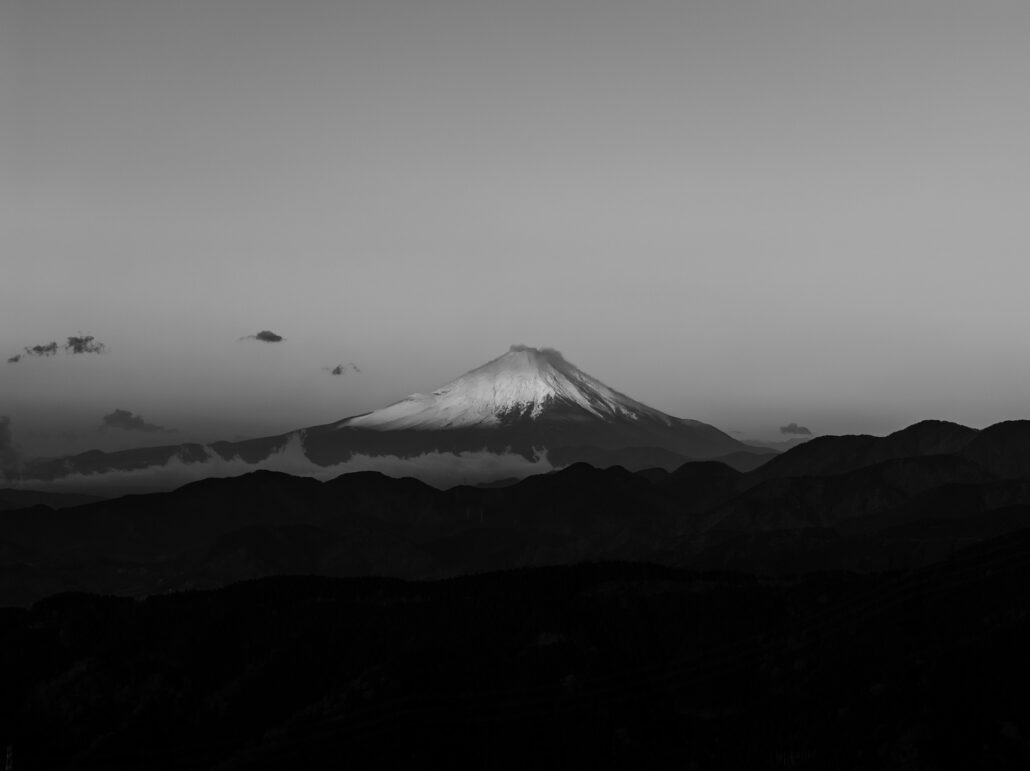
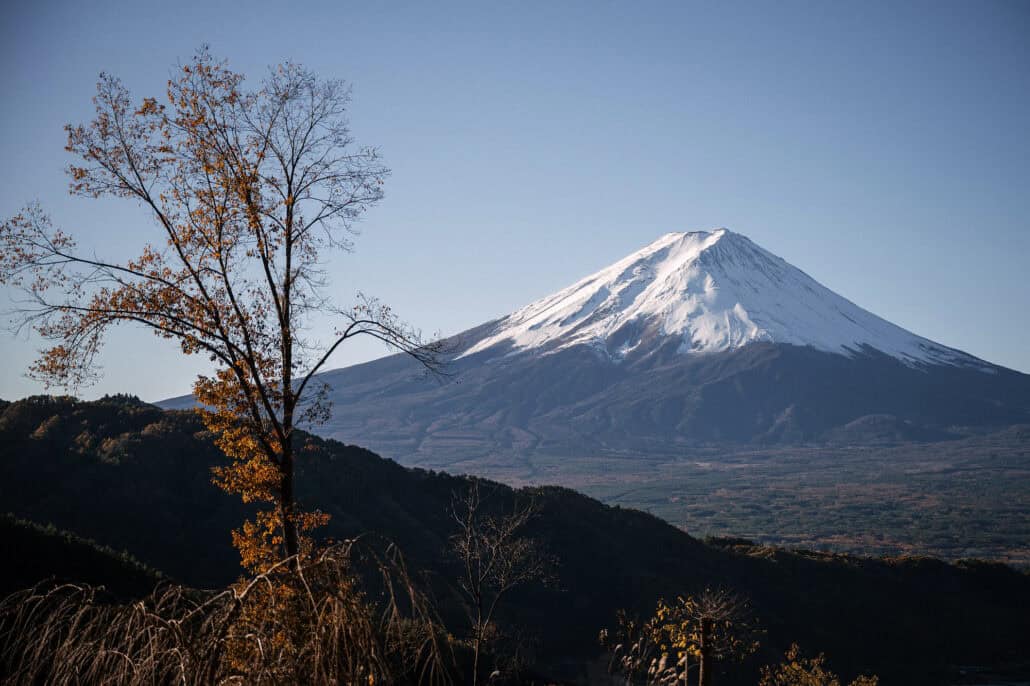
Yesterday morning, Mt Fuji had its first snow of the season.
We’d been waiting for it, as we do every autumn, and this year it felt late. For days we’d been asking each other whether it had come. We first saw Fuji more than twenty years ago, and she has been part of our working landscape every year since. We still catch our breath when she comes out of the cloud, and we still can’t take our eyes off her. Ask Dee about her first sight of Fuji and she can’t pick it out from all the times since.
Fuji is one of the great joys of our life, and now and then one of its stresses, because she has never once asked what we had planned. We’d like to celebrate the first white on her summit with the people who watched for it long before us, from the top and from below.
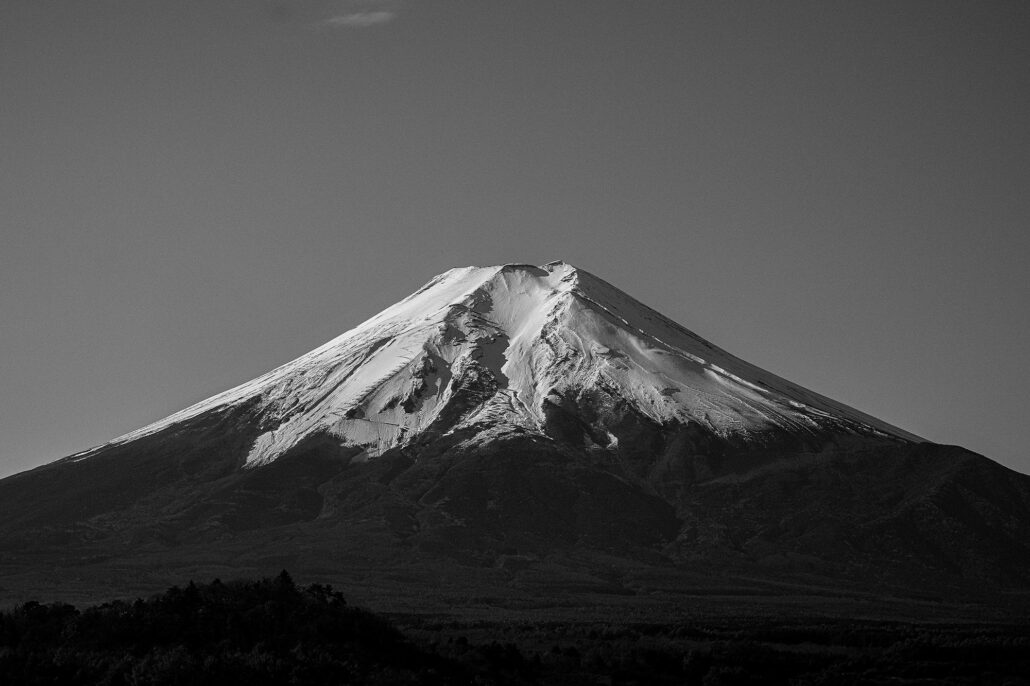
A Couple on Fuji’s Summit
In the summer of 1895, a young man named Nonaka Itaru built a hut on the highest point of Mt Fuji, at his own expense. On 1 October he began taking the weather there, alone, twelve times a day.
In the middle of October, his wife Chiyoko climbed the mountain to join him. She hadn’t told him she was coming.
They kept the readings together into the winter. Both fell ill. In December, a meteorologist from the Central Meteorological Observatory led a relief party up to the hut and talked them down, and on 22 December, nearly twelve weeks after the first reading, they left the summit. What they had shown was that people could live up there through the cold, if the supplies held.
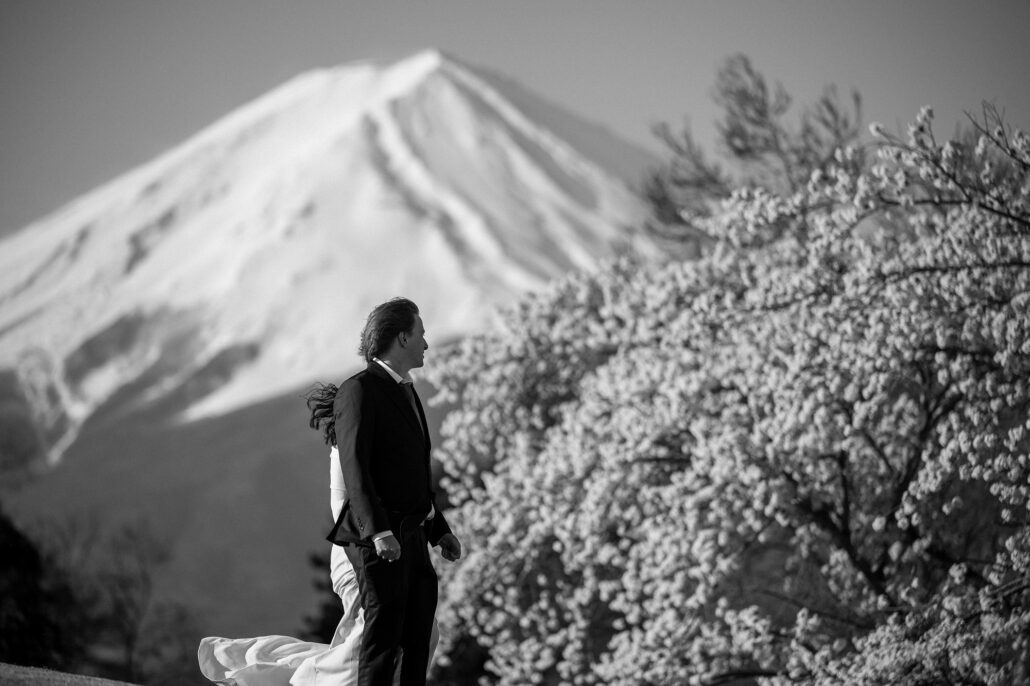
Mt Fuji’s First Snow, Seen From Below
The year before, a new weather station had opened in Kofu, about forty kilometres to the north, and begun its own watch on the mountain from below. Its first entry for Fuji’s first snow is dated 22 September 1894.
The rule it worked by is written into the observatory’s own notices: snow on the summit counts when it can be seen from below. Not when it falls. When someone in Kofu sees it.
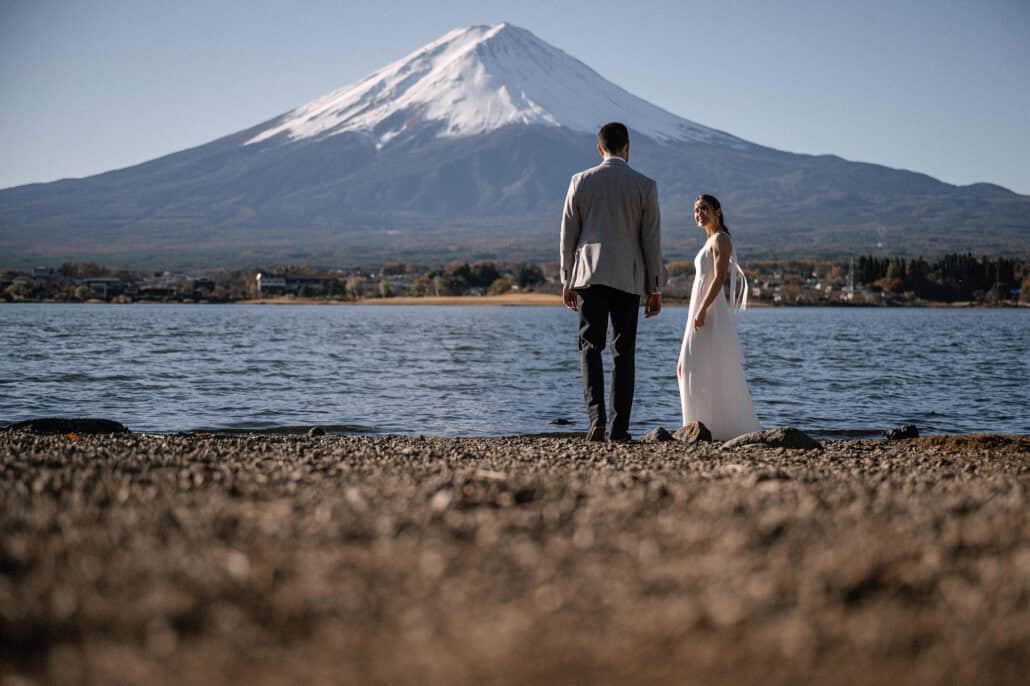
Someone went on seeing it for 132 years. In recent autumns the staff watched through a telescope, and on cloudy nights, it’s said, waited on the roof in the cold for the summit to show. The station moved twice.
In 1945 an air raid burned it to the ground. The record still has an entry for 28 September that year.
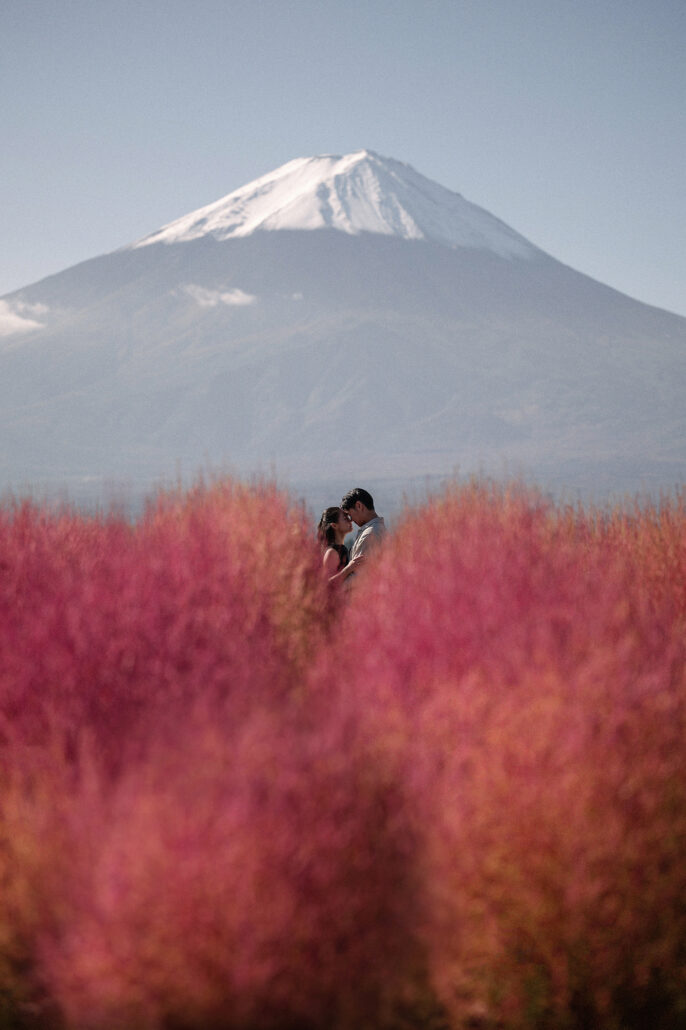
On Fuji there was a second condition: snow counted only once the summit had passed its hottest day of the year. In 2021, Kofu saw white on 7 September. Then, on 20 September, the summit set a new high for the summer, and the snow was struck from the record. The first snow that year became 26 September.
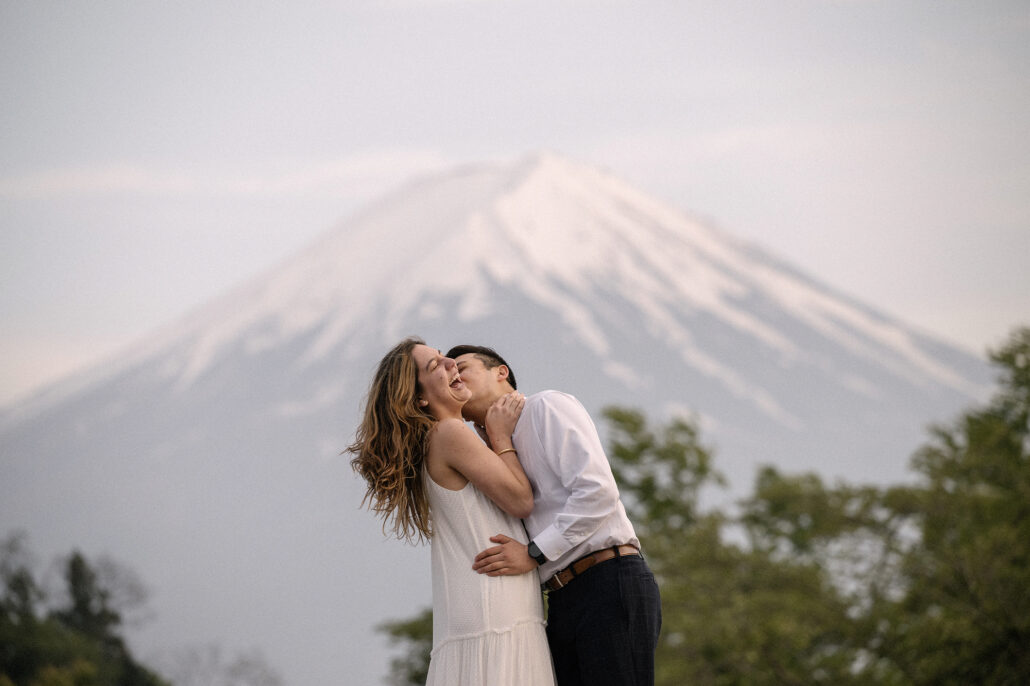
Fujiyoshida, the city at the mountain’s north foot, has kept its own count by eye since 2006. It calls the moment hatsuyuki-geshō, the mountain’s first make-up of snow, and in 2016 it saw white on 25 September, a full month before Kofu did. Have you seen Fuji from the window of the Shinkansen? That was the Shizuoka side, a face the record never counted.
For 132 years, Mt Fuji’s first snow counted only when someone in Kofu could see it.
The Mountain That Doesn’t Know the Season
None of this would have surprised the poets. In the eighth century, Yamabe no Akahito came out from Tago Bay into the open, looked up, and saw that snow had fallen on Fuji’s high peak, pure white. In his longer poem the snow there falls out of season, at any time, and the poem ends with a promise to hand the story on, and go on handing it on. In the Tales of Ise, a traveller on the road east sees Fuji white in early summer and calls it the mountain that doesn’t know the season. A mountain like that needed a rule, and a person to apply it.
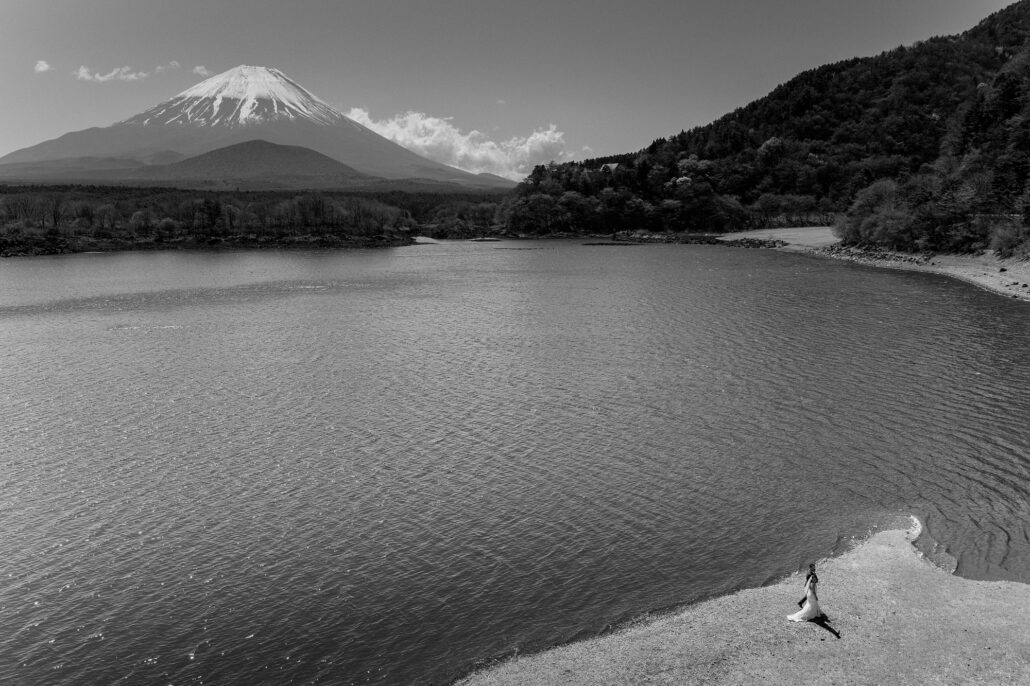
This autumn, for the first time since 1894, no one in Kofu is watching for Fuji’s first snow. From this season the Japan Meteorological Agency reads first snow from what it calls analysed snow depth: radar, satellites and ground gauges, worked into an hourly estimate on a grid of roughly five-kilometre squares. It can see through cloud and in the dark. Kofu’s statistics page marks the old series as closed, and the agency asks that the new dates not be compared with the old. Fujiyoshida will go on looking anyway.
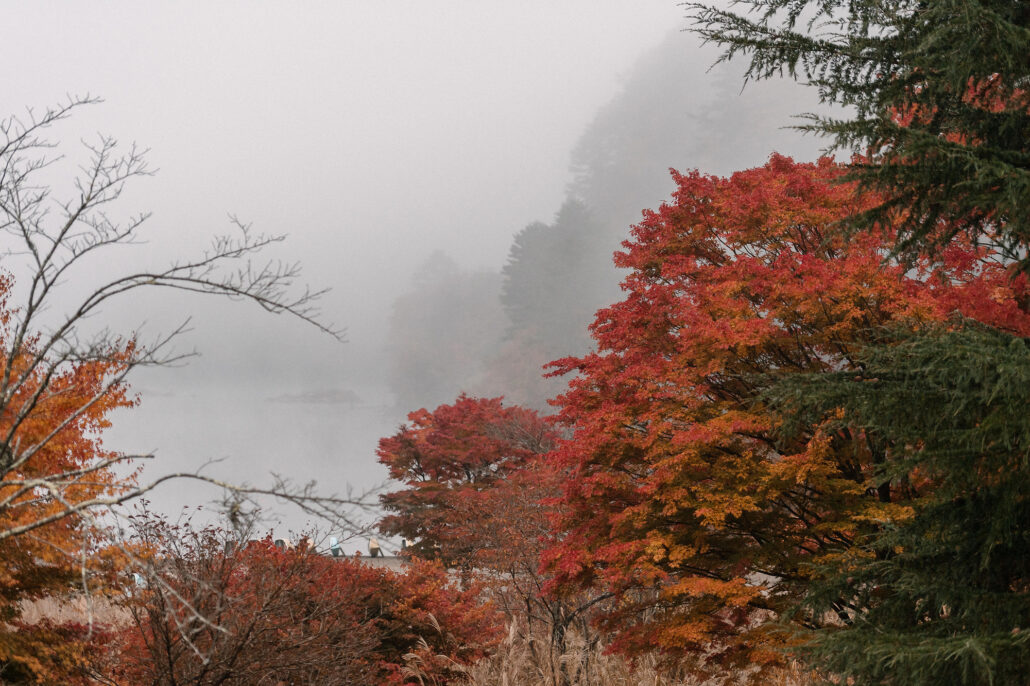
This year the grid counted Fuji’s first snow on 30 October. By then, 24 mountains across Japan had theirs. Fujiyoshida went on looking, and declared its hatsuyuki-geshō the same day.
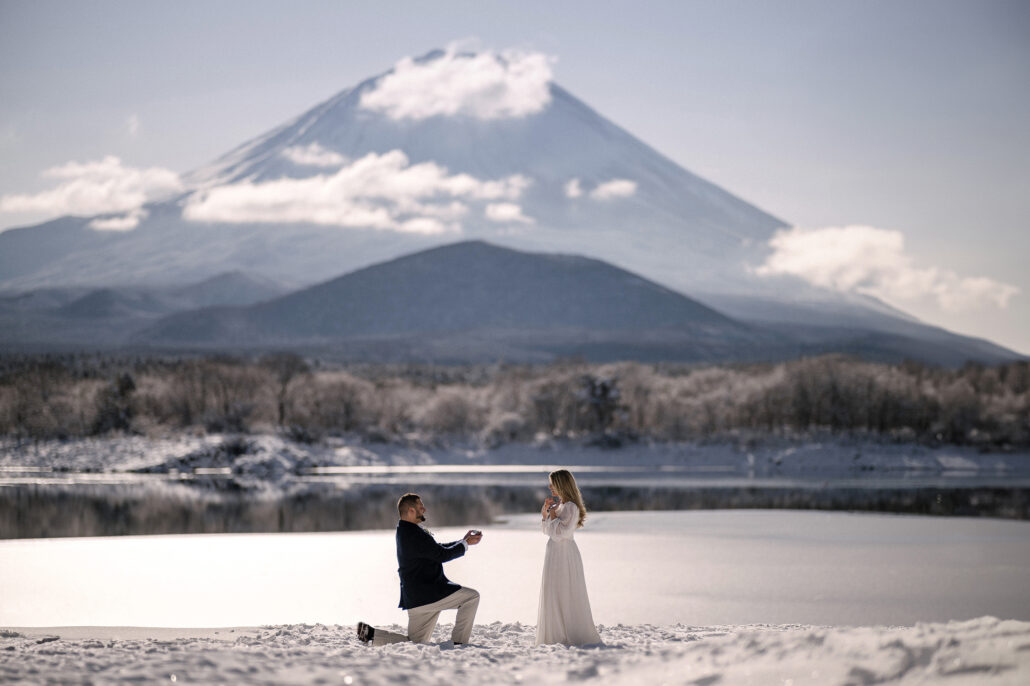
Chiyoko’s Diary
We think about Chiyoko more than the snow. The readings were her husband’s project. Being there was hers, and she chose it without telling him.
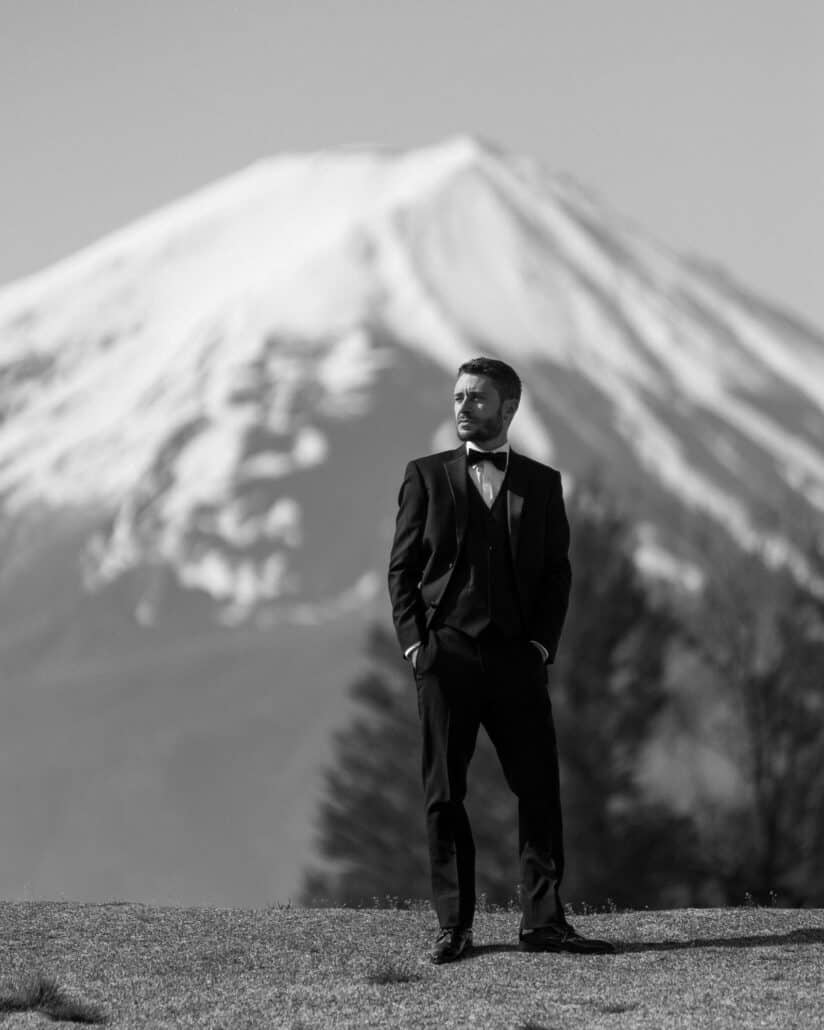
Her story was later told in a novel by Nitta Jirō, a meteorologist who had served on the summit and went on to oversee the building of the Fuji radar.
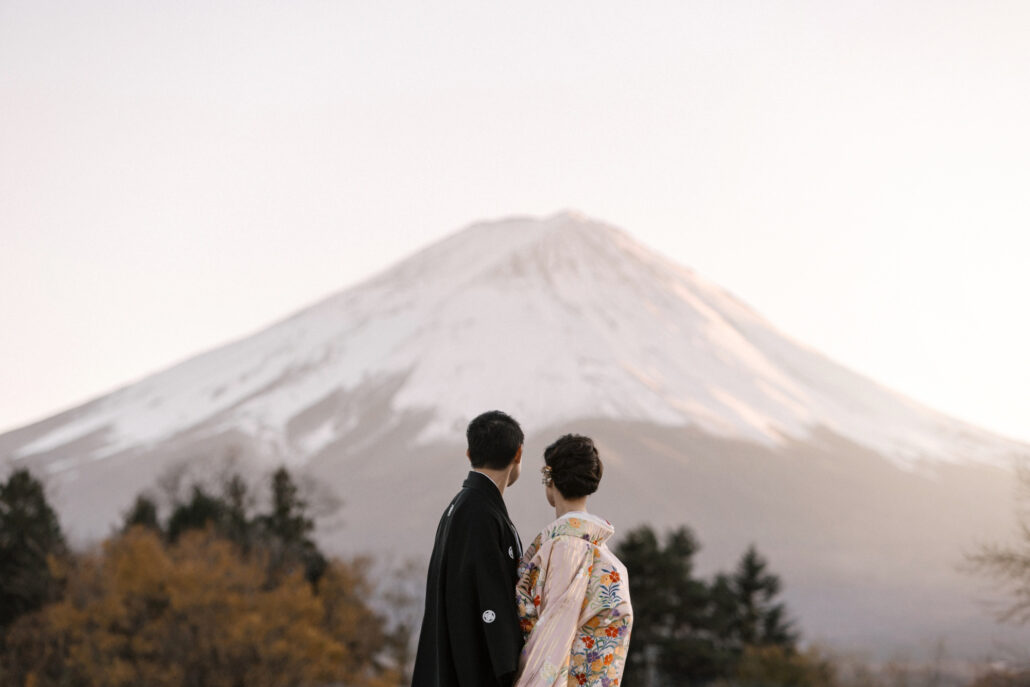
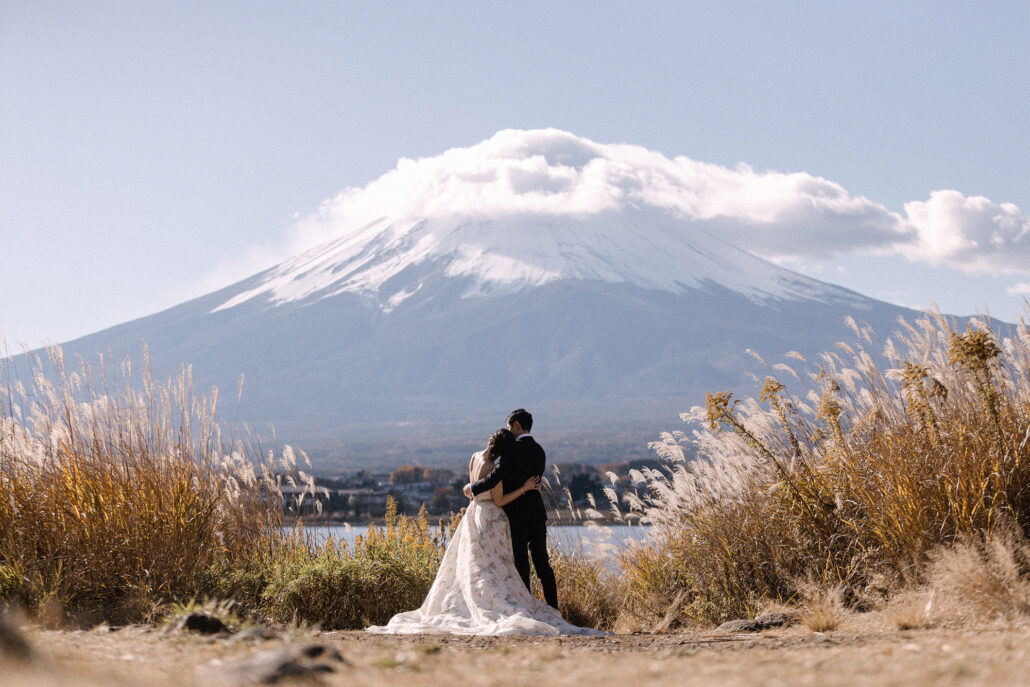
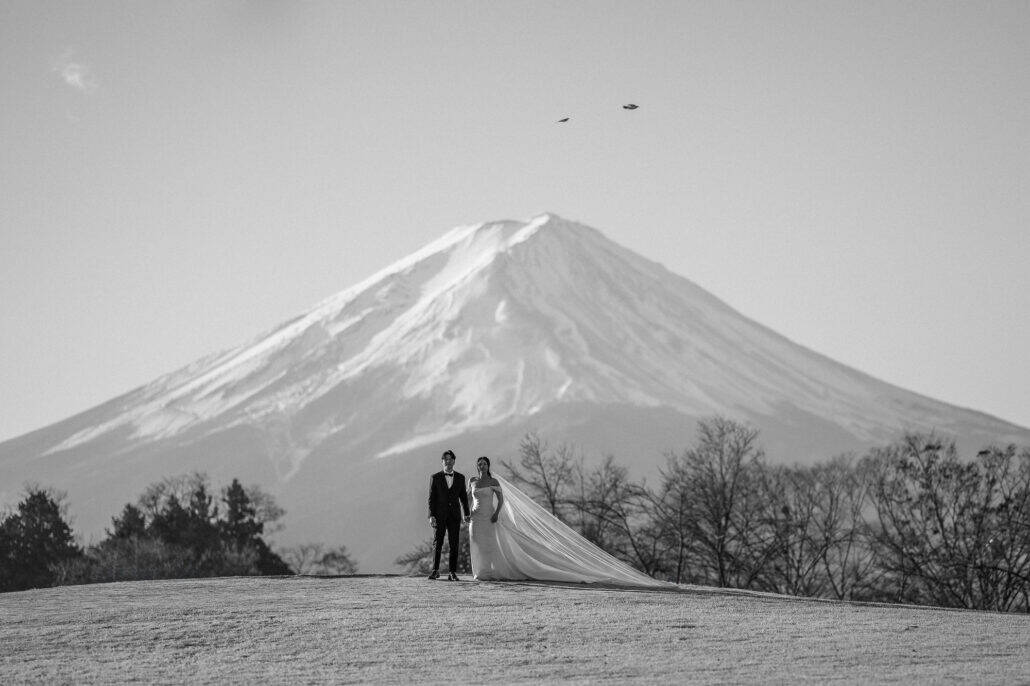
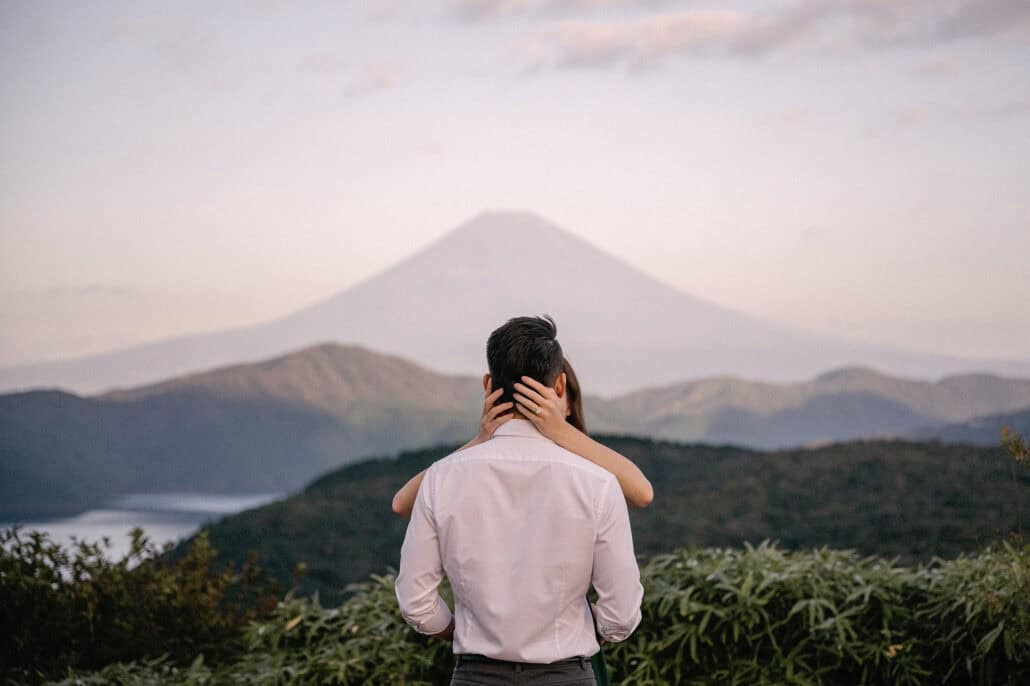
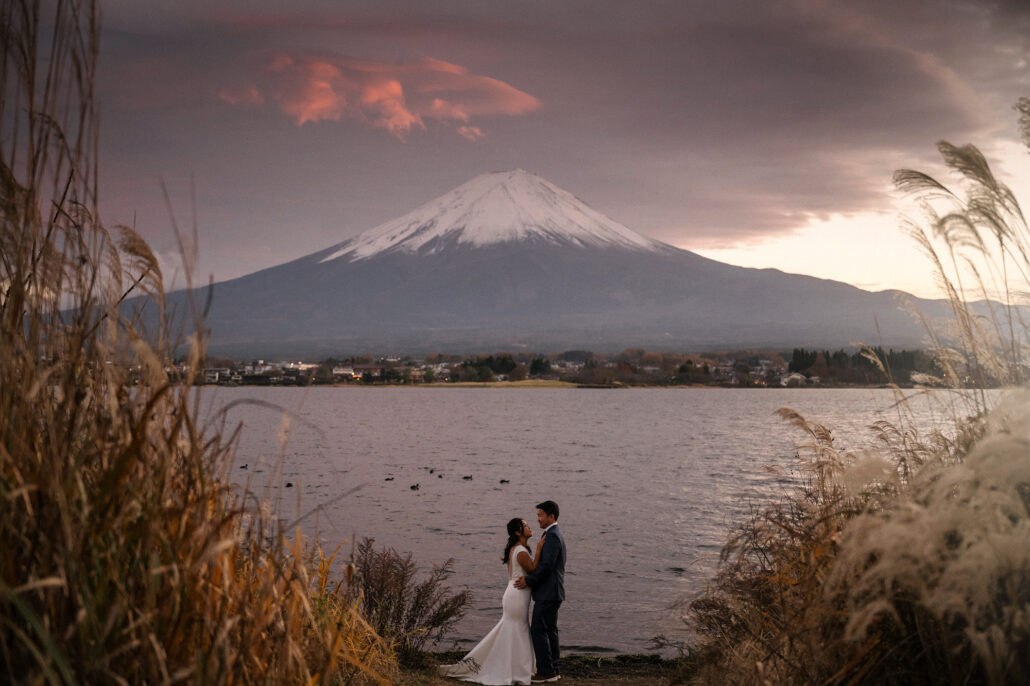
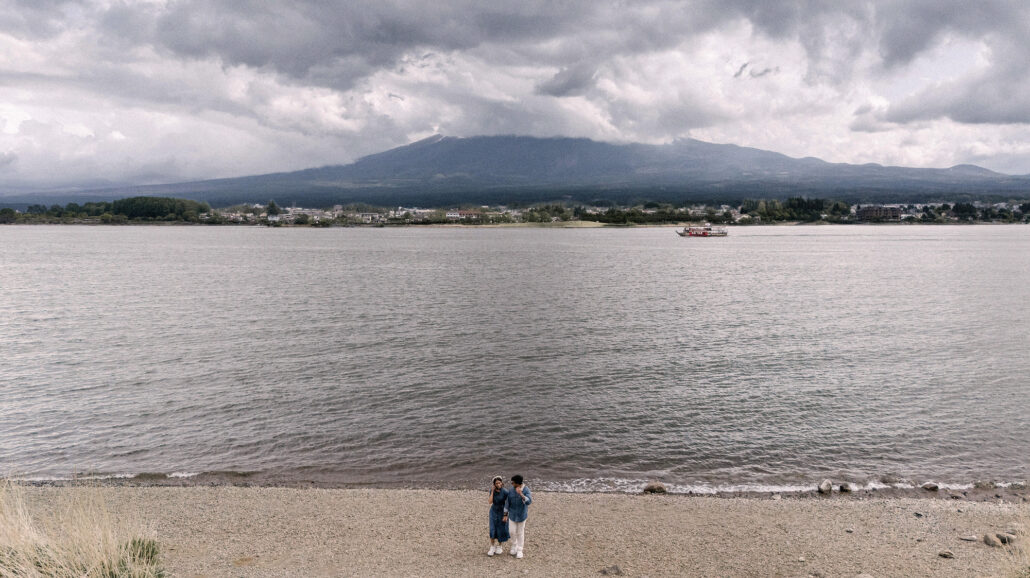
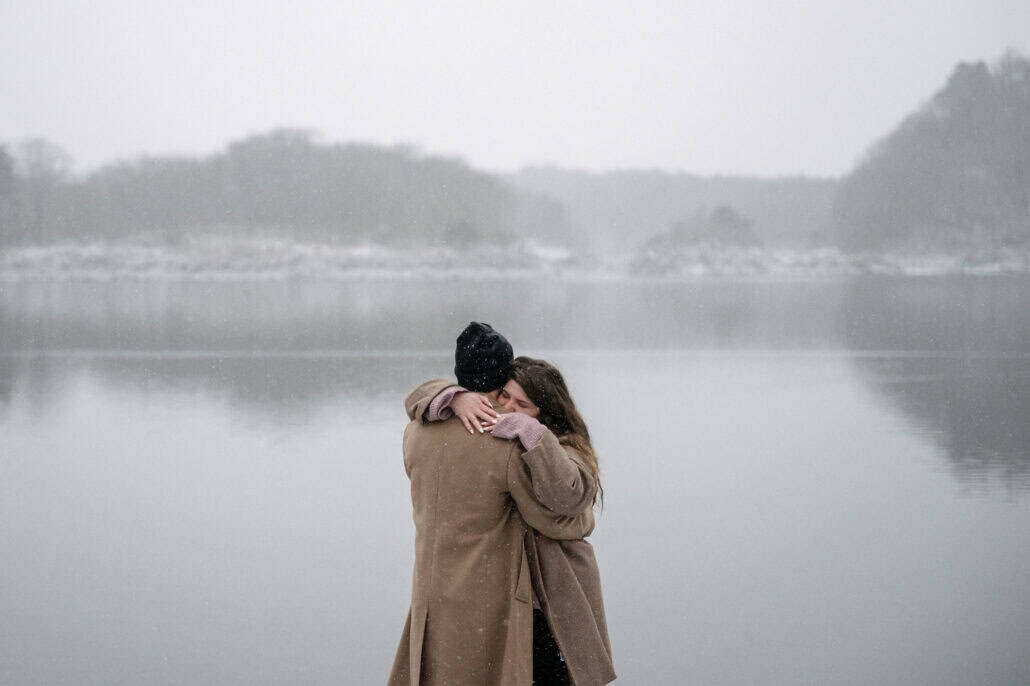
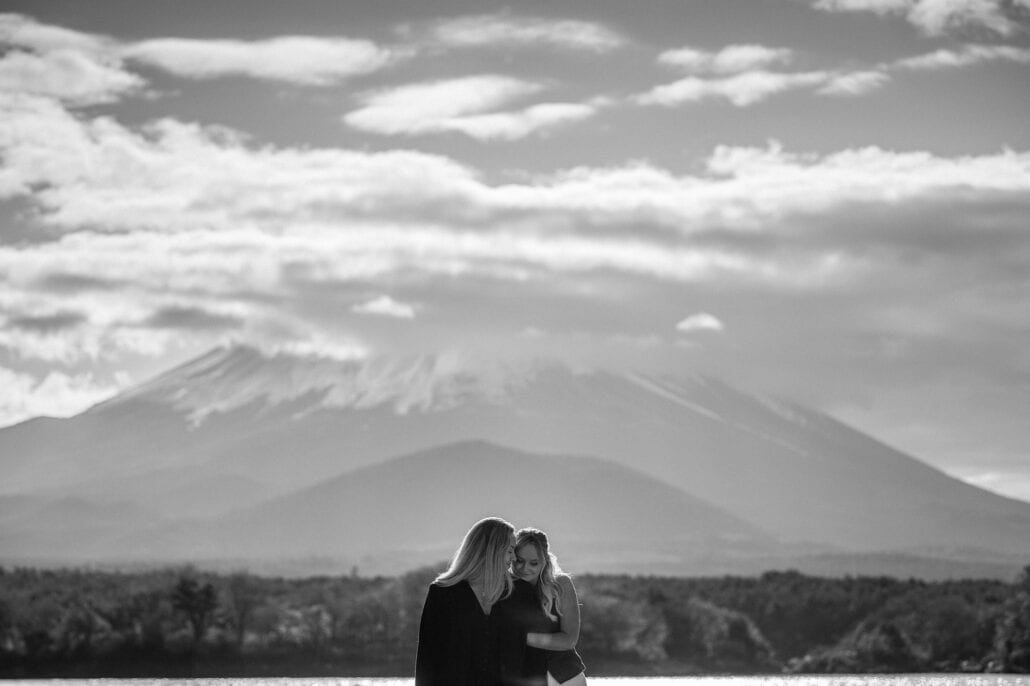
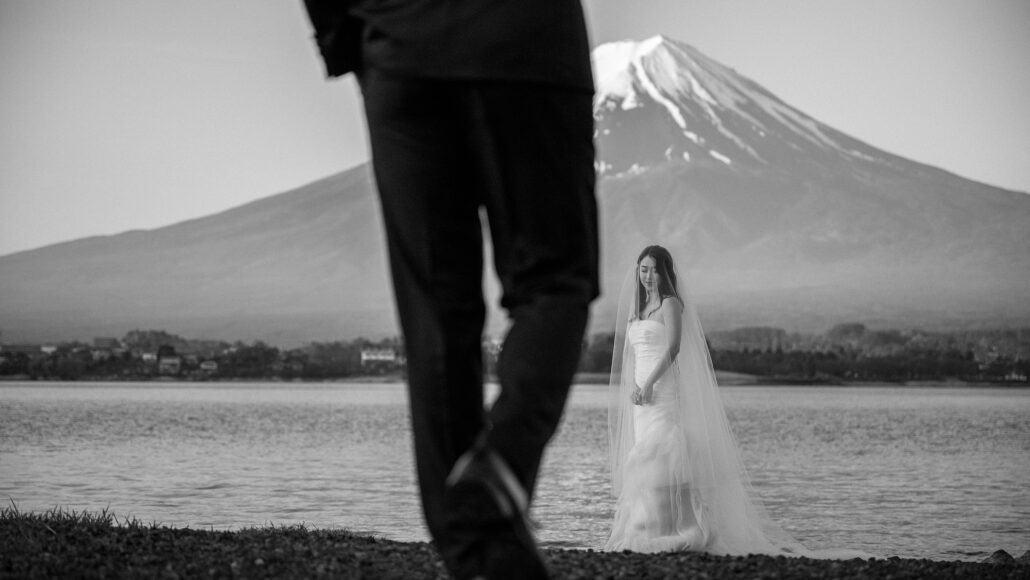
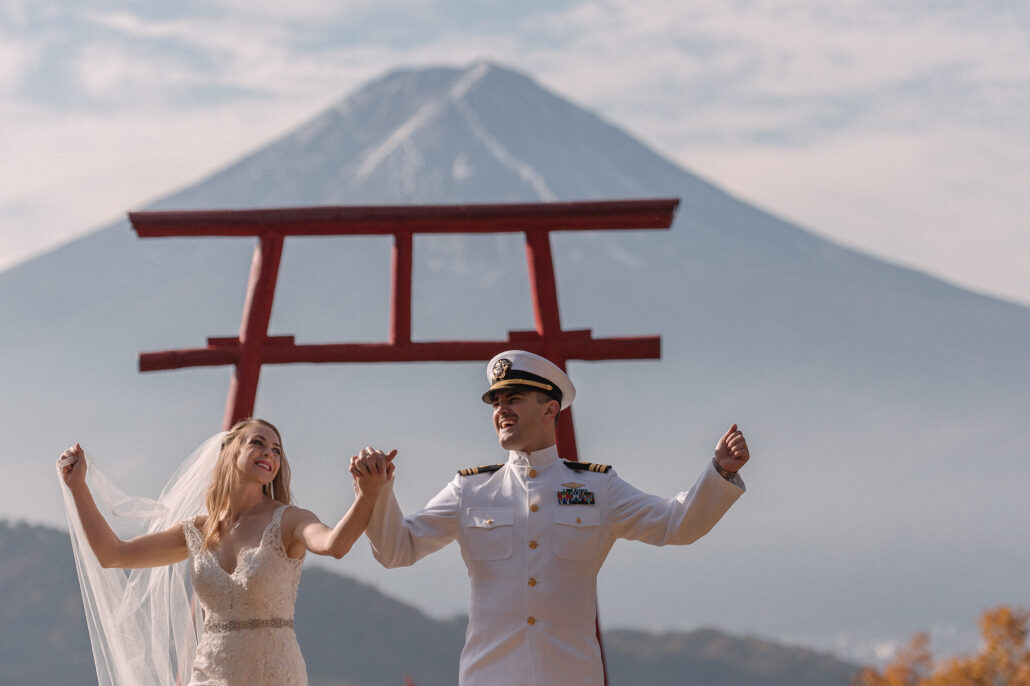
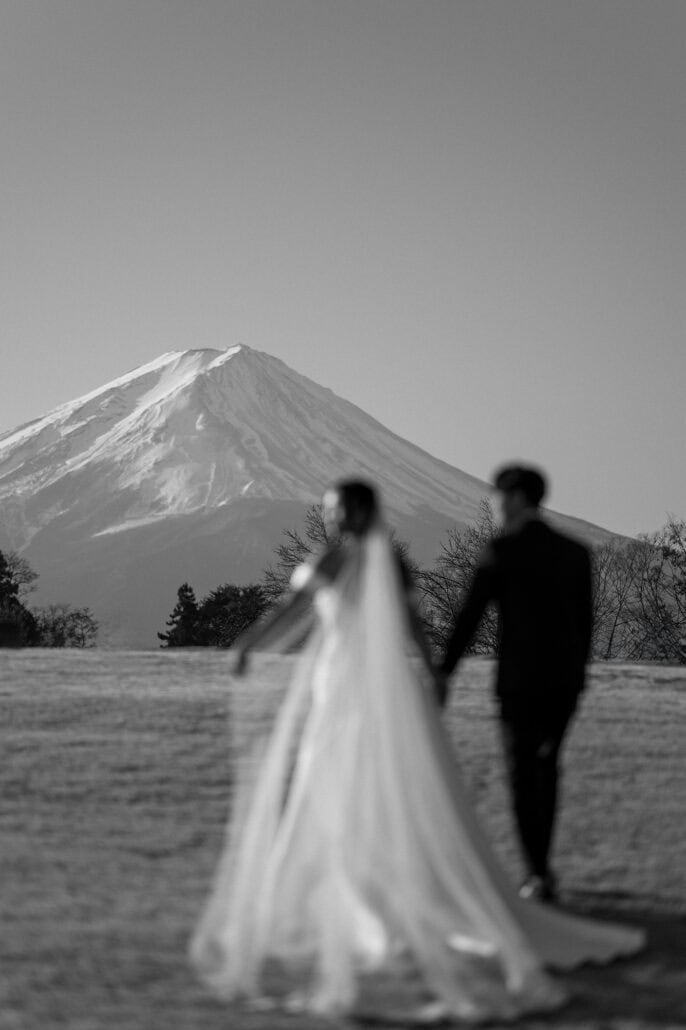
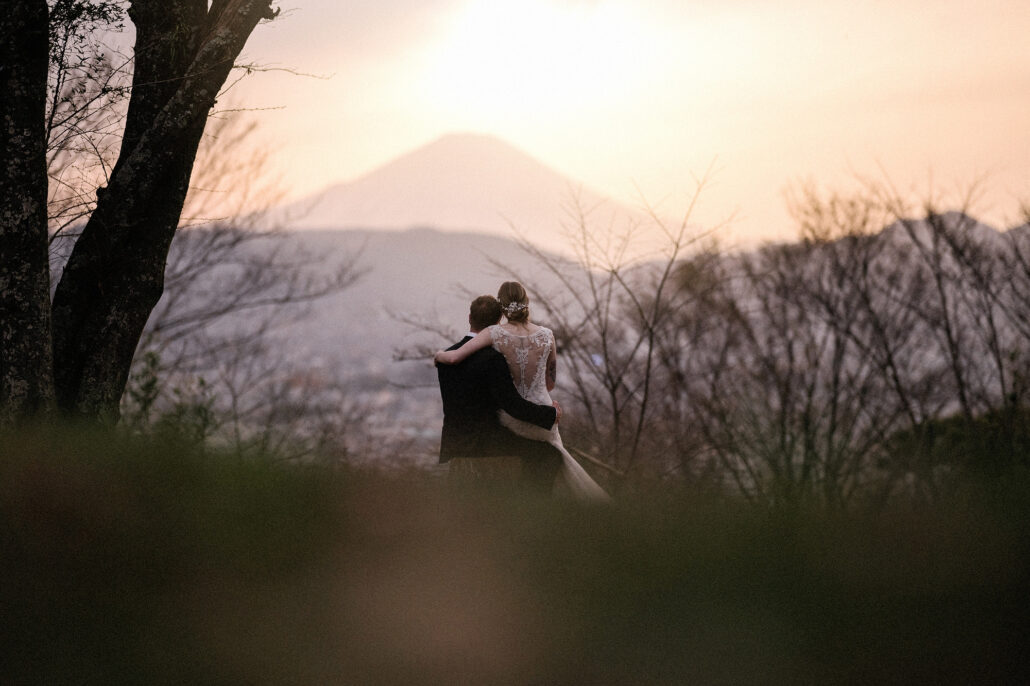
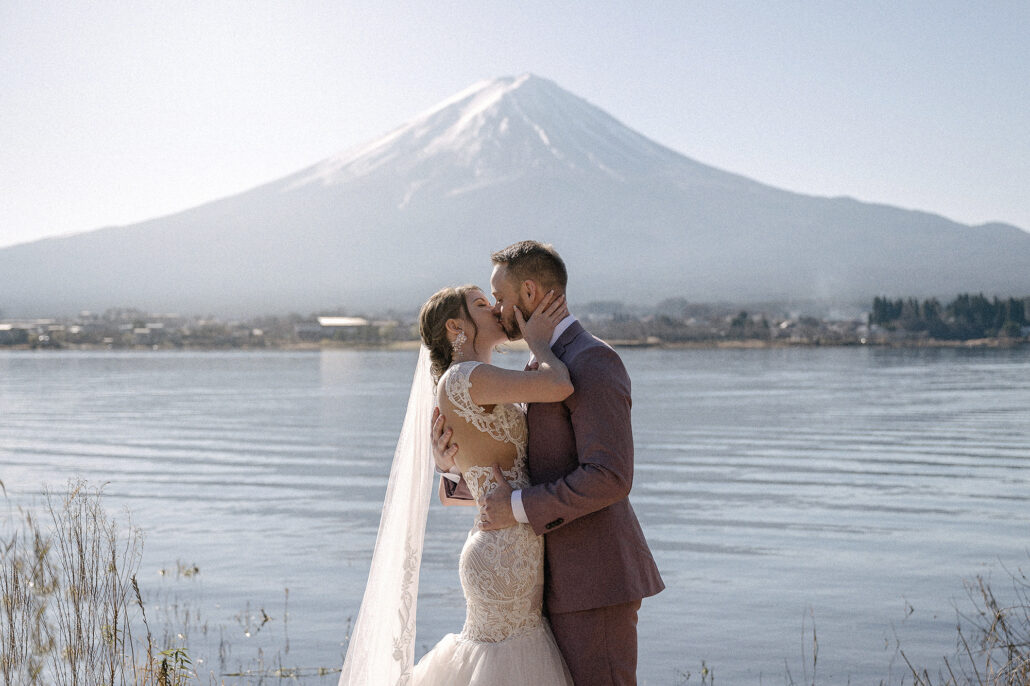
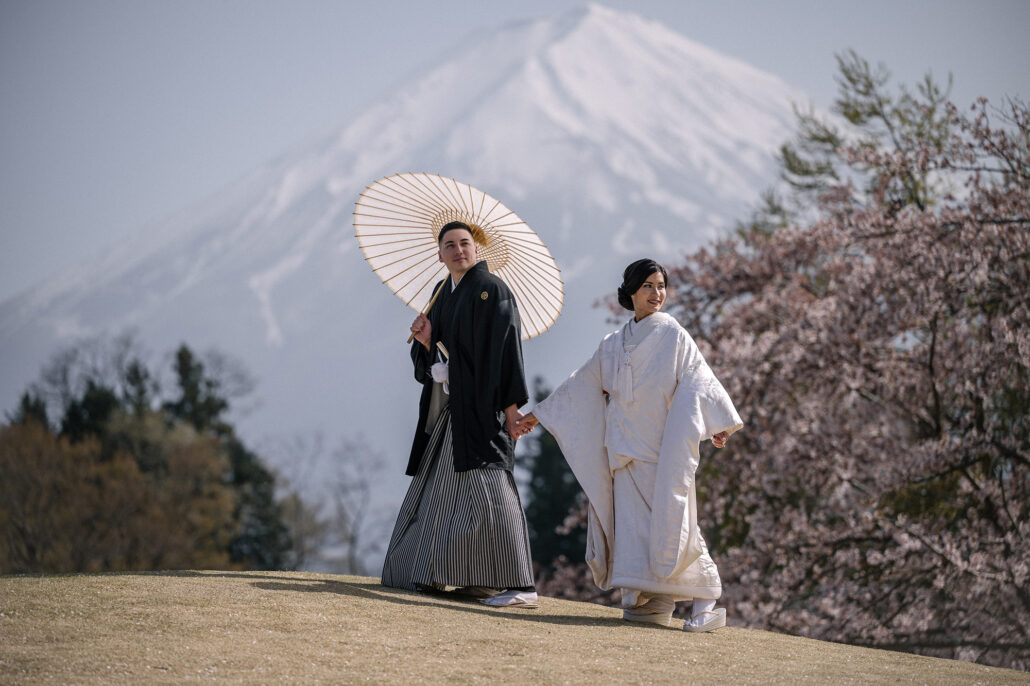
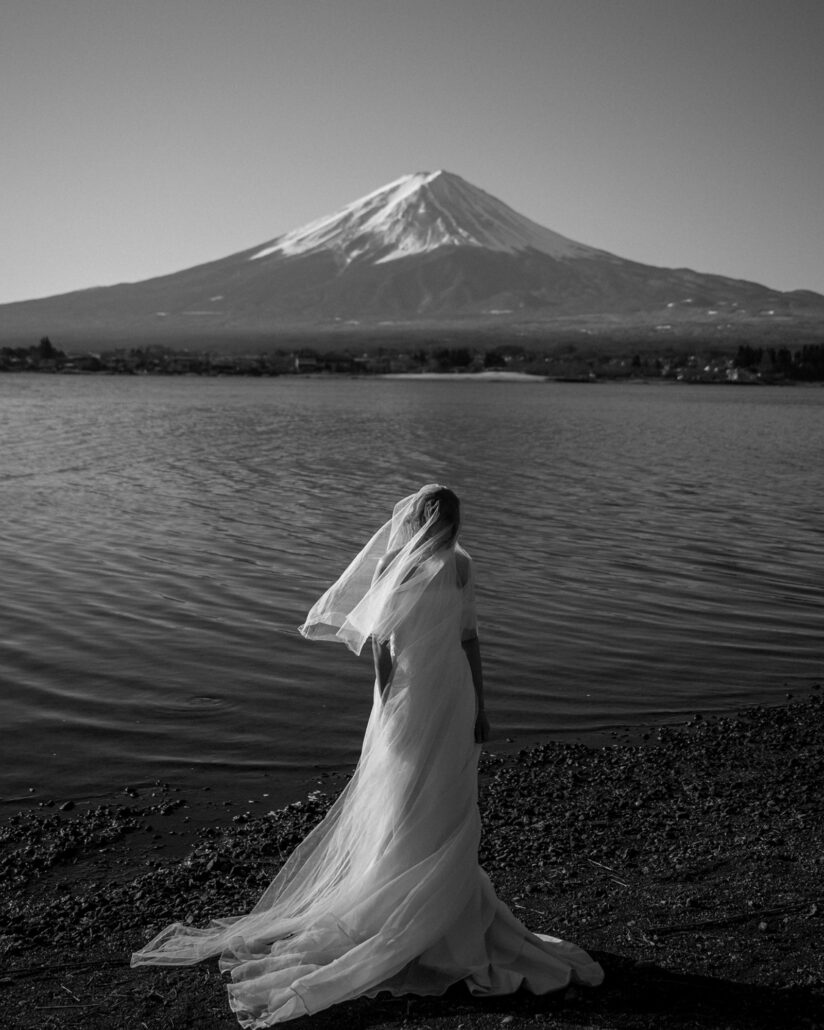
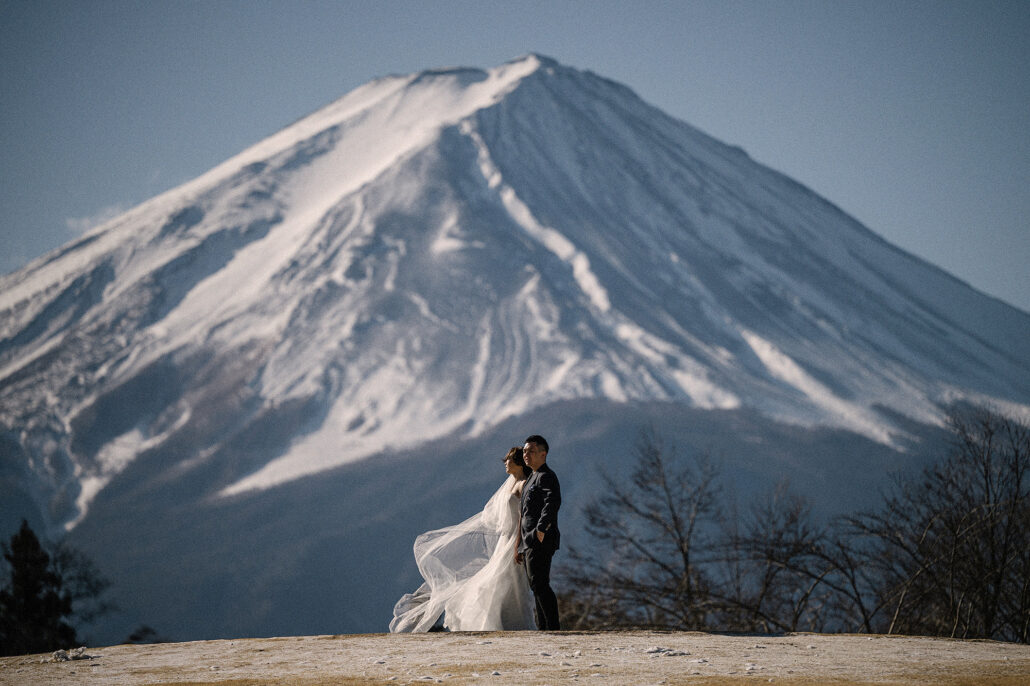
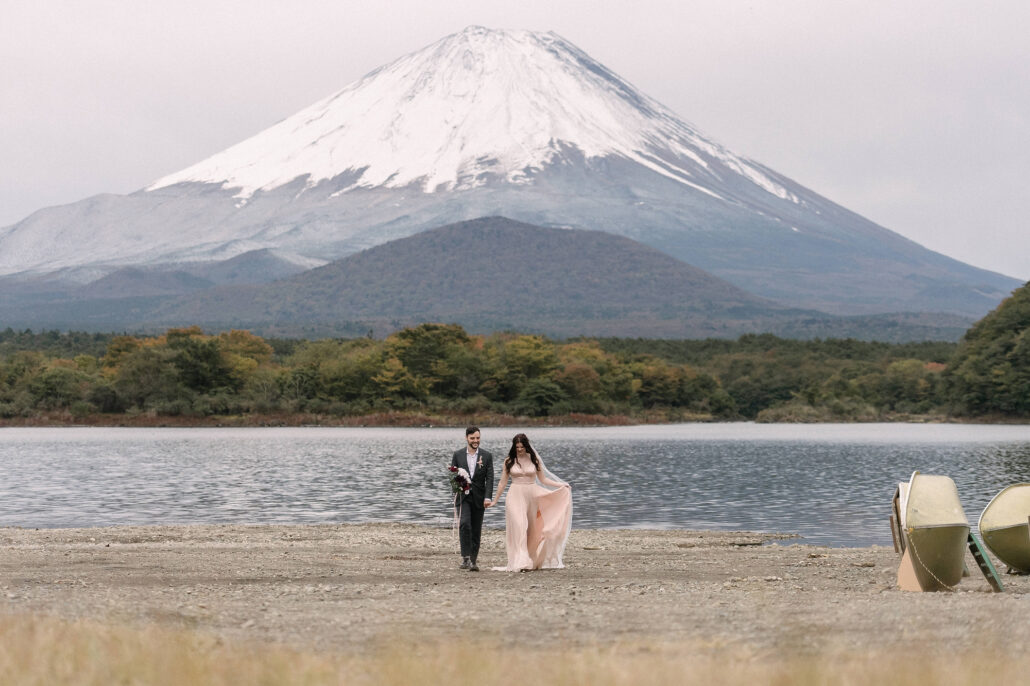
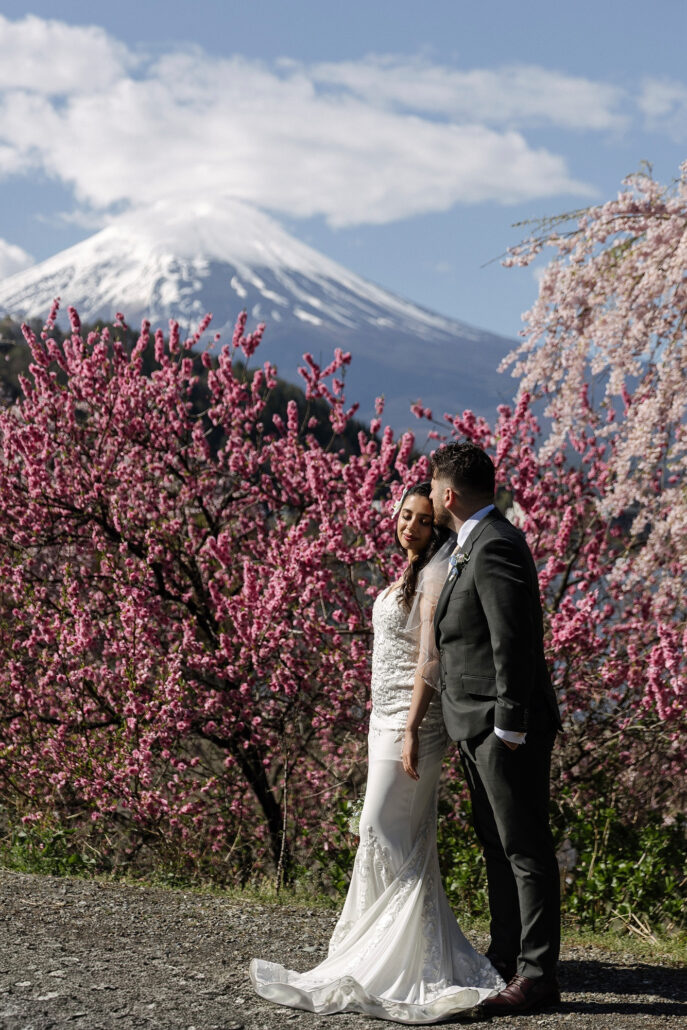
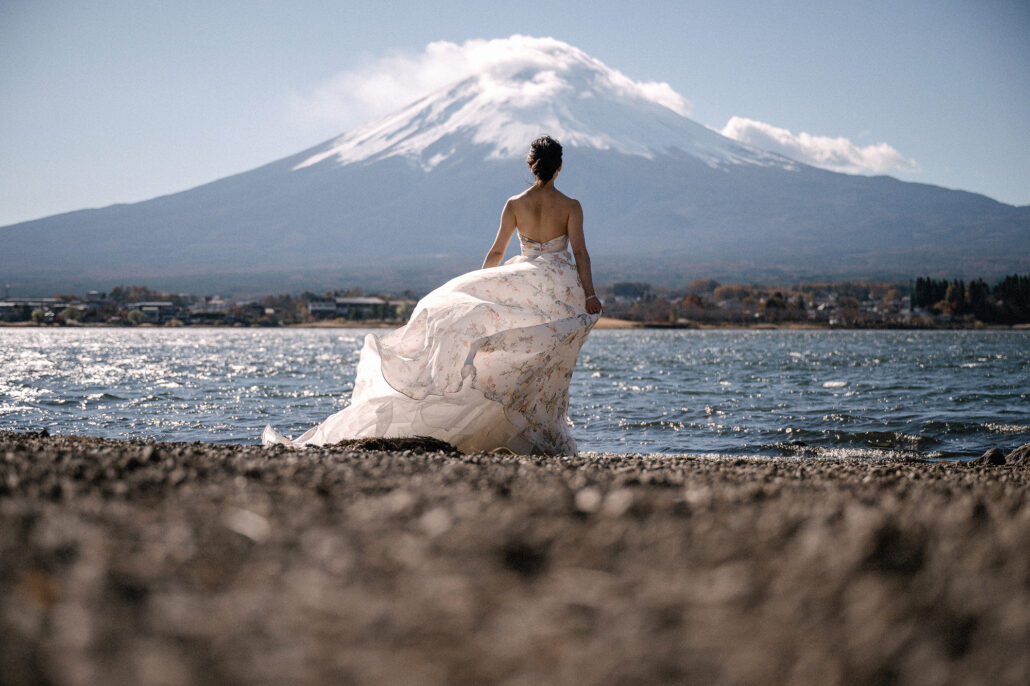
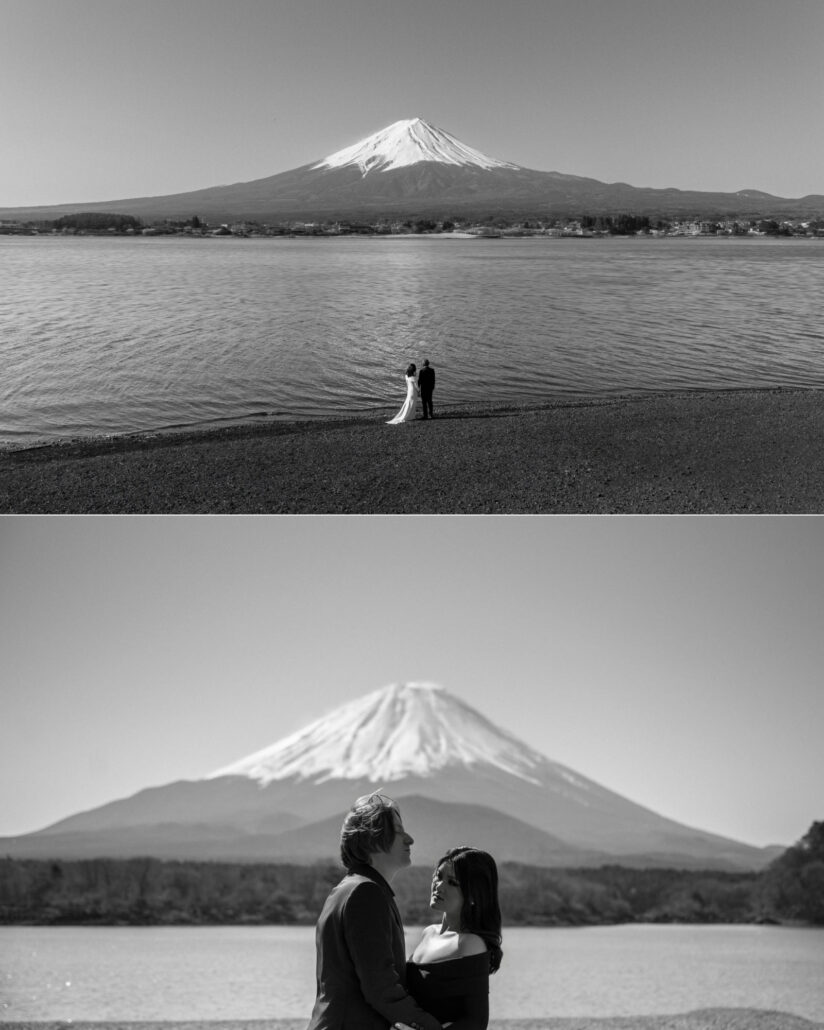
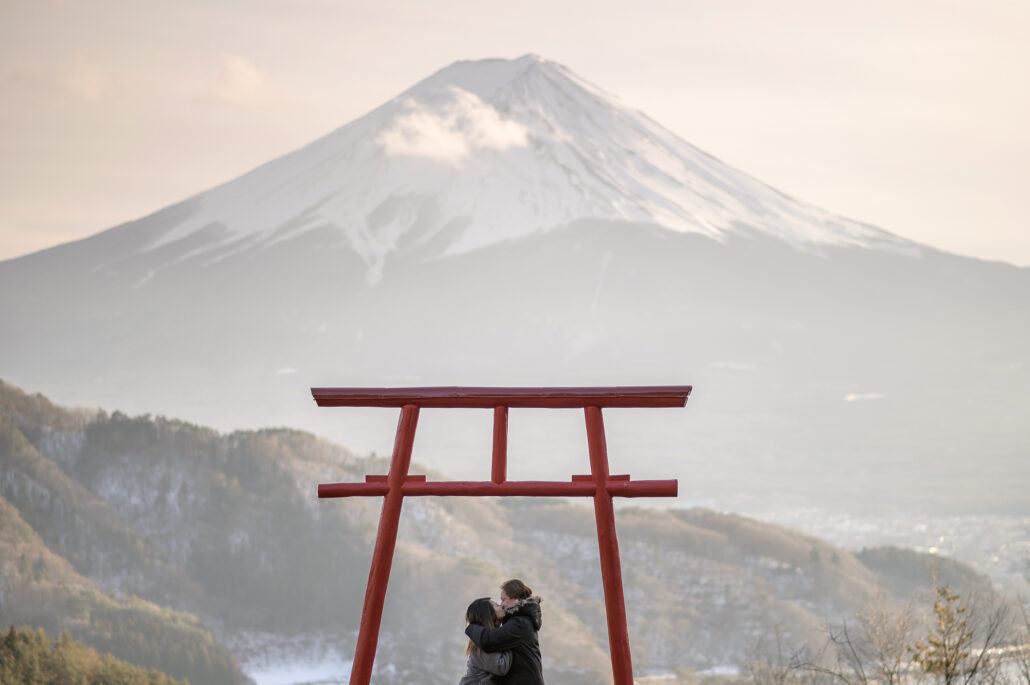
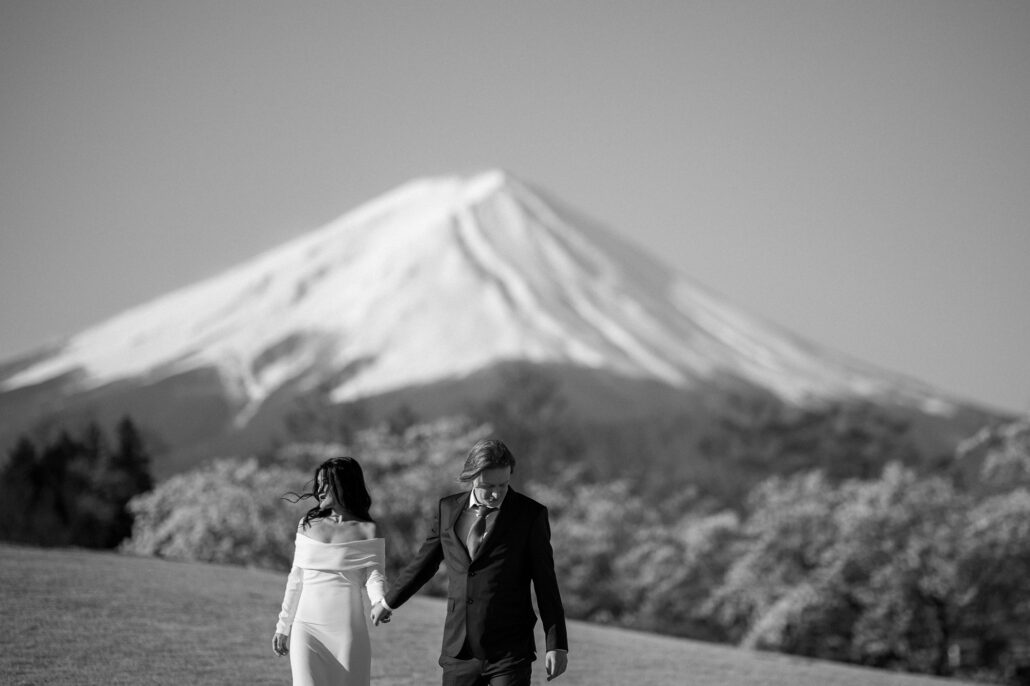
The couples who marry at Fuji make a version of her choice. Which side of the mountain they’ll stand on, and at what hour, is one of the first things we settle together, long before anyone knows what the weather will do. On the day, we’re beside them when the light comes, whatever the summit is wearing.
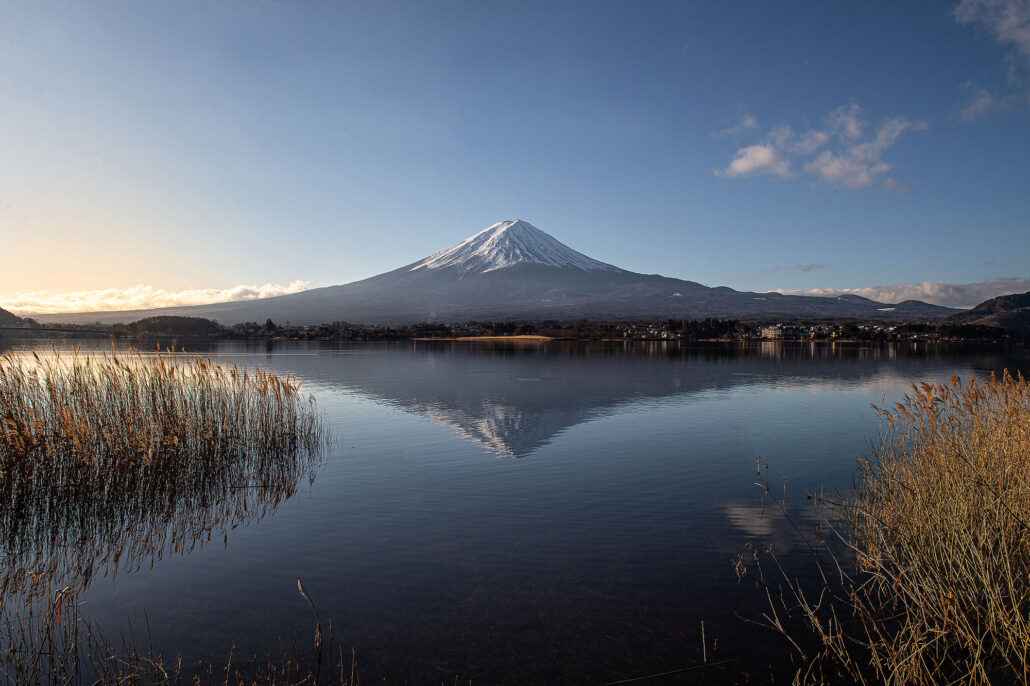
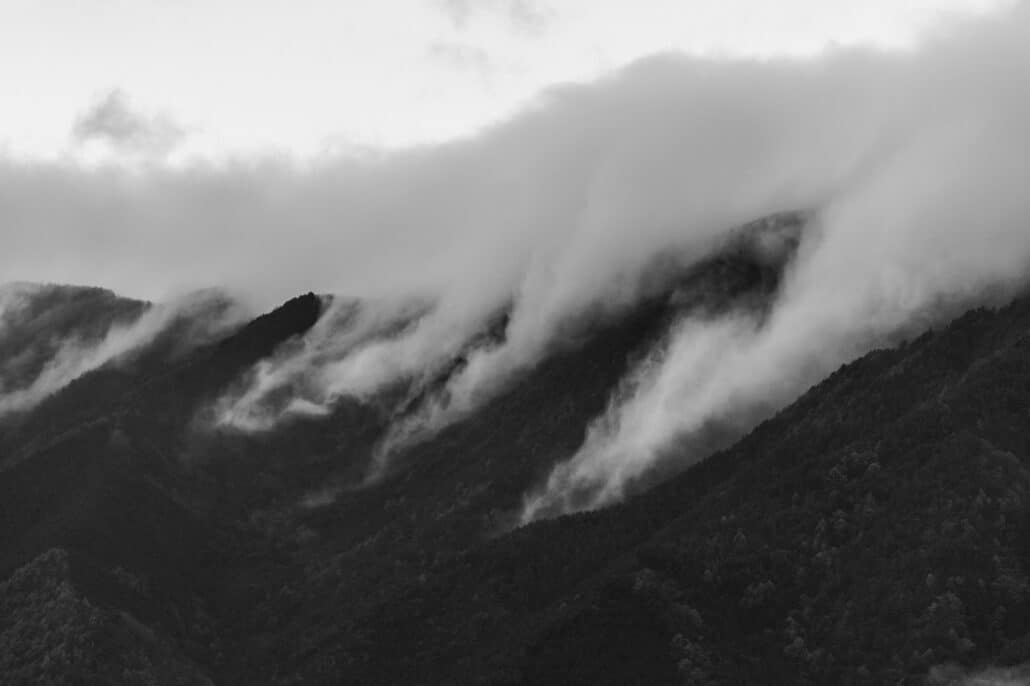
Then there’s Dee. On a Fuji day she has more than thirty live cameras open on her phone, flicking from lake to lake and back again, watching which way the cloud is moving. One side of the mountain can be buried in cloud while the other is perfectly clear, and Dee likes to know which before the mountain does. On an elopement, that can send the van round to the far side. We stopped asking her whether she’d checked a long time ago. She’s checked.
His readings proved the summit could be lived on. Chiyoko kept a diary of those weeks. It was published again in Japan in 2006, and this October, for the first time, in English. Nobody reads it for the temperatures.