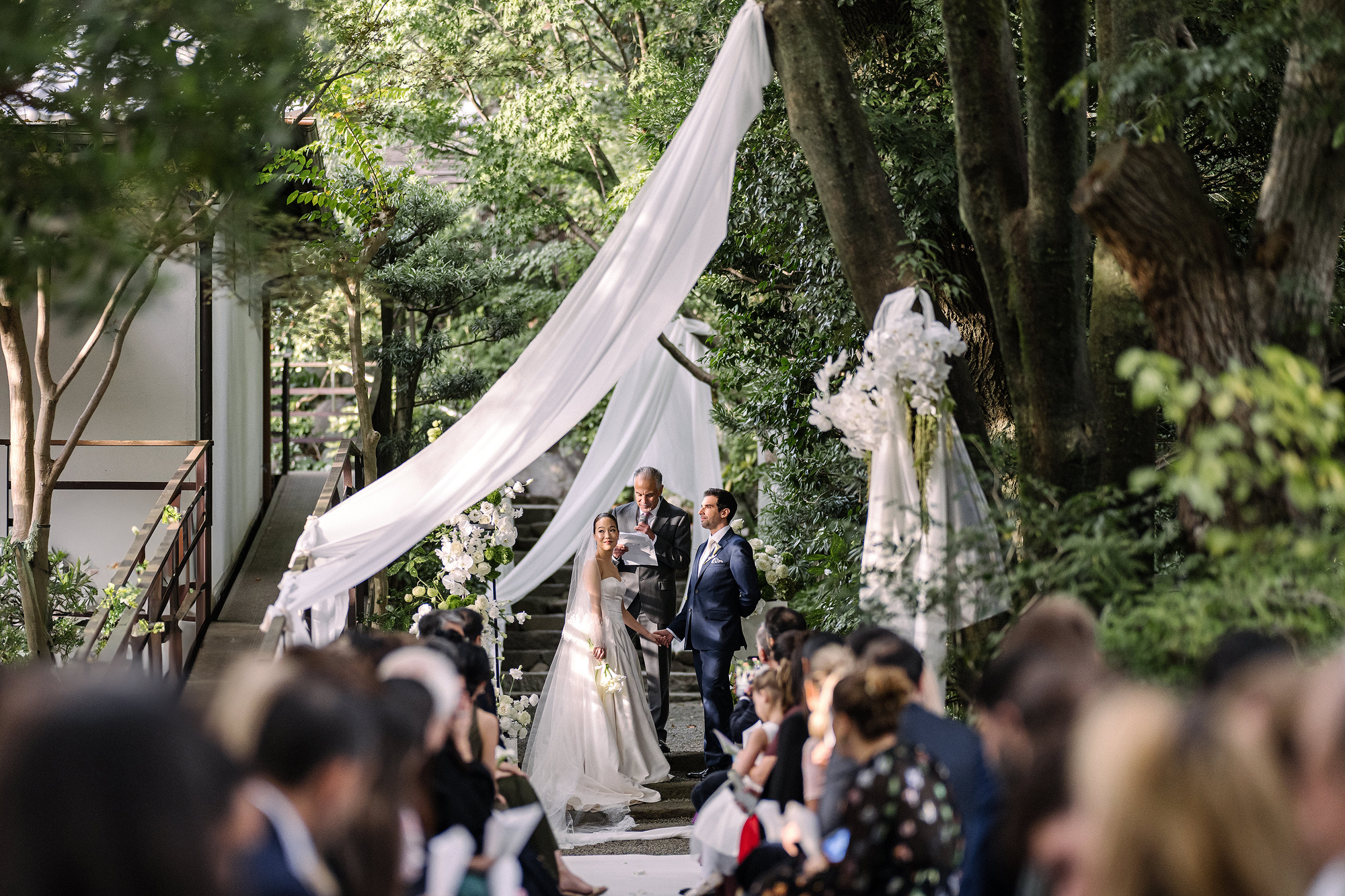
Originally published 7 July 2020. Updated October 2026.
Search for the best wedding planner in Japan and you’ll get a list: names, logos and portfolios that start to look alike somewhere around the fourth page. When we first wrote this post, in July 2020, we said that a list like that can’t tell you who’s best for you. The best planner is a different person for every couple, and the first thing to know about anyone on it is who they actually work for.
Six years later, most of it holds. We’ve reread the old post line by line, and the advice survives even where the sentences don’t. What’s changed is the work. We’re further toward the luxury end of weddings in Japan than we were in 2020. Our weddings run over several days more often than they did, in places given over to a single celebration, for families who’ve crossed the world to be in one room. That’s sharpened what we’d tell you to look for.
If you’d like the short answer, it’s the title. The best wedding planner in Japan is the one who works for you: paid by you, fluent in how Japan works and in what your families will expect, honest with you early, and able to show you real weddings rather than styled ones.
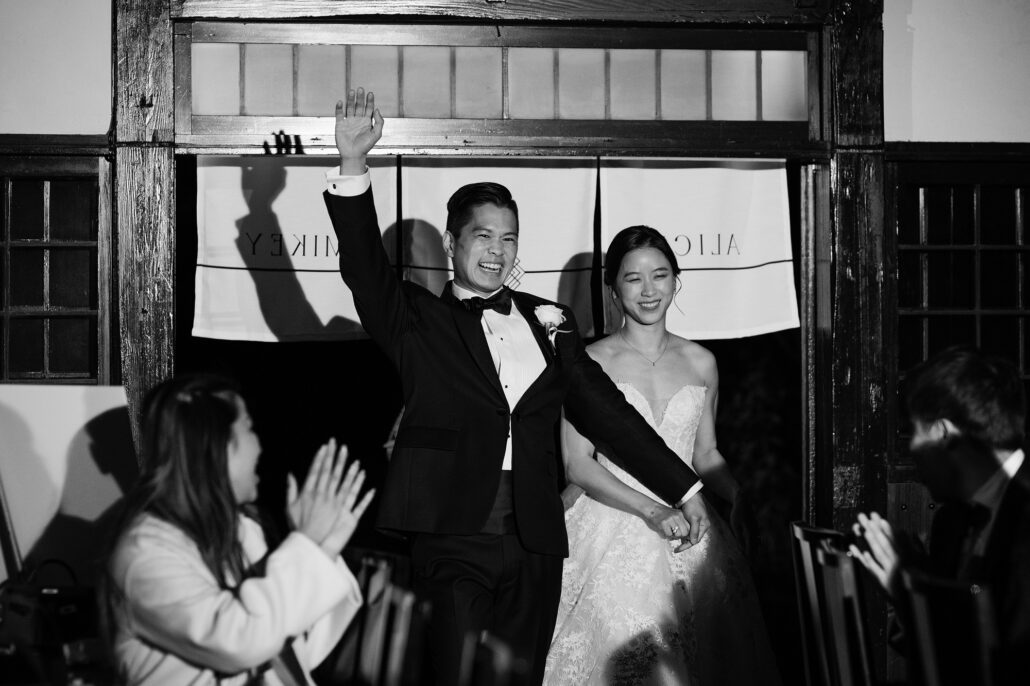
Who Your Planner Works For
In Japan, most couples choose the venue first and meet their planner there. The coordinator comes with the building, along with its menus, its florist and, in more than nine weddings out of ten, its photographer, according to Zexy’s 2024 survey of couples in Japan. About six in ten book a package. For a couple marrying in their own city, it’s an efficient system, and plenty of venue coordinators run it very well.
It does mean the planner you meet is there to make that building’s wedding a success. We put it more bluntly in the first version of this post, and six years haven’t produced a better way to say it.
Venue wedding planners work for the venue, not for you. Freelance planners work for you.
We’d say “independent” now rather than “freelance”, but nothing else has changed. An independent planner is hired by you and answers to you, so the first conversation starts with the two of you and the wedding you’ve described, and the venue becomes one choice among many instead of the choice that makes the others for you. Ask any planner how they’re paid, and by whom. It tells you whose interests sit at the centre of the plan. We publish how our own fees work on our planning investment page.

Fit Still Comes First
The 2020 post spent more words on compatibility than on anything else, and we’d keep every one. Planning starts about a year before the wedding, so you’ll be in each other’s inboxes for most of that year, through the exciting decisions and the dull ones. Choose someone you’ll be glad to hear from.
What six years have added is a clearer sense of what fit means. Liking each other matters. Trusting each other’s judgment matters more. In every wedding there comes a decision the couple can’t make from the other side of the world, about weather or a road or a room, and the plan only works if they’re comfortable letting their planner make it. You’ll know in the first conversation whether you would be. Notice whether they listen before they suggest, and whether their suggestions sound like your wedding or the last one they planned.
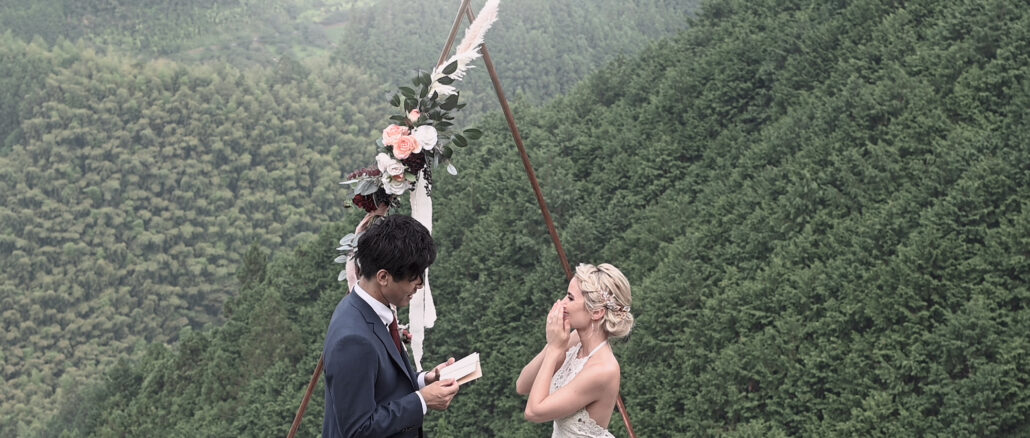
Working With Japan, Not Against It
The line from 2020 we’re proudest of was buried in the middle of a long paragraph. The right planner, we wrote, isn’t one who asks Japan to change. It’s one who finds where your wedding fits inside the way things are done here. Six years on, we’d move it to the top.
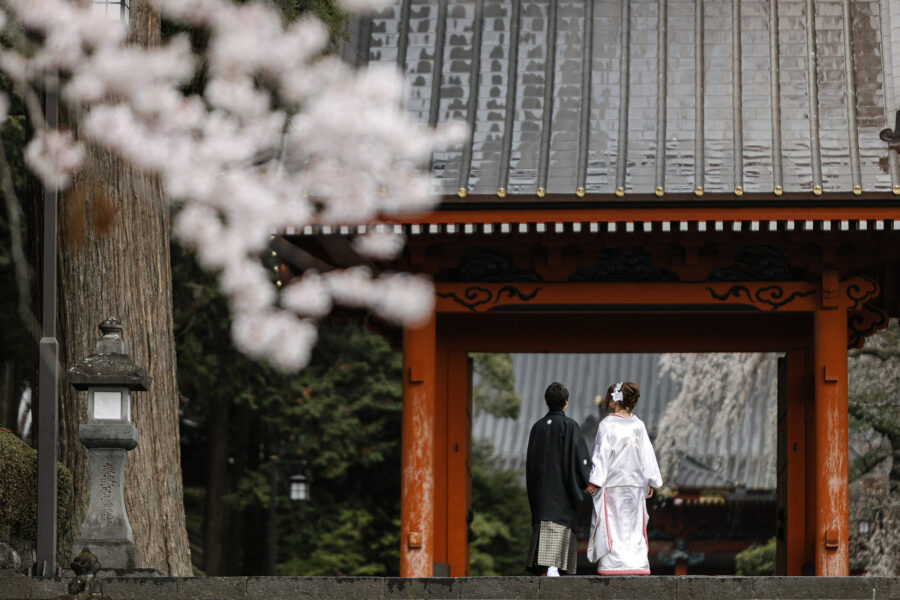
Japan says yes to a great deal, but it says it in its own way. A ryokan asks for quiet at night because the village around it is asleep. A shrine’s rite follows the order the shrine sets. A temple garden that opens for a wedding is doing you a kindness, and knows it. A planner who treats each of these as an obstacle to negotiate will get you a lesser wedding than one who understands why the rule is there, which rules bend, and who to ask.
That’s half the knowledge. The other half is knowing what your families expect of a wedding before anyone says it: who gives a speech, who expects to dance, which tradition one side can’t imagine marrying without. We learned a good deal of that at weddings far from Japan, and it’s also how we learned what’s ordinary here and what isn’t. In 2020 we called it bridging two sets of expectations. It’s still the job, and it still needs both halves in one team.
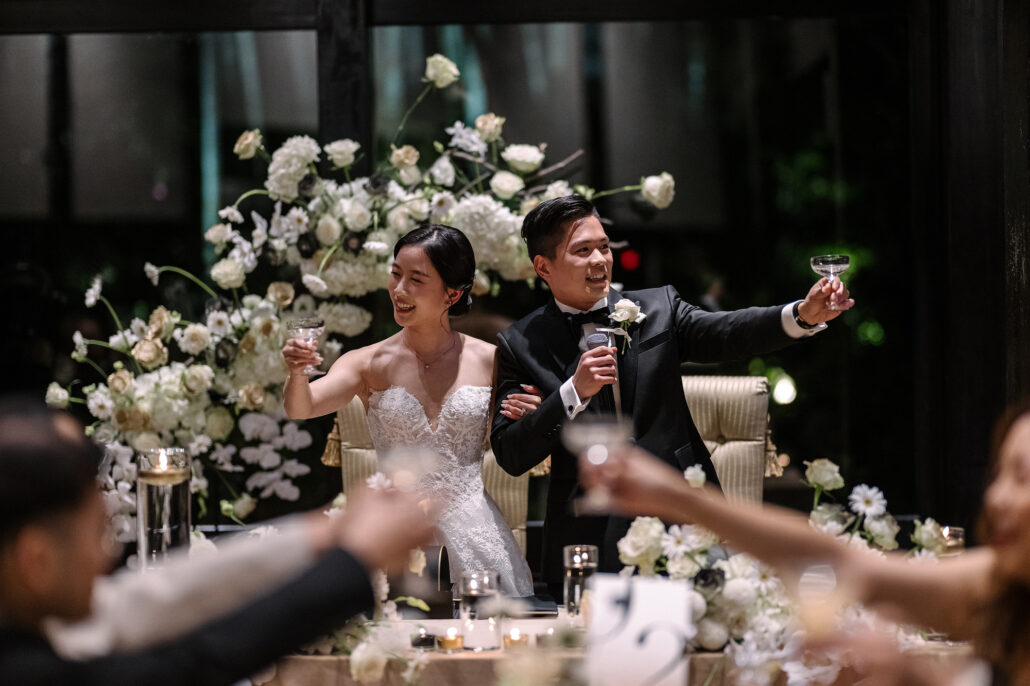
What You’re Really Hiring
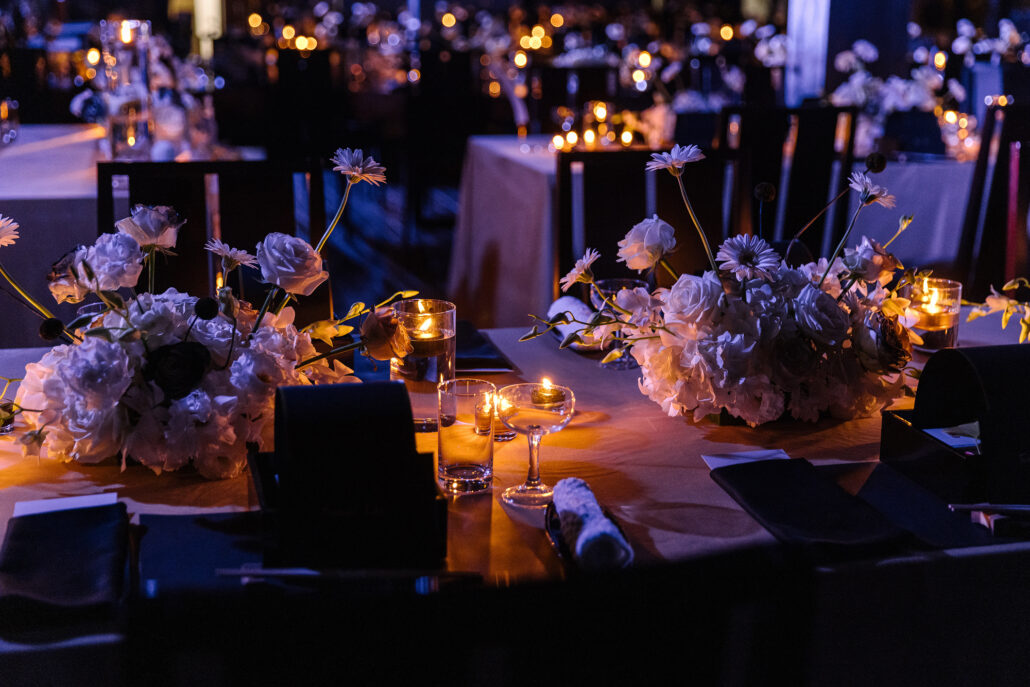
For the couples we plan with now, finding a beautiful place is rarely the problem. Japan has more of them than any wedding could use, and most couples arrive having seen plenty on their phones. What they need is judgment: which of those places will look after their people, which weeks the season will actually keep, and which of their own ideas would be better left out.
Judgment needs attention, and attention doesn’t scale. It’s one reason we take on only so many weddings a year. Much of what you’re hiring never appears in a proposal. A private garden that takes no bookings opens its gate because it knows who’s asking. A typhoon forecast on a Tuesday becomes a different plan by Wednesday, and you hear about the plan rather than the panic. None of it is meant to be seen. We hold the structure so the two of you can stay present, which, for the weddings we plan now, is most of what a planner is for.
Honesty, Early
Politeness is part of what we love about living in Japan, and in 2020 we warned that it can get in the way. It still can. A wedding here needs someone who’ll tell you early that a date won’t work, that a place can’t host the evening you’re picturing, or that a budget won’t stretch to everything on the list, and who brings a better idea in the same breath.
Early is the important word. The kindest no comes before the deposit, and so does the honest budget, with every cost in it, from the bring-in fees to the buses. In 2020 we said to look for a planner who’s an open book. We’d now add a question to ask them directly: what would you talk us out of? A planner who can’t think of anything hasn’t been listening.

Real Weddings, in Real Weather
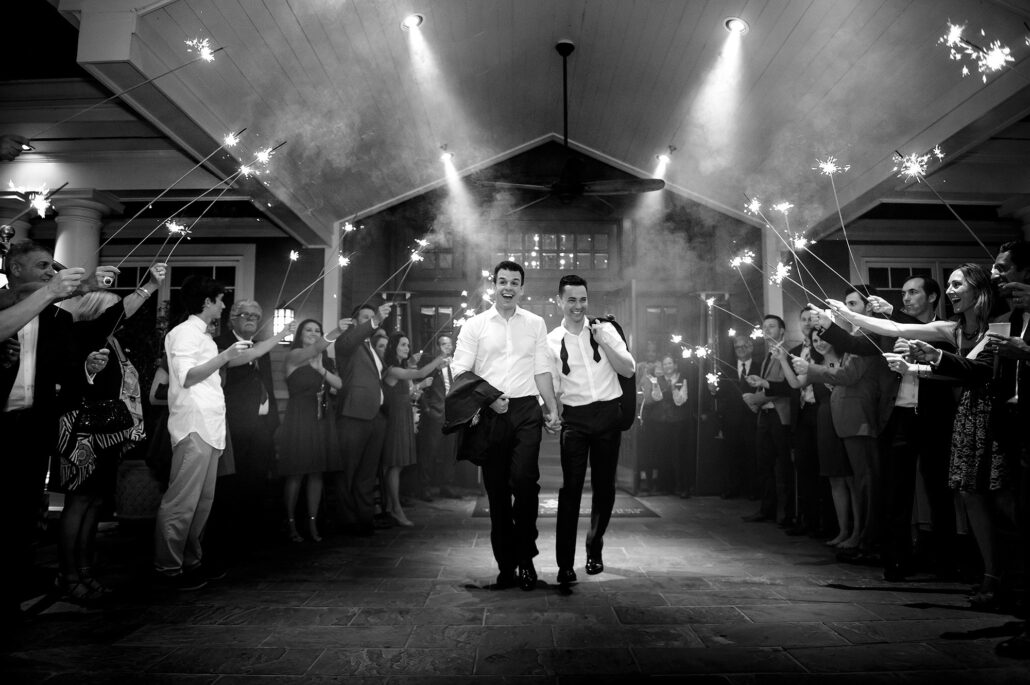
The 2020 advice on portfolios has aged well too. Look for real weddings, not styled shoots. A styled shoot, made for a portfolio with models and borrowed details, is a fair way to show taste. It can’t show what a planner does when the forecast turns, a guest’s flight lands at midnight, or the light leaves the garden earlier than anyone hoped, and that’s the part you’re paying for. Every wedding in this journal is a real one, in whatever weather it got.
Ask where a planner came from before planning, too, as we suggested in 2020. We came from theatre production, journalism and photography, and we still think of a wedding as a production with a story inside it. It’s why our planners and photographers work on each wedding together from the first conversation. Which way the ceremony faces as the afternoon light drops, how far the day travels between its best places, how long the two of you are away from your guests: those are planning decisions before they’re photographs. When they’re made late, the pictures are always a step behind the day.
What to Ask a Wedding Planner in Japan
The questions we suggested in 2020 still work as a test after any first call. Did we feel heard? Do they understand what we’re looking for, and what an international wedding asks of a team? Can they work within our budget? Did we like them? Six years on, we’d ask a few more on the call itself.
- How are you paid, and by whom?
- How many weddings do you take on in a season?
- Who will we speak to week to week, and will that person be there on the day?
- When something changes late at night, in Japanese, who takes the call?
- Tell us about a wedding where the plan changed on the day. What did you do?
- What would you talk us out of?
Our Japan Wedding Guide takes every decision around this one in order, our piece on destination wedding companies in Japan adds the questions we’d put to anyone new, and our wedding in Japan FAQ answers most of what couples ask next.
The Best Wedding Planner in Japan, for You
We ended the 2020 post by saying that whoever the best planner in Japan is for someone else may not be the best one for you, and that whether you chose us or someone else, you’d have our support. We’d say both again.
The list of names isn’t going anywhere. If anything, it grows every year. But you’ll recognise the right planner sooner than you’d think. They’ll ask about your families before your colour palette, tell you what to leave out, and make it clear, without ever needing to say so, exactly who they work for.

1 comment
Comments are closed.