It’s rarer than you might think to find a place in Japan that gives an international couple enough room to celebrate entirely as themselves.
That needs saying carefully, because part of what makes Japan such an extraordinary host is precisely its sense of order, restraint, consideration and service. Many venues here have a well-established rhythm for how celebrations unfold, and they do it exceptionally well. But destination weddings bring people whose own traditions may sound, move and gather very differently. For some cultures, celebration means music turned up, tables that run long, families speaking over one another, dancing that refuses to end and a room that gets louder as the night gets better. None of that is a rejection of Japan. It’s simply another language of celebration.
We’ve always believed the most interesting destination weddings happen when nobody is asked to surrender either side of that equation. Japan doesn’t need to become somewhere else, and the couple shouldn’t have to become Japanese for the day. Japan can be the host: the hospitality, the landscape, the food, the attention to detail, the sense of occasion that comes from gathering everyone you love somewhere remarkable. Then the couple brings the rest. Their people. Their rituals. Their volume. Their way of being together. That’s why places willing to collaborate matter so much.
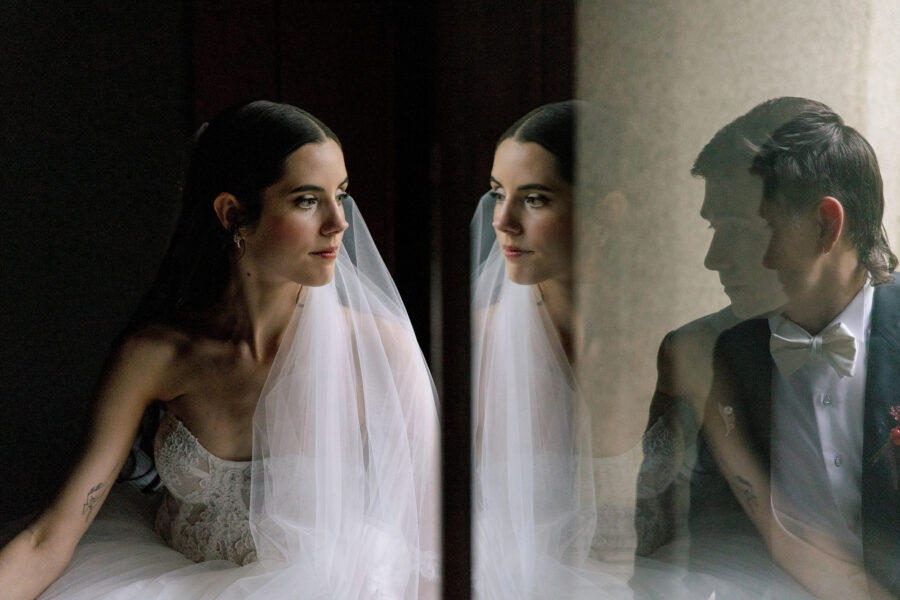
At Jinya, this wedding could hold Japanese restraint, Greek warmth and, by the end of the night, a full-scale blowout finale. There was sake and mastika. Stefana and ryokan gardens. Thoughtful ceremony, generous hospitality and a party that got louder, looser and better as it went. Exactly as it should be.
This is their highlight film.
Wedding Number Three
By the time they arrived in Japan, they’d already married in London and Thailand. Japan was wedding number three. Their friend who led the ceremony suggested that rumour had it Greece might be next. We wouldn’t rule it out.
There’s something quite wonderful about refusing to make one celebration carry everything. A destination wedding can be more than a single date circled on a calendar. It can become part of a much longer gathering of people and places, with each chapter allowed to have its own character.
London didn’t need to become Thailand. Thailand didn’t need to become Japan. And Japan certainly didn’t need to impersonate anywhere else.
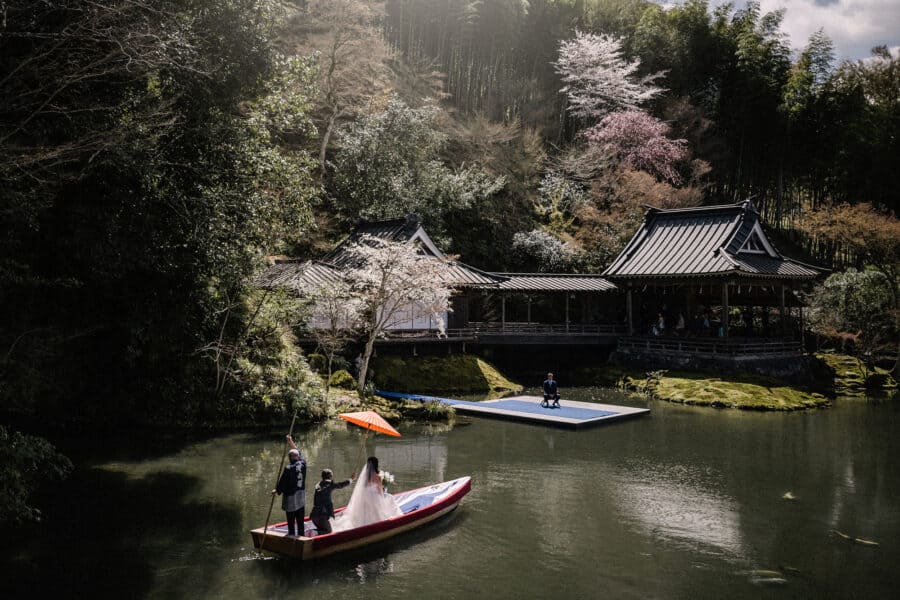
Here, the old ryokan, its gardens and its hospitality became the setting for traditions the couple brought with them. That’s where it becomes interesting.
The Things They Carried With Them
During the ceremony, three cups of sake were followed by mastika. The stefana, the Greek wedding crowns, were placed by the groom’s best friend since first grade, standing beside him as koumbaros. Nothing about those choices felt added for effect. They belonged there because they belonged to the people standing there.
That’s an important distinction in a multicultural wedding. We’re less interested in balancing one Japanese element against one Greek element than in asking what actually matters to the couple and their families. Sometimes the answer is ritual. Sometimes it’s food. Sometimes it’s the way everybody expects a party to sound at 10PM.
The details across this wedding followed the same thinking. At cocktail hour there was yakitori and focaccia. Guests took home olive oil made with yuzu. The design drew from Japanese kanso, with space, restraint and intentional choices, then let Greek warmth and generosity push against it. Neither side disappeared. They made room for each other.
The Bridge That Kept Collecting Stories
There’s a bridge in Jinya’s garden that appears several times through this wedding. Writers should probably be banned from using bridges as metaphors at multicultural weddings. Far too convenient. Fortunately, this particular bridge did all the work itself.
The night before the wedding, families stood on it for photographs. Before the ceremony, the couple crossed it. Later, after dark, they ran back across it towards the dance floor. Same bridge. Different wedding every time.
That’s one of the things we love about celebrations that unfold over more than a few tightly managed hours. Places start collecting memories. A garden path becomes where someone stopped to talk the night before. A particular room becomes where everybody ended up after dinner. Guests stop consulting maps because they already know the way back.
And a bridge stops being part of the scenery because too much has happened on it. The geography becomes personal.
Why Destination Weddings Need Time
This is perhaps the part of destination weddings we care about most. People have travelled. They’ve taken time away from work, crossed borders, rearranged lives and turned up somewhere they may never have visited before, all because two people asked them to. That deserves some space.
There’s something powerful about giving everyone enough time for the place to stop feeling like a destination and start feeling like somewhere they shared. Jinya is particularly good at that.
People stay. They wander the gardens. They eat together. They find each other between the official parts of the schedule. The celebration doesn’t have to begin from zero every time everyone enters another room. By the wedding day, people already have stories together. By the party, they have more. That collective memory is part of the point.
A destination wedding isn’t only about taking your own relationship somewhere remarkable. It’s about gathering your people there too and letting them become part of the experience. Moment by moment. Person by person.
Then the Room Changed Gear
The ceremony had restraint. The reception did too, at first. There was dinner. Speeches. Kagami biraki. Mochi. Taiko.
Then came the first dance. And after that, any remaining commitment to restraint politely left the building.
DJ Tama understood what the room needed. Greek dances became circles. People clapped, shouted lyrics, pulled each other onto the floor and stayed there. The party kept expanding until the distinction between Greek wedding, Japanese wedding and destination wedding wasn’t particularly useful anymore. It was simply theirs.
This matters because “celebrate your way” can sound like a nice phrase until a venue actually has to accommodate it. Volume matters. Timing matters. Where people can dance matters. Whether a celebration is expected to finish precisely when the standard package says it should matters.
For international couples, these aren’t small cultural details. They’re often part of what celebration means. Jinya gave us room to build towards that ending. And they used every inch of it.
What Film Remembers
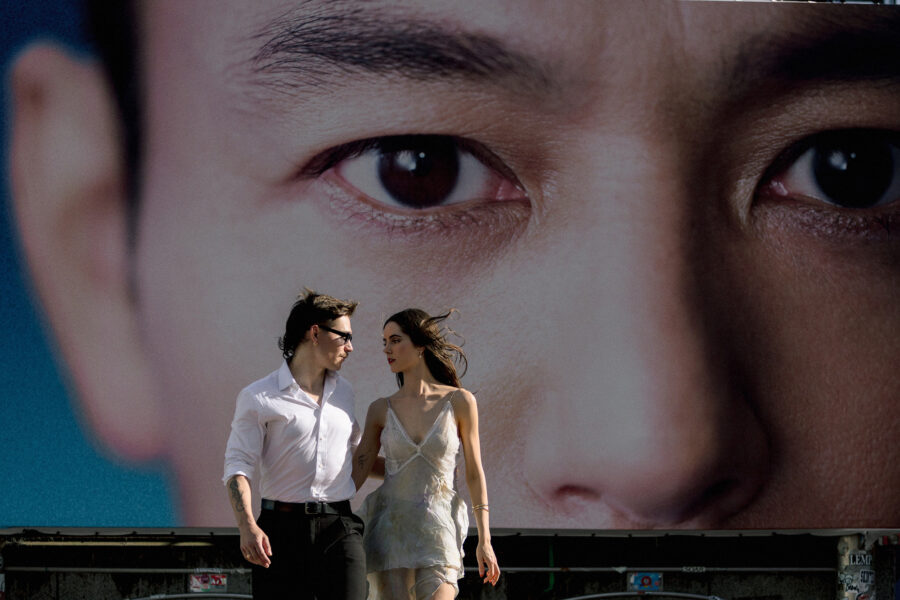
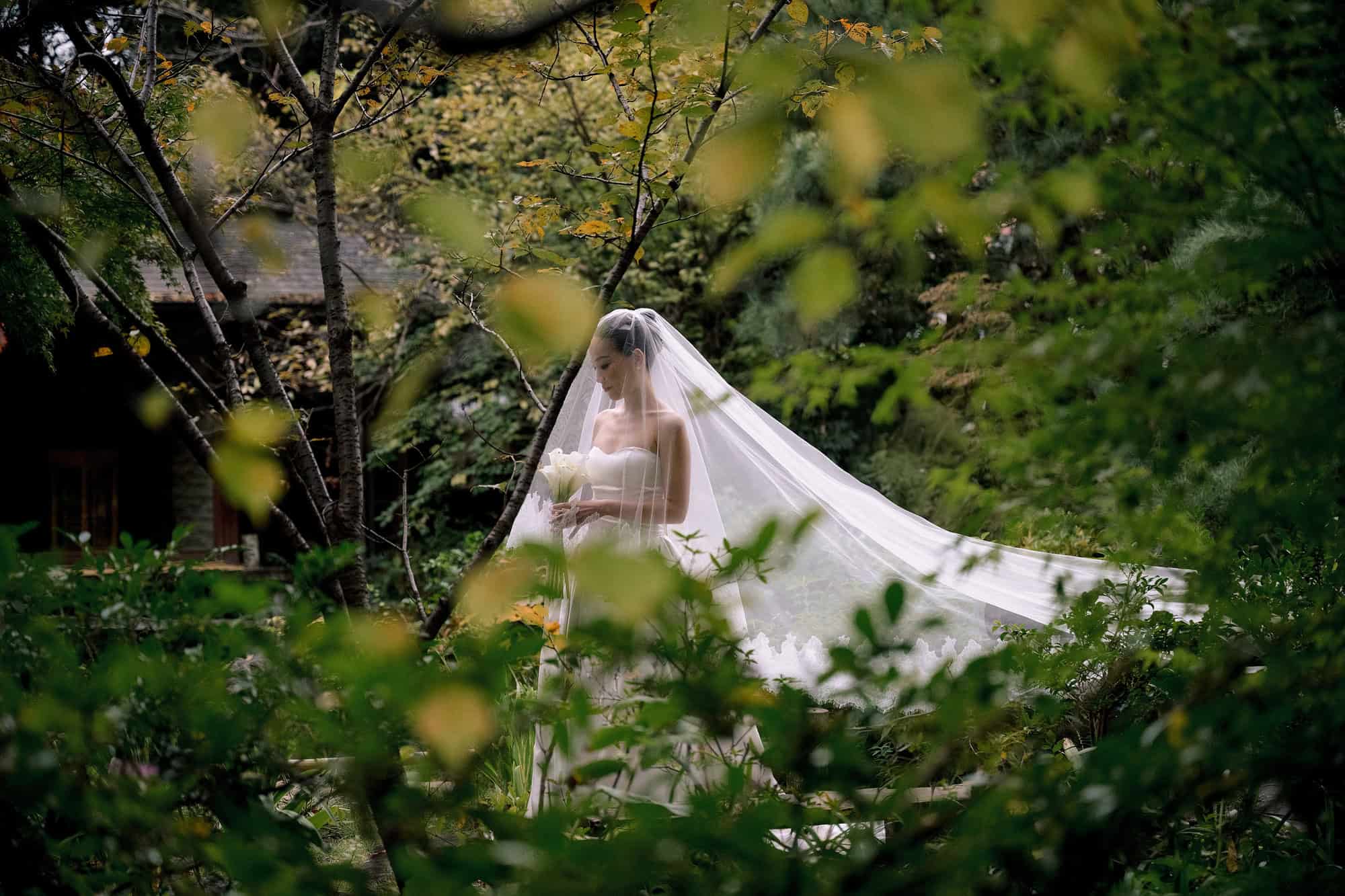
The photographs from this wedding hold extraordinary detail. The calla lilies. The sake cups. The stefana. The ryokan architecture. The forest. The long tables. The candlelight. Clothes chosen carefully. Hands placed just so.
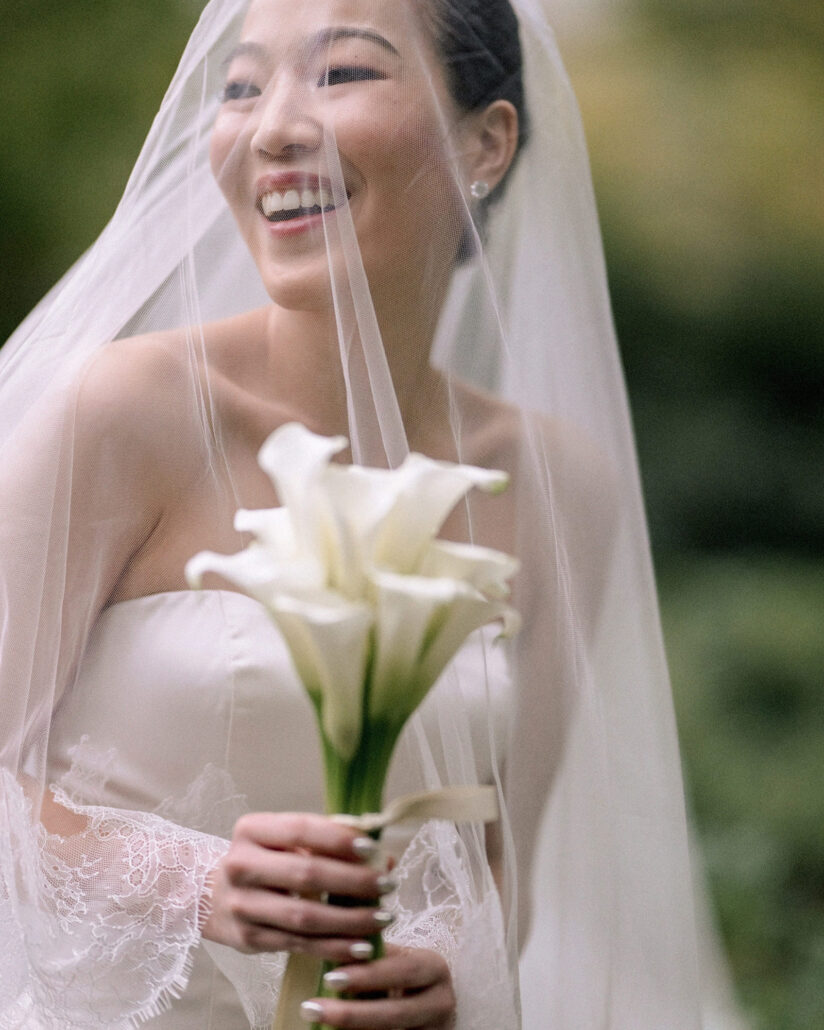
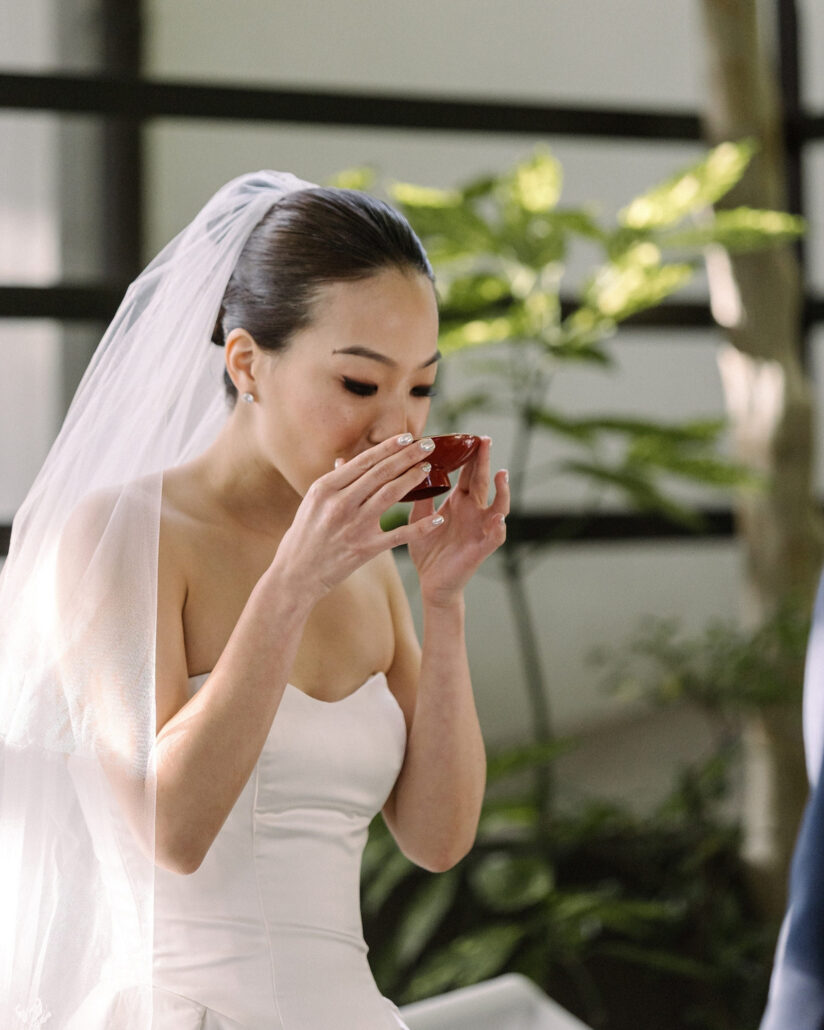
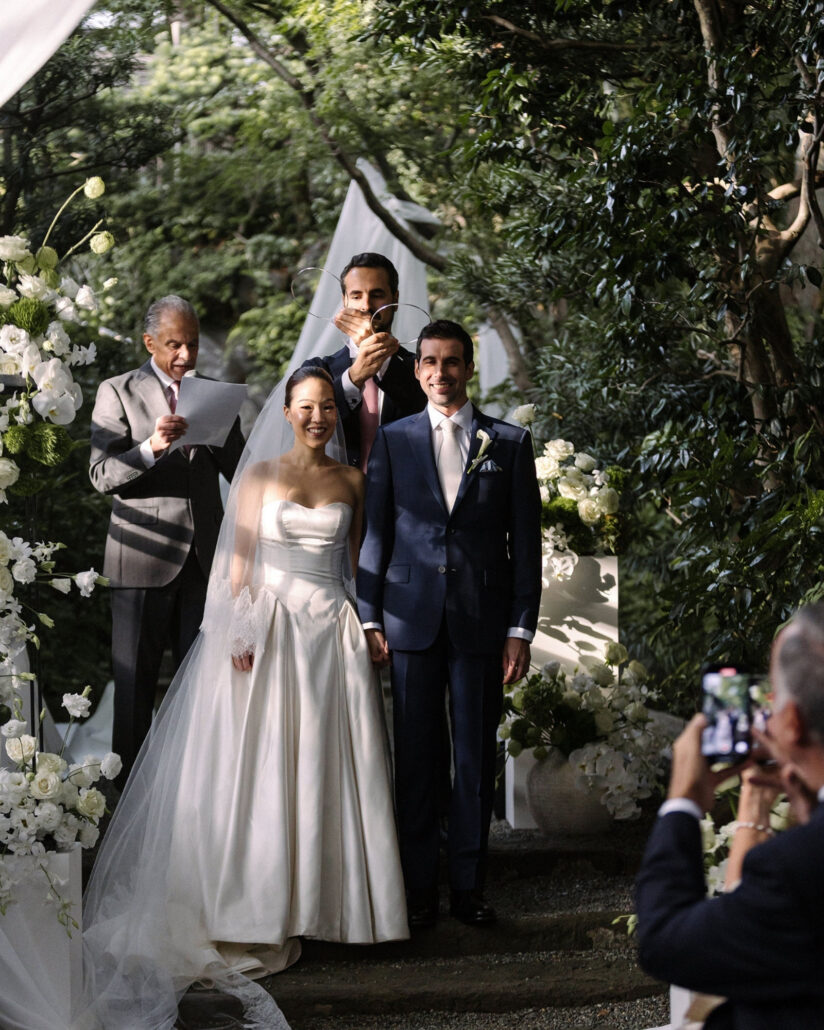
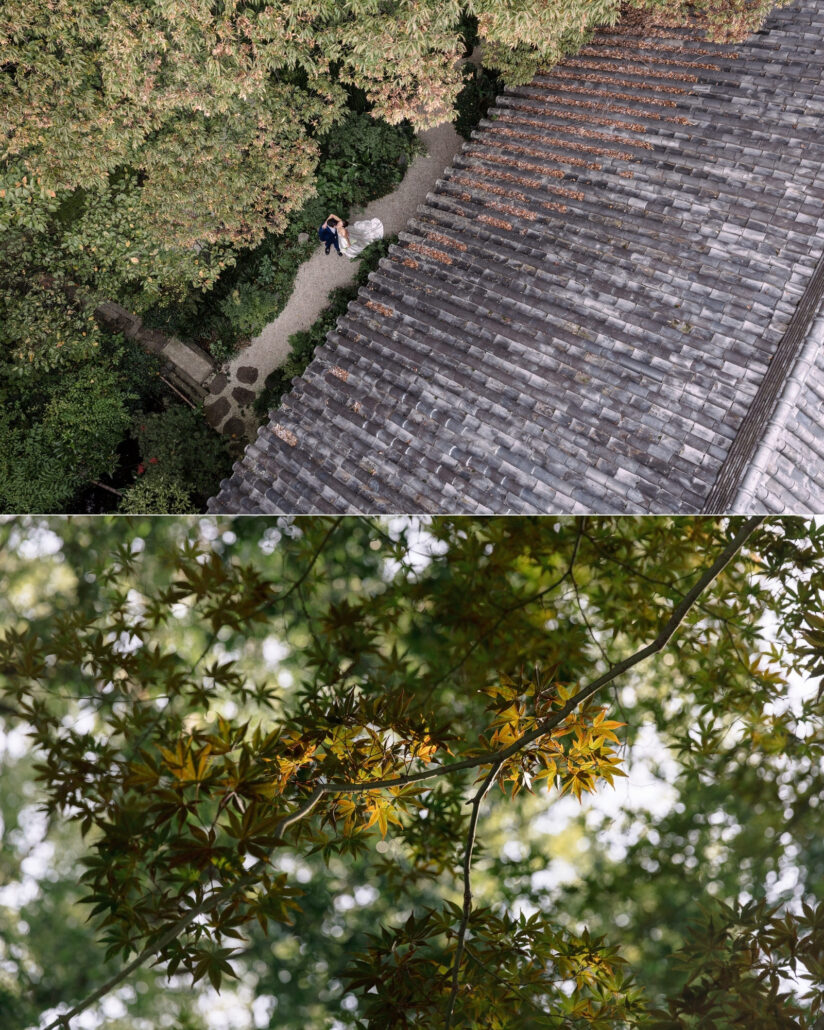
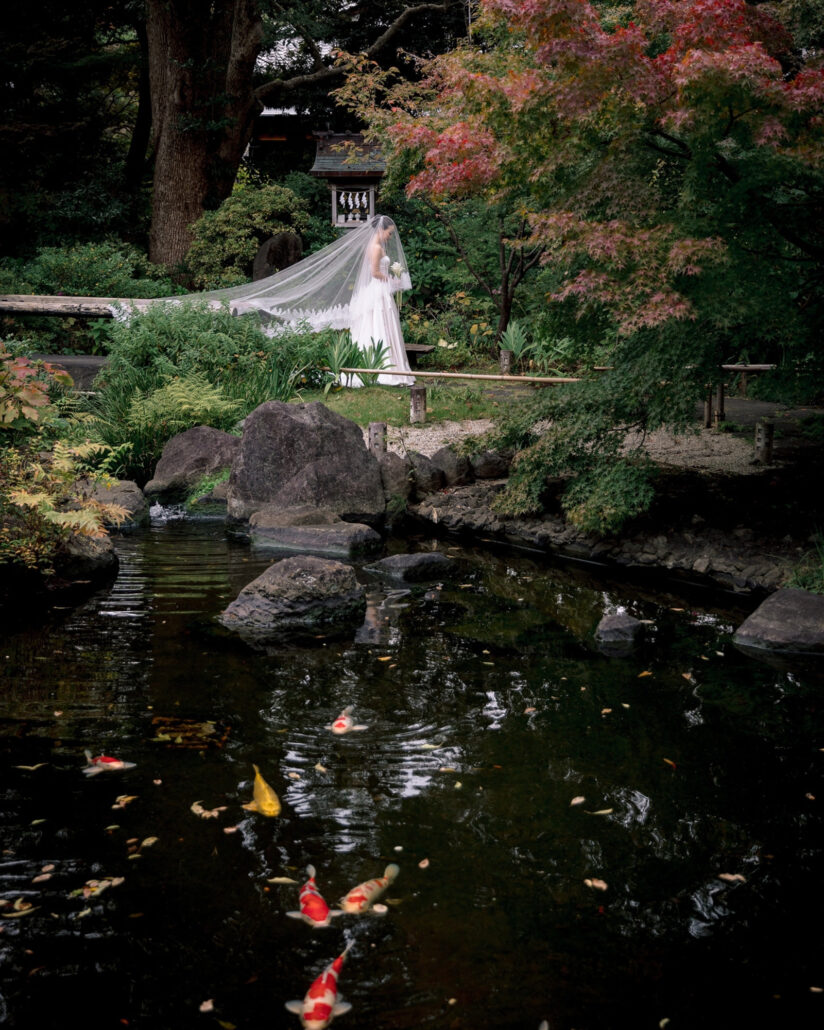
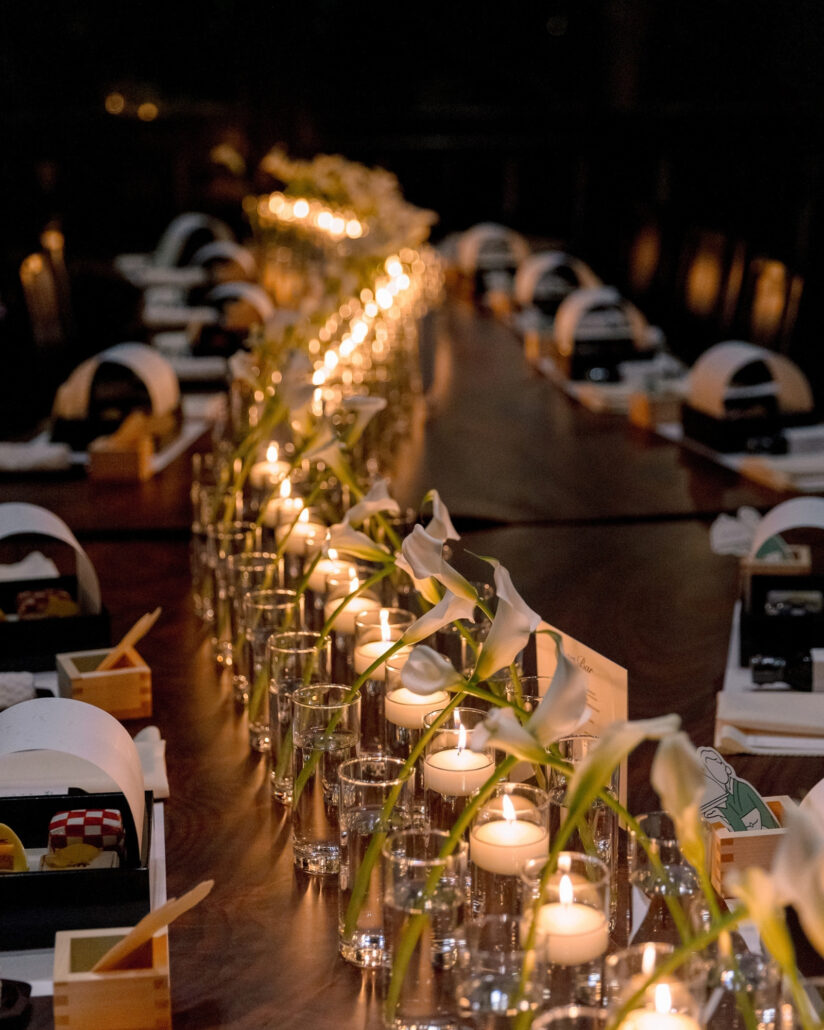
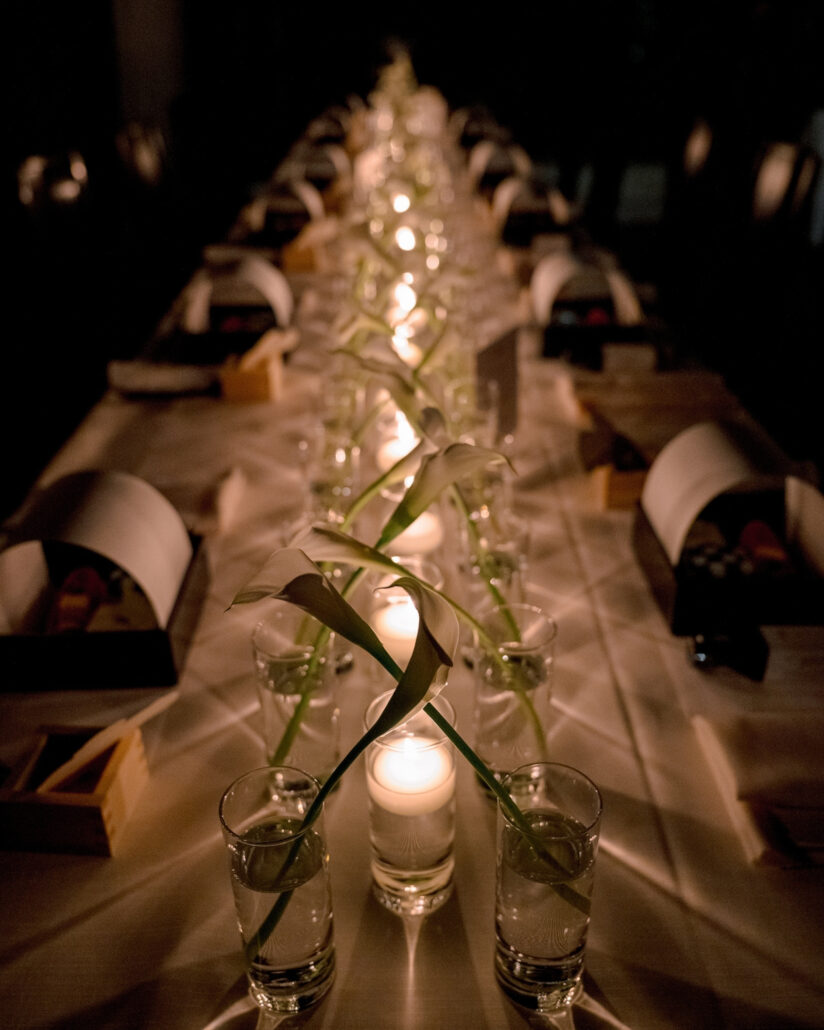
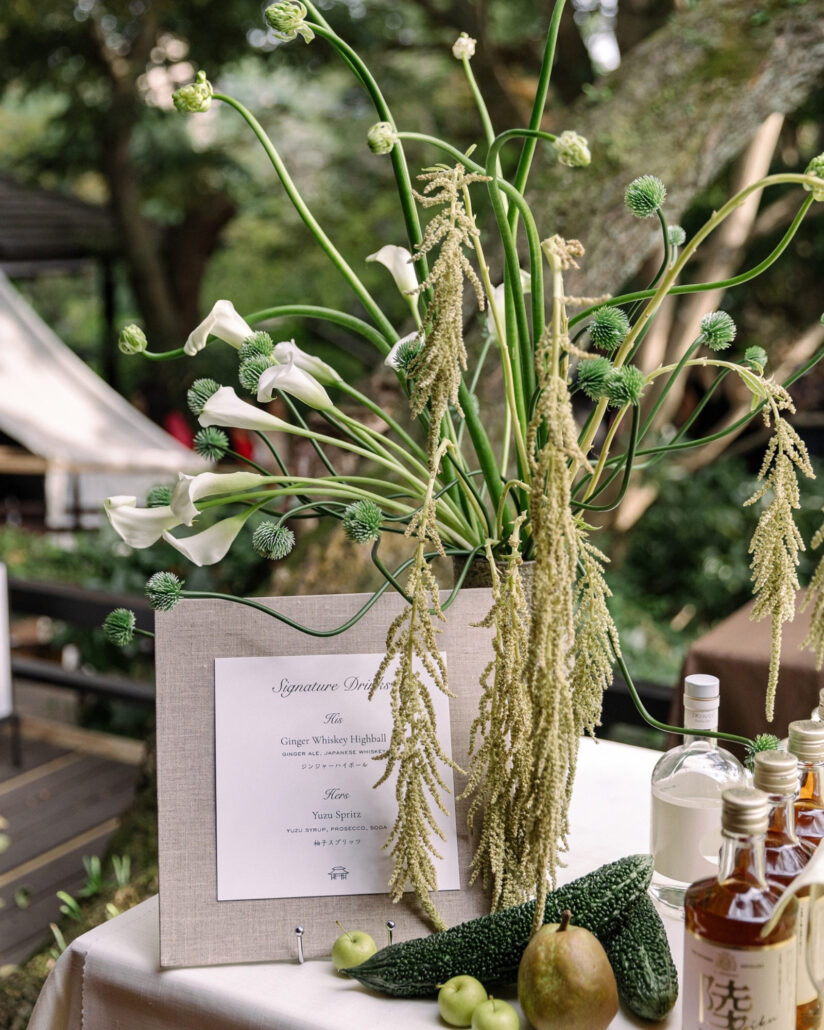
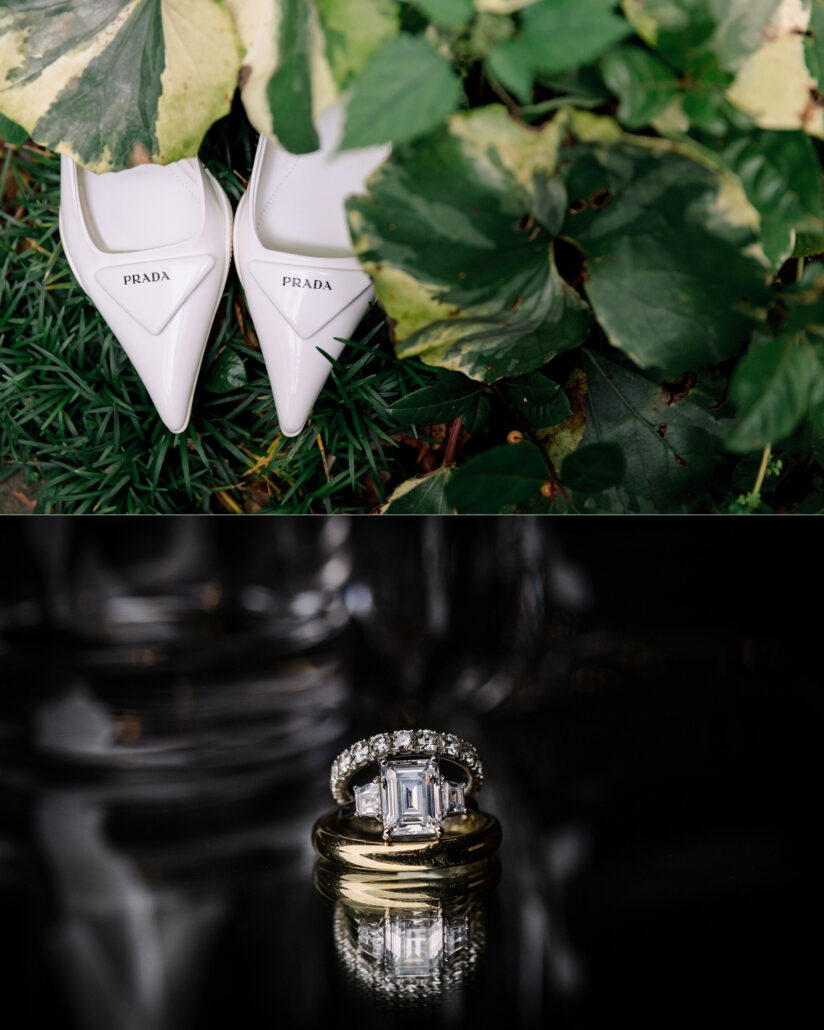
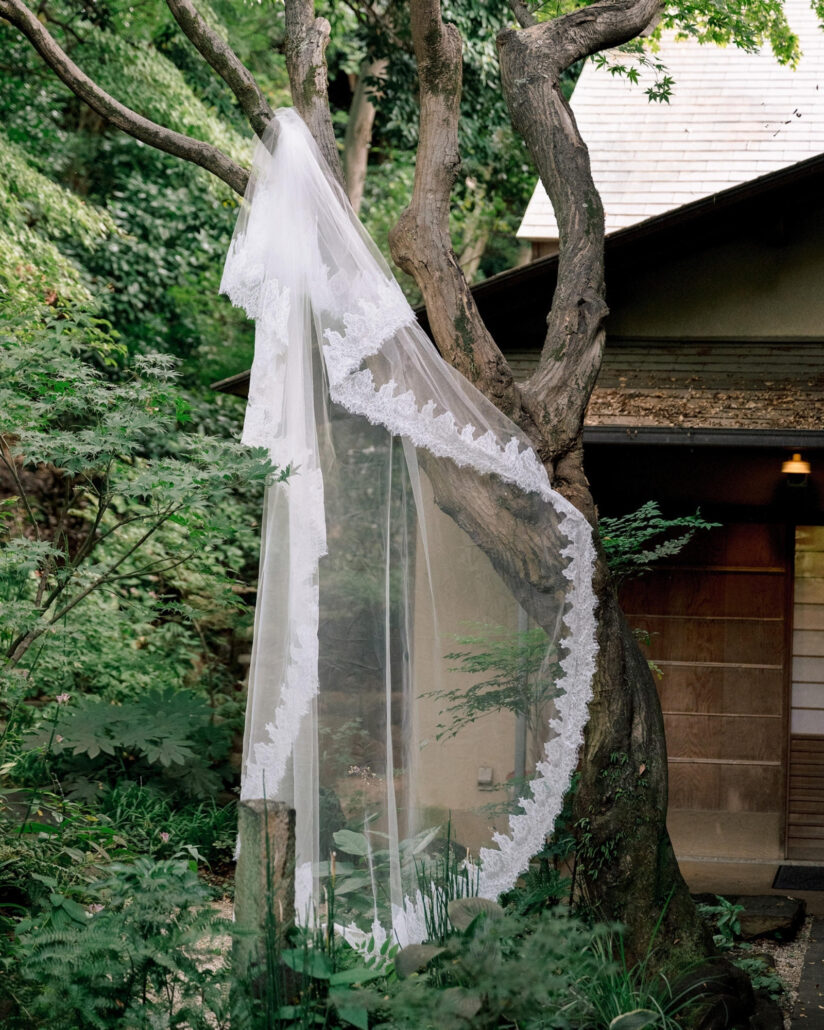
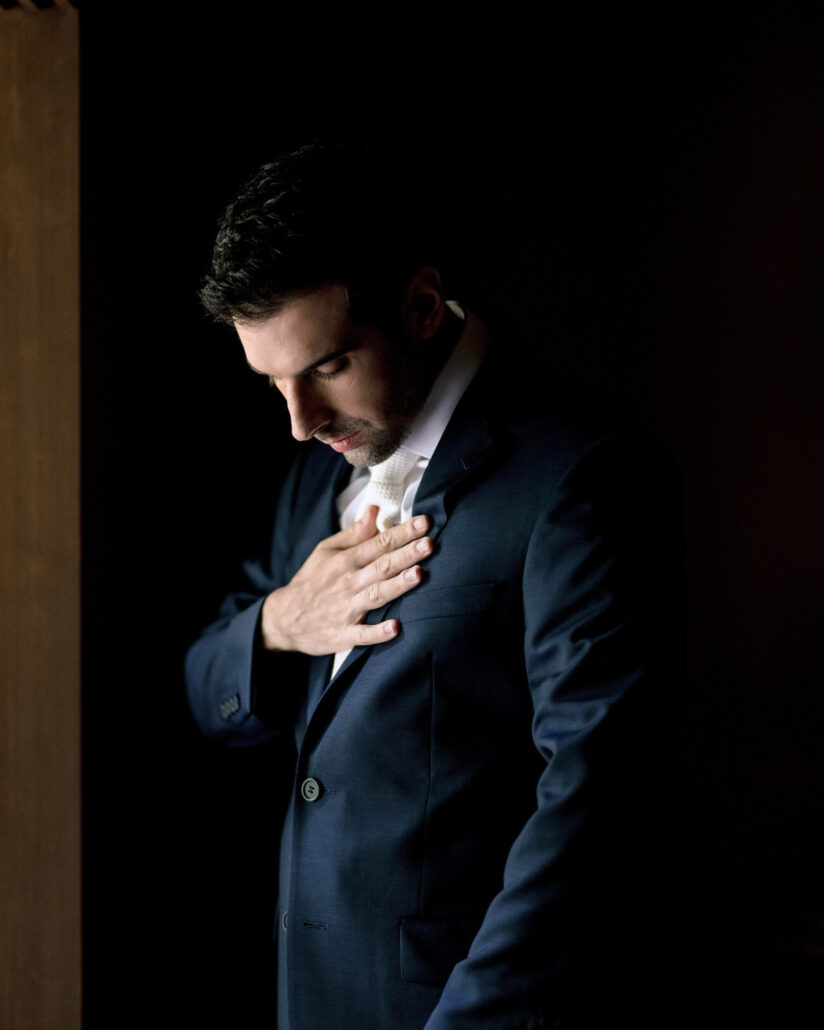
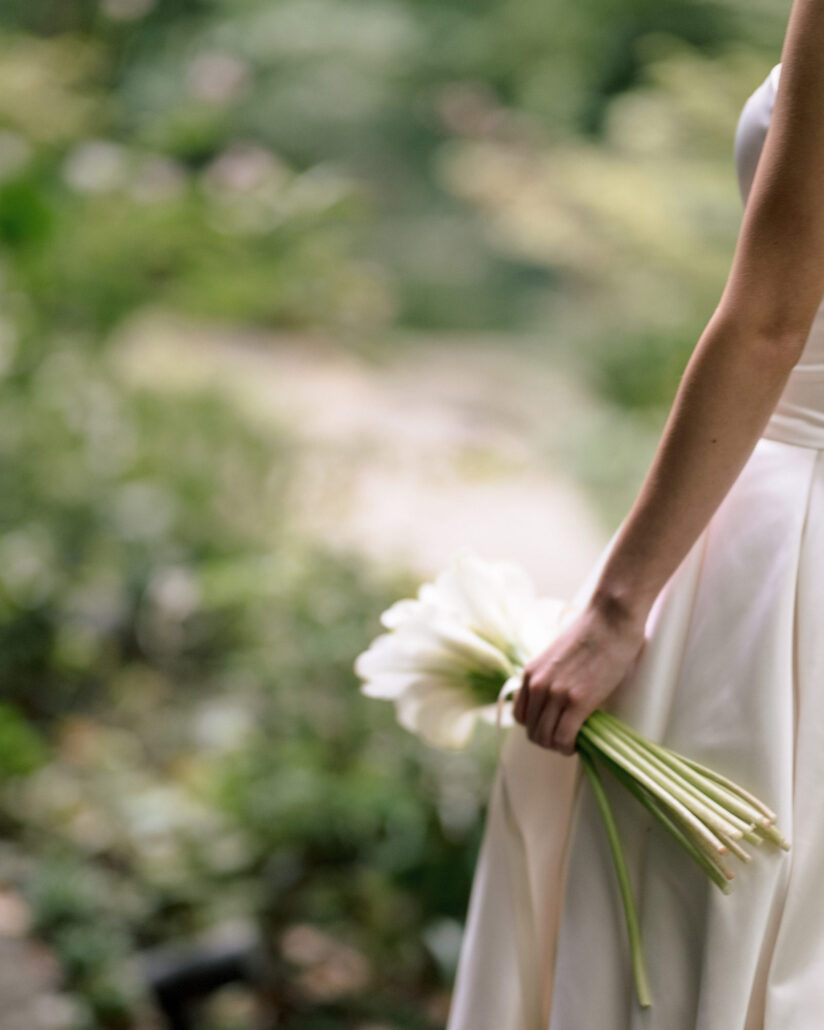
Film remembers something slightly different. How people move towards each other. How a quiet ceremony becomes dinner. How dinner becomes dancing. How the same bridge feels different at night when two people are running over it instead of walking towards their ceremony.
Their highlight is set to “Threads” by Roary, and that feels right for a wedding made from connections that existed long before anyone arrived in Japan. Families. Old friendships. Several countries. Three weddings. Traditions carried across borders because they still mattered when they got there.
Japan as Host
There’s a version of destination-wedding thinking that asks how much Japan can be fitted into a wedding. We’re more interested in another question. What happens when Japan hosts it well?
When the hospitality is Japanese. The gardens are Japanese. The food and service and attention to detail belong unmistakably to this place. And inside that, a couple is given enough room to bring themselves. That’s a much richer collaboration.
This wedding didn’t have to choose between Japanese restraint and Greek celebration. It got both. It got sake and mastika. Ryokan gardens and stefana. Quiet ceremony and a room that eventually became anything but quiet.
And somewhere between the first crossing of that bridge and the last, Japan stopped being simply where everybody had travelled. It became part of what they’d all remember.