Originally published 11 February 2026. Updated October 2026.
They flew in from the United States with a small group of the people closest to them, and the bride brought Sailor Moon. It came in the details she wore, chosen with the same care as the dress. In a mountain village at the top of Tokyo’s river, in a house built by silk farmers a century and a half ago, it looked entirely at home.
That’s because Sailor Moon is as Japanese as the house. Naoko Takeuchi’s story of a schoolgirl and the friends who save the world with her began in a Japanese girls’ manga magazine in the early 1990s, and within a few years it was on television around the world.
For a great many people who grew up far from Japan, the first Japan they ever loved was on a screen.
So this wasn’t a theme laid over a wedding. It was a piece of Japan coming back to Japan, worn by someone who had loved it for most of her life.
A Village That Became a Hotel
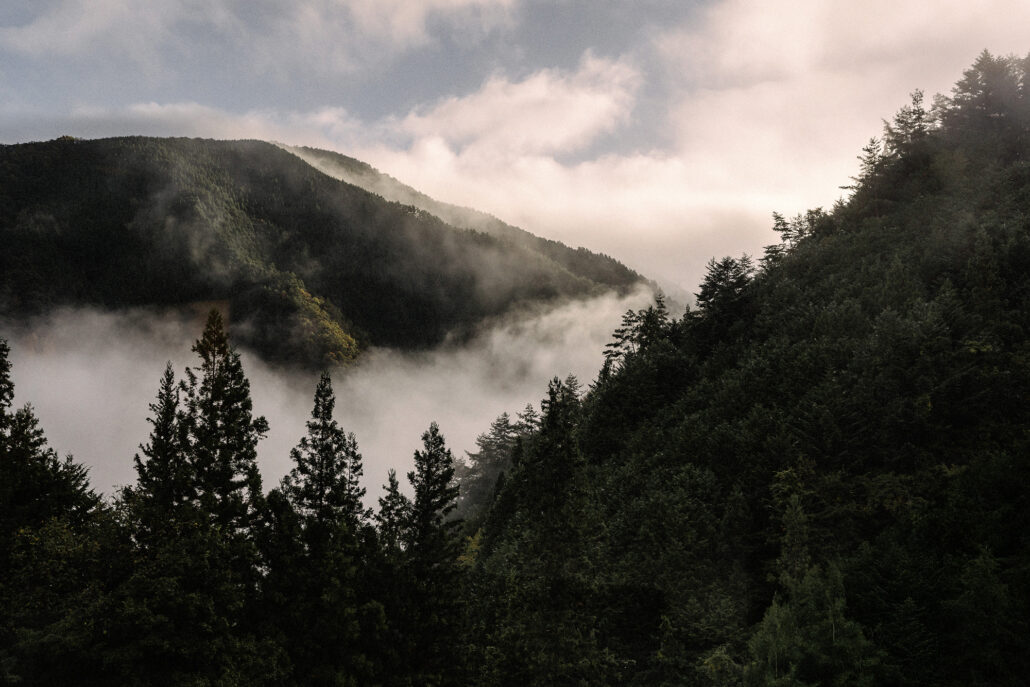
NIPPONIA Kosuge is a hotel spread through a village. Kosuge sits in the far north-east of Yamanashi, about two hours from Tokyo by car: a little over six hundred people, and forest over almost all of the land. Since 2019 its old houses have been restored as rooms, and the people who live there look after the guests. At the centre is the Ōya, a house built about a hundred and fifty years ago by a family who made their living from silk.
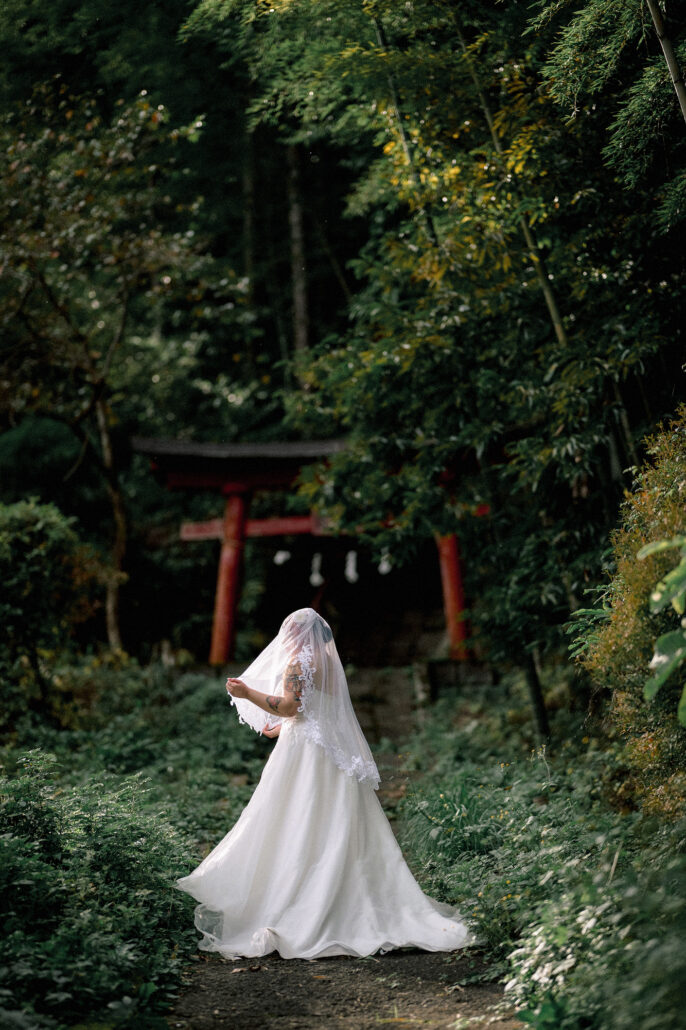
For a small wedding, that changes the shape of the days. Guests don’t arrive at a venue and leave again. They move into a village for a while. They walk between the houses, find the little red torii in the bamboo and cedar above the lanes, and sleep under beams older than anything most of them had ever stayed in.
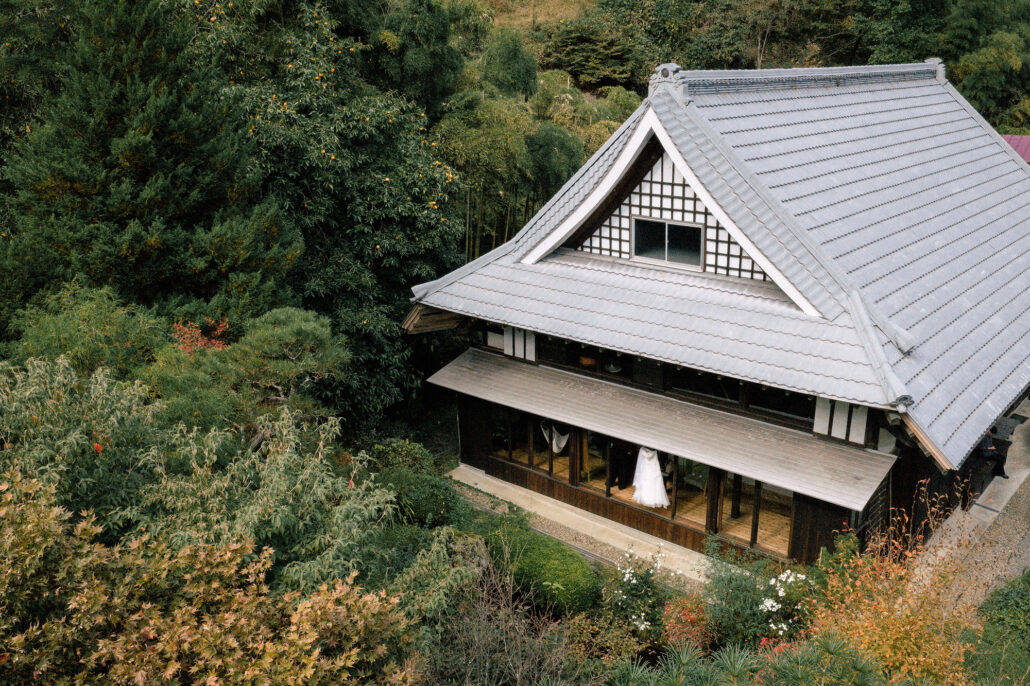
The Morning in the Old Houses
The morning happened in the village’s old houses, among their closest friends, and the noise carried. An old Japanese house is good at this. It was built for a family and everyone who came through its door.
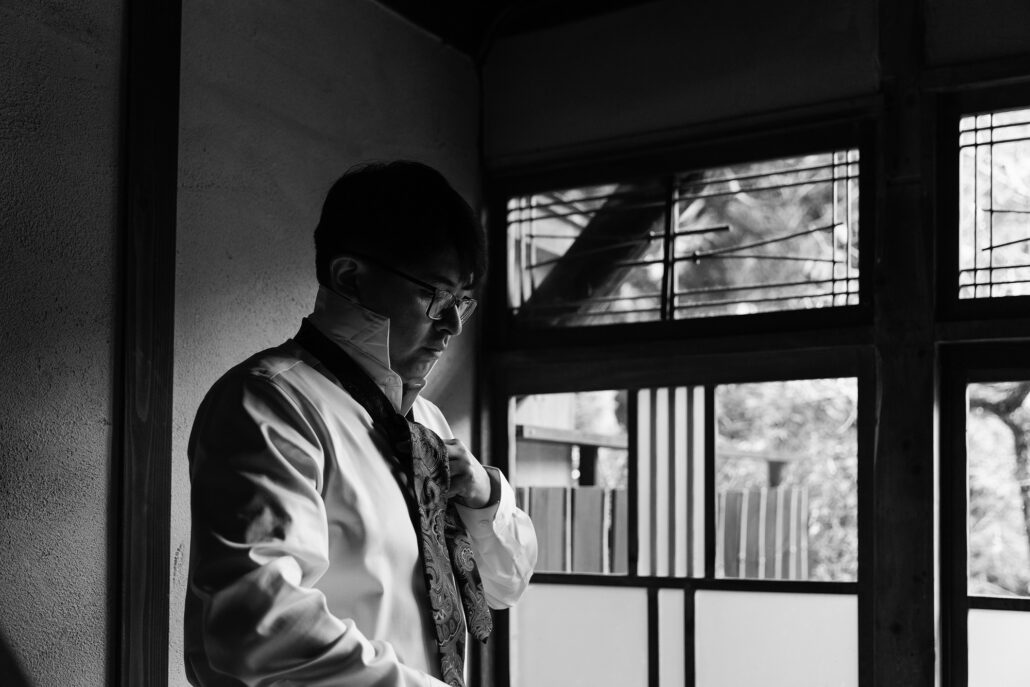

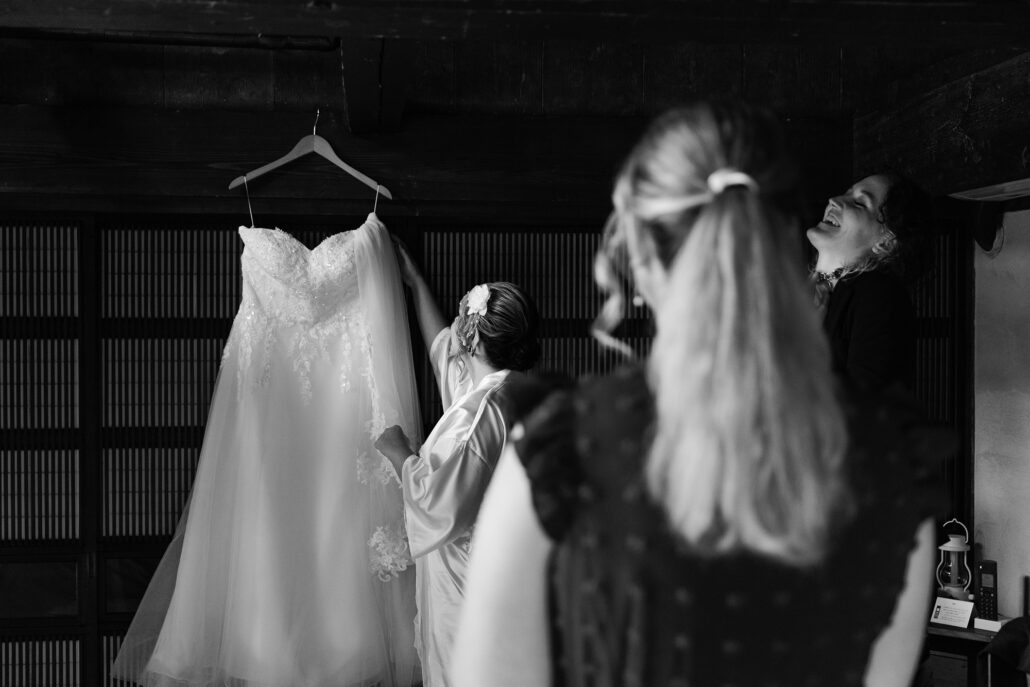
Somewhere in that morning the last of the Sailor Moon details went on: the headdress, and the gold chains her friends lifted over her head and fastened. Nobody treated it as a costume. It was simply part of what she was wearing to marry him.



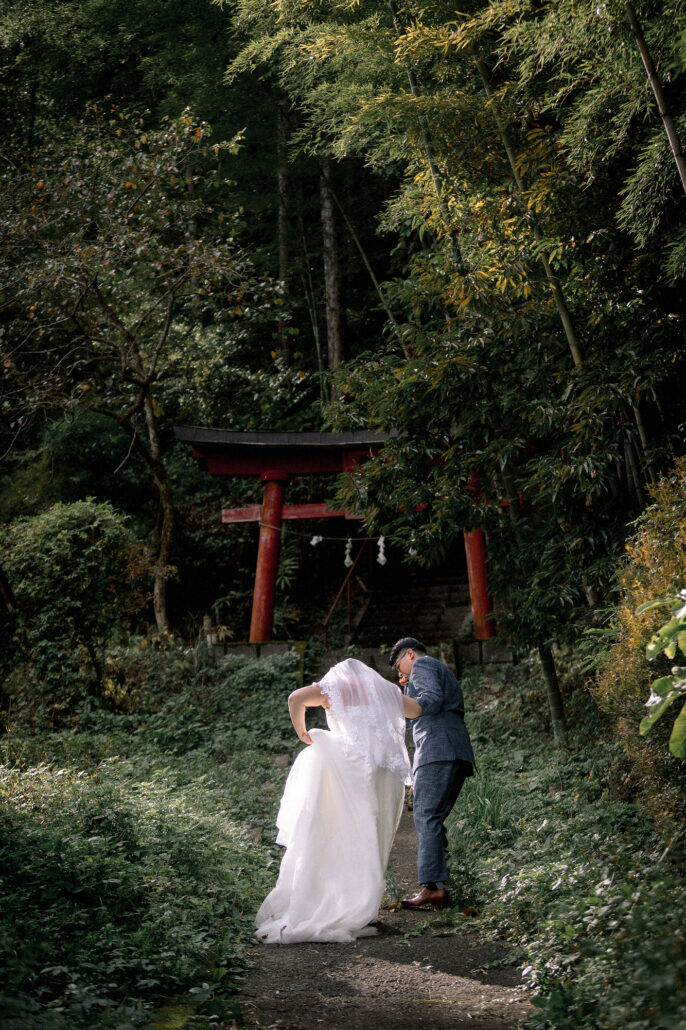
Vows in the Garden
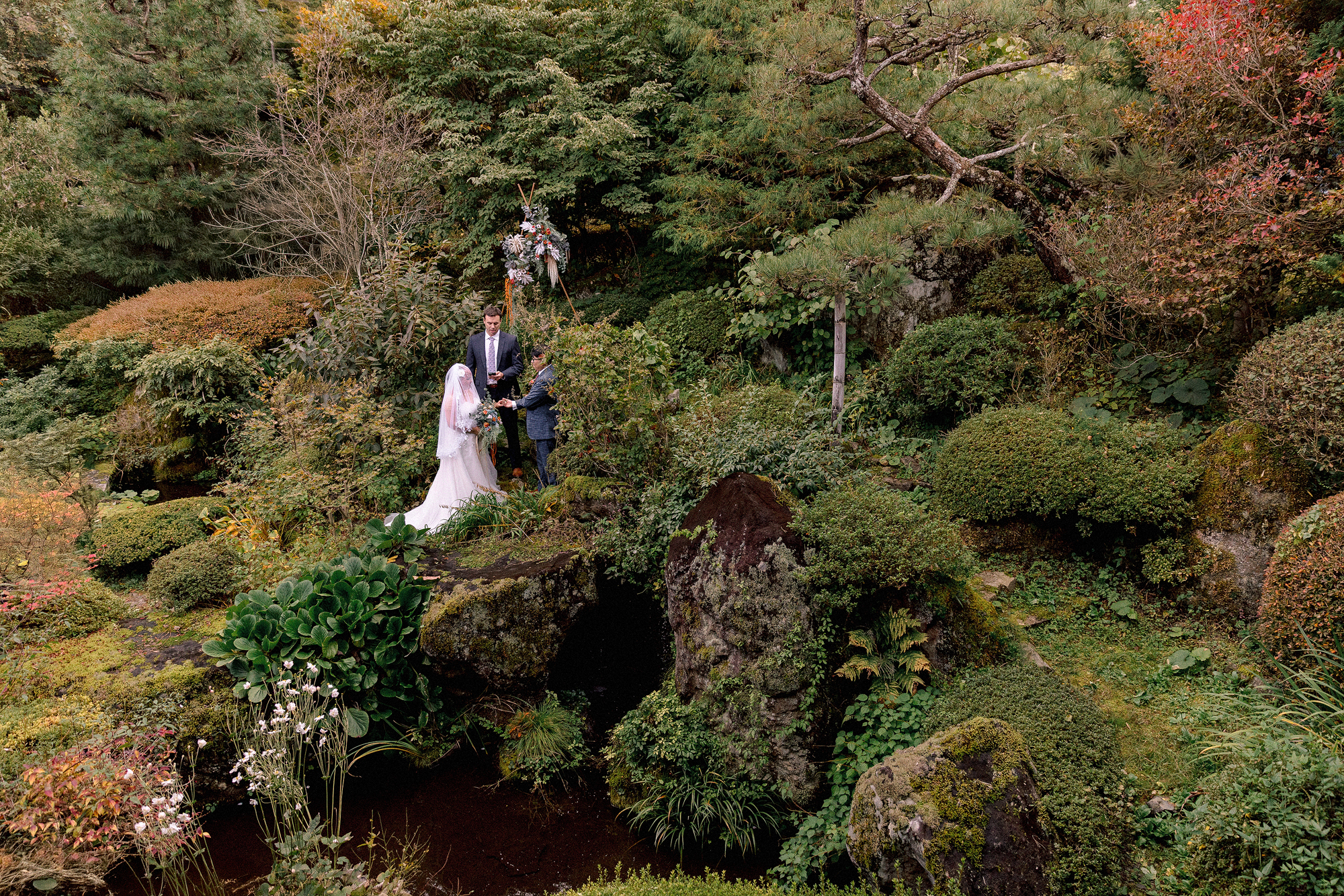
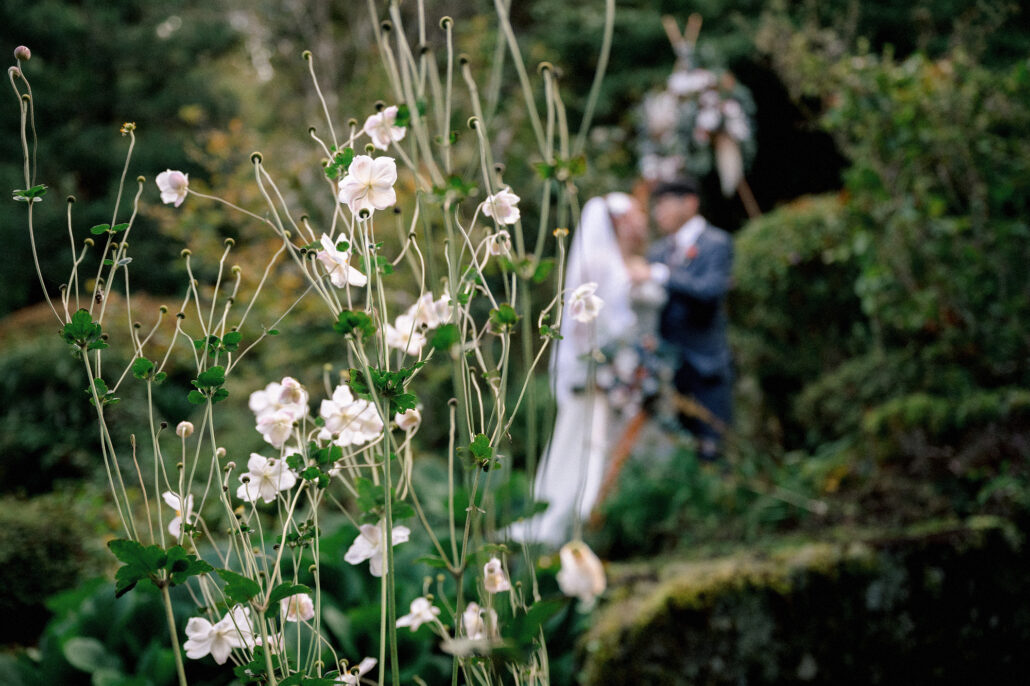
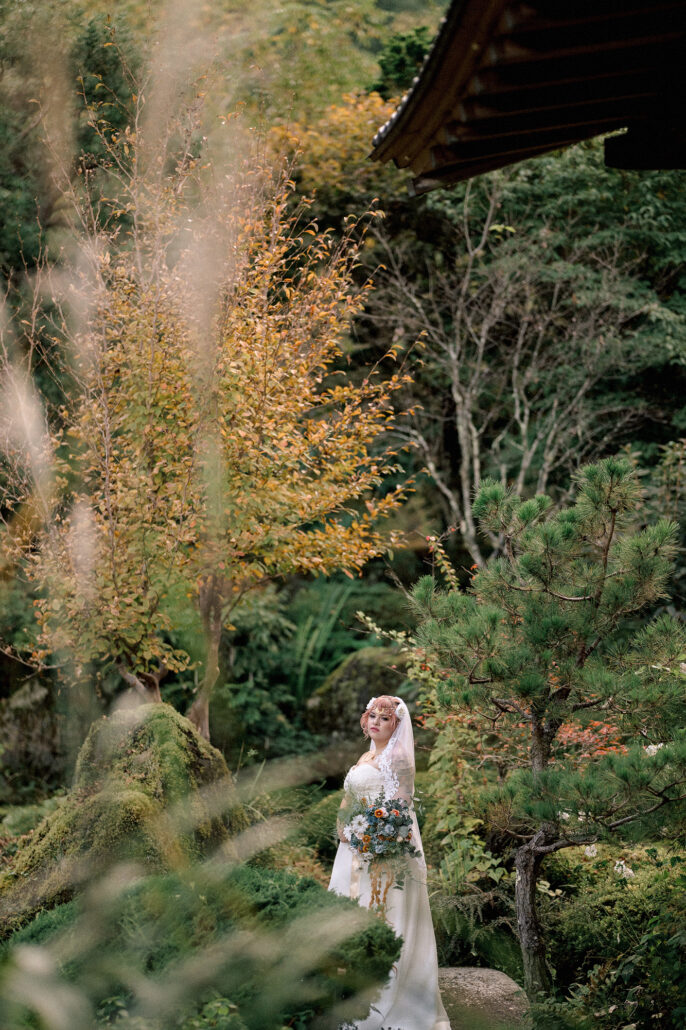
They married in the garden below the house, among moss and stone and old pines, at the end of October, when the hills above the village were just beginning to turn. White Japanese anemones were still flowering beside the paths. Their people stood close, which is one of the real advantages of a small wedding: nothing happens at a distance, and nobody watches from the back.
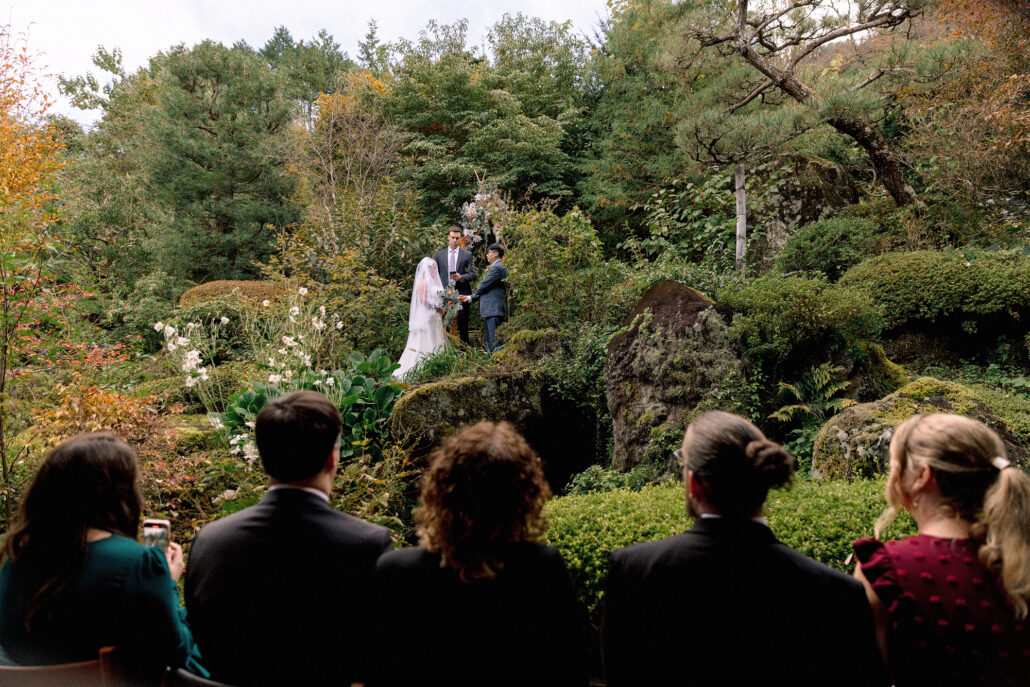
The vows were theirs, and they stay theirs.
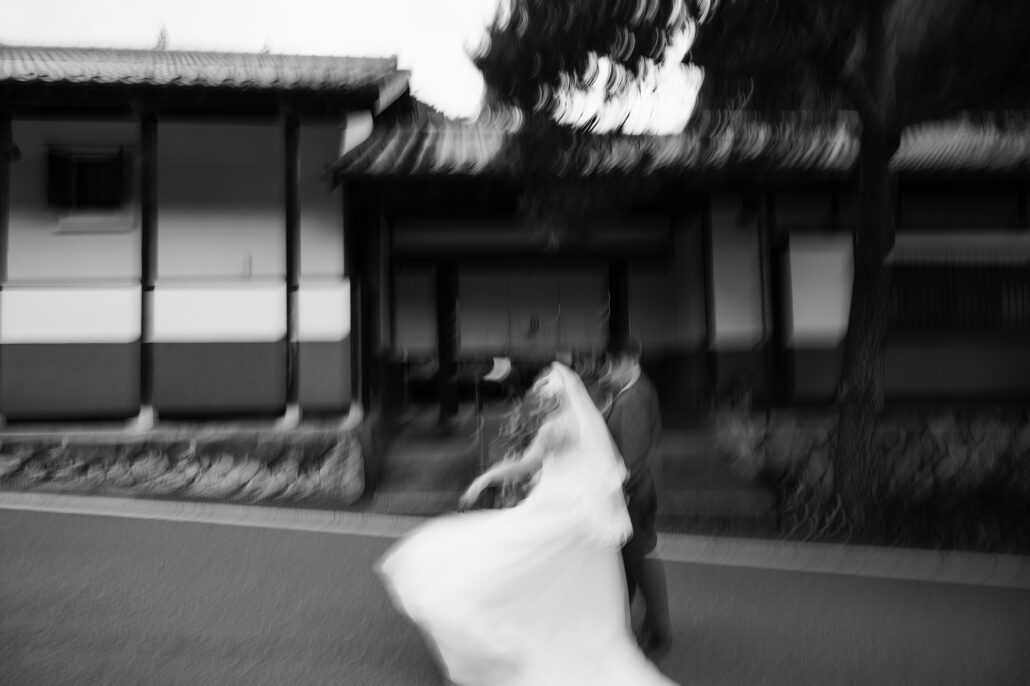


Dusk, and a Long Table
At dusk, the two of them walked out among the persimmon trees. In late autumn the fruit hangs orange in village gardens across Yamanashi, and in parts of the prefecture much of it is peeled and hung under the eaves to dry for the winter. It’s one of the quiet signs of the season here.
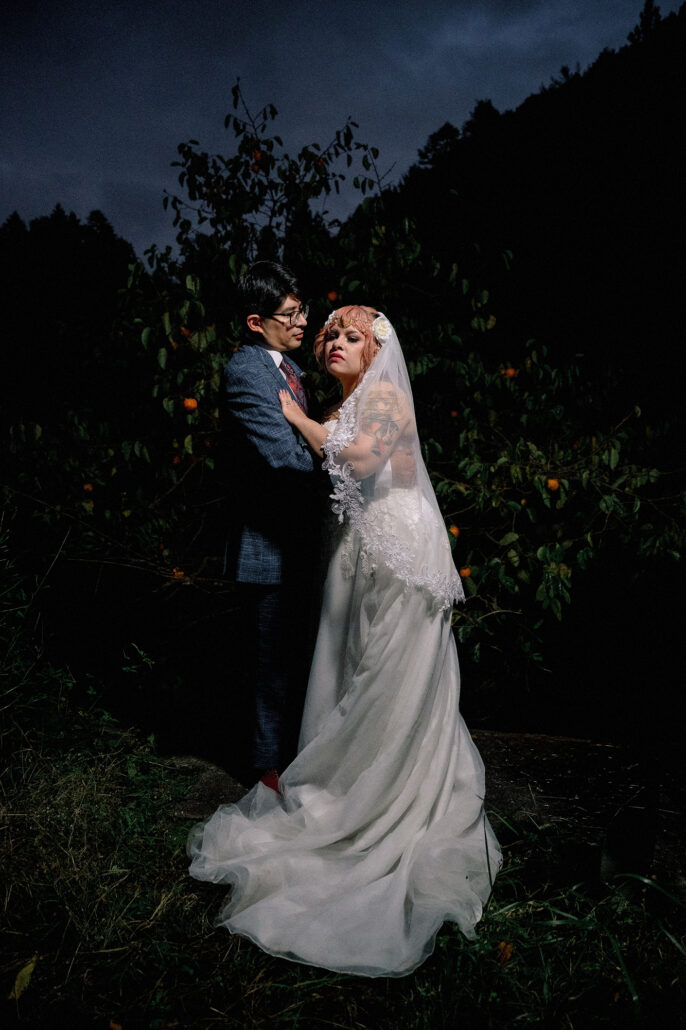
Dinner was a long table, and the toasts ran long. The chef at NIPPONIA once ran his own Michelin-starred restaurant, and left that pace behind for a kitchen in the mountains, where the ingredients come from the village and the valleys around it. In late October that means mountain food: river fish and wasabi from the valley.


She grew up with one Japan, on a screen on the other side of the world. She married in another, in a silk farmer’s house at the top of Tokyo’s river. The two got on perfectly well.
What to Know About NIPPONIA Kosuge
- Where it is. Kosuge, in the far north-east of Yamanashi, bordering Tokyo’s Okutama, about two hours from central Tokyo by car.
- What it is. A hotel spread through the village since 2019: rooms in restored old houses, hosted by the people who live there. The main house, the Ōya, was built about a hundred and fifty years ago by a silk-farming family.
- The village. A little over six hundred people, with forest over about 95 percent of the land, part of it inside Chichibu Tama Kai National Park.
- The river. Kosuge lies in the headwaters of the Tama River, which runs on through Tokyo to the bay.
- In autumn. Colour comes into the hills from mid-October and is at its best in November, and persimmons ripen in the village gardens.
Their Film
Their film shows what the photographs can only suggest: the countryside around the village, the hills and the light of Yamanashi in autumn, and how naturally a celebration can take in everything that matters to the two people at the centre of it.