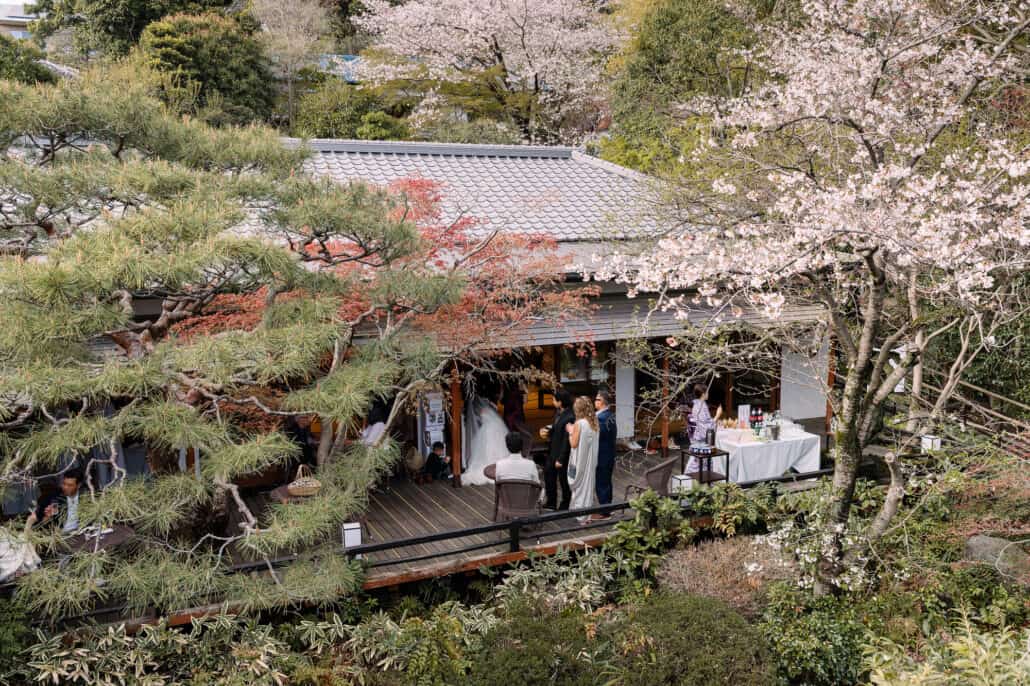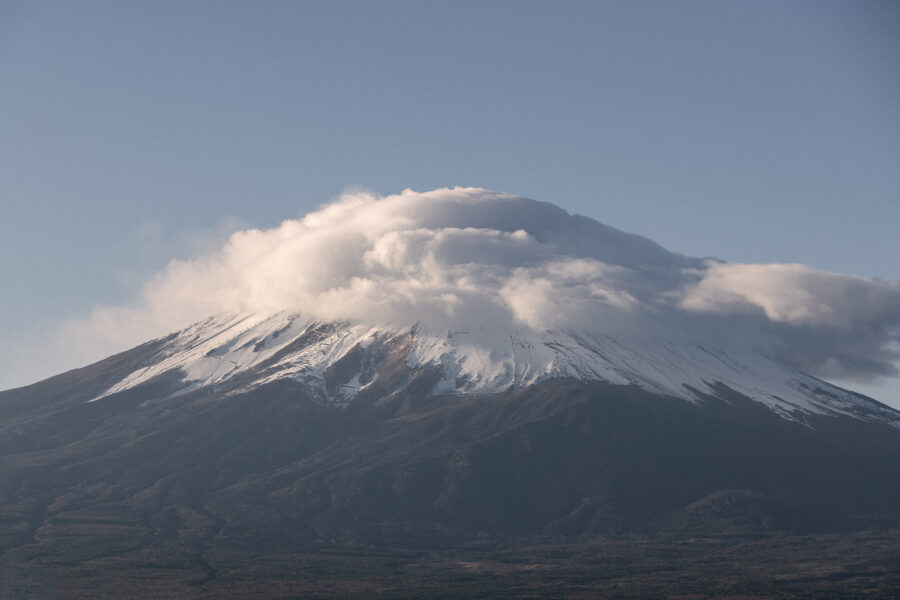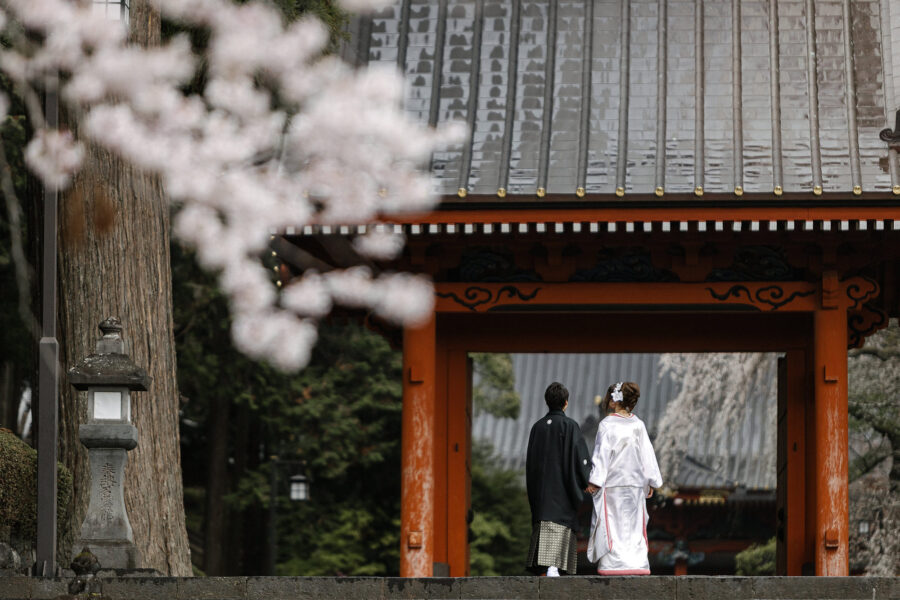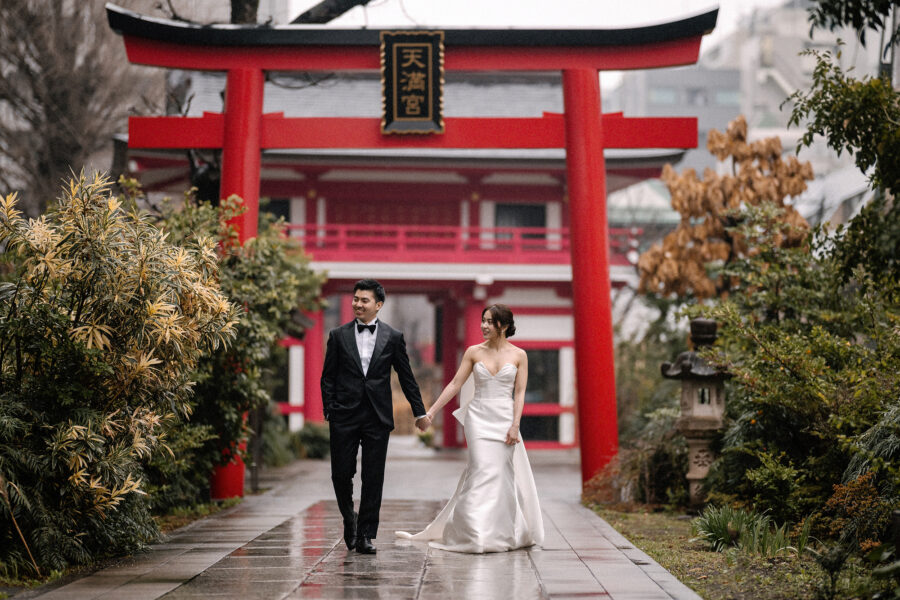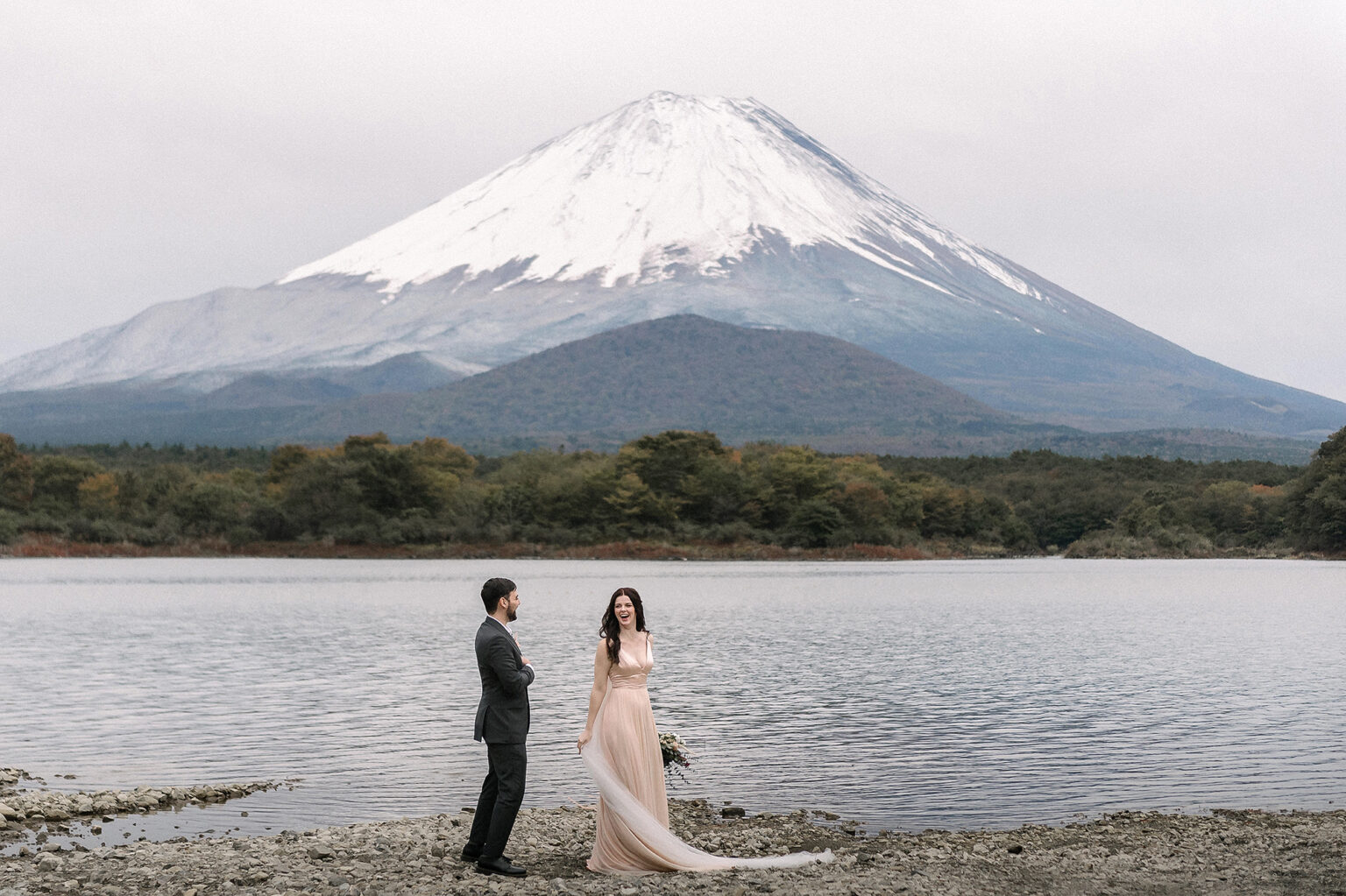
We take on a small number of large-scale weddings each year. A small number of medium and micro weddings. And a set number of elopements. People sometimes assume the elopements fill whatever space is left on the calendar after the larger weddings have been booked. They don’t. Elopements are their own discipline, with their own briefing process, their own design language, and their own intelligence about pacing and place. The skills they require are less about vendor logistics and more about emotional architecture. We take that work as seriously as anything else we do. Often more.
What links every wedding we plan, regardless of size, is something we’ve come to think of as the real reason this generation is choosing destination celebrations in the first place.
A Generation That Understands the Need to Celebrate
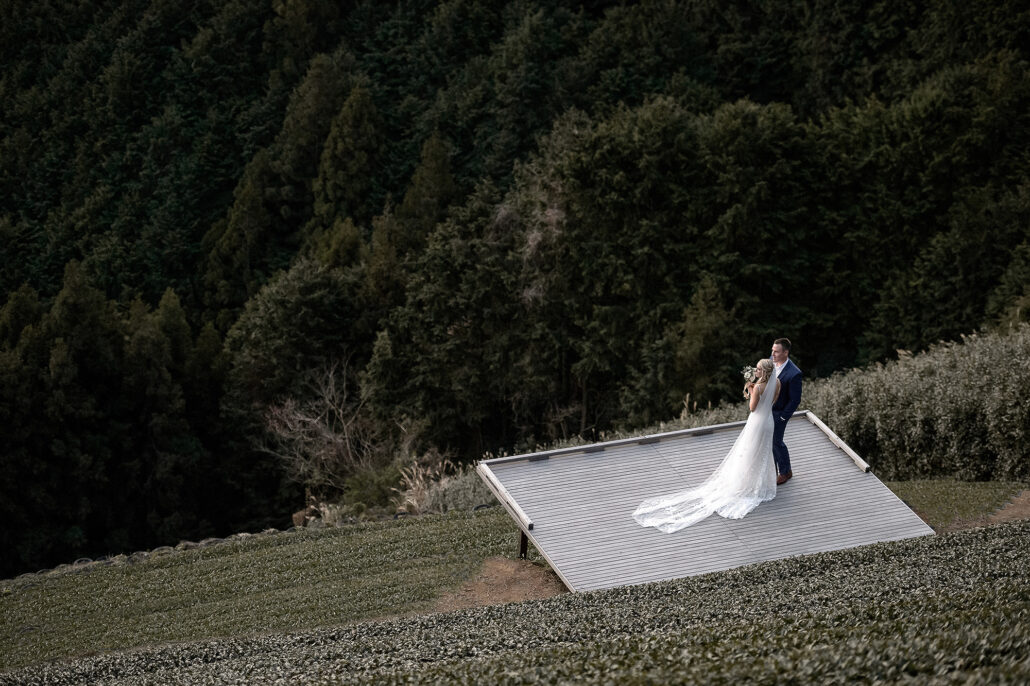
The couples coming to us in the past few years are mostly in their late twenties and early thirties. They are educated, well-travelled, culturally literate, and used to having access to almost anything they want. They are also, in our experience, more deliberate about marriage than the generation before them.
They are not booking weddings because they feel they should. They are booking weddings because they understand, often without being able to articulate it, that a wedding done with real intention is one of the few things modern life still offers that anchors a moment in time. They understand the need to celebrate. They understand the need to fill a short life with meaning and memory. They want something to hold on to.
This is a generation that has grown up watching the world rearrange itself constantly. They have seen industries collapse, pandemics rewrite ordinary life, political certainties dissolve, friendships migrate online, attention spans shrink, and technology change the texture of daily existence on a near-monthly cycle. The pace of change is no longer something that happens to them. It’s the climate they live inside.
So when this generation chooses to host a wedding, especially a destination one, they’re not making a frivolous decision. They’re making a structural one.
The Hunger for Something That Holds
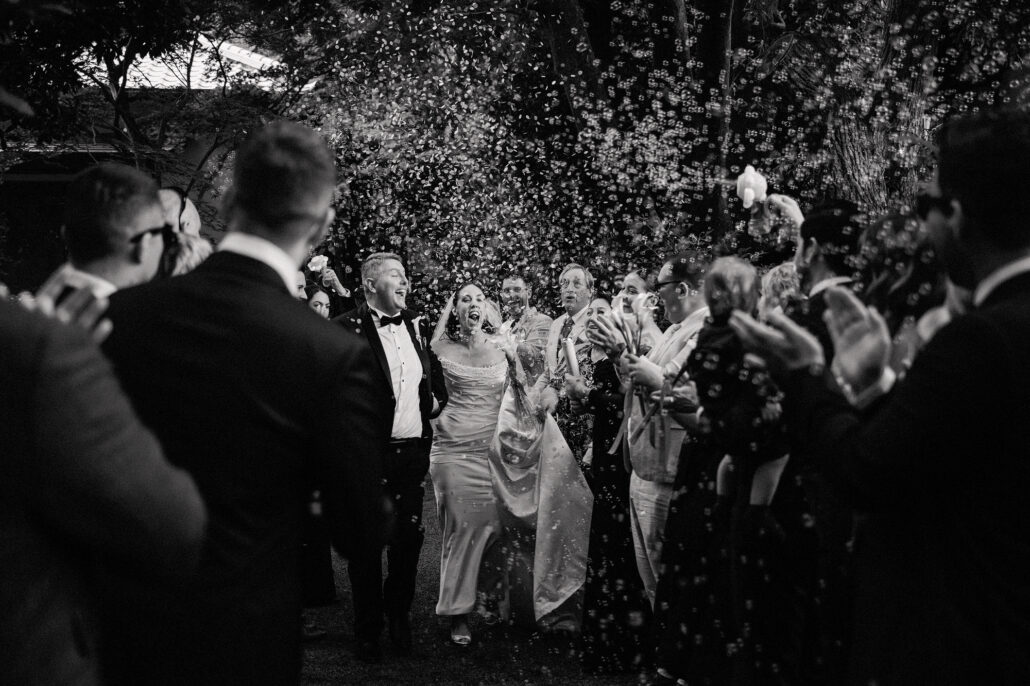
There is a particular kind of exhaustion that comes from living inside the speed of modern life. And there is a particular kind of hunger that comes with it. The hunger for something that holds. Something fixed. Something you can return to in memory and find unchanged.
A wedding, done with real intention, is one of the few experiences left that does this work. It collects the people who matter. It makes time stand still long enough to be witnessed properly. And then it stays, both in the photographs and in the body, as a piece of ground that will not move no matter what shifts around it.
This is the deeper reason destination weddings are growing rather than shrinking, even as so many other rituals have softened or fallen away. The couples we work with aren’t reaching backward to recreate a wedding their parents would have had. They’re reaching forward, building something that will function as an anchor for the rest of their lives. The choice of country, the choice of season, the choice of guests, the choice of pace, all of it gets considered through that lens. What will we want to return to in twenty years? What will hold?
The shape of the celebration matters less than the intention behind it. Some couples want their entire community gathered around them. Some want a quiet morning at sunrise with no one watching. Both impulses come from the same place. Both are answers to the same hunger.
Why Elopements Aren’t a Smaller Wedding
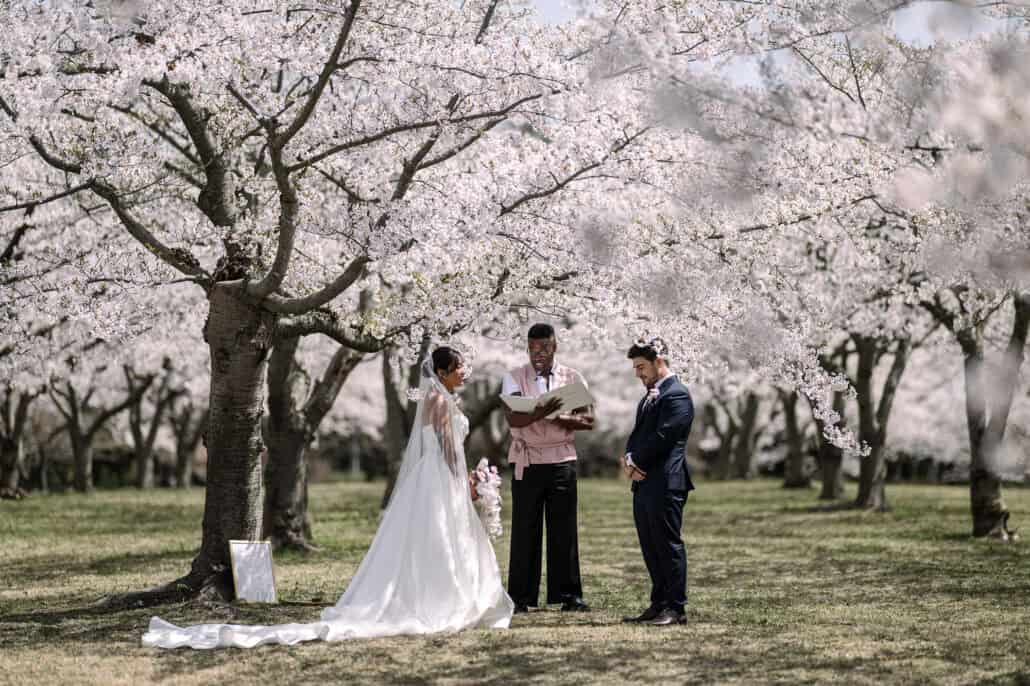
The assumption that an elopement is simply a wedding scaled down is one of the most persistent misunderstandings we encounter. It isn’t.
A large wedding distributes its weight across hundreds of guests, multiple vendor relationships, a longer day, more rituals, and a wider emotional surface. The energy is collective. The atmosphere is created by the room. The couple is held by the celebration as much as they are the centre of it.
An elopement asks two people to carry every weight themselves. There are no guests to share the emotional load. No room full of friends absorbing nervous energy and reflecting it back as joy. No long timeline to let small moments breathe between bigger ones. The whole celebration sits in the bodies of two people, and the day is built or broken by how carefully the experience has been designed around them.
This is why elopements are, in many ways, the harder discipline. They demand a different kind of planning intelligence. Less coordination of moving parts, more architecture of feeling. Where to begin the day. How to pace the silence between rituals. When to introduce a third presence (an officiant, a koto player, a moment of food shared in a mountain café) and when to leave the couple completely alone. Every decision carries more weight because there are fewer decisions absorbing the load.
We take elopement planning as seriously as any large wedding we design. The skill set is different. The standards are the same.
Why Japan, and Why Now
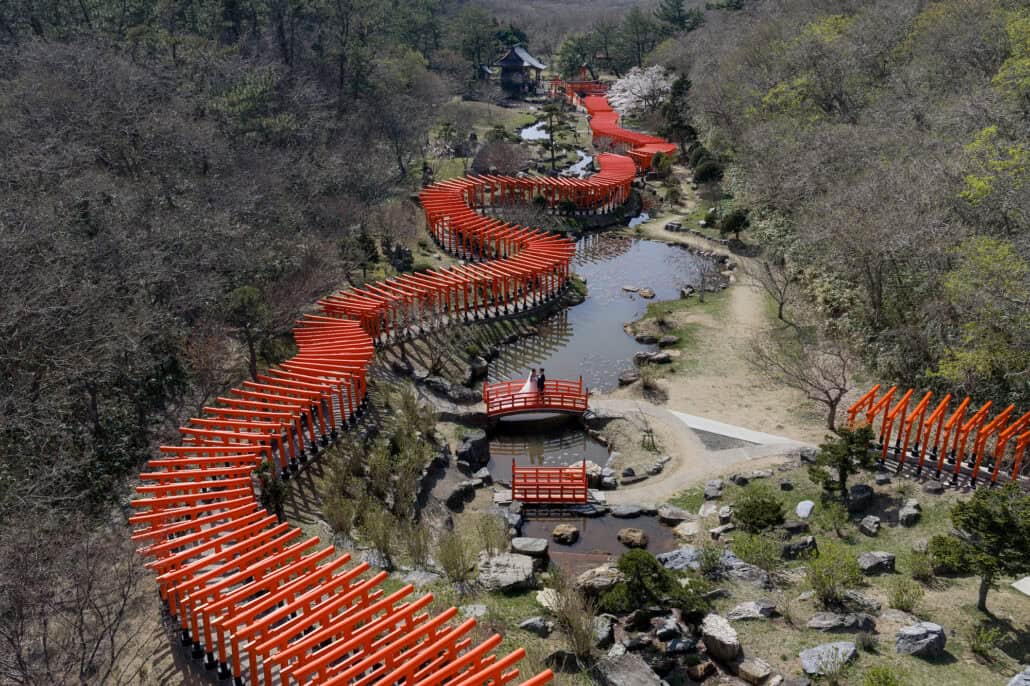
There’s a reason Japan has emerged, in this exact moment, as one of the most considered destination wedding choices for the couples we work with.
The country offers what very few places can. Hospitality without performance. History without museum stillness. Pop culture and Zen craft and centuries of ritual sitting beside each other without contradiction. Energy and quiet held in the same room. Japan does not announce itself as a wedding destination the way Bali or Tuscany or the Amalfi Coast do, and we love those places deeply. But Japan operates on a different frequency. It still feels, to most couples who arrive here, like a kind of secret.
There’s also something about the cultural infrastructure of Japan that suits the kind of celebration this generation wants. The country takes ritual seriously. It treats food as craft, hospitality as an art form, and seasonality as a sacred clock that organises the calendar. It honours the small and the precise. It builds rooms that breathe. It teaches guests, through the rhythm of their stay, how to slow down without ever asking them to.
For a generation hungry for something that holds, a country that has spent centuries refining the art of holding has a quiet, deep appeal. Couples often book Japan thinking they’re choosing the cherry blossoms or the temples or the food. They are. But what they’re really choosing is a country that knows how to make a day feel like a day, instead of a series of disconnected moments.
What Stays, After the Day Is Over
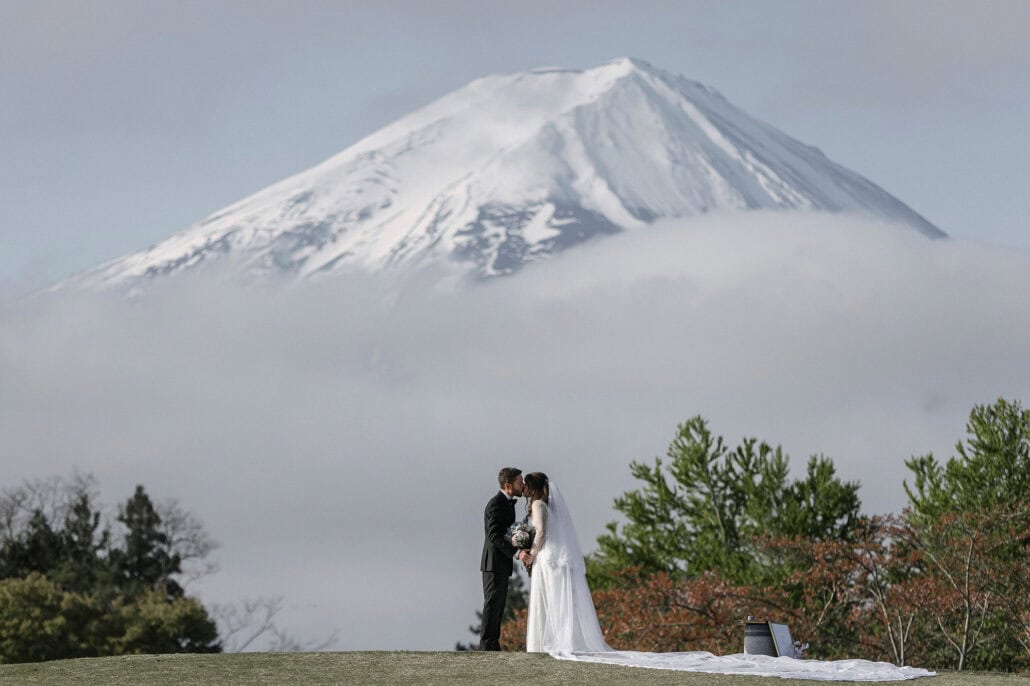
The photographs from a wedding are important. We’ve built half our work around making them. But the photographs are not the anchor. The day itself is. And the day itself is the product of planning, not luck.
This is the part people often miss about how we work. Japan offers extraordinary raw material. The cherry blossoms at peak bloom. The ryokans with their slow corridors and their gardens. The shrines that have been operating for thirteen centuries. The light that comes through paper screens at four in the morning. The food. The hospitality. The seasonal precision. All of it is here, available to anyone who arrives.
What’s not automatic is how those things get sequenced into a single day. When the first look happens. How long the couple sits with their families afterwards. Where the ceremony falls in the rhythm of the morning. Which ritual lands before which course of the meal. How long the bus ride between two locations is, and what happens in the quiet of that ride. When to introduce music. When to leave silence. When to bring in a koto player and when to let the wind do the work instead.
This is the planning side of the business, and it’s where most of our hours actually live. The choreography of feeling across a day. The decisions about what to put next to what. The intelligence about pacing that only comes from years of watching how a room responds to small shifts in timing and atmosphere. A well-built wedding isn’t a venue plus a vendor list plus a timeline. It’s a sequence of considered transitions, each one designed to carry the couple and their people from one emotional register to the next without anyone noticing the architecture underneath.
When that architecture is right, the imprint lands at a sensory level, not just a visual one. The grandparents’ faces during the san san kudo. The wind that came through the garden during the vows. The hoto noodles eaten in wedding attire at a mountain café. The taste of the sake. The sound of the drums. The weight of a kimono. The exact angle of light through the paper screens. These small specific things are what the photographs are made of, but they’re also what stays in the body long after the photographs have been filed away.
The photographs are the doorway. The day itself is the room on the other side. And the room is built, not found. The couple gets to walk back into that room any time they need to, for the rest of their lives, because someone took the time to construct it carefully enough that it would hold.
This is what we mean when we say we build something worth coming back to. The planning is the building. We don’t take that lightly. We don’t take any of it lightly.
A Final Note
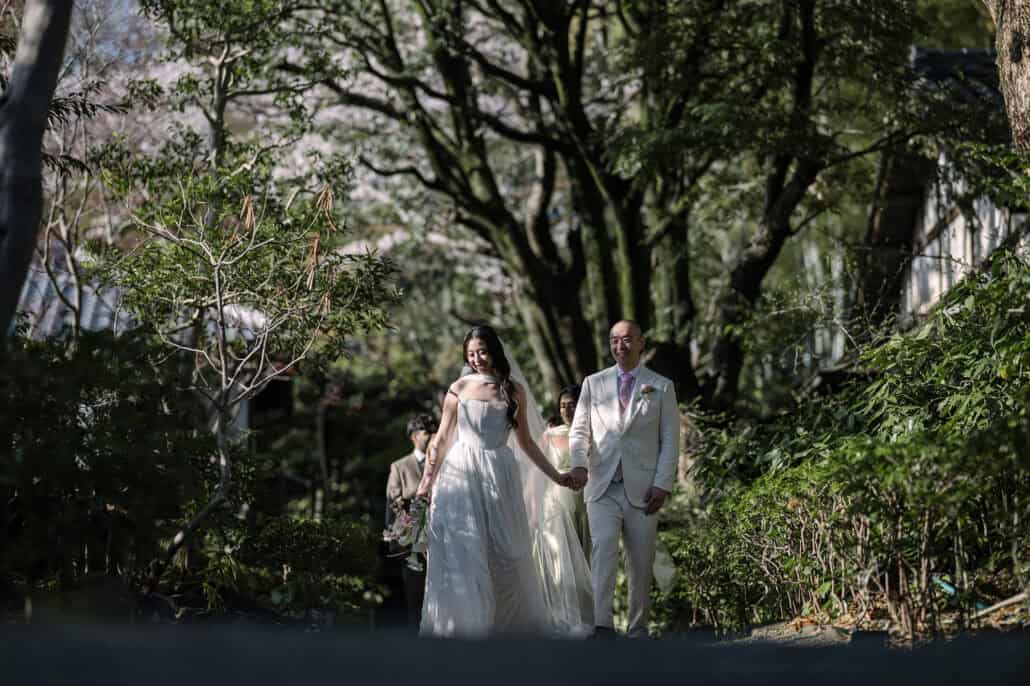
Whether the celebration is a multi-day affair with a hundred guests across two cities, or a sunrise elopement with just the two of you and no one else, the principle is the same. Build something honest. Build something specific. Build something this generation can hold onto when everything else keeps moving.
That’s the work. It always has been.