
The Japanese call it yūgen. There is no clean English translation. The dictionaries try: “a profound, mysterious sense of the beauty of the universe.” But that is a description, not a translation. Yūgen is not something you can pin with a definition. It is something you recognise when it moves through you.
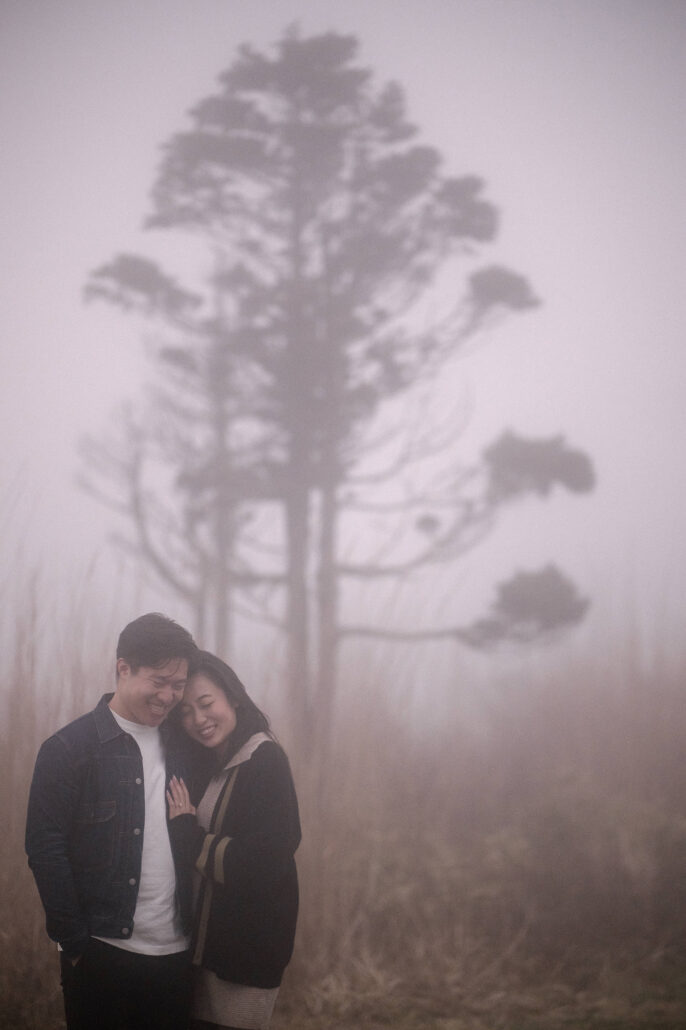
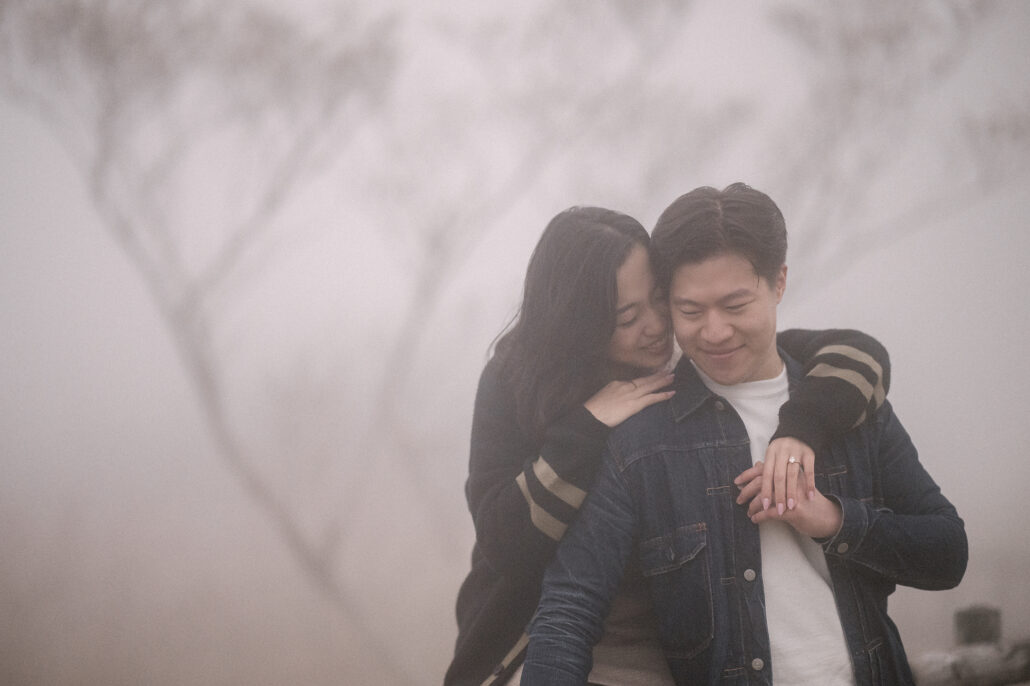
The last light leaving a mountain. A voice from another room you cannot quite reach. Mist filling a valley until the trees become suggestions of themselves. The feeling you get when something is so beautiful that your chest tightens and you cannot say why, and saying why would ruin it.
That is yūgen. The feeling beneath the feeling. The one that has no name in English because English wants to name everything, and some things only exist in the space before the name arrives.
A Beauty That Depends on What Is Missing
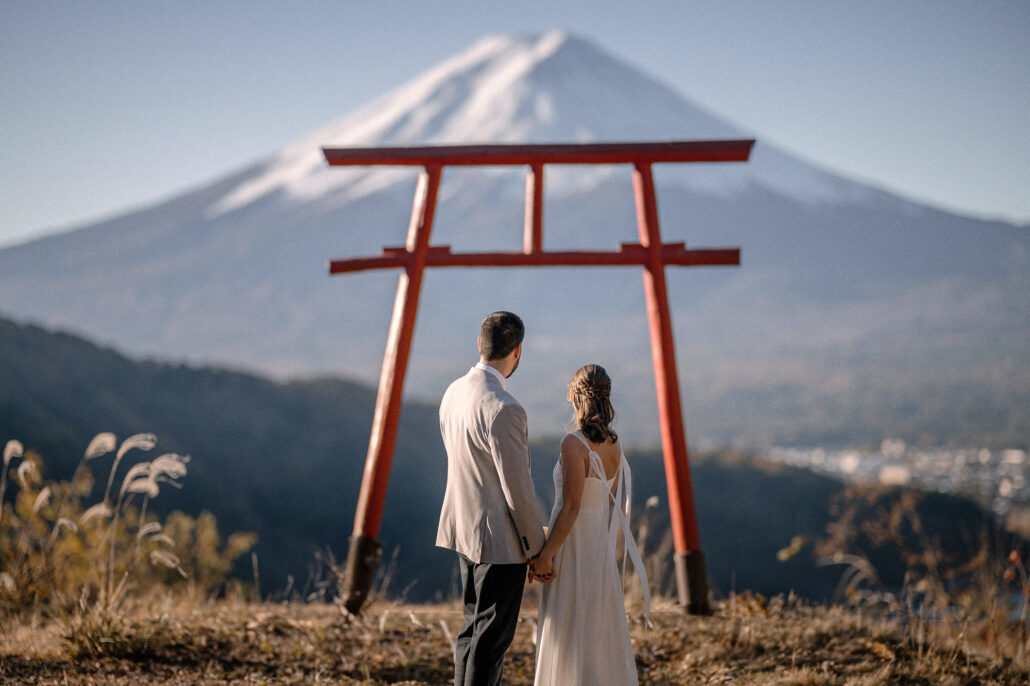
Yūgen is not about what you can see. It is about what you almost can. A torii gate half-hidden in fog. A garden viewed through a window that only shows you part of it. A sentence that stops before the thought is finished, and is more powerful for the stopping.
In Japanese aesthetics, this is a foundational principle. Beauty is not found in the complete, the fully lit, the perfectly resolved. Beauty is found in the suggestion. In what is implied rather than stated. In the shadow rather than the thing casting it.
This runs counter to almost everything modern culture tells us about how to experience the world. We are trained to pursue clarity. To seek the answer, the explanation, the high-resolution image that leaves nothing to interpretation. We want to see all of it, understand all of it, capture all of it. And in that pursuit, we lose access to an entire register of experience that only exists in the not-quite-knowing.

The Ache of Noticing
Yūgen is not sadness. It is not joy. It sits between them, in a space that most languages do not bother to map. The closest English might get is “bittersweet,” but that implies equal parts of two named emotions. Yūgen is something else. It is the ache of noticing how beautiful something is while it is still here. The awareness that the moment is happening and passing at the same time, and that the passing is part of what makes it beautiful.
You have felt this even if you have never had the word for it. Standing somewhere extraordinary, aware of the person beside you, aware of the light, aware of the fact that this exact configuration of time and place and presence will never repeat itself. Not wanting to photograph it. Not wanting to speak. Just wanting to be inside it for as long as it lasts, knowing it will not last, and finding that the knowing makes it more vivid, not less.
That is yūgen. It asks nothing of you except your attention. And it gives back something that clarity never can: the experience of being moved by something you cannot explain.
Why This Matters More Than Aesthetics
Japan is often sold on aesthetics. The cherry blossoms. The minimalism. The visual perfection of a kaiseki meal or a raked gravel garden. And those things are real and they are genuinely beautiful. But they are the surface of something deeper, and yūgen is the word that points toward what is underneath.
Japanese culture developed an entire vocabulary for experiences that Western languages left unnamed. Mono no aware: the pathos of things, the gentle sadness of passing. Wabi-sabi: the beauty of imperfection and impermanence. Ma: the meaningful emptiness between things. Yūgen: the profound beauty that exists beyond what can be seen or said.
These are not decorative concepts. They are ways of paying attention. They are instructions for noticing what most people walk past. And when you spend time in Japan, particularly if you slow down enough to stop consuming it and start inhabiting it, these ways of paying attention begin to change how you experience everything. Including the people you are with.
The Ceremony You Cannot Photograph
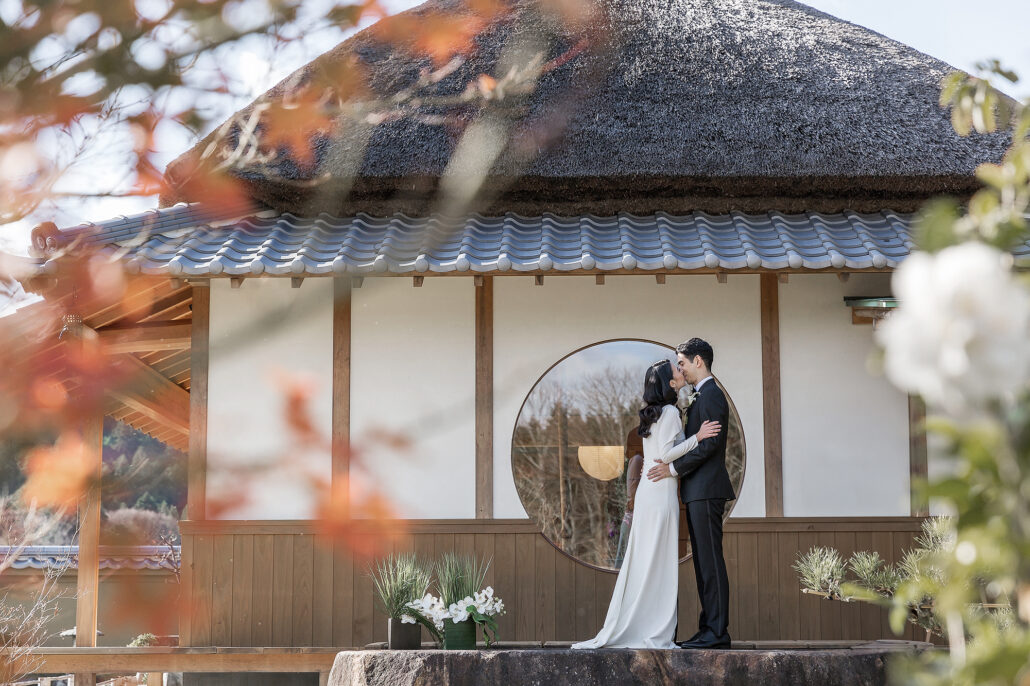
There is a moment in every ceremony that the camera cannot reach. The photographers among us know this, which is why the best ones stop shooting for a second and just watch. It is the moment when two people look at each other and something passes between them that is invisible to everyone else in the room but visible on their faces.
Nobody knows exactly what is exchanged in that look. The couple themselves may not be able to describe it afterwards. It is not a thought. It is not a decision. It is something underneath both of those things. A recognition. A knowing. The accumulated weight of everything they have lived together, compressed into a single glance that lasts two seconds and contains years.
That is yūgen. Not the ceremony. Not the vows. Not the dress or the venue or the flowers. The thing beneath all of it that makes it matter. The feeling that everyone in the room can sense but nobody can name. The reason people cry at weddings without knowing why.
The Feeling Beneath the Feeling
We chase clarity because clarity feels safe. If we can name it, we can hold it. If we can explain it, we can repeat it. If we can photograph it, we can keep it.
But the moments that change us most are the ones we cannot explain. The ones that sit in the body rather than the mind. The ones we carry not as memories but as impressions, like the feeling of a room after everyone has left, or the weight of a silence that was full rather than empty.
Yūgen does not ask you to understand it. It asks you to stand inside it. To let the mist close in. To stop reaching for the word and let the wordlessness be enough.
Some things only exist in the not-quite-knowing. And that is not a limitation. That is where the beauty lives.