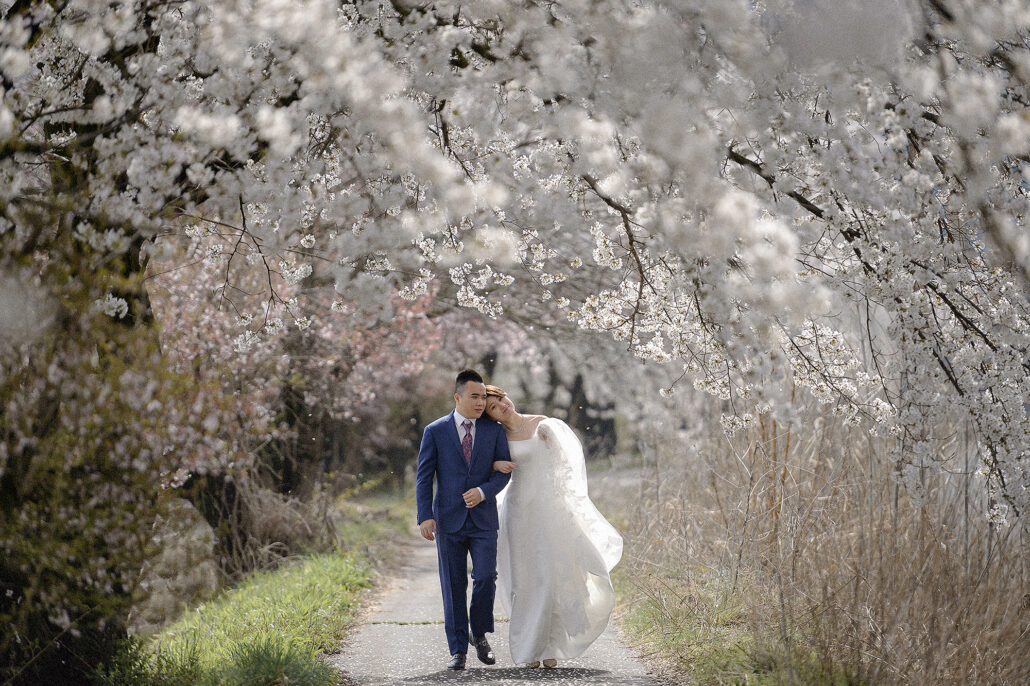

How is it March already? We blinked and the new year became a memory and now the air is shifting and the forecasts are starting and the question we get asked more than any other this time of year is: will they be early or late?
The cherry blossoms. Always the cherry blossoms. The Japan Meteorological Corporation released their first forecast and Tokyo is looking at March 21 for opening, with full bloom around March 28. Kyoto a few days later. Which means in a few short weeks, the trees will do the thing they do every year that somehow still stops us in our tracks. After spending so much of our life here, you would think we would be used to it. We are not. Nobody is.
That is the point.
Cherry Blossom Season
Every spring, Japan does something that no other country on earth does quite the same way. The cherry blossoms arrive. And the entire nation stops to watch.
Not casually. Not as background. People rearrange their schedules, check the forecasts daily, track the bloom front as it moves north from Kyushu to Hokkaido. They gather under the trees with food and drinks and blankets and friends. They sit together and look up. They do this every single year. They have been doing it for over 1,300 years.
The practice is called hanami. Flower viewing. And the thing that makes it unlike any other festival or tradition is that it is built entirely around impermanence. The blossoms last a week. Sometimes less. You cannot plan around them with certainty. You cannot preserve them. You cannot press sakura petals in a book and expect them to keep their beauty. The full experience can only be witnessed in person, in the moment, while the trees decide to bloom.
That is the point. Hanami is not a celebration of beauty. It is a celebration of beauty that will not last. And that is what makes it sacred.
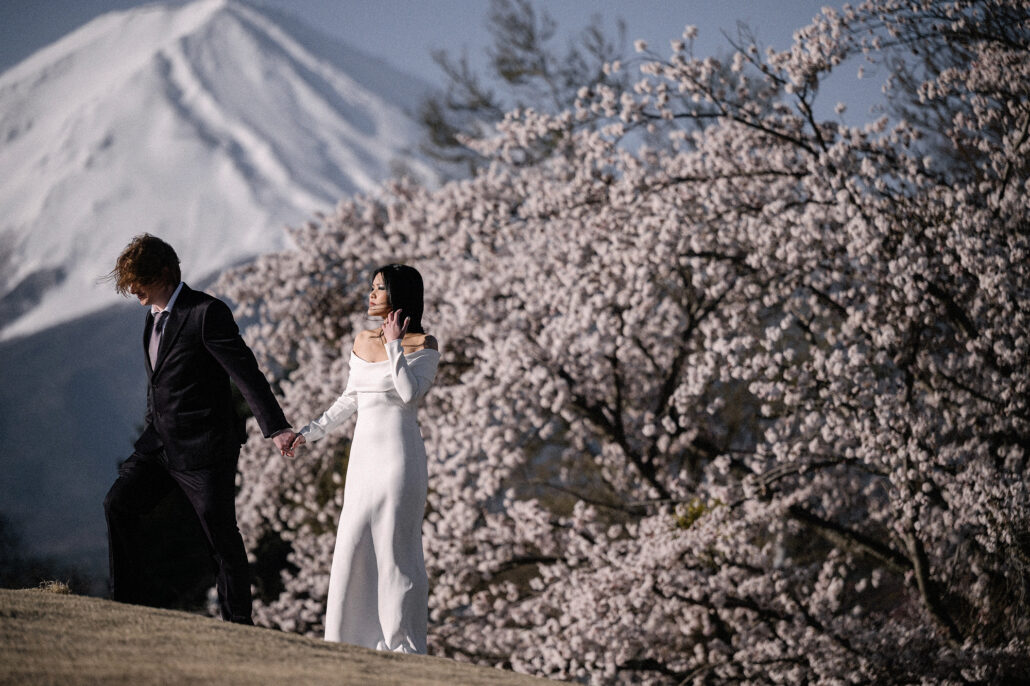

What Hanami Actually Is
The Western version of hanami is a picnic under some pretty trees. The Japanese version is a philosophical act.
It is rooted in mono no aware, the awareness of impermanence. The understanding that things are beautiful not despite the fact that they end but because of it. The cherry blossom is the symbol of Japan precisely because it does not stay. It blooms at full intensity and then it falls. There is no slow decline. No fading. One week of impossible beauty and then petals on the ground.
The earliest records of sakura appreciation go back to the Kojiki, written in 712 CE. Konohana no Sakuyahime, the goddess of Mount Fuji, was said to have scattered cherry blossom seeds from the sky. By the Heian period, Emperor Saga was holding sakura viewing parties at Kiyomizu Temple. Toyotomi Hideyoshi threw a five-day hanami celebration in Nara in 1594. The Tokugawa shoguns planted cherry trees along the Sumida River and in what is now Ueno Park so that ordinary people, not just the aristocracy, could participate.
Hanami has never been about the flowers. It has always been about gathering to witness something fleeting. Together.

The Week That Will Not Come Again
We have lived through nearly thirty cherry blossom seasons in Japan. And every single one is different. The timing shifts. Some years the blossoms arrive early and catch everyone off guard. Some years they arrive late and the waiting becomes its own kind of tension. Some years the peak is five days. Some years it rains on the third day and the petals fall early and the season is over before you were ready.
You cannot control it. You can only show up and be inside it while it happens.
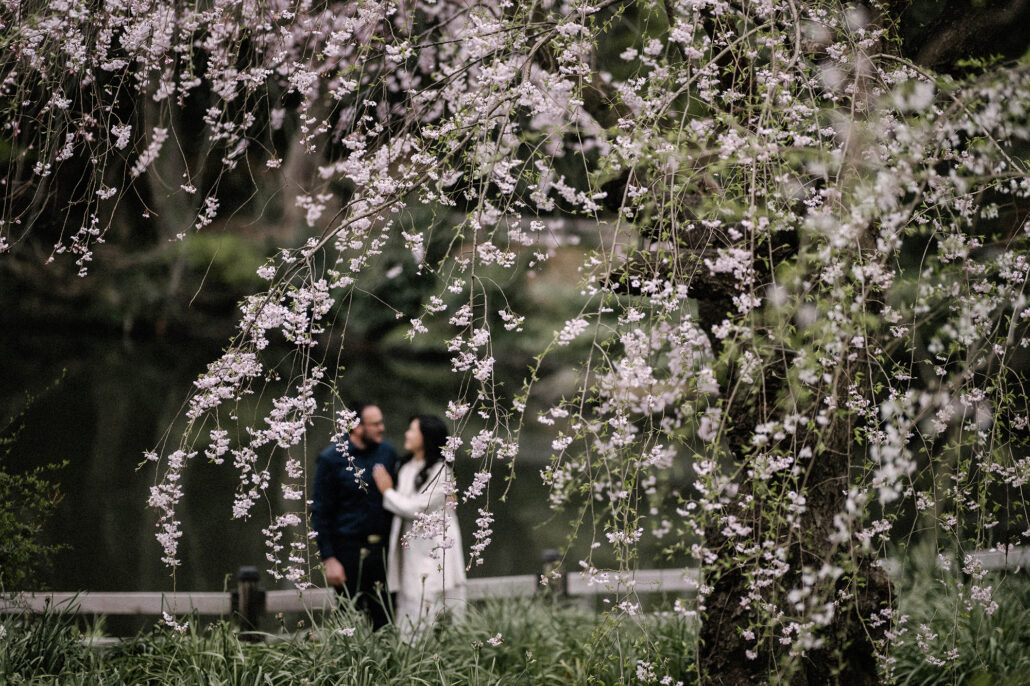
There is a particular feeling in Tokyo during peak bloom. The air is different. The light is different. People walk more slowly. Conversations happen on bridges and along rivers that would not happen in any other week of the year. Strangers sit next to each other under the same tree and share the same view and for a few minutes the city, which is usually relentlessly forward-moving, pauses.
It is not just beautiful. It is emotionally specific. The beauty is real and so is the awareness that by next week, it will be gone. That combination produces something that the Japanese have understood for over a millennium and that most visitors feel immediately even if they cannot name it: the tenderness of a moment you are already losing.
A Wedding Is Its Own Kind of Hanami
After so many Spring weddings and elopements in Japan, we have come to believe something that we did not understand when we started. A wedding is not a party. It is not a production. It is not a ceremony followed by a reception followed by a send-off.
A wedding is a kind of hanami.
It is a group of people gathering to witness something beautiful. And a kind of impermanence… we mean, the day itself. The specific combination of people in the room. The light on that afternoon. The particular version of the couple who have arrived at this exact point in their lives and will never be exactly these people again. The bloom.
Like sakura, you cannot preserve it. You can photograph it, and we do, but the photograph is not the experience. The experience was the air in the room when the vows were spoken. The weight of the silence before the first words. The sound of someone trying not to cry and failing. You had to be there. That is what makes it matter.
And like sakura, the intensity comes from the brevity. A wedding is not beautiful because it lasts. It is beautiful because it is one day. One afternoon. One hour. One set of words spoken once. The impermanence is not a limitation. It is the source of the power.
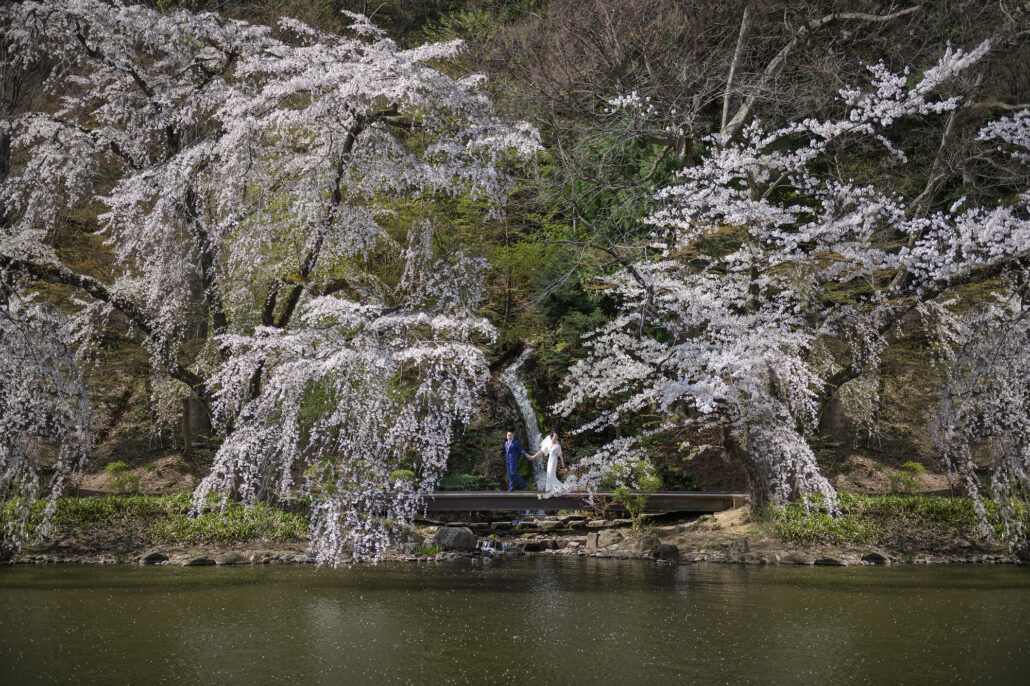

Cherry Blossom Season and Wedding Season
It is not a coincidence that cherry blossom season is our busiest time of year. Couples come from all over the world to get married in Japan during sakura. And every year we watch the same thing happen.
They arrive thinking the blossoms are the backdrop. The setting. The beautiful thing behind them in the photographs. And they leave understanding something different. The blossoms were not the backdrop. They were a mirror. The whole destination wedding week was hanami. The wedding was the bloom. The guests were the viewers. And the fleeting, unrepeatable nature of the day was not something to fight against with perfect planning and obsessive timelines. It was the thing that gave the day its soul.

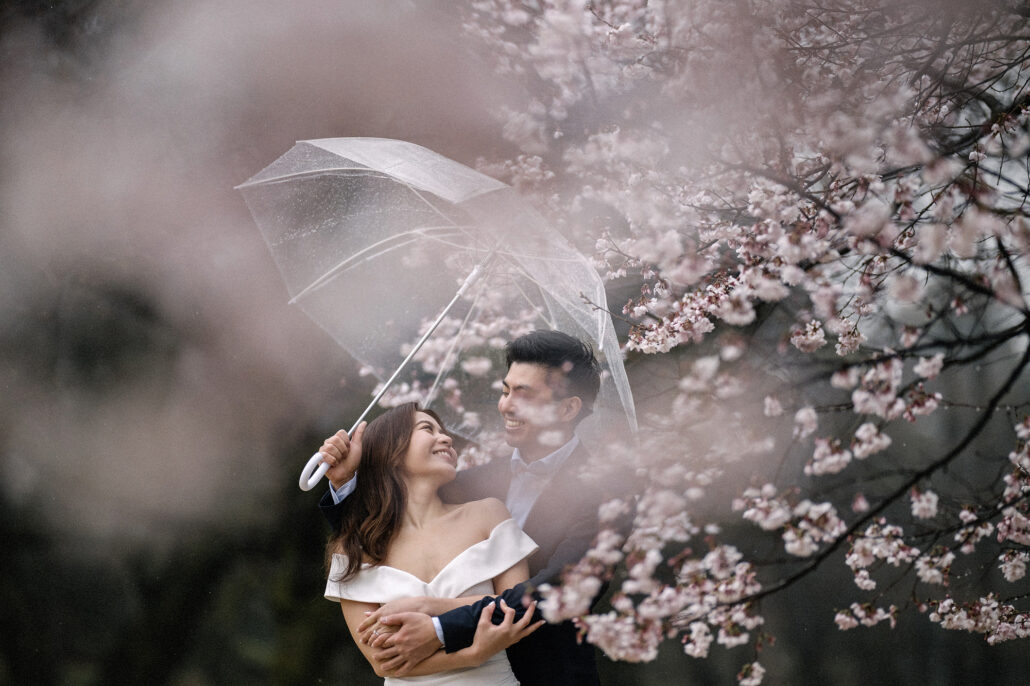
We have seen ceremonies under full bloom where petals fell on the couple’s shoulders like the trees were participating. We have seen elopements in Kyoto where the only witnesses were each other and a thousand sakura. We have seen rain arrive on a wedding morning and the couple choose to walk through it because the wet blossoms, heavy and low, were more beautiful than the sun would have been.
Every one of those moments was impermanent. Every one of them is carried by the people who were there.


Why Impermanence Is Not Something to Fear
The Western approach to weddings is often about preservation. Capturing everything. Recording everything. Making sure nothing is lost. The anxiety underneath so much wedding planning is the fear that this important day will pass too quickly and you will not remember it properly.
Japan offers a different perspective. Hanami does not try to keep the blossoms. Nobody laminating petals. Nobody angry at the wind. The whole tradition is built on the understanding that the beauty is in the passing. That the falling is part of the flower. That the moment you try to hold it still is the moment it stops being alive.
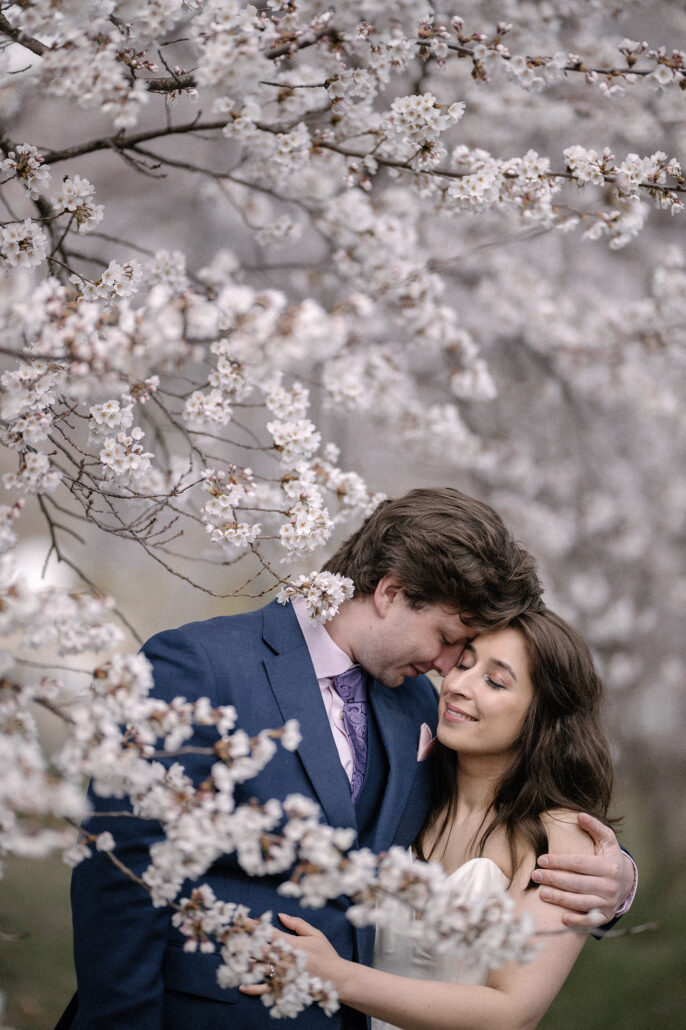
A cherry blossom wedding in Japan is not just a wedding with pretty trees. It is a wedding that is structurally aligned with the deepest Japanese understanding of beauty: that it exists most fully in the moment it is disappearing. Your wedding day will end. Your guests will leave. The blossoms will fall. And what remains is not a recording or a photograph or a preserved petal. What remains is the fact that you were there. Fully. In the bloom.
The Tradition You Are Joining
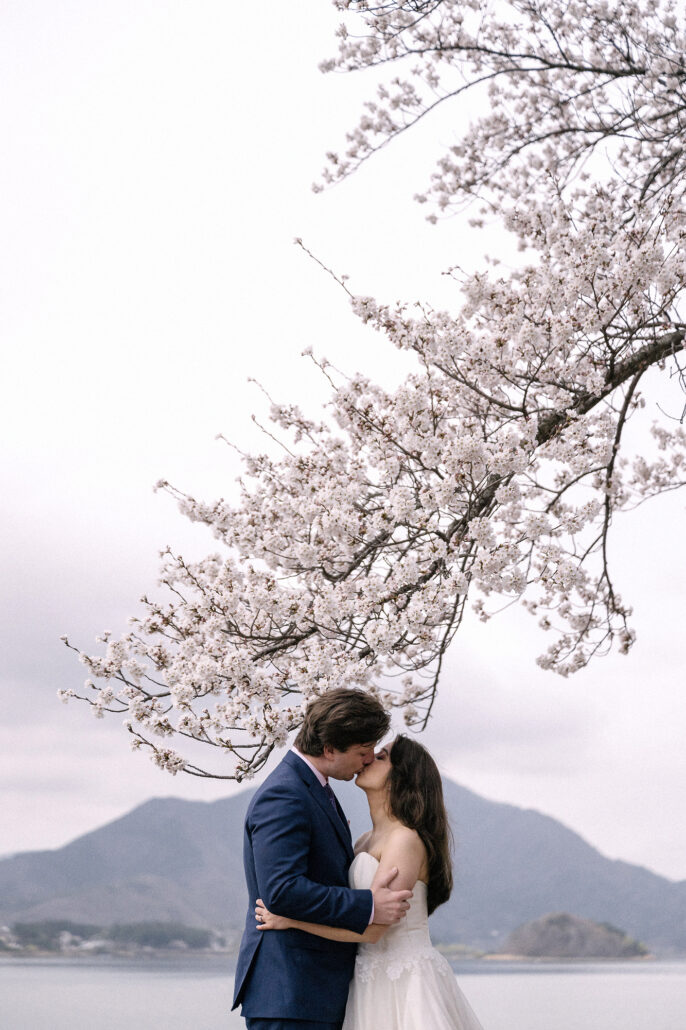
When you get married during cherry blossom season in Japan, you are not just choosing a beautiful time of year. You are stepping into a tradition that goes back thirteen centuries. Emperors gathered under these trees. Samurai used the falling blossoms as a metaphor for the beauty of a life given fully. Poets wrote about sakura as the purest expression of what it means to be alive and know it will end.
Your guests, sitting under the same trees, watching you speak words that will only be spoken once, are doing what Japanese people have done every spring since the 8th century. They are practising hanami. They are witnessing beauty in its most honest form. Not permanent. Not controlled. Just present. Just here. Just now.
That is what a cherry blossom wedding in Japan actually is. Not a venue with flowers. Not a backdrop for photos. It is hanami. The oldest, most beautiful, most human act: gathering together to witness something extraordinary, knowing it will not last, and loving it more for that.