
The People Who Don’t Make Sense on Paper
Some of our favourite people don’t make sense on paper.
They hold contradictions with ease. They refuse to choose one lane. They are many things at once, and they’re not interested in explaining why.
They’re the kind of people who surprise you. Not because they’re loud about it, but because they don’t flatten themselves to be understood quickly.
We meet them everywhere. In boardrooms and forests. On mountaintops and late-night Zoom calls. In wedding planning meetings that quietly turn into conversations about travel, art, risk, and the strange courage it takes to build a life that actually feels like your own.
They’re walking paradoxes.
And paradoxes are where the interesting work happens.

The Pressure to Pick One Thing
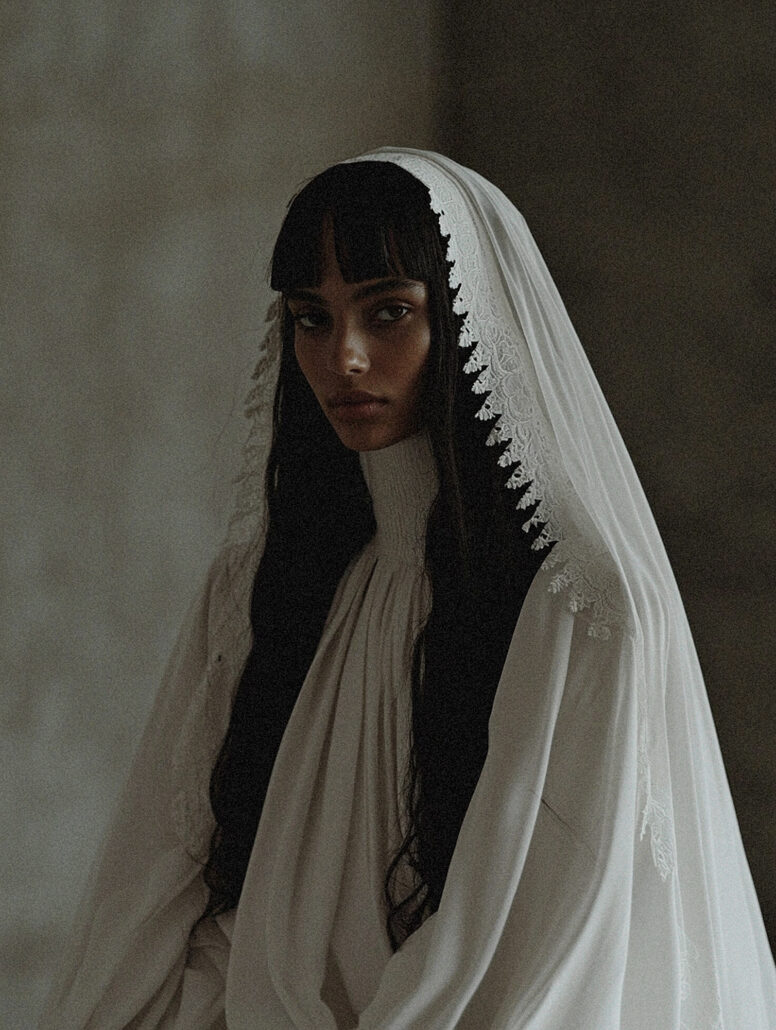
At some point, most people are told, gently or not, to narrow it down.
Pick a title. Pick a path. Pick a version of yourself that’s easy to explain. The world loves neat categories.
They make people comfortable. They make systems run faster. They make conversations shorter.
But comfort has a cost.
Because the moment you compress yourself into something tidy, you lose the edges. And the edges are where the truth lives.
We see it all the time. People apologising for being “too many things.” Downplaying the parts of themselves that don’t fit the expected narrative. Shrinking curiosity so they don’t confuse anyone.
As if complexity were a flaw.


Cross-Pollination Isn’t a Pivot
When we moved into wedding planning from photography, it didn’t feel like a pivot. It felt like cross-pollination.
And when we moved into photography and film from journalism and theatre, it felt like another way of telling stories, just through a different lens.
Storytelling. Timing. Reading people. Understanding flow. Anticipating emotion before it happens. Holding a room without being in it.
Those skills were already there. Planning simply gave them a larger canvas.
From the outside, though, not everyone sees it that way.
There’s a tendency to want to put people into boxes. Photographer. Planner. Creative. Business-minded. As if choosing one automatically disqualifies the others.
That’s always felt strange to us.
Because the most compelling people we know have never been singular. They’re layered. Curious. Capable in more than one direction at once. Their work is richer because it draws from multiple disciplines, not in spite of it.
The paradox isn’t a problem to solve.
It’s the point.

What Happens When You Stop Explaining Yourself
Once you stop trying to make yourself legible to people who need labels to feel comfortable, something opens up.
Your work deepens. Your confidence quiets. The noise fades.
You don’t become less focused.
You become more you.

Why We’re Drawn to the In-Between
The couples we work with rarely fit a single description.
They’re analytical and emotional. Decisive and reflective. Creative and deeply practical.
They might work in finance but care intensely about art. They might love structure and still crave freedom. They might plan carefully and want space for the unexpected.
That tension, between control and letting go, isn’t something to fix. It’s something to respect.
Because the most meaningful experiences aren’t built by people who flatten themselves into one note.
They’re built by people who allow contradiction to exist without panic.


Building Something That Can Hold You
There’s a quiet fear underneath a lot of creative lives.
The fear that if you don’t fit in, you’ll disappear. Or worse, that if you fit in too perfectly, you will.
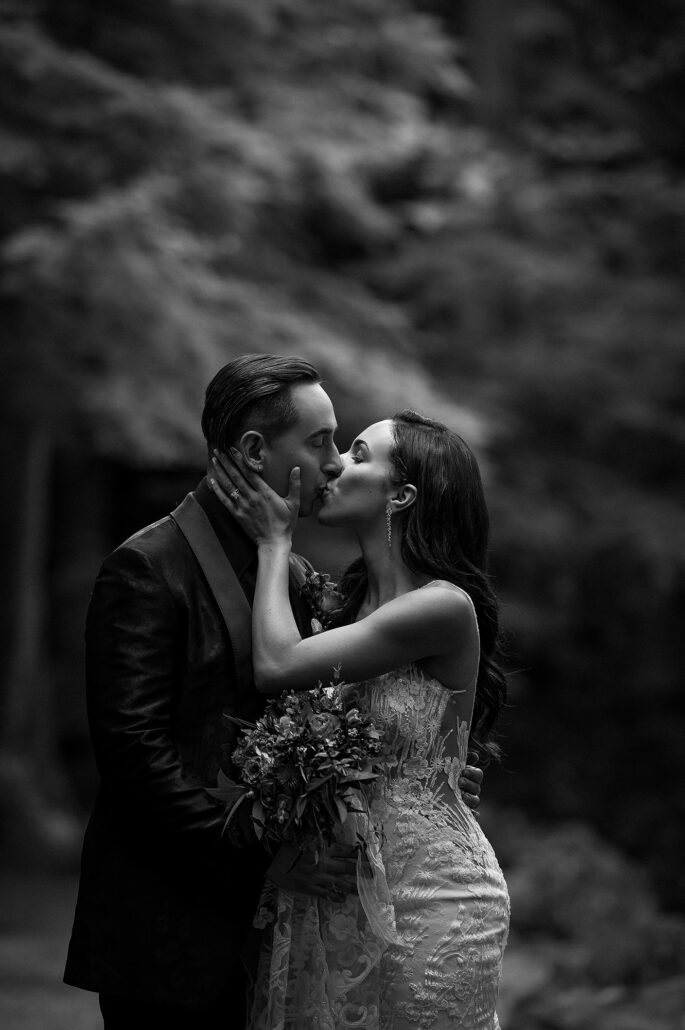
That old Tetris metaphor hits for a reason. When you fit seamlessly, you vanish. What remains is the outline. The role. The expectation. Not the person.
So some people choose the harder thing.
They build lives that are layered. Work that changes shape. Careers that evolve instead of locking into place.
It’s slower. It’s messier. It requires recalibration, again and again.
But it holds.

How This Shows Up in Weddings
A wedding isn’t a performance of who you’re supposed to be.
It’s a moment in time that should be able to hold all of you, not just the polished parts.
The serious and the ridiculous. The timeless and the fleeting. The elegance and the edge.
We don’t believe in forcing people into formats that don’t suit them. We don’t believe in “this is how it’s done” without asking why. And we don’t believe refinement requires removing personality.
If anything, refinement comes from knowing exactly what not to remove.

Be Everything. Be Nothing. Be You.
There’s a quiet freedom that comes when you stop trying to resolve yourself into something easily digestible.
When you allow your interests to overlap. Your skills to cross-pollinate. Your life to look a little unconventional from the outside.
You don’t owe anyone a simplified version of yourself.
Not in your work.
Not in your relationships.
Not in how you choose to celebrate the biggest moments of your life.
Be disciplined and playful.
Strategic and intuitive.
Rooted and restless.
Be everything.
Be nothing.
Be you.
And build a life, (and a celebration), that can hold that truth without asking you to shrink.


1 comment