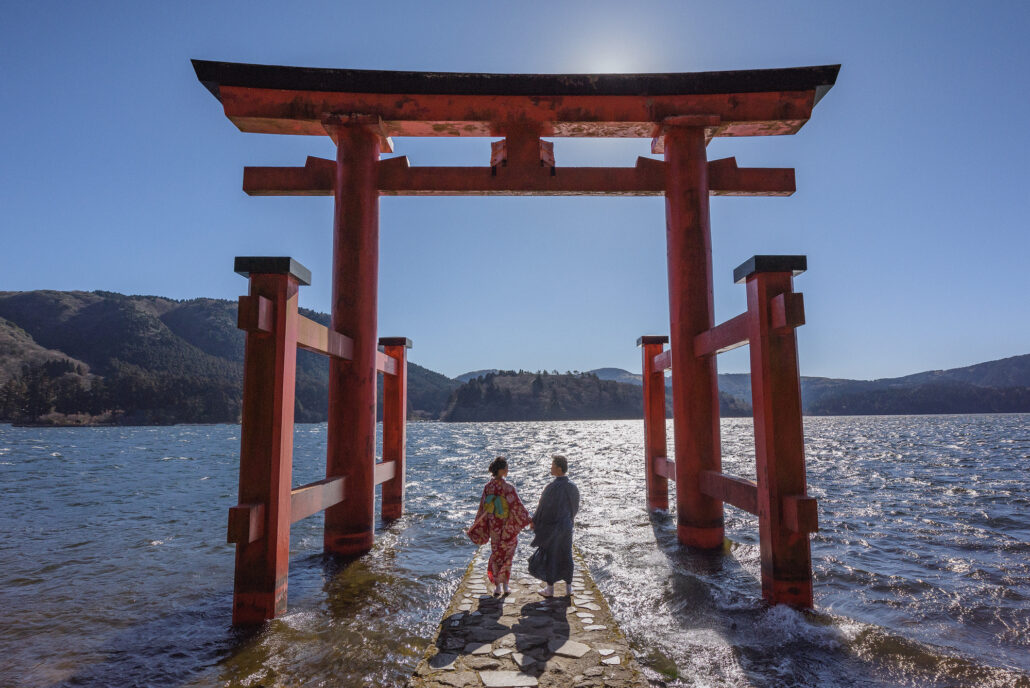

At a ryokan in Kyoto, we sat with an innkeeper who had hosted guests for forty years. She had seen thousands of people pass through her doors. Diplomats, artists, honeymooners, families returning for the third or fourth generation. We asked her what she remembered most.
Not the famous guests, she said. Not the grand occasions.
The quiet mornings. When two people sit together and say nothing. And it is enough.
The Thing Nobody Budgets For
We have spent nearly three decades in Japan working with couples, and the innkeeper’s answer has stayed with us longer than most things anyone has said. Because she was not talking about weddings. She was talking about time. And the two are more connected than the wedding industry would like you to believe.
There is an entire infrastructure built around the idea that a wedding is a production. That what makes it valuable is what you put into it: the venue, the flowers, the food, the dress, the photographer, the playlist, the stationery, the favours, the lighting. And those things absolutely are wonderful. But they aren’t really what anyone remembers ten years later.
What people remember is time. Time spent in the company of people they love. The moments between the timeline. The morning that stretched longer than it should have. The conversation that happened because nobody was in a rush to be somewhere else.

We Plan Years. We Remember Moments.
Cesare Pavese wrote: “We do not remember days. We remember moments.” It is one of the most quoted lines about memory, and it endures because it is observably true. Try it yourself. Think about last year. You will not recall most of it. What you will recall are fragments. A meal where someone said something that made you laugh until you could not breathe. A walk that went longer than planned because the conversation was too good to interrupt. A silence that was not empty but full.
The brain doesn’t store time evenly. It stores intensity. The moments when you were fully present, when emotion was high and distraction was low, those are the ones that survive. Everything else fades into background.
This has implications for how we think about weddings that almost nobody talks about. Because if memory is built from moments of presence, then the most valuable thing you can offer your guests, and yourself, is not a better venue. Not things. It’s more time. More experiences together.

The Economics of Attention
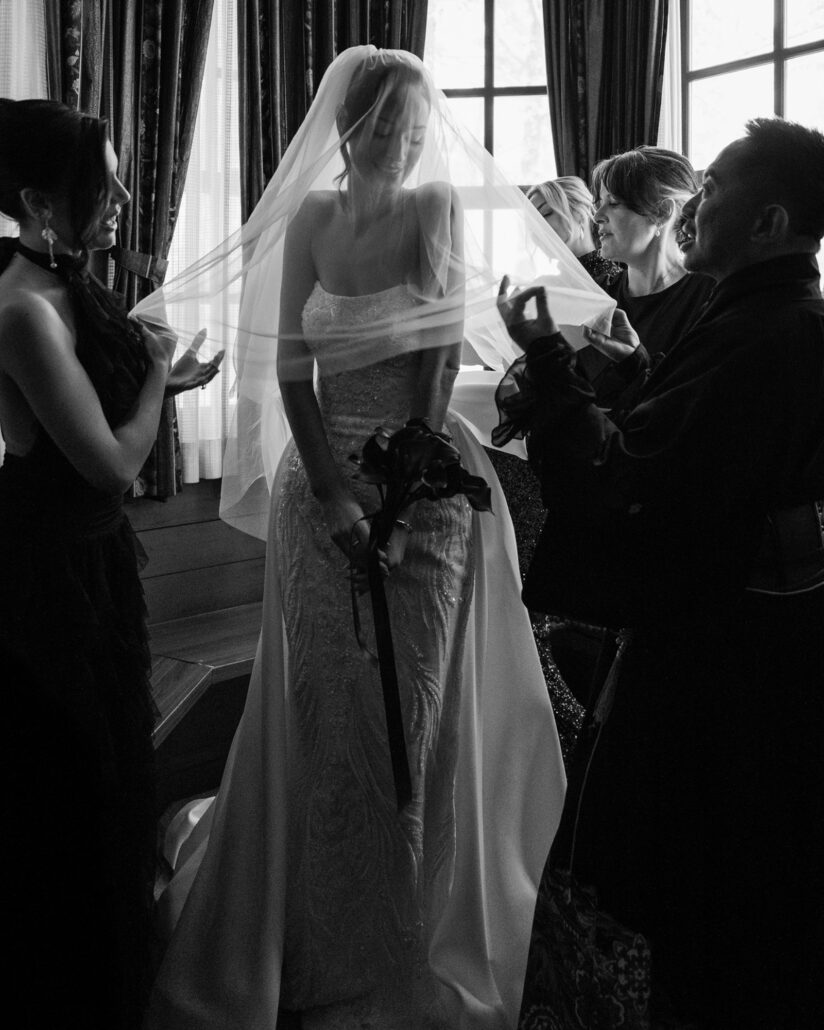
Time changes what is possible between people. A few hours together produces one kind of connection. Beautiful, real, worth having. But days together… or a week… produces something different. Not better in a way that diminishes the other. Different in a way that is hard to explain until you have experienced it. Conversations that would never start in an evening have room to find their way to the surface over breakfast. Silences between people who have spent three days together carry a different weight than silences between people who arrived an hour ago.
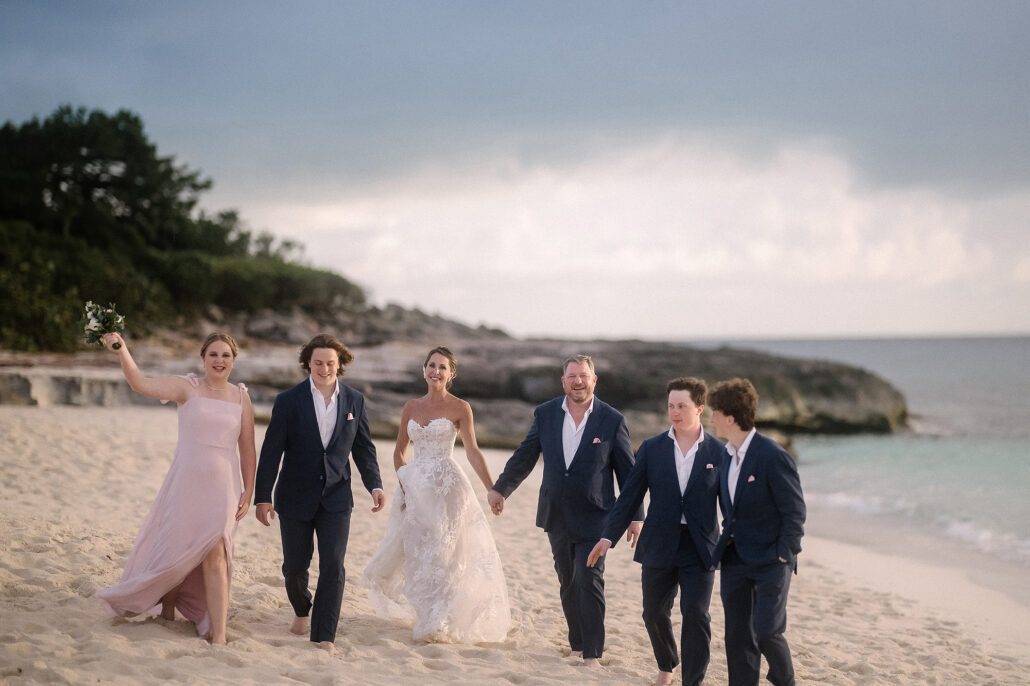
What we’ve experience at multi-day destination weddings: breakfasts where nobody has anywhere to be. Afternoons where the only plan is the absence of a plan. Evenings where the table stays occupied long after the food is gone because the conversation found its way to somewhere real and nobody wants to leave.
That is the economics of a destination wedding. Not a bigger budget. A bigger container for time. More room for the moments that Pavese was talking about. More space for the thing the innkeeper remembered after forty years of hosting thousands of guests.
The Quiet Morning
There is a particular kind of morning that only happens when people are away from home. You wake up in an unfamiliar room. The light is different. The sounds are different. There is nothing pulling you toward a screen or a schedule. You lie there for a moment longer than you would at home, and the person next to you is doing the same thing, and neither of you says anything, and it is enough.
The innkeeper saw this over and over for four decades. Couples sitting in a garden, holding cups of tea, watching light move across a stone lantern. Not performing relaxation. Not documenting it. Just being in it. And she remembered those mornings more clearly than any event, any celebration, any spectacle that had passed through her rooms.
Because presence is rare. Genuine, undistracted, two-people-in-a-room-with-nowhere-else-to-be presence is one of the scarcest commodities in modern life. We schedule everything. We optimise everything. We fill every gap with information or entertainment or productivity. The idea of sitting with someone and saying nothing and that being enough is, for most people, a radical act.
The Most Expensive Thing You Will Ever Spend
Luxury is a word the wedding industry uses constantly. Luxury venues. Luxury florals. Luxury stationery. But luxury, in its original sense, has nothing to do with expense. It comes from the Latin luxus, meaning excess, abundance, extravagance of living. And the most extravagant thing any of us can offer another person is our time, with nothing attached to it.
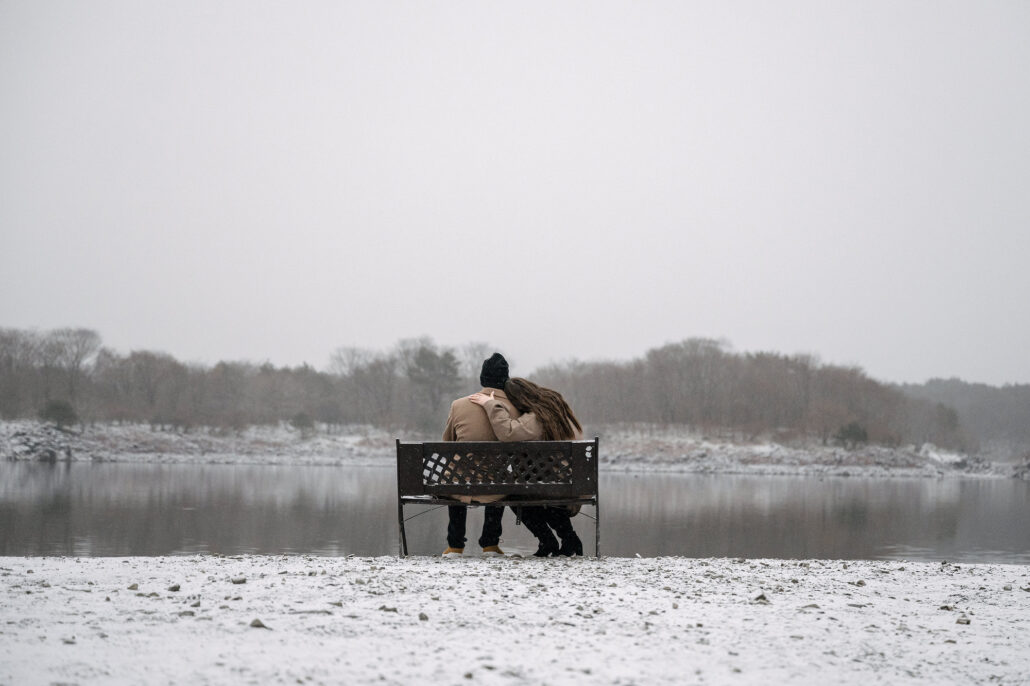
A Tuesday afternoon with the people who matter. No agenda. No itinerary. No obligation beyond being there. That is the most expensive thing you will ever spend, because it is the one resource you cannot earn back or replace or optimise your way into having more of.
The couples we work with often say the same thing when they return home. The ceremony was beautiful. The photographs are extraordinary. But the thing they talk about most, the thing that stays, is the time they had with the people they love. The morning after the wedding where they had nowhere to be. The evening the first night they landed that ran late because nobody wanted it to end. The walk through a temple garden where the only sound was gravel underfoot and someone they love breathing beside them.
That is what a wedding in Japan offers. Not a better backdrop. More time. And the kind of environment where time is allowed to do what it does best: slow down, open up, and let people find each other.
Spend it.