

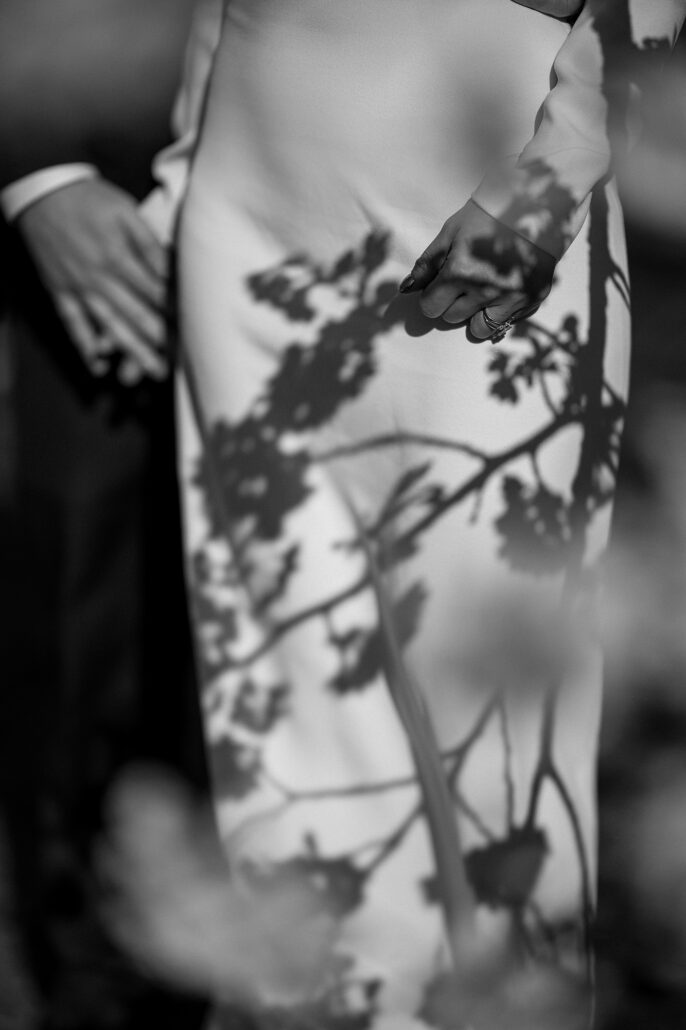
There is a Japanese word for sunlight filtering through leaves. Komorebi. 木漏れ日. It describes the specific, dappled light that happens when sun passes through a canopy of trees and lands on the ground in moving patterns. Not sunlight in general. Not shade. The interplay between the two. The light that is only visible because something is partially blocking it.
English does not have a word for this. We can describe it. We can photograph it. But we cannot name it in a single breath. Japan can. And that says something about both languages.

A Culture That Names What Others Walk Past
The Japanese language is full of words like this. Words that name specific sensory experiences most languages treat as too small to bother with. Komorebi. The sound of wind in the pines: matsukaze. The sunlight that shines on the water of a rice paddy: mizu kagami. The coolness of an evening breeze in late summer: suzukaze.
These are not poetic inventions. They are common words. Used in conversation. Used in weather reports. Used by children. The culture decided that these experiences were frequent enough and important enough to deserve their own names. That decision reveals something profound about what a society values.
A language that names komorebi is a language that pays attention to light. And a culture that pays attention to light is a culture that has decided that beauty is not a luxury. It is a category of experience worth being precise about.


What English Misses
English is magnificent at abstraction. We have words for democracy, algorithm, existential crisis. We are very good at naming things we think about. We are less good at naming things we feel and see and sense.
We do not have a word for the feeling of returning to a place and finding it changed. We do not have a word for the sadness of a song ending. We do not have a word for the specific quality of light at 4pm in October. We describe these things in sentences. Japan names them in syllables.
This is not a competition. But it is worth noticing. Because the things you name are the things you see. And the things you see are the things that shape how you experience being alive. A person who has the word komorebi notices the light more often than a person who has to construct a sentence every time it happens.

Paying Attention as Practice
Japan treats attention as a practice. Not a personality trait. Not something you are born with. A discipline you cultivate by slowing down and noticing what is already there.
The tea ceremony is an attention practice. You notice the bowl. The water. The sound. The season reflected in the choice of sweet. None of it is accidental. All of it requires your presence to mean anything.
Hanami is an attention practice. You do not go to see the blossoms. You go to witness impermanence. That requires a different kind of looking. A slower one. One that knows the beauty will leave and loves it more for that.
Komorebi is an attention practice you can do every day. Walk under a tree. Look down. Watch the light move. That is it. That is the whole practice. Japan just gave it a name so you would remember to do it.
The Light You Were Not Looking For
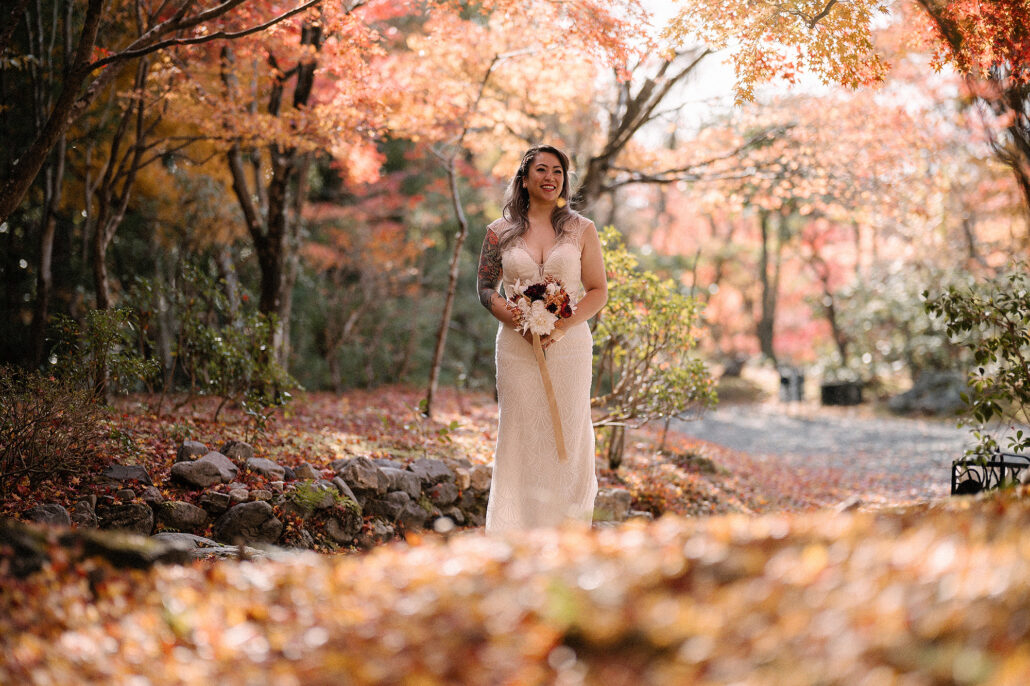
Here is the thing about komorebi. It only exists because something is in the way. The leaves block the sun. And in the blocking, something more beautiful than direct sunlight is created. Partial light. Moving light. Light that is shaped by the obstacle.
That is a metaphor for almost everything worth experiencing. The best things are not the direct, unobstructed, obvious ones. They are the ones that come through the gaps. The laughter that happens between the planned moments. The conversation that starts because the train was late. The version of a day that is better than the version you imagined because something got in the way and the light came through differently.
Japan has a word for that. Maybe you do not need the word. Maybe you just need to look down more often.
Look down more often. The light is already there.


1 comment
Komorebi is one of those words that makes you realise how much English lacks for describing natural light phenomena. Forest light in Japan — particularly in the cedar forests of Yakushima or the bamboo groves of Kyoto — has a quality that’s genuinely different from anywhere else. Some reference imagery: https://www.dreamstime.com/photos-images/japan-forest-light.html — though komorebi is one of those things you really have to experience rather than photograph. Great piece!