

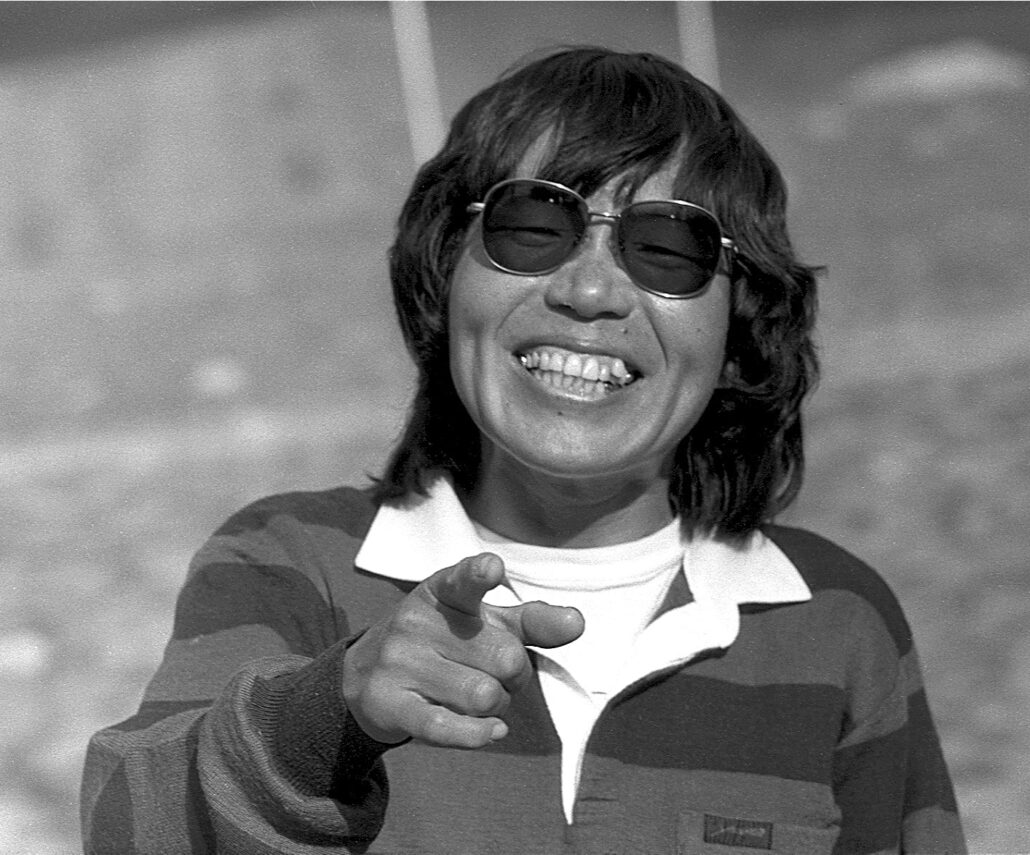
We watched Climbing for Life at the Tokyo International Film Festival last year. Sayuri Yoshinaga playing Junko Tabei on screen, seventy years of a life compressed into two hours. We sat in the dark and thought about a woman four feet nine inches tall who was told she should be raising children instead of climbing mountains, and who went anyway.
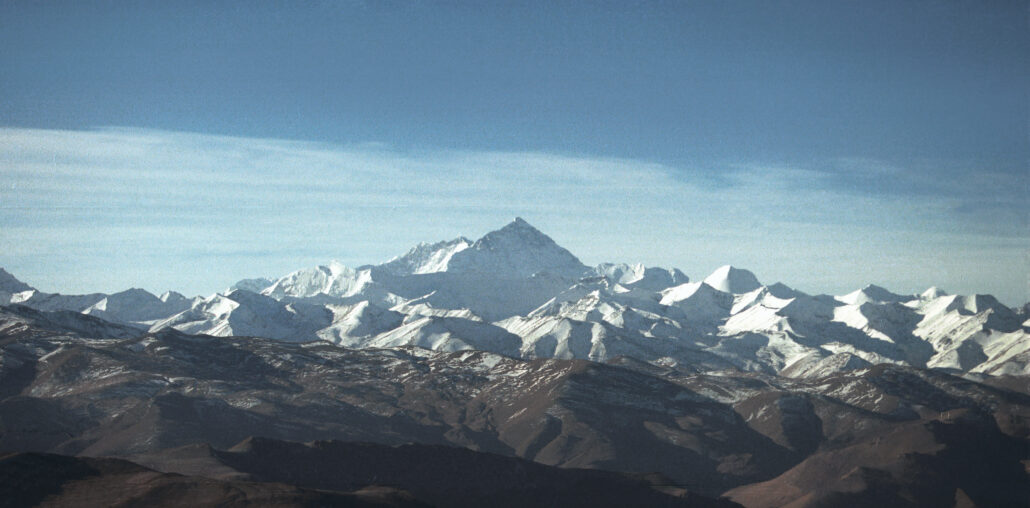
Junko Tabei was the first woman to summit Everest. She was also the 36th person, which is the number she preferred. She did not want to be remembered as a woman who climbed. She wanted to be remembered as a person who climbed. That distinction tells you everything about her.
The Club Nobody Wanted to Exist
When Tabei tried to join mountaineering clubs in Tokyo in the 1960s, the men didn’t want her there. She was small. She was female. She was, in their estimation, looking for a husband, not a summit. So in 1969 she founded the Ladies Climbing Club, the first women-only mountaineering club in Japan. Their slogan was simple: ‘Let’s go on an overseas expedition by ourselves.’ Pretty good slogan if you ask us.
And that slogan is worth sitting with. Not ‘let’s prove we can do it.’ Not ‘let’s show them.’ Just: let us go. By ourselves. The energy is not defiance. It is independence. The distinction matters.
Within a year, the club had summited Annapurna III. It was the first ascent by a Japanese team and the first by an all-female team. Nobody was supposed to notice. Everyone noticed.
The Mountain That Almost Killed Her
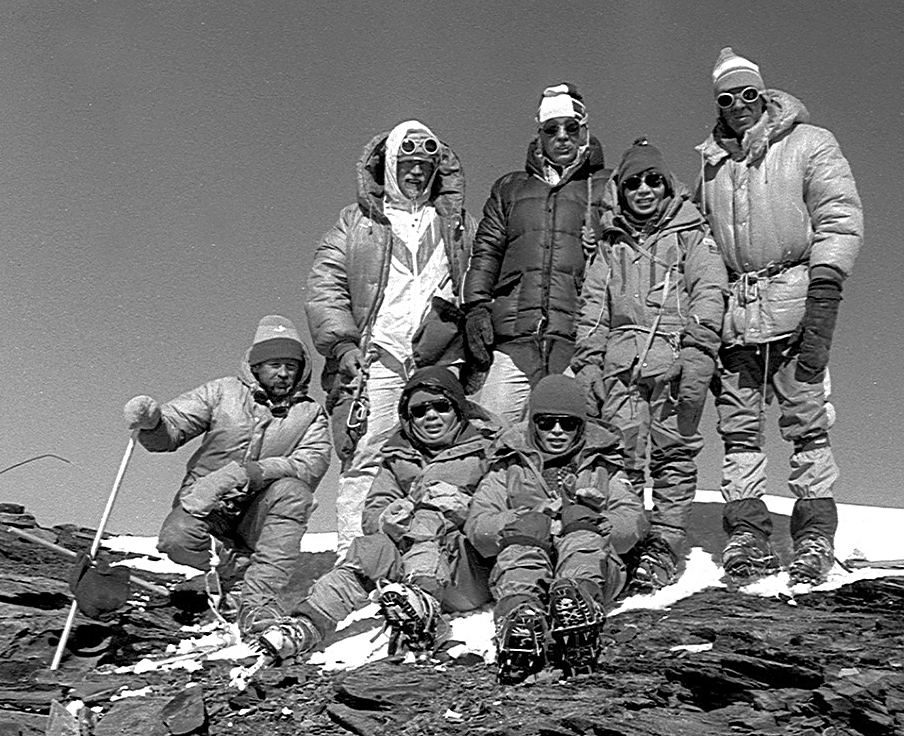
In 1975, Tabei’s team of fifteen women attempted Everest. They had waited four years for a climbing permit. They had been told, repeatedly, that they should be home with their children. Tabei, who was a mother of a three-year-old, taught piano lessons to fund the expedition. She made her own climbing trousers from old curtains and waterproof gloves from the cover of her car.
On May 4th, at 6,300 metres, an avalanche buried the camp. Tabei and four other climbers were trapped under snow. She lost consciousness. Sherpas dug her out. She could barely walk. She took two days to recover, which is an absurdly short time to recover from being buried alive, and then resumed the climb.
Twelve days later, she stood on the summit of Everest. She later said she felt no elation. Just relief. And annoyance, because nobody had mentioned the knife-edge ice ridge near the top and she had to crawl across it sideways, half her body in Tibet and half in Nepal, furious at every expedition report that had left this part out.
That is the detail that makes Tabei human rather than mythological. She was not fearless. She was furious. She was not superhuman. She was thorough, resourceful, and unwilling to quit.
The Thing Everyone Said Was Impossible
You have a version of this in your own life. Not Everest. But something. The thing you want to do that the people around you have gently or not so gently suggested is too complicated, too far, too ambitious, too much. The trip. The move. The career change. The celebration that requires everyone you love to fly to the other side of the world.
The voices are never malicious. They are practical. They are sensible. They are the voices of people who have made their peace with the smaller version of the plan and cannot understand why you have not. ‘That sounds amazing but have you thought about just doing it locally?’ ‘Wouldn’t it be easier to…’ ‘I love the idea but…’
Tabei heard these voices her entire life. Her answer was always the same. Not an argument. Not a justification. Just a quiet, absolute refusal to scale down. She went. She climbed in curtain trousers and car-cover gloves. She was buried by an avalanche and got up. She crawled across a ridge that nobody warned her about and was annoyed rather than afraid.
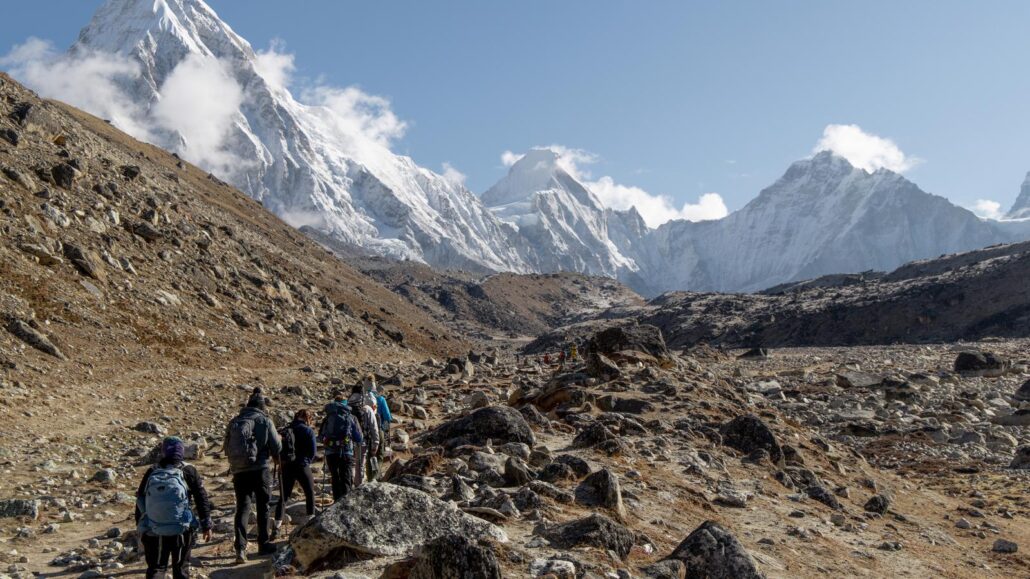
We have actually been to Everest base camp ourselves. (And the journey to get there is quite the story… one day we’ll share). We have stood at 5,364 metres and looked up at the mountain that Tabei climbed in 1975 with homemade equipment and a team of women who had been told to stay home. Standing there, you understand something that no photograph can convey: the scale is not inspiring.
It is intimidating.
The mountain doesn’t care about your motivation or your slogan. It’s totally indifferent. And the only thing that gets you up it is the decision that you are going, and the refusal to let anyone talk you out of it.
Going Anyway
Tabei never accepted corporate sponsorship after Everest. She said it would make the climb belong to the company rather than to her. She continued climbing for the rest of her life, funding expeditions through piano lessons, public appearances, and guiding work. She completed the Seven Summits, the highest peak on every continent. She was still climbing when she was diagnosed with cancer at seventy-five. She died at seventy-seven, having summited the highest mountain in more than seventy countries.
Her motto was five words: ‘Do not give up. Keep on your quest.’
The Voice That Says It Is Too Much
We think about Tabei more than you might expect. Not because planning a celebration is anything like climbing Everest. It is not. But because the voices sound the same. The voice that says: that is too far. Too complicated. Not practical. Have you considered the easier version?
Tabei heard that voice her entire life. So does anyone who has ever wanted something that requires the people around them to stretch. The scale is different. The pattern is identical. Someone wants something. Someone else tells them it is too much. And the question becomes: do you listen to the voice, or do you go anyway?
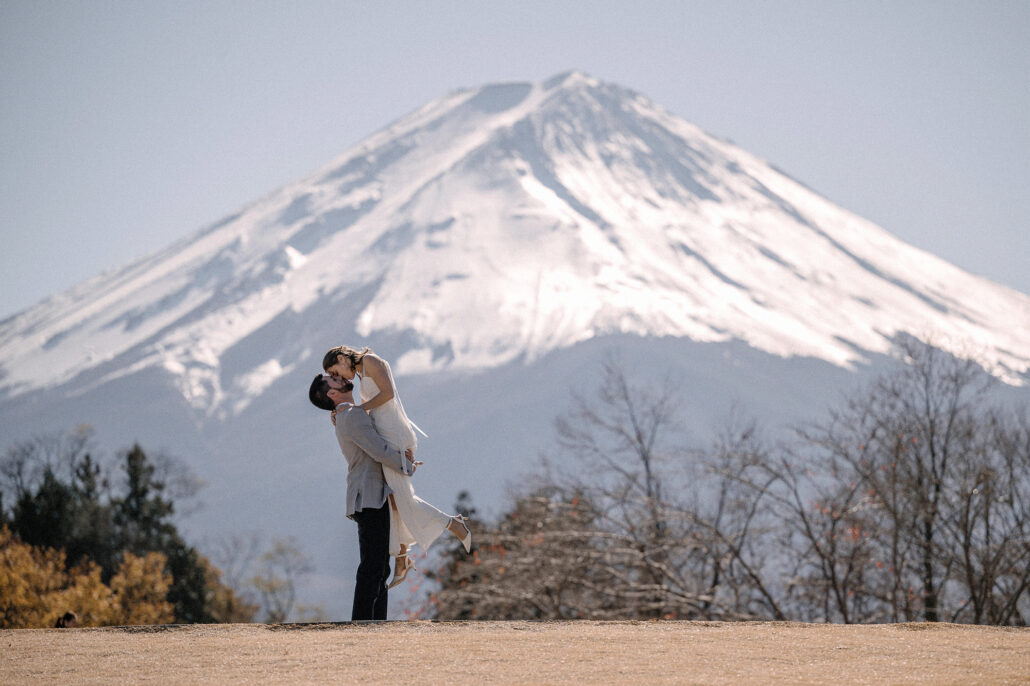
We are not comparing a wedding to a mountain. We are saying that the instinct to scale down, to choose the safer version, to let other people’s doubts reshape what you actually want, is universal. It shows up at 8,000 metres and it shows up at a kitchen table when you are trying to explain to your parents why Japan.
Tabei’s answer was always the same. Not an argument. Just a quiet refusal to want less than what she wanted.
That is worth remembering. Whatever your version of the mountain is.
Make the plan. Book the flight. Choose the place that scares you a little because of how much you want it. The mountain does not care about your doubts. Neither should you
The people who tell you it is impossible are usually the people who never tried.


